
PROPOSAL (scrol dowm for my real project I nameD “~New Proposal~”)
Balinese (I have decided to use this project For my project 0)
Bali, a renowned tourist destination, has significantly shaped the international perception of Indonesia. In contrast to the national norm, Balinese culture is strikingly unique, particularly in terms of its Hindu-animist religion. Writings from the ninth and tenth centuries A.D. document the development of Balinese kingdoms that were eventually conquered by Javanese rule. King Batu Renggong of Gelgel united Bali in the sixteenth century. Today, the dominant social and religious order remains.
Tourism has made Bali one of the most prosperous regions in Indonesia, while simultaneously promoting and distorting traditional culture.
Language The Austronesian language most closely related to Balinese is Sasak, the language of Lombok. Their traditional script was a distinct form of the Javanese alphabet, but they now use Latin letters primarily.
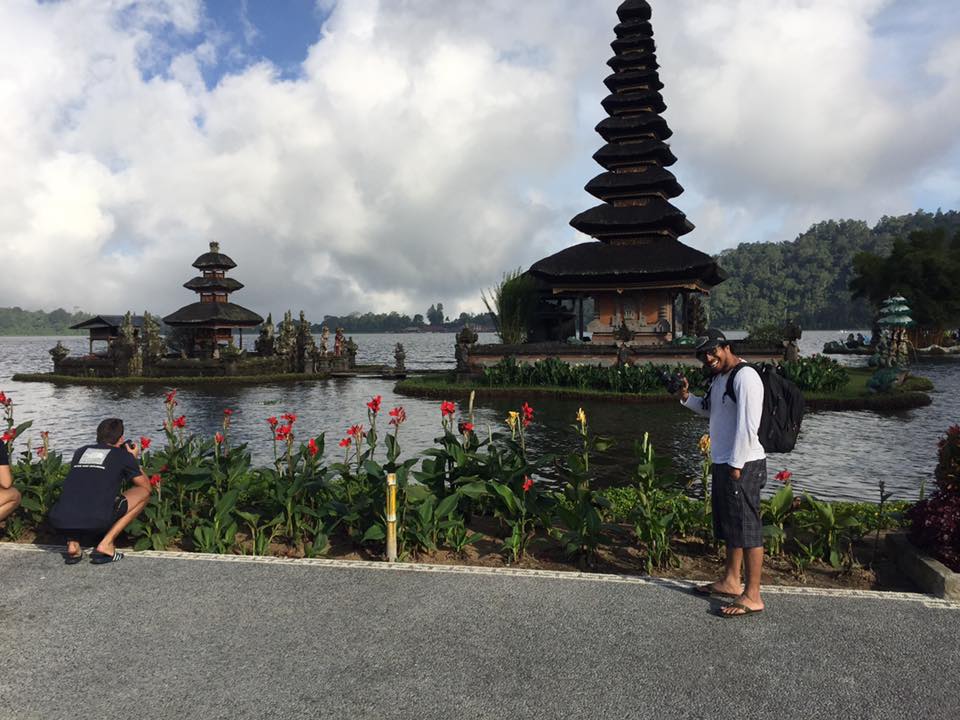
Balinese are predominantly Hindu, with minuscule Christian and Buddhist minorities, in contrast to the overwhelming majority of Indonesians. The Indian paradigm is infused with indigenous elements in their Hinduism. Good and evil are balanced in their religious practices. Therefore, Balinese sacrifice to both spirits and demons. They acknowledge a variety of preternatural entities, such as demons, ancestral spirits, and divinities such as the solar deity Surya and the rice deity Dewi Sri.
It is believed that Leyak are common individuals who abandon their bodies at night metamorphose into spirits. They assume numerous guises, including those of a primate, a bird, a disembodied head, and a spectral light. They can spread disease, cause crop failure, and contaminate food. They can be defeated by amulets (charms) or mantras (incantations) obtained from a priest or shaman.
The traditional attire of Balinese males is a kamben sarung (a sort of sarong) fashioned from endek or batik fabric.
Women typically use a kamben lembaran sarong made from mass-produced batik fabric. It is frequently worn with a sash (selempot) when outdoors. For religious ceremonies, women put on a kebaya over an armpit-length sabuk girdle. The majority of modern women have their hair cut too short for traditional hairstyles, so they pair their ritual attire with hairpieces.
Bali’s ancient performing arts are integral to religious and secular ceremonies. Multiple Balinese orchestras are variants of Indonesia’s celebrated gamelan orchestra. Percussion instruments, flutes, and bronze (or iron or bamboo) instruments exist. There are numerous performances presented. The most popular are the Baris dance, which depicts combatants, the Legong dance, which depicts duelling heroines, and the Barong dance, in which a mythical lion representing the good fights a malevolent sorceress.
Several forms of drama are practised. Wayang kulit shadow play and numerous masked and unmasked theatrical forms (topeng, wayang wong, and gambuh) are included.
Lontar, or palm-leaf books, have kept the Balinese writing culture alive. It tells stories about gods and heroes as well as old Balinese countries.
I would like to present ten images of Clothes, the Baris Dance, the Art of Music, Religion or Ritual and Tourism.
~NEW PROPOSAL~
RE-CONNECTING
My youth was spent in a country that is considered to be in the third world, and I can vividly recall trying to find a way to better my life so that I could provide for my family. During that time, I was never given the chance to sit down with my mother and have a talk with her about our traditional roles of son and mother.
Ten months after the passing of my father, I took off without telling my mother why. Because I was expecting my first child in 2015, I decided to move to England without my mother at that time. During the time that I was away from my mother, several health problems occurred to her.
I would try to get in touch with my mother once or twice a month, particularly on her birthday, to see how she was doing and make sure everything was going okay. On the other hand, she has not been feeling as well as people might have expected during the last several years. She has a few health issues that truly trouble her in her day-to-day life, especially with her ankle, vision and lower back, which have greatly contributed to my anxiety for her.
I would also make an effort to financially support her from one month to the next; however, this assistance was only used to pay for her food and not for anything else that may provide her with entertainment. She is now residing with my sister for the time being. On the other hand, my sister is married and the mother of two little girls. You are well aware that, as a son or daughter, you do not want your parents to be in any kind of discomfort.
Because she is the only one that I have, I decided that the time had come to bring her to me so that I could care for her as much as she deserves to be cared for. If I had brought her to me, I wouldn’t have had to worry nearly as much about anything because she would always be at my side.
Due to the fact that I have been away from my mother ever since I was 15, I have never taken any photographs of her or selfies with her. As this is her first travel to another continent if I’m not wrong, since thirty or forty years when she was working in Indonesia. However, now that I have the chance to do so, I would like to record the journey with her so that I can have more beautiful memories in the future.
After losing my father, the thought of also losing my mother is unbearable to me. This trip will allow me to reflect on the emotions, experiences, and core of what it means to be a son to my mother.
This is the story of how I managed to get back in touch with my mother through quite an unexpected trip I took to bring her all the way from Timor Leste to Bristol in the United Kingdom.
- reconnect (with somebody) to get to know someone again I hadn’t seen her since high school, but we recently reconnected. (oxford dictionary)
- (intransitive) To meet up again (with someone), after a long time apart and/or without communication; to reunite.
RESEARCH
LOCATION PHOTOGRAPHY
From my understanding location photography is documentation that often makes use of documentary photography, which is a genre of photography that aims to present subjects (such as people, places, objects, and events) in a way that is certainly true to life.
ANNIE LEIBOVITZ
You may obtain a sense of the substance of a real-life story by looking at the work of a prominent photographer like Annie Leibovitz in the book “A Photographer’s Life 1990–2005” about her mother. I read an essay that was written by Annie herself inside the book and looked at the photographs that she had provided. The way that she discusses her engagement with the topic, as well as her methodology and her vision for the project in general, has taught me something new.
Some of the photos that I think have a link to my project are how she photographed her mother in every way she possibly could to tell the real-life story. Her mother is a dancer and a swimmer as well, and she stated that she thinks her mother has her own ambitions in her life.
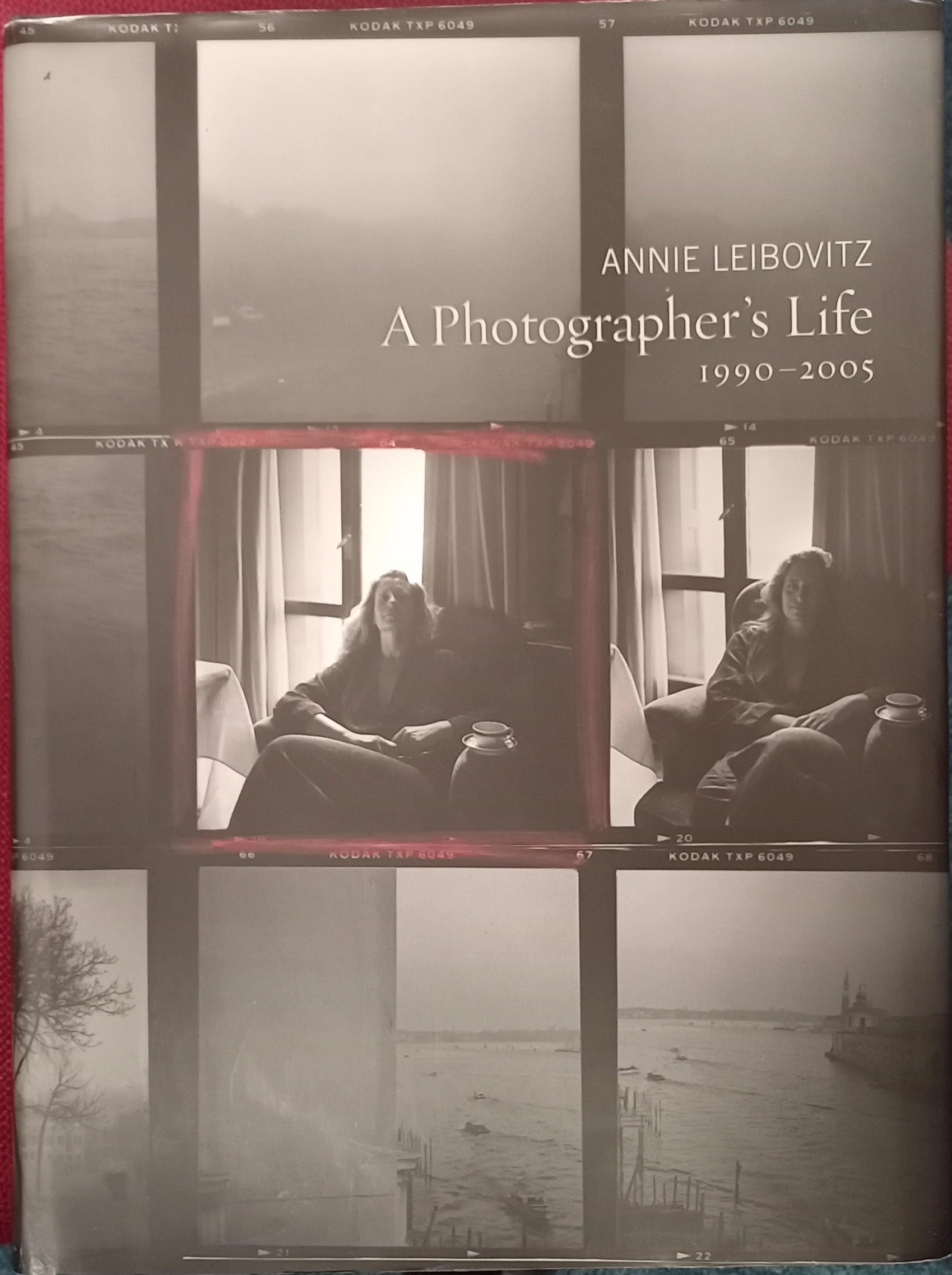
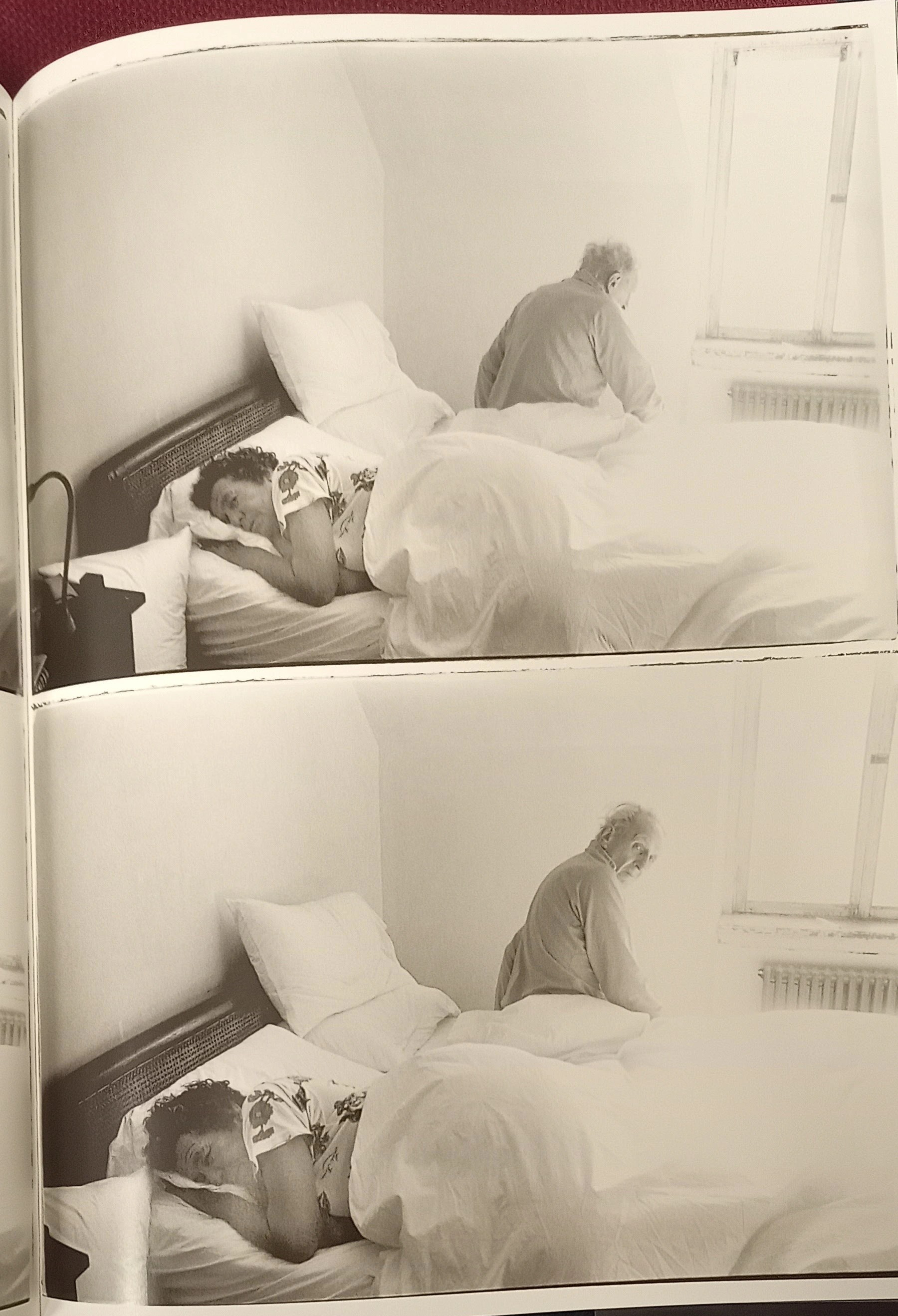
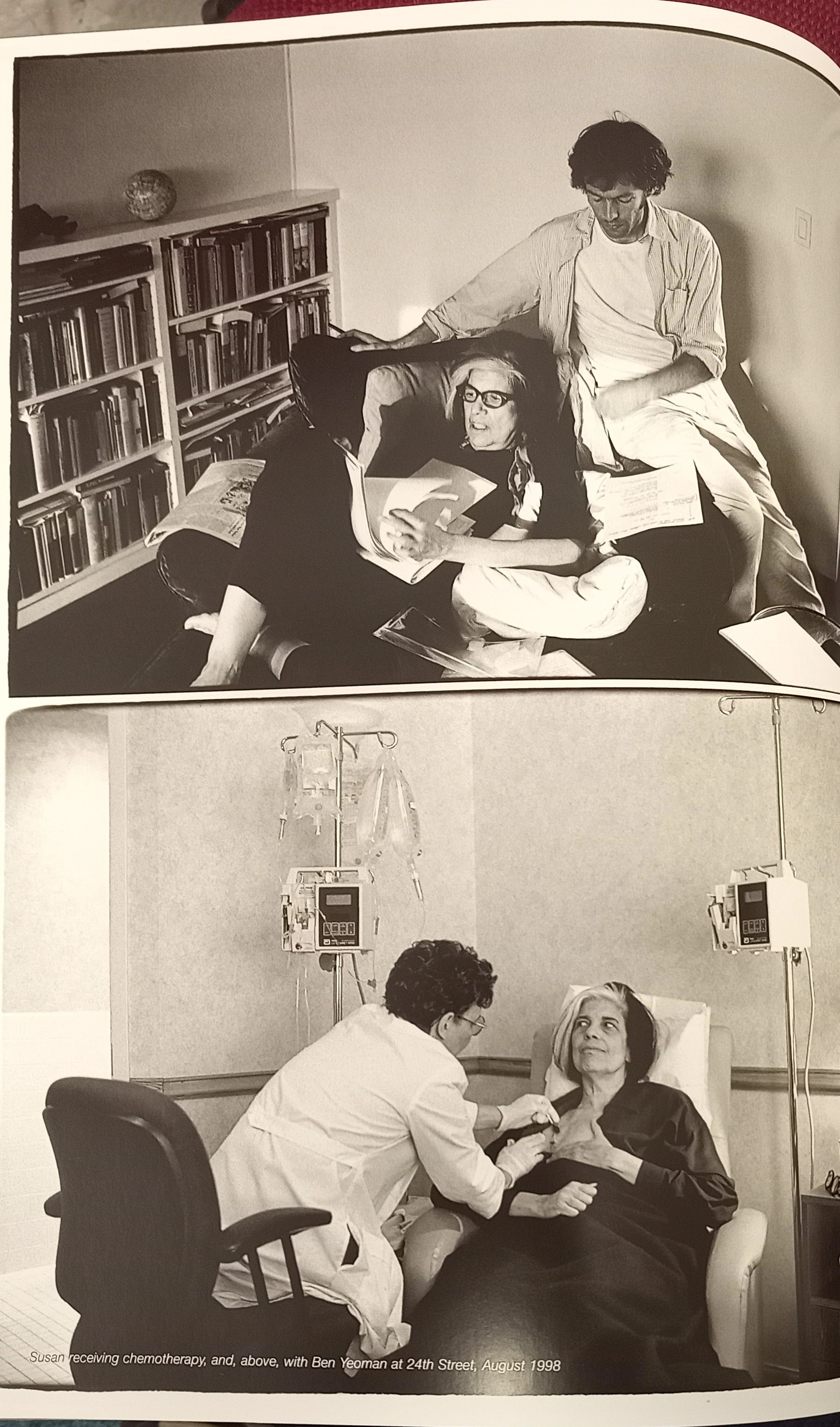
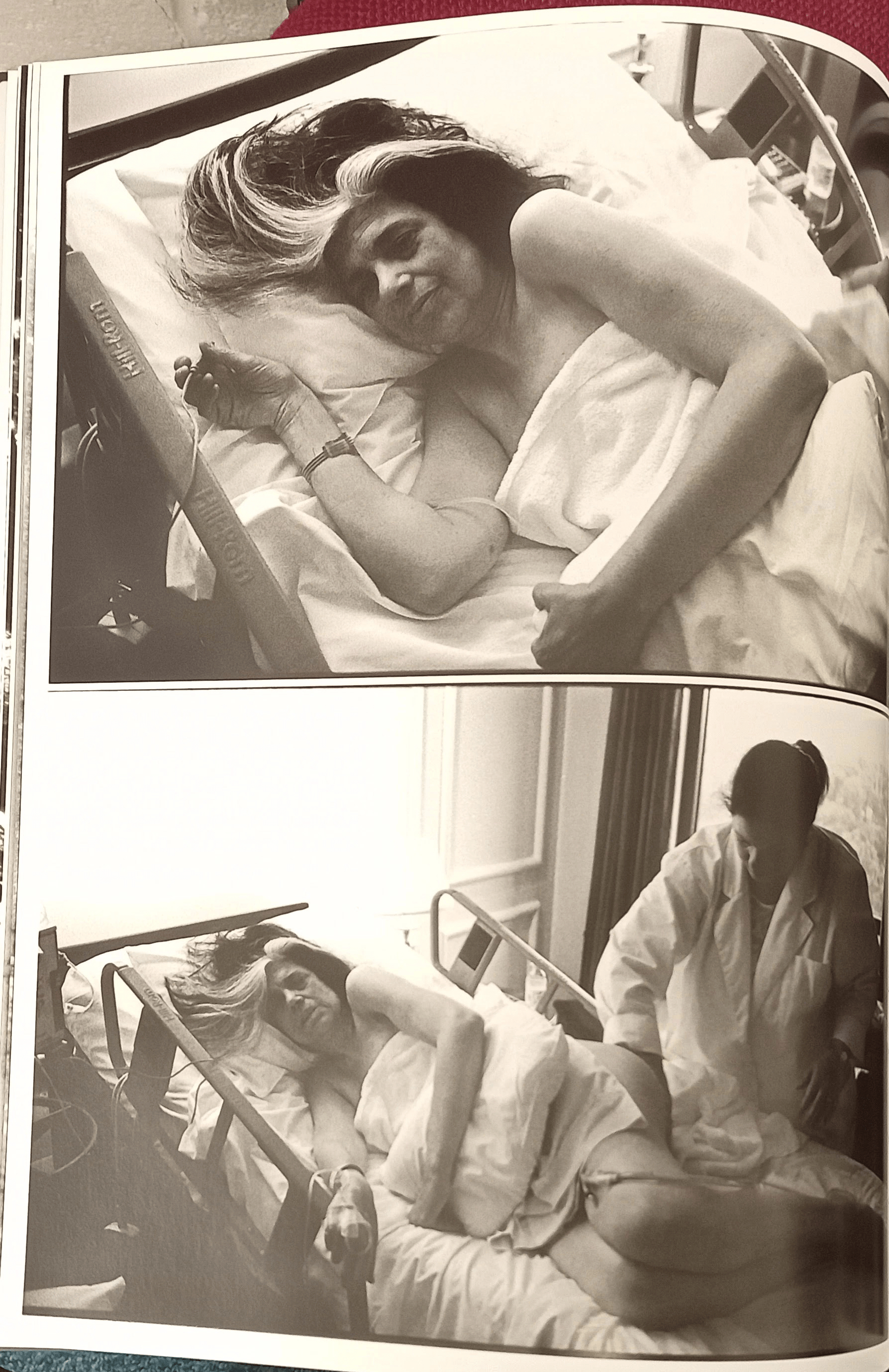
In some of her other stories, she also discusses Susan’s life in 1998, the year in which she received the news that she had cancer. During that period, she took a break from work simply to look after her “friend” and also capture many images of her. During that time, she also took care of herself. It must be quite challenging to take a photograph of someone who you know will soon be gone, something that you cannot predict but which you are certain will leave an enormous hole in your life.
When I consider “A Photographer’s Life 1990–2005” in regard to my project, I feel that it is helping me to go even further into the very personal nature of the narrative that I am constructing with my project. This is something that I believe is happening because it is forcing me to do so. I shall record everything, including every little aspect that I can possibly remember in as much detail as I can.
ng to the 1KCreative.com
Minolta SRT-101—Leibovitz’s first camera. Annie called the Minolta her first “real camera” in Annie Leibovitz at work. Annie’s photography passion began with the SRT-1O1.
Annie switched from Minolta to Nikon F in the 1970s. The original Nikon F was the first 35mm SLR system to be universally acknowledged as a professional camera.
Mamiya RZ67 and unnamed Hasselblad Annie were Rolling Stone’s principal photographers at 23. When the journal went square in the late 1970s, Annie had to use a Hasselblad instead of her “small format” 35mm SLRs.
She used a Hasselblad, maybe a 500CM. Annie discovered her primary camera, the Mamiya RZ67, in the 1980s. Annie used the RZ67 till the early 2000s.
Leibovitz, unlike many 120-film photographers, transitioned to digital easily. In At Work, Annie confessed,
Digital captures colour more accurately. Digital files are intense. Digital captures things more accurately, yet even with all these options, I want my photos to seem authentic. That’s my camera. I don’t miss cameras.”
Annie isn’t a technical photographer and doesn’t care about megapixel battles or brand features. As you’ll see, she prefers basic setups for that function. Leibovitz added:
“I’m not into it because of the equipment, and I’m not concerned with the things that concern more technically acute people. I want to use whatever helps me take a picture in all kinds of light with faster speed and fewer problems.”
Her digital camera options follow. In 2003, she switched to digital, although no system was mentioned in a subsequent profile. Annie may have used a Nikon D2H or Canon 1DS given her size.
Annie shoots Canon 5Ds in the 2010s.
Annie photographed the 2017 Vanity Fair group portrait using the 5D Mark II, showing her indifference to photography gear. That works.
Annie’s multi-artist Lincoln campaign is an example. Watch the maestro at work in the behind-the-scenes video:
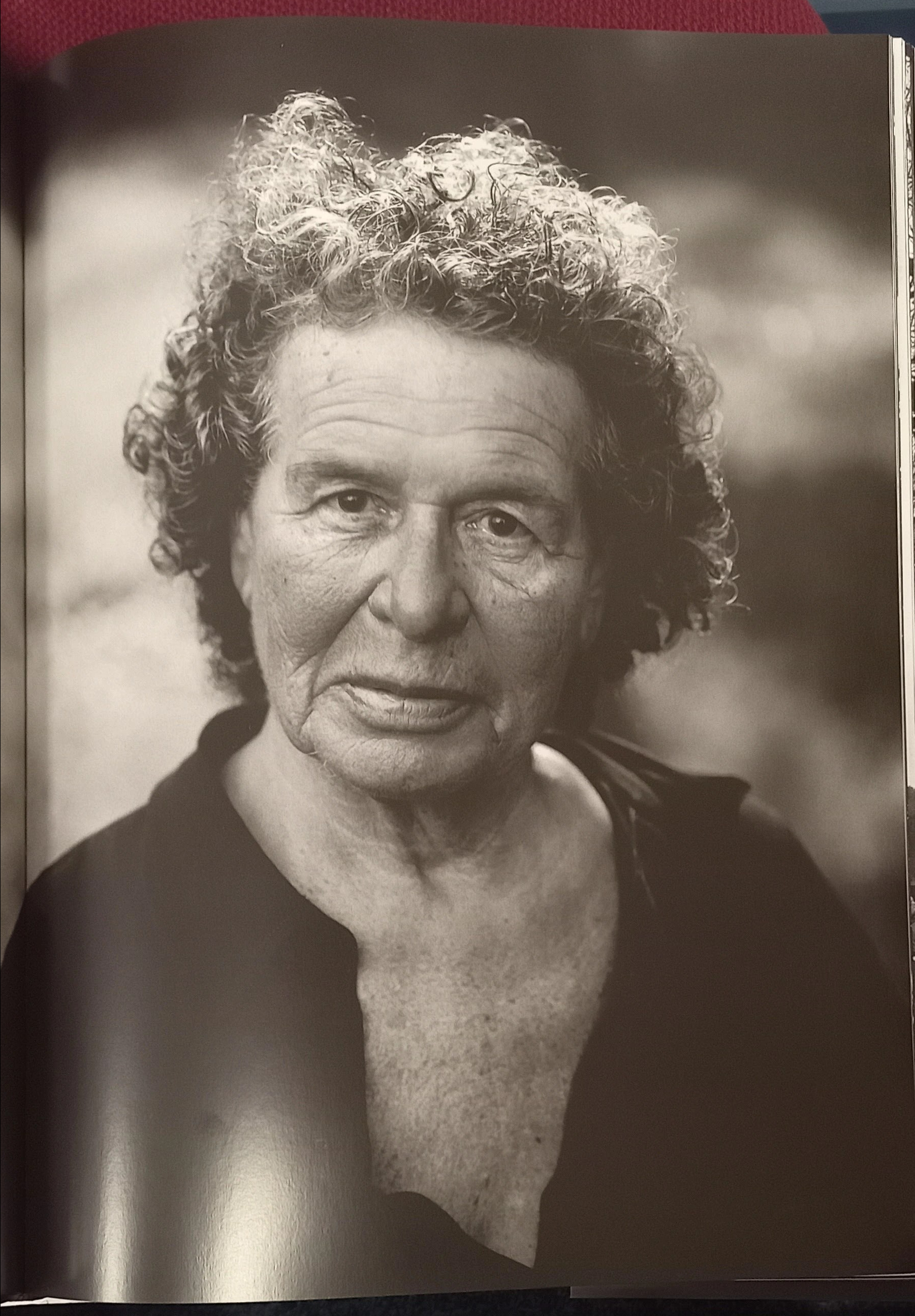
One of the works that Annie Leibovitz is proud of is the portrait of her mother.
Below is the video about Annie talking about her work from 1990-2005 at ArtScience Museum.
She stated that the portrait of her mother is a strong picture that tells you almost as if there is no camera in there. I like this type of work and it inspired me to imitate it in my mother-related project.
Gabby Jones
The project that Gabby Jones is engaged in on is about how she went back to live with her mother in St. Thomas after being gone for a very long time because she did not like the neighbourhood where her mother resides. But recently, when COVID-19 attacked the globe internationally, she was stranded in St. Thomas with her mother and stepfather. This prevented her from leaving the island. She is the only kid in her family, so she spent her vacation with her mother, where she gained a new appreciation for the role that her mother plays in her life.
When Gabby Jones told her mother that “she felt irresponsible for the job that she left behind in New York,” her mother responded by saying, “If it means anything to you, these last two weeks have been the best two weeks of my life.” I noted the closeness that united the two of them when Gabby Jones told her mother that “she felt irresponsible for the job that she left behind in New York.” This resonated with her mother’s genuine feelings for her at that time.
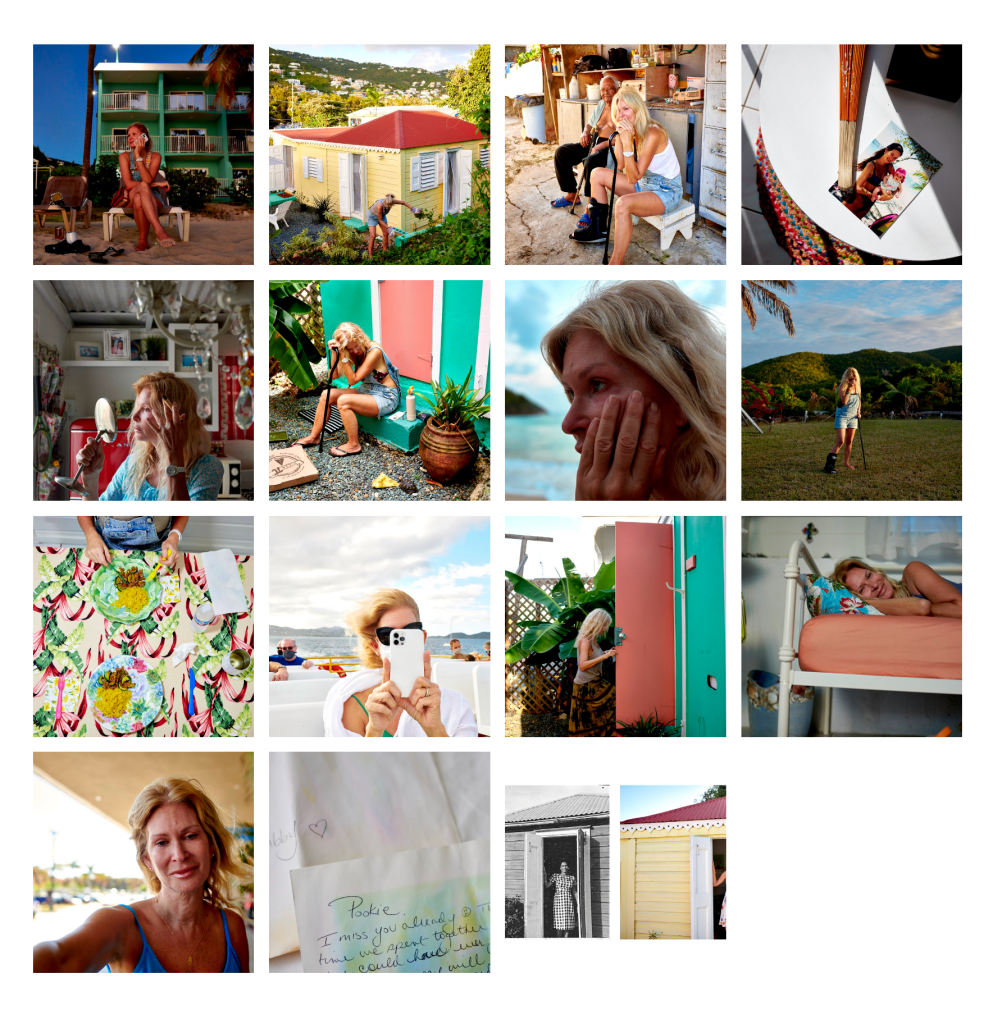
I believe that going back to the place where her grandparents were born and being able to spend time with her mother has helped her gain a deeper understanding of the history of her grandparents’ homeland as well as the events that transpired there. This has had a profound effect on her, as her mother has explained that her mother, grandmother, and grandfather were all born on the same small island where she attended kindergarten.
How she shot all the images?
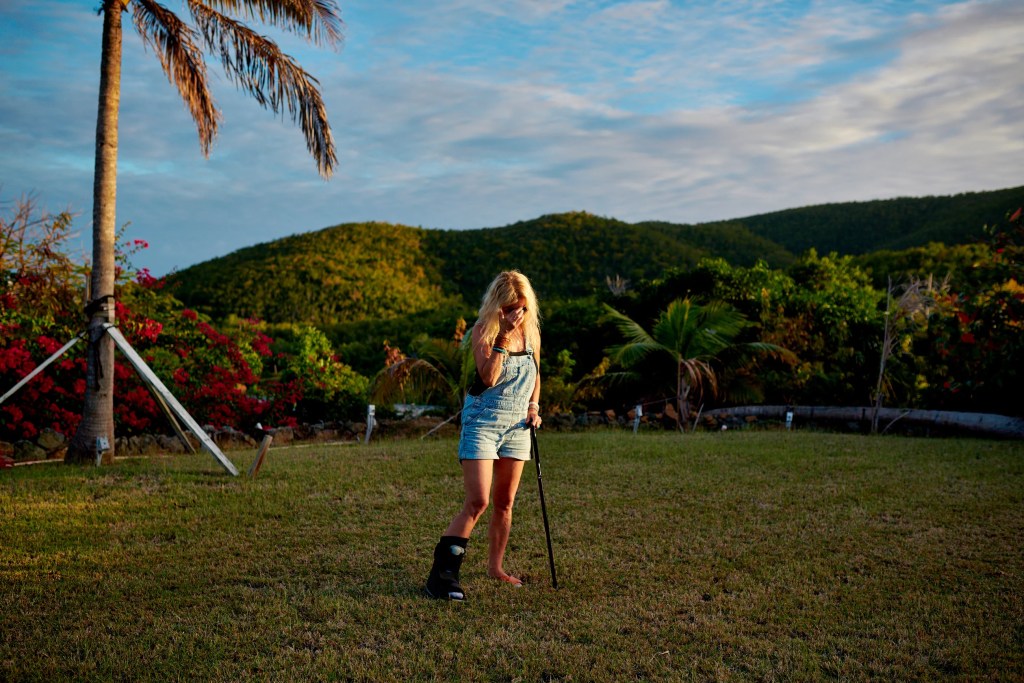
Gabby Jones
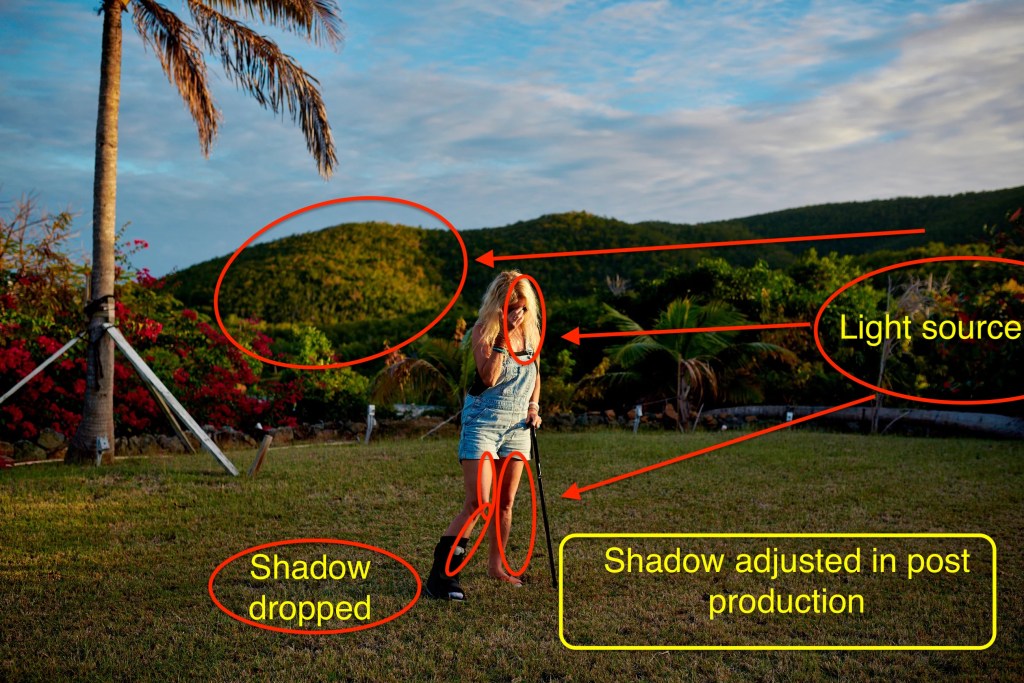
I think she shot all the images only with natural light and a digital camera. The reason I say this is because her background is photojournalism in college at Syracuse University. She must know how to utilize natural light as the source and adjust her camera as well.
Her work is without any flash, she only uses natural light either the sun or the house.
Emma Hardy
Permissions show how hard it was for the photographer to balance being a mother, working, and being creative while having three kids. The pictures in the book show everyday life and beautiful places. Hardy juggles her artwork with being a parent and watching her kids grow up and her relationship with her mother grow. Each chapter starts with a big, still life of flowers that the family grew themselves. This was done as a farewell during the family’s last spring in the house. As the story goes on, Hardy’s children become more independent and leave the story. When the family moved, the project was over.

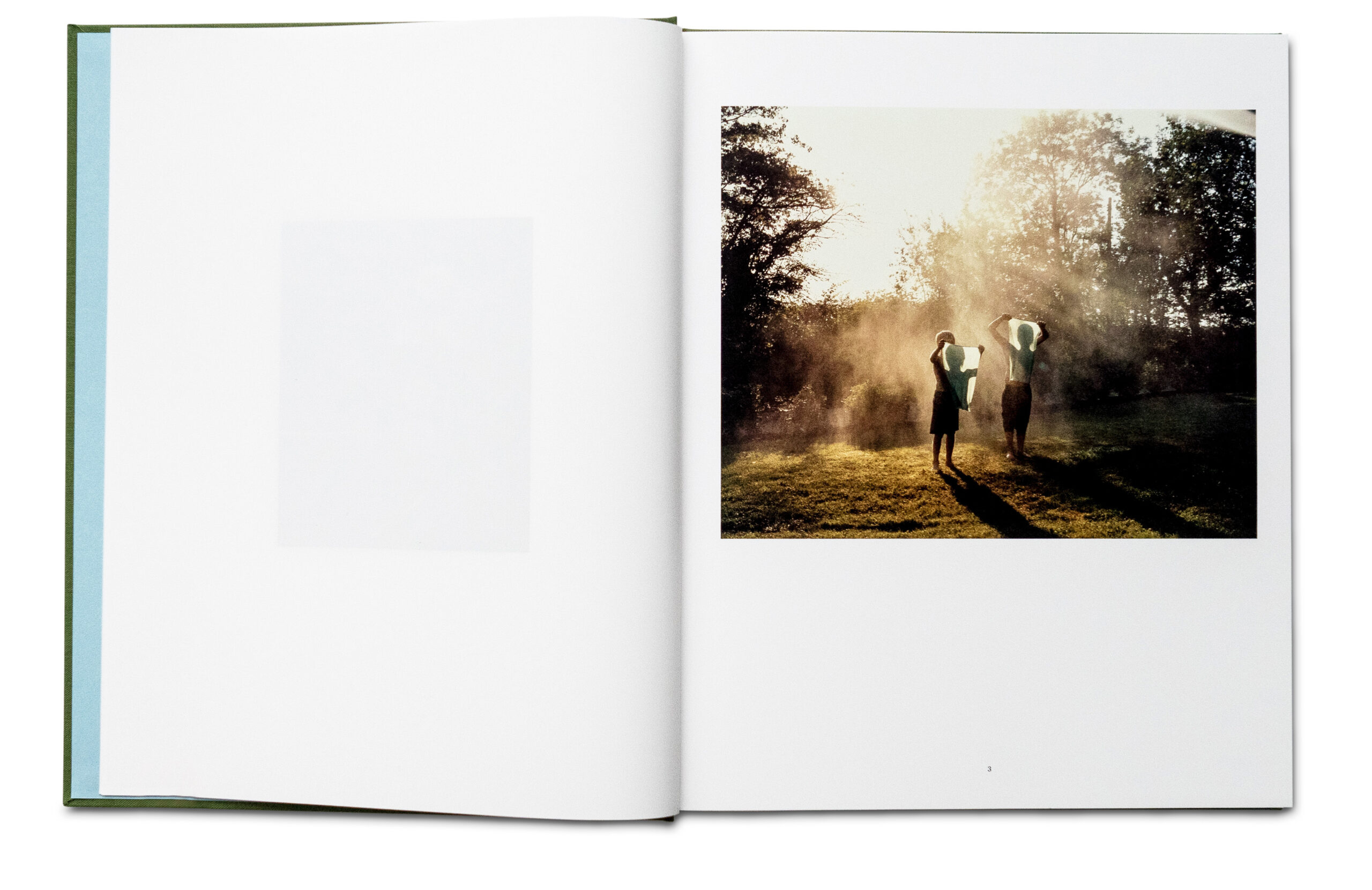
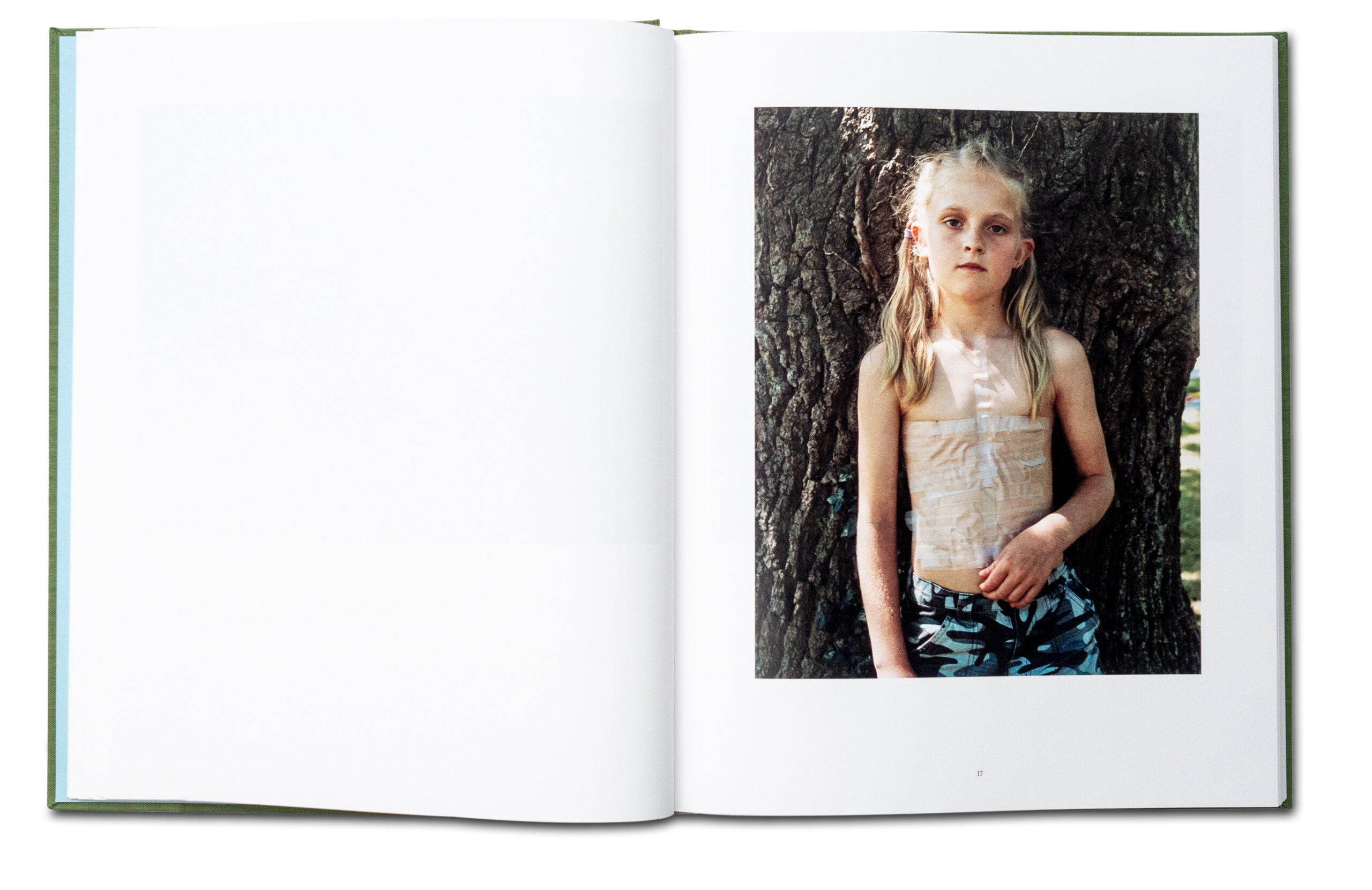
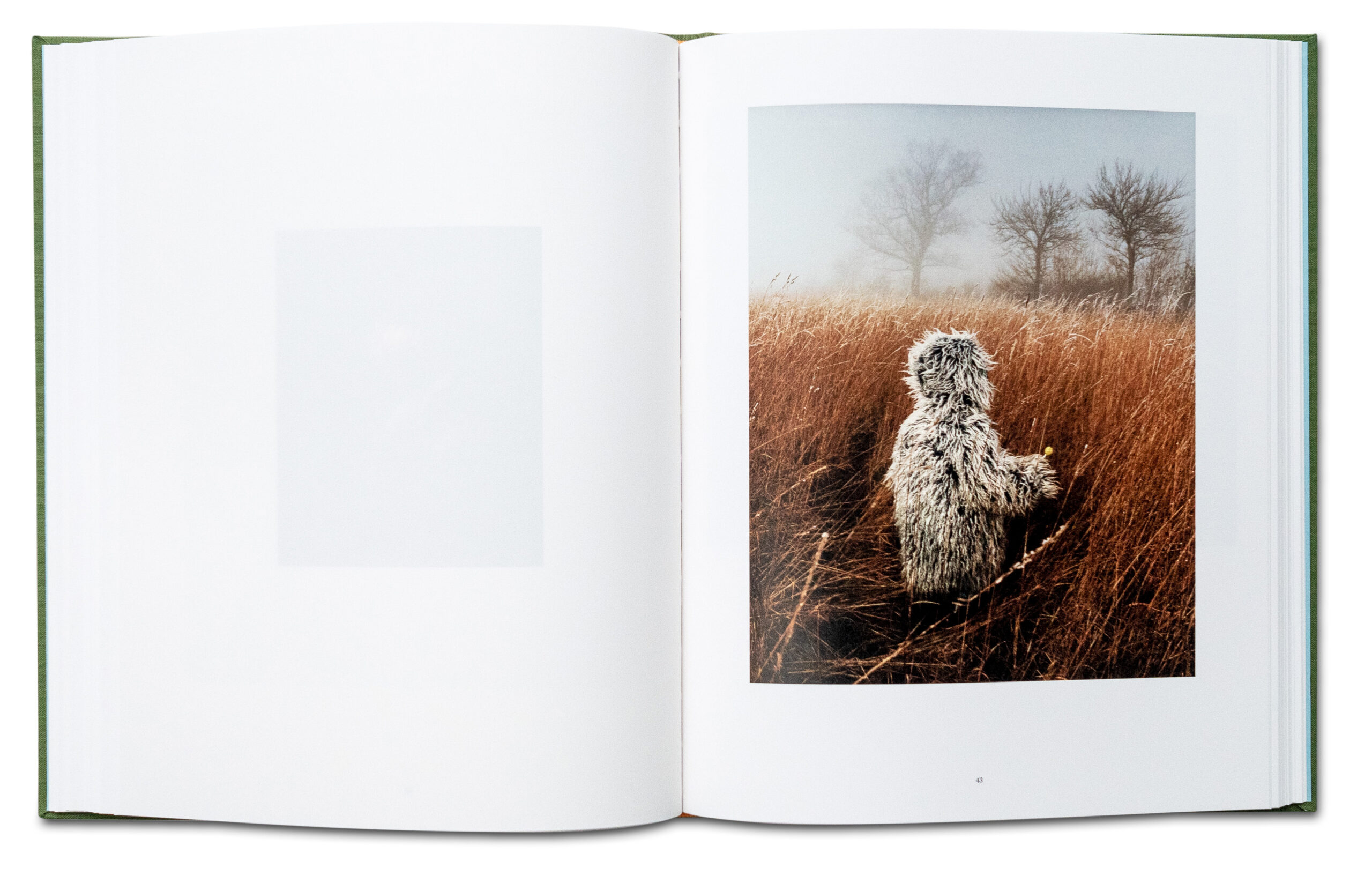
Emma Hardy’s project named “Permission” resonated with my plan to create a long-term project about reconnecting. In my proposal, I indicated that this reconnecting project will focus on the intimacy of being a son to a widowed mother who has not always continued together for an extended period since I was a teenager.
The “Permission” project from Emma Hardy is a long-term project that has been captured during 20 years of family life; hence, she is a portrait, fashion, and travel photographer.
Her camera
The images she photographed came from various cameras, such as a 35mm film camera, a 120 medium format camera, and a 5 by 4 plate. I guess that was because, over the 20 years, she also kept up with the camera technology, or it could be because she has three different types of cameras in her private collection.
The photographs taken by Emma Hardy have a distinct sense of honesty and closeness to the viewer. Her photographs capture exquisite moments that convey a feeling of connection to a family, a place, and a community.
Rikii Altamirano (Primary ReseArch)
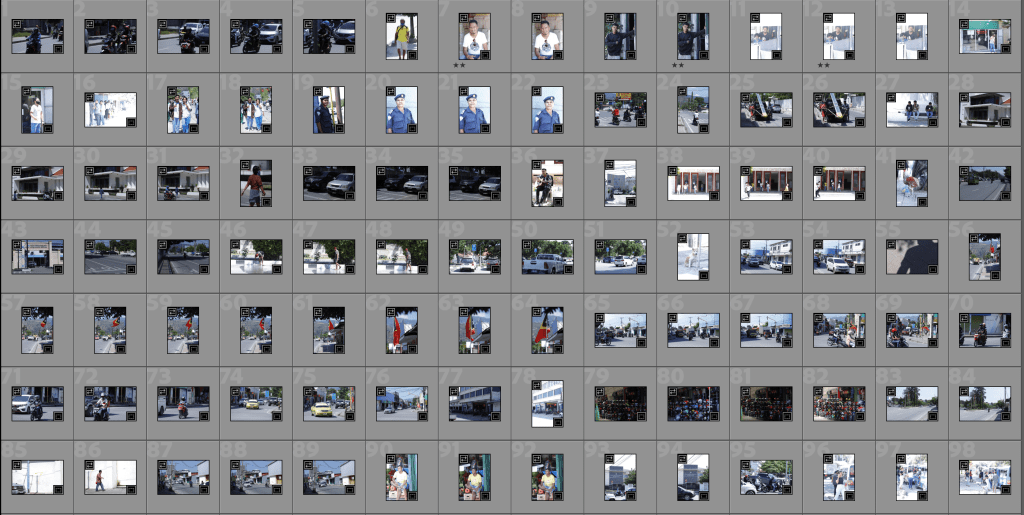
Location photography – Documenting a shutdown police station – Trinity Road Police Station, April 23, 2023.
My own research on how to execute the photography location is based on all the lessons I have learnt in the class with Mike and Chris.
What I observed from Chris’s lesson was:
How to professionally and ethically approach the undertaking I wish to undertake.
Mike’s comments were noted on the brief concerning the unit 2 contextual study.
I combined these two lists and created “Demolished project” as a trial run for my project “Reconnecting”, which I will submit by the deadline as a 5-location documentary project.
“Demolished”
The current Trinity Road station, which was inaugurated on February 7, 1979, by Her Royal Highness Princess Alexandra and featured 17 cells and space for 176 police officers and employees, required 640 thousand pounds for construction and equipment.
This location must be closed due to the high cost of maintaining this building and the fact that the majority of law enforcement personnel now use mobile phones, laptops, and other devices that perform differently than when they used desktop computers to complete the report. Due to the fact that police vehicles are now equipped with the internet, officers can perform their duties without exiting their patrol cars.
According to Officer Andrew, this area will shortly be developed by Guinness Homes Association into homes and apartments, and the association is contemplating incorporating a small police station into the plan.
In 2026–2027, when construction is complete, a new police station will reopen on the same site, which will also feature a total of one hundred affordable or shared ownership units.
Ten years ago, after the relocation of the detention centre, all of its inmates were transferred to larger, more secure facilities in Patchway and Keynsham.
For the time being, the Bridewell station patrol personnel can continue to maintain order in the area.
All furnishings will be donated to nonprofit and charitable organisations. The remainder of the non-useful property will be demolished, with the exception of all police vehicles.
It is unfortunate that this facility, which has assisted a significant number of individuals in the surrounding community, will be forced to close.
One of the officers, PC Andrew, who has worked at this station since 2005 and has recently transferred to Bridewell Station, stated that he believed this location served as a reminder of his entire police career.
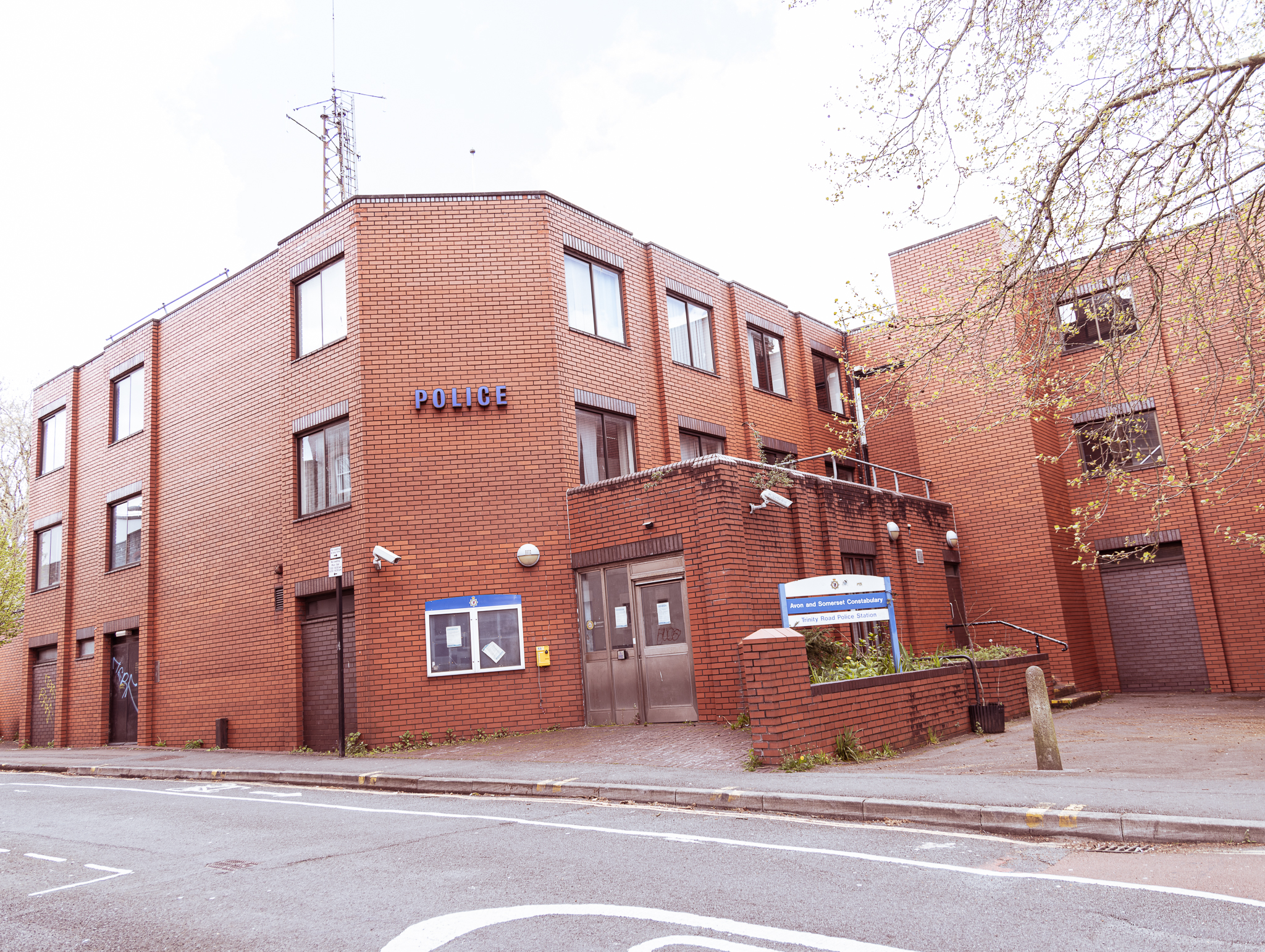
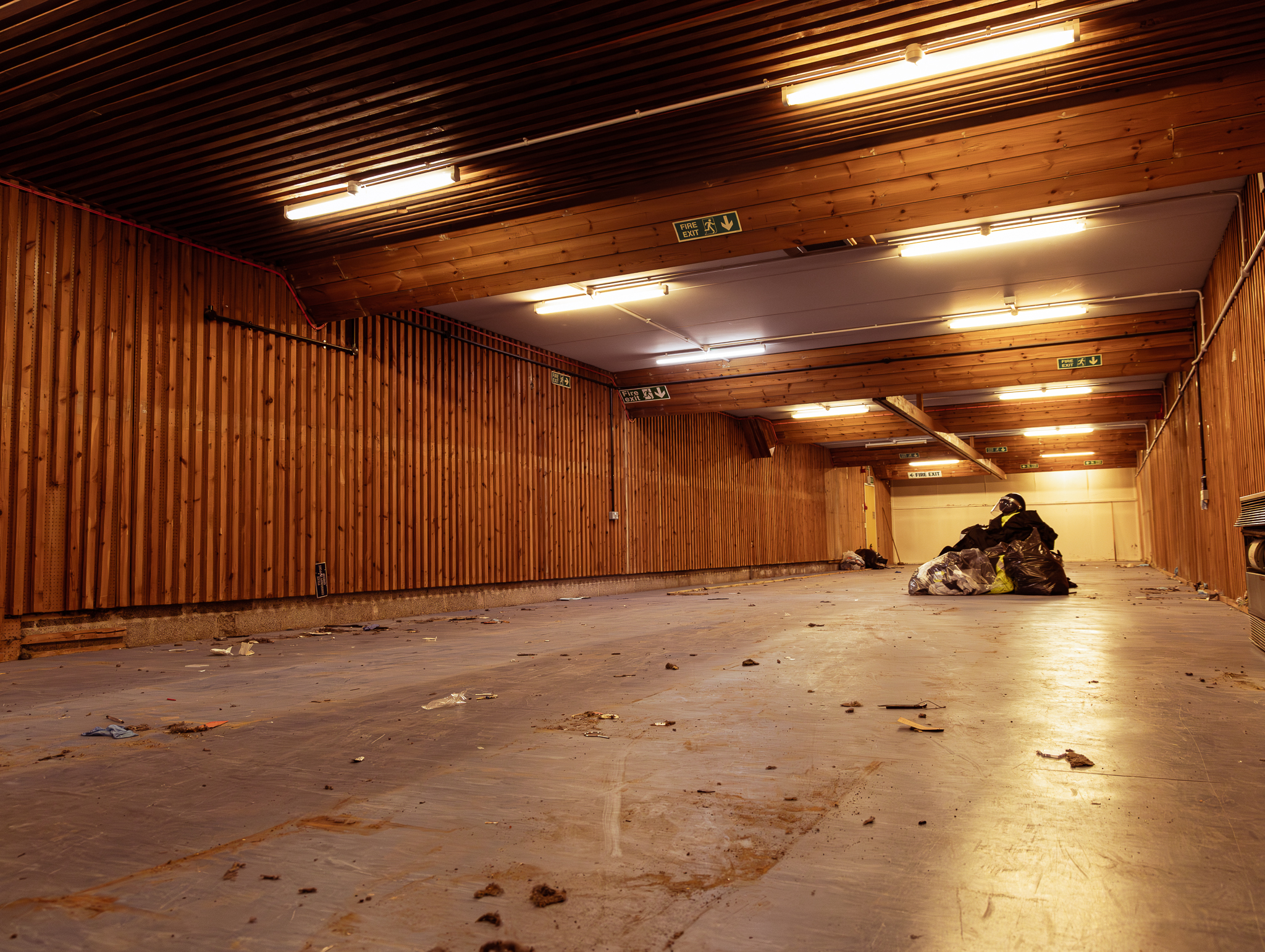

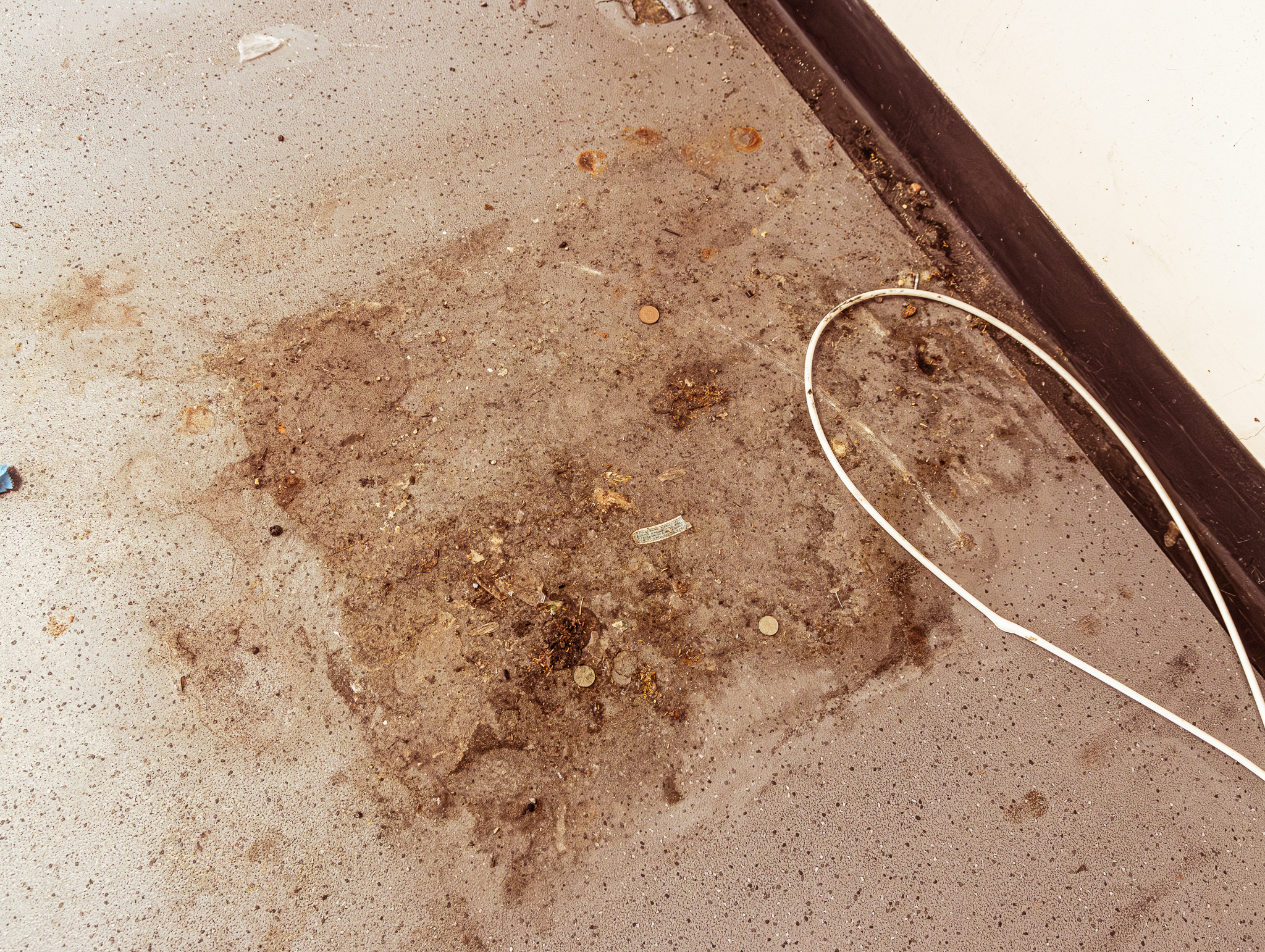
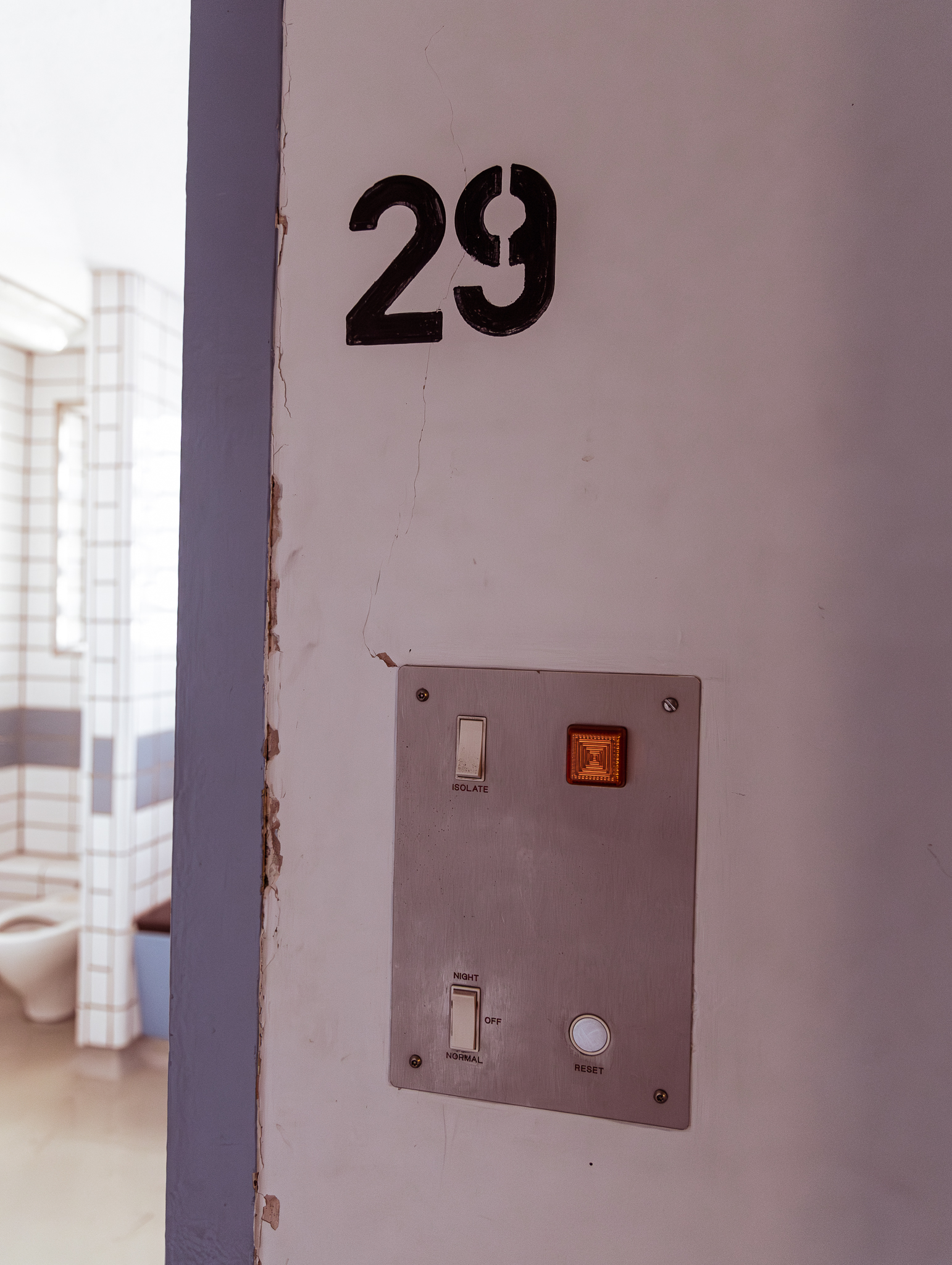
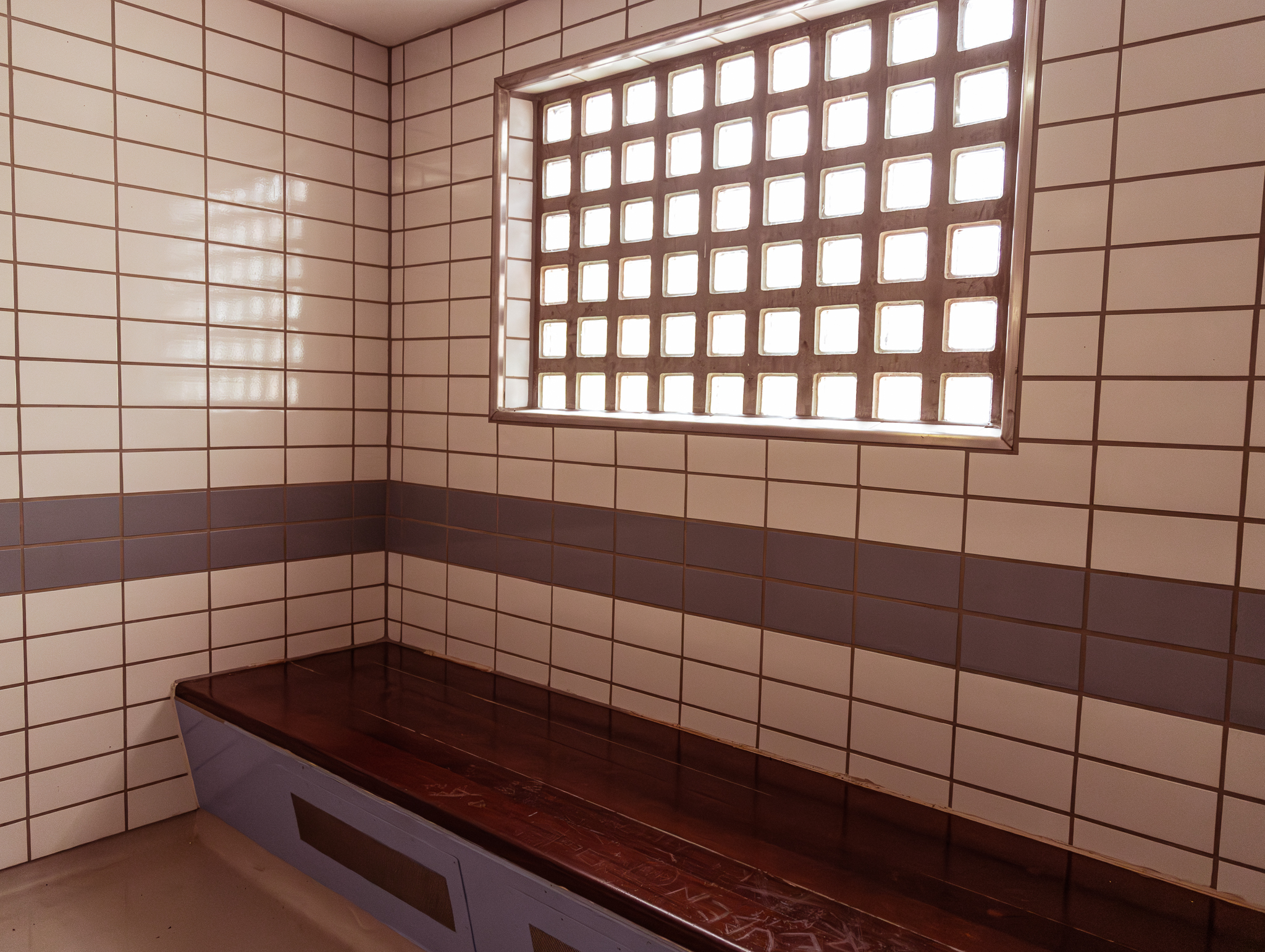
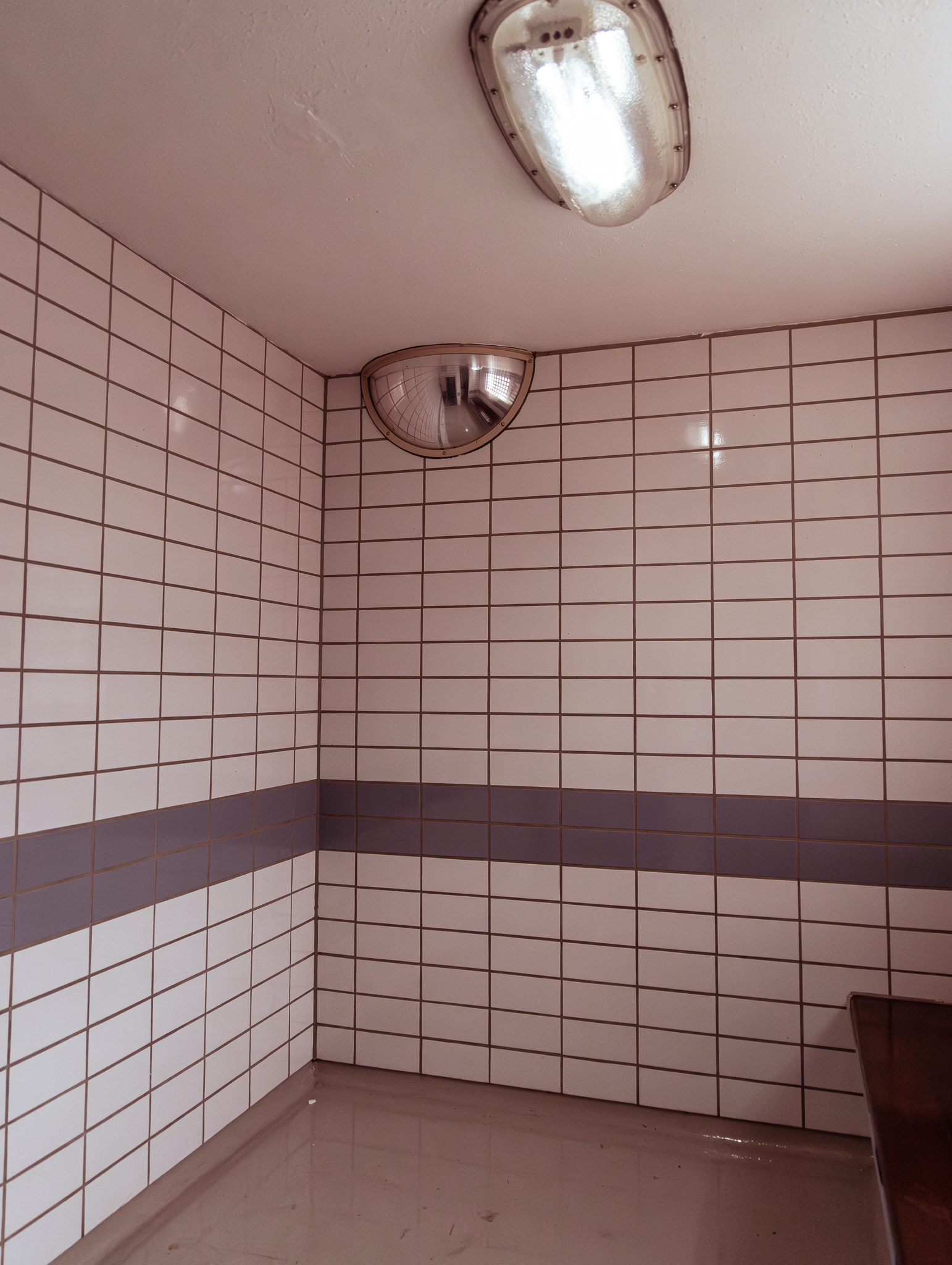
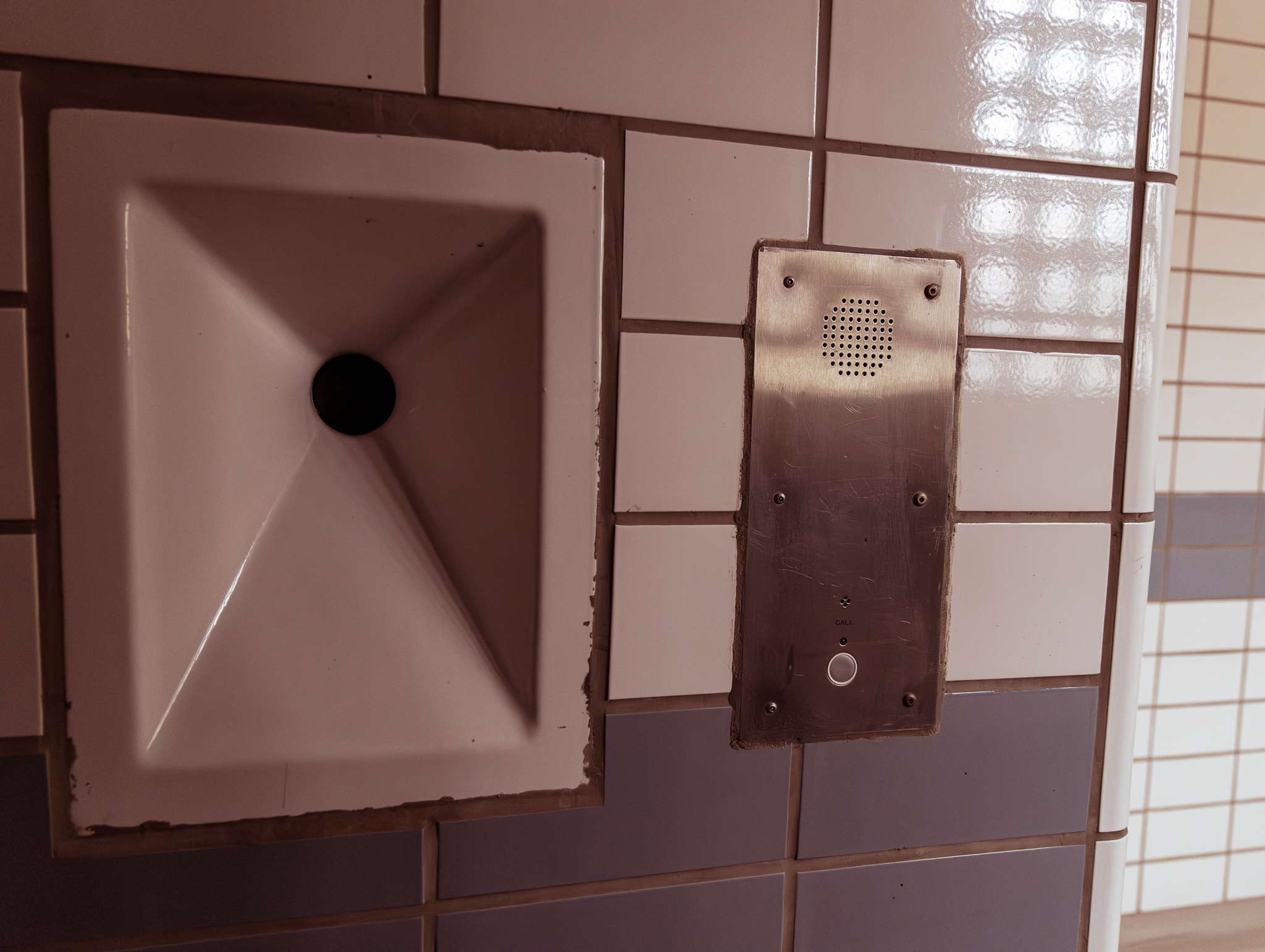
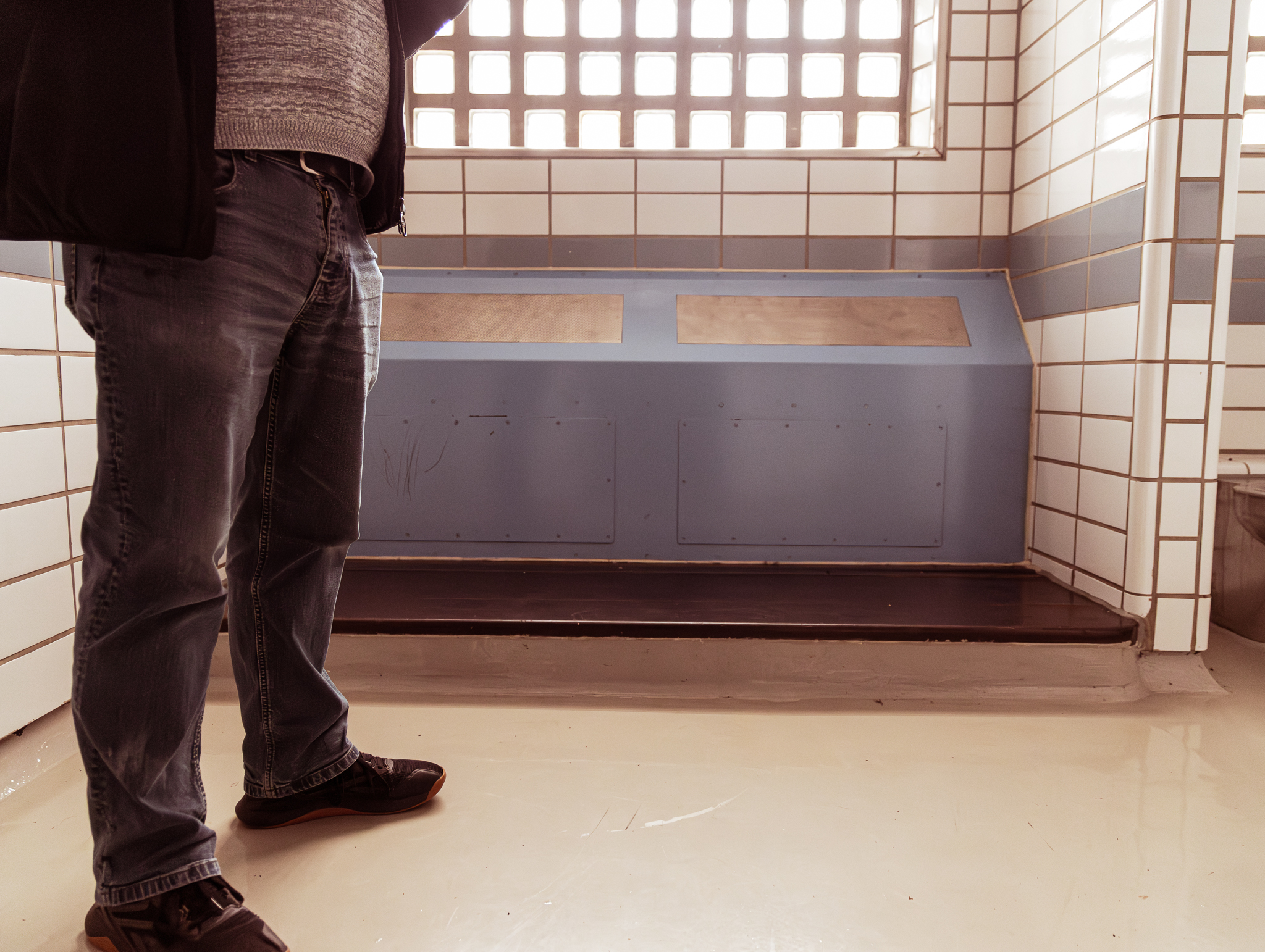
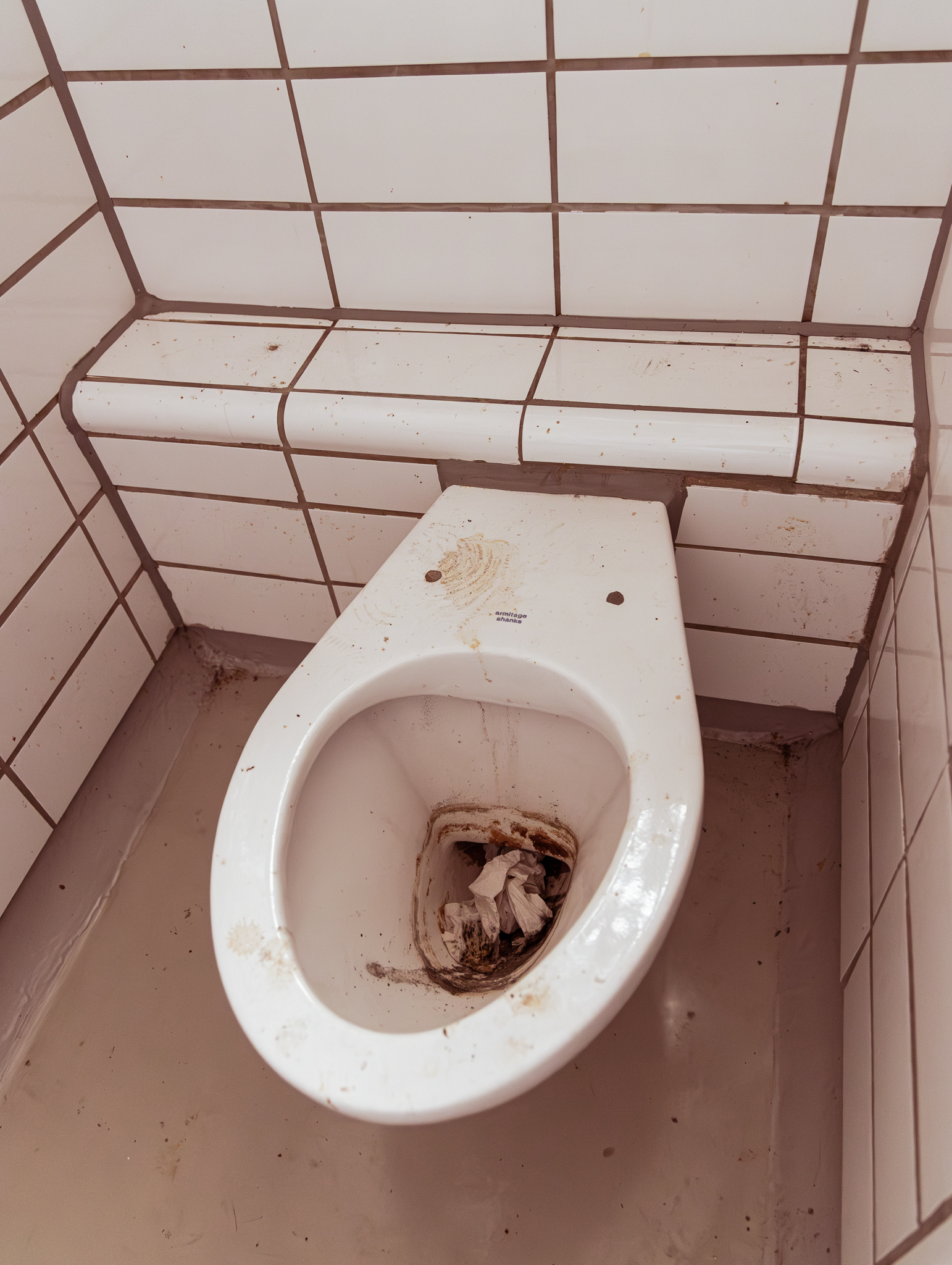


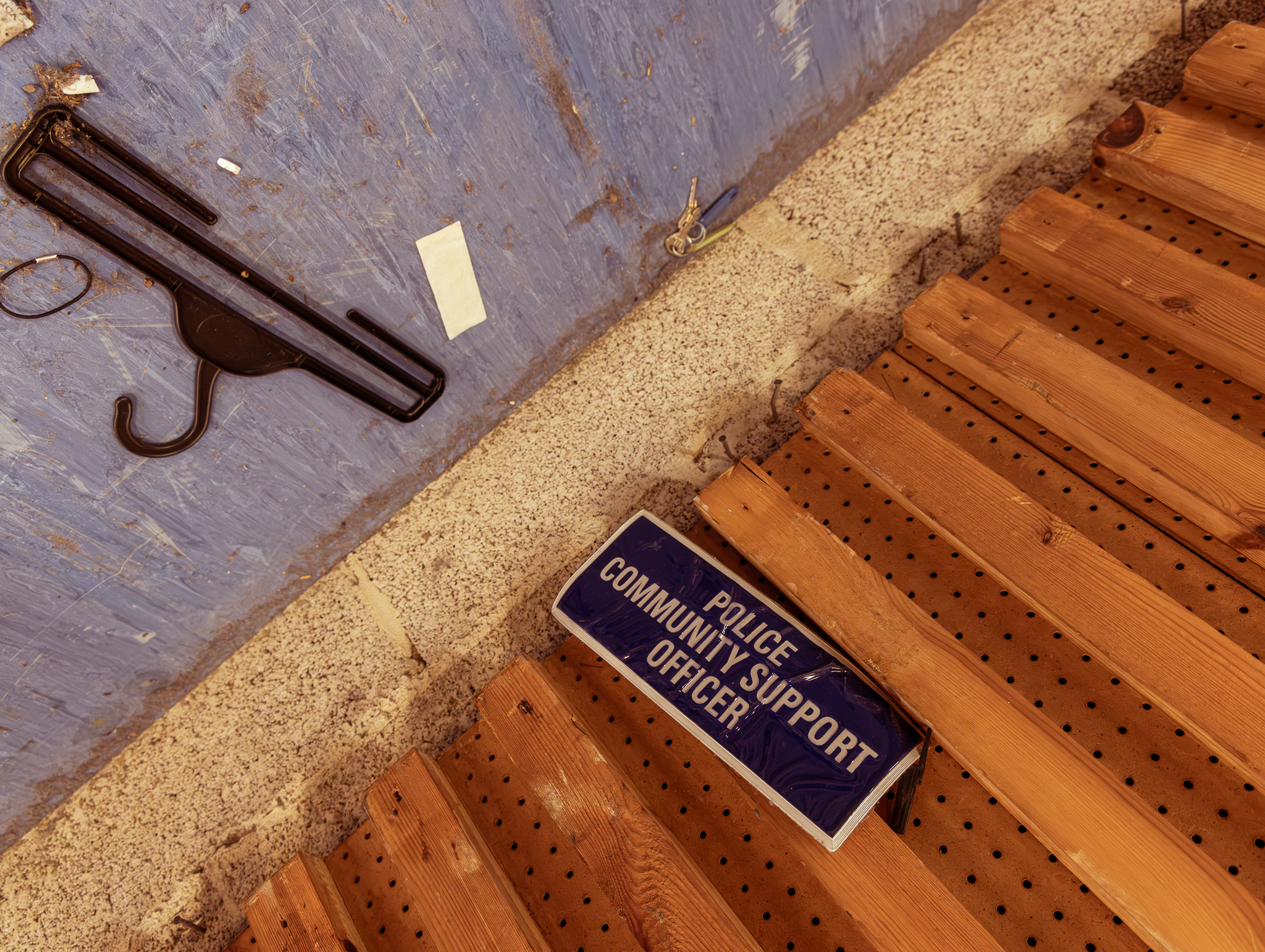
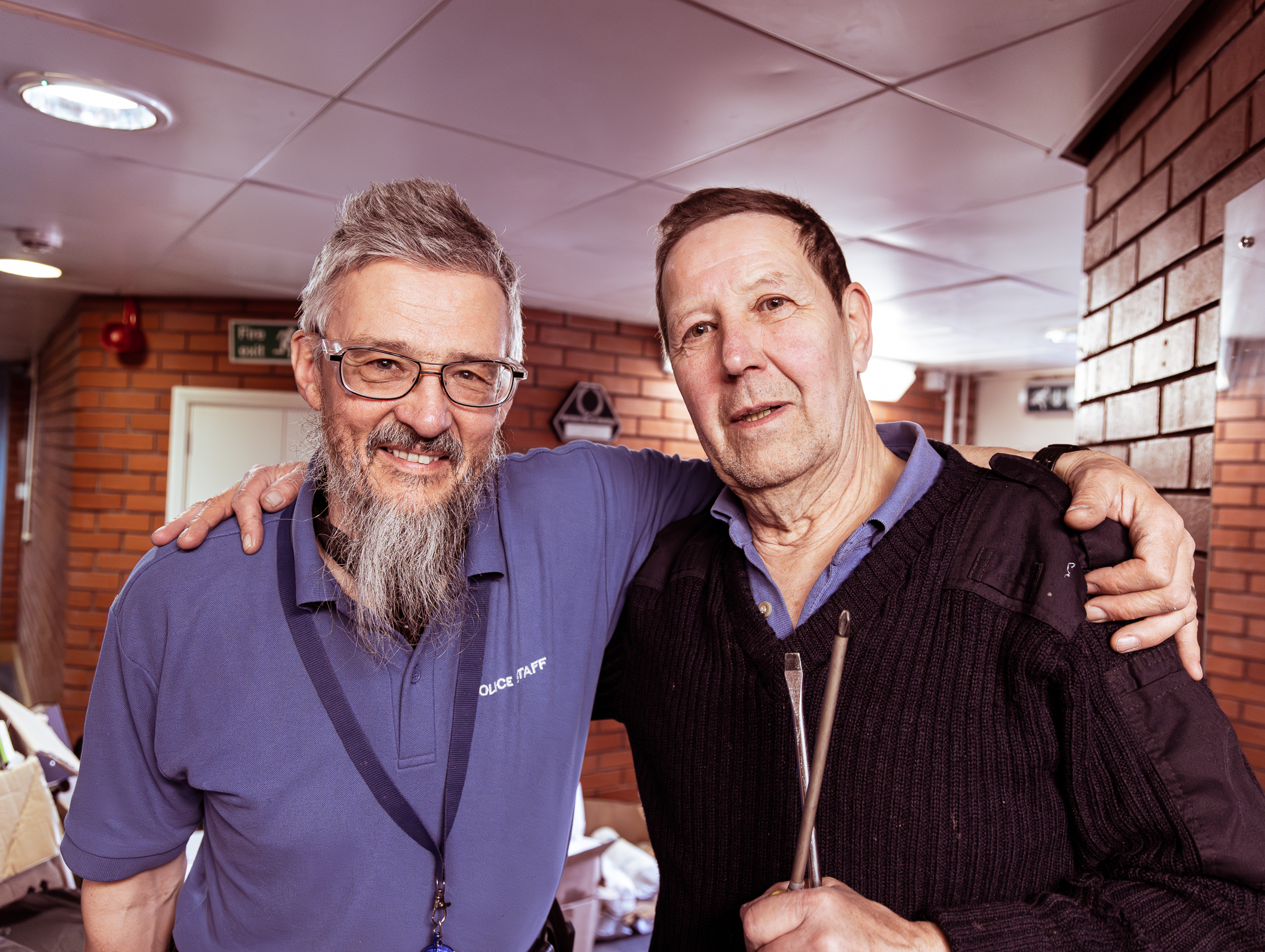
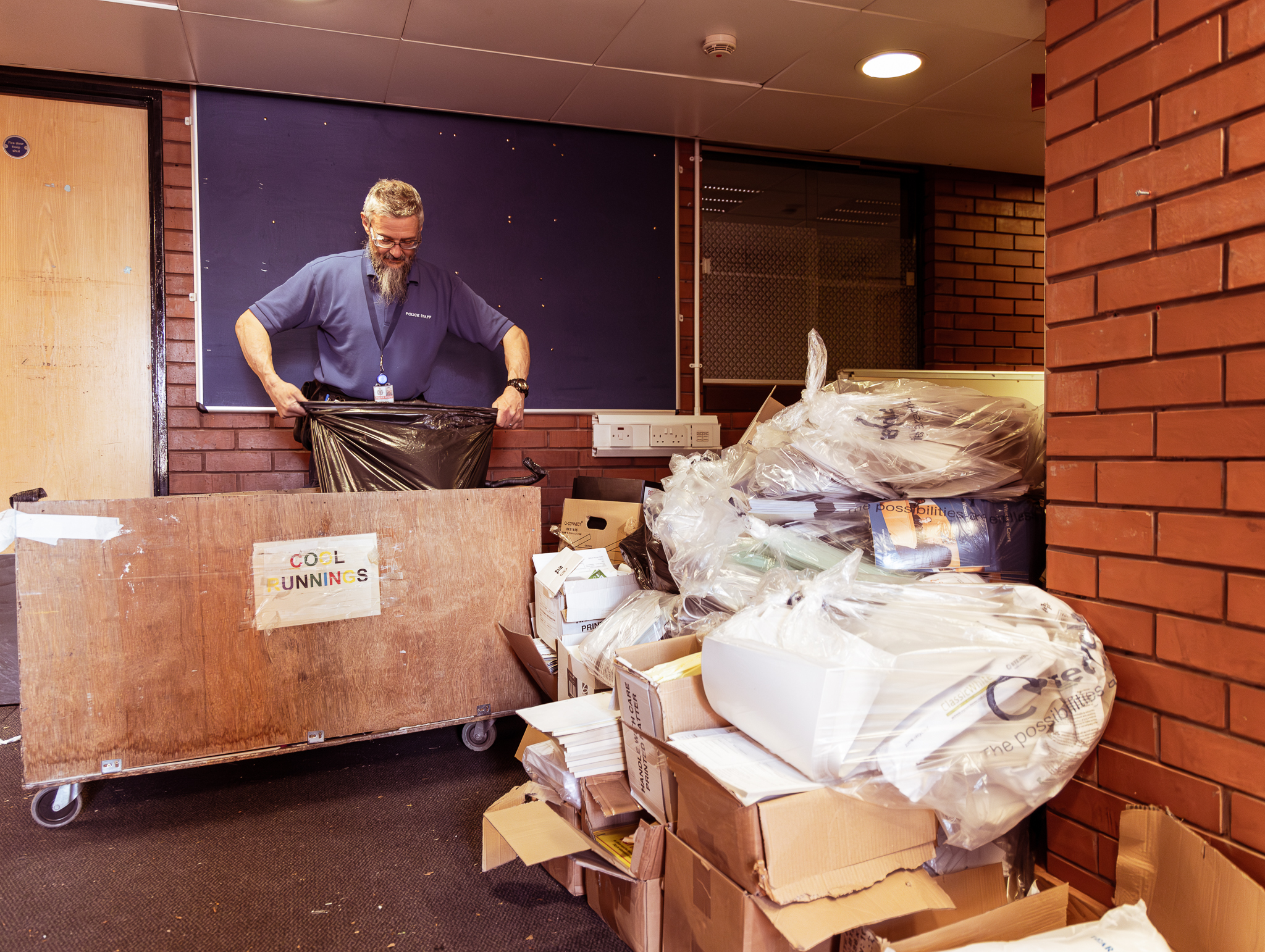
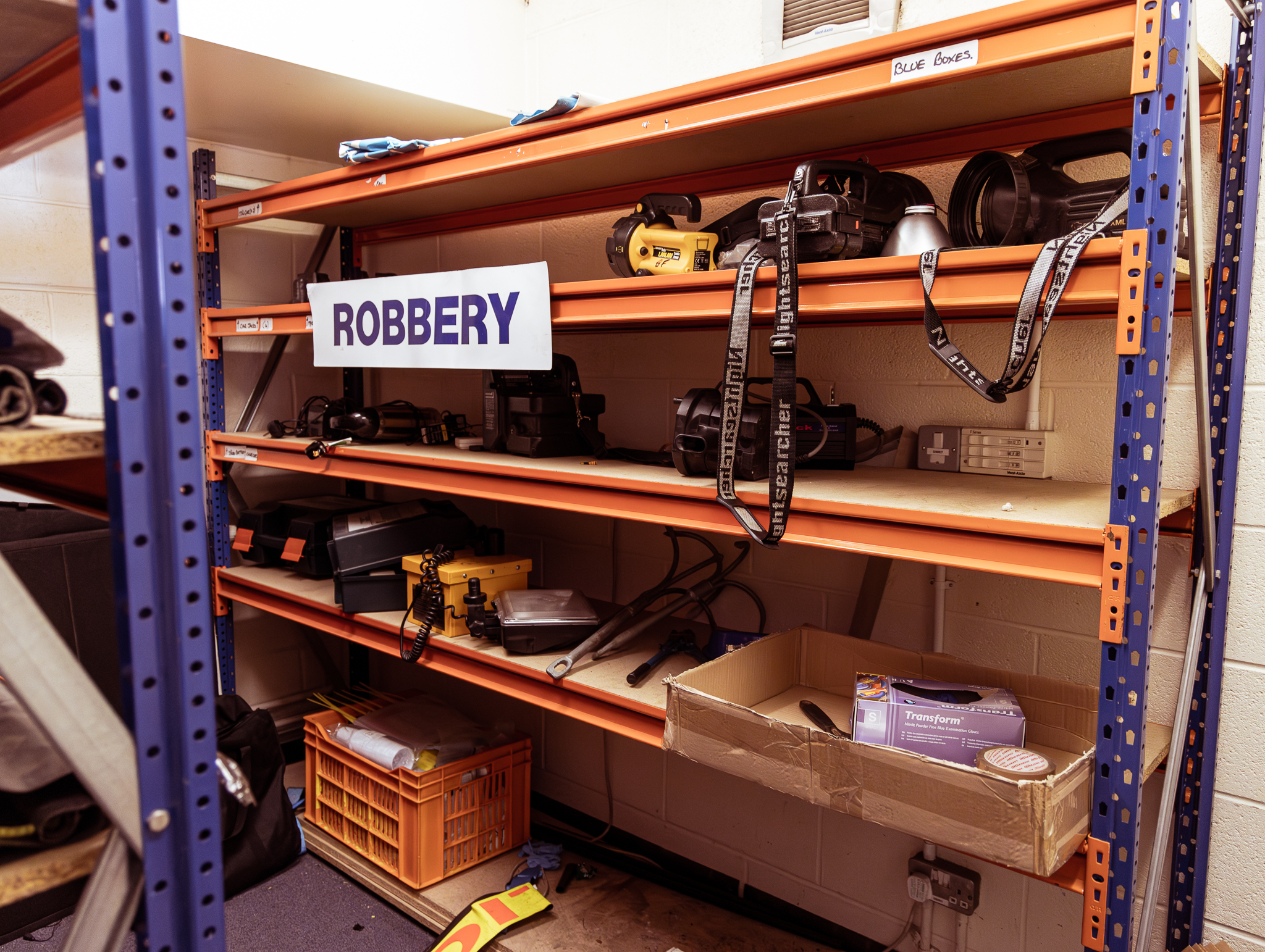
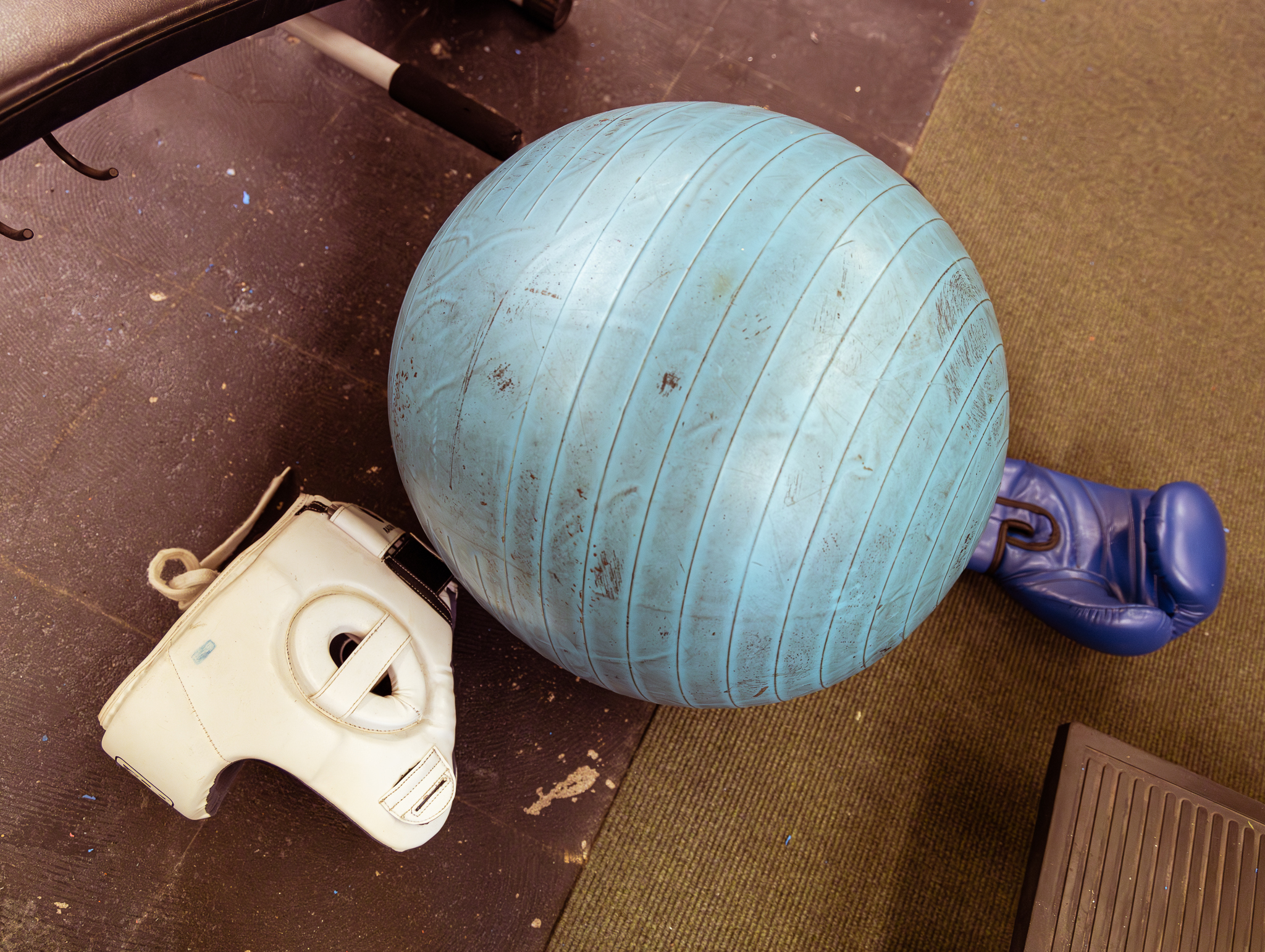
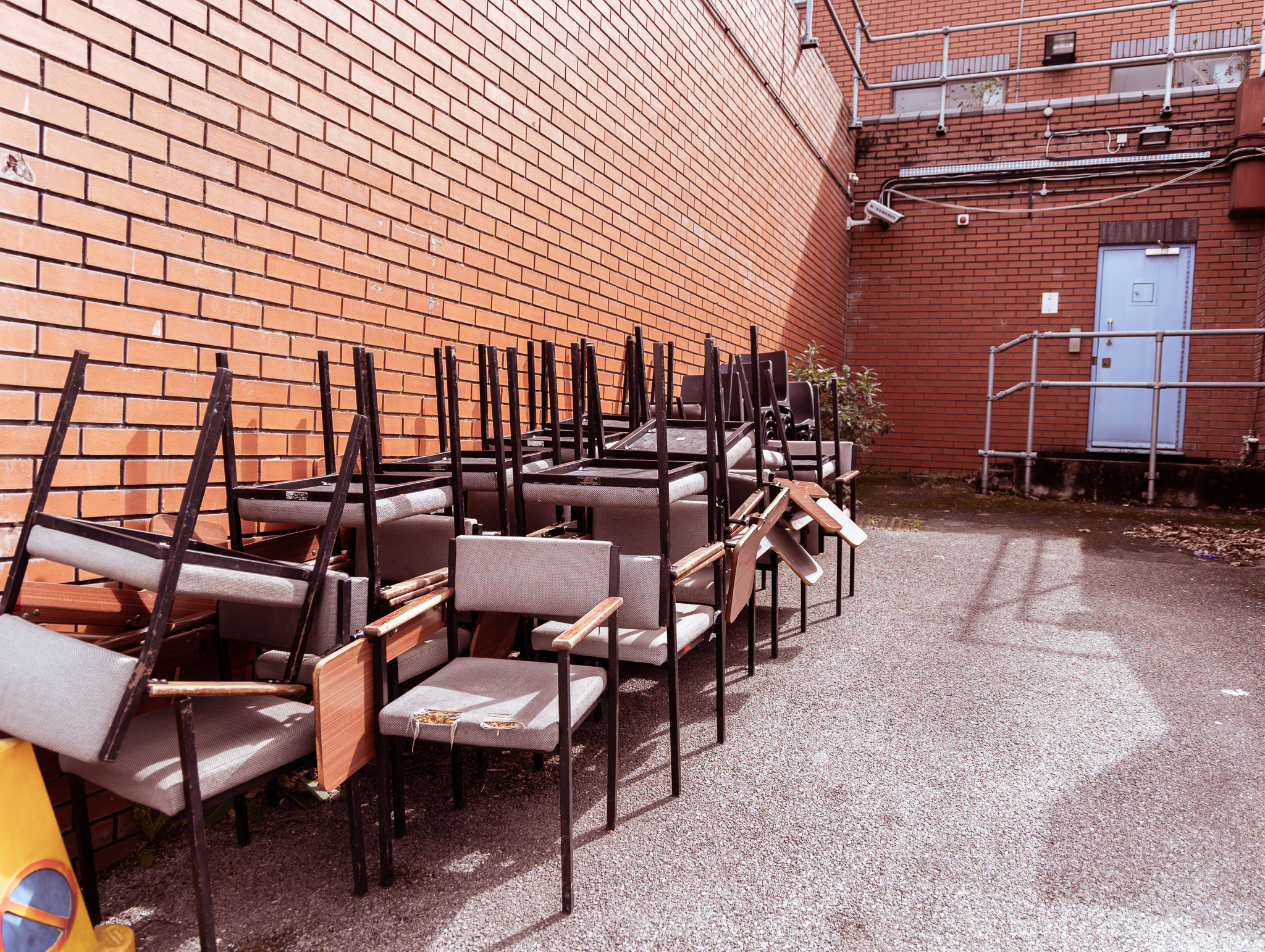
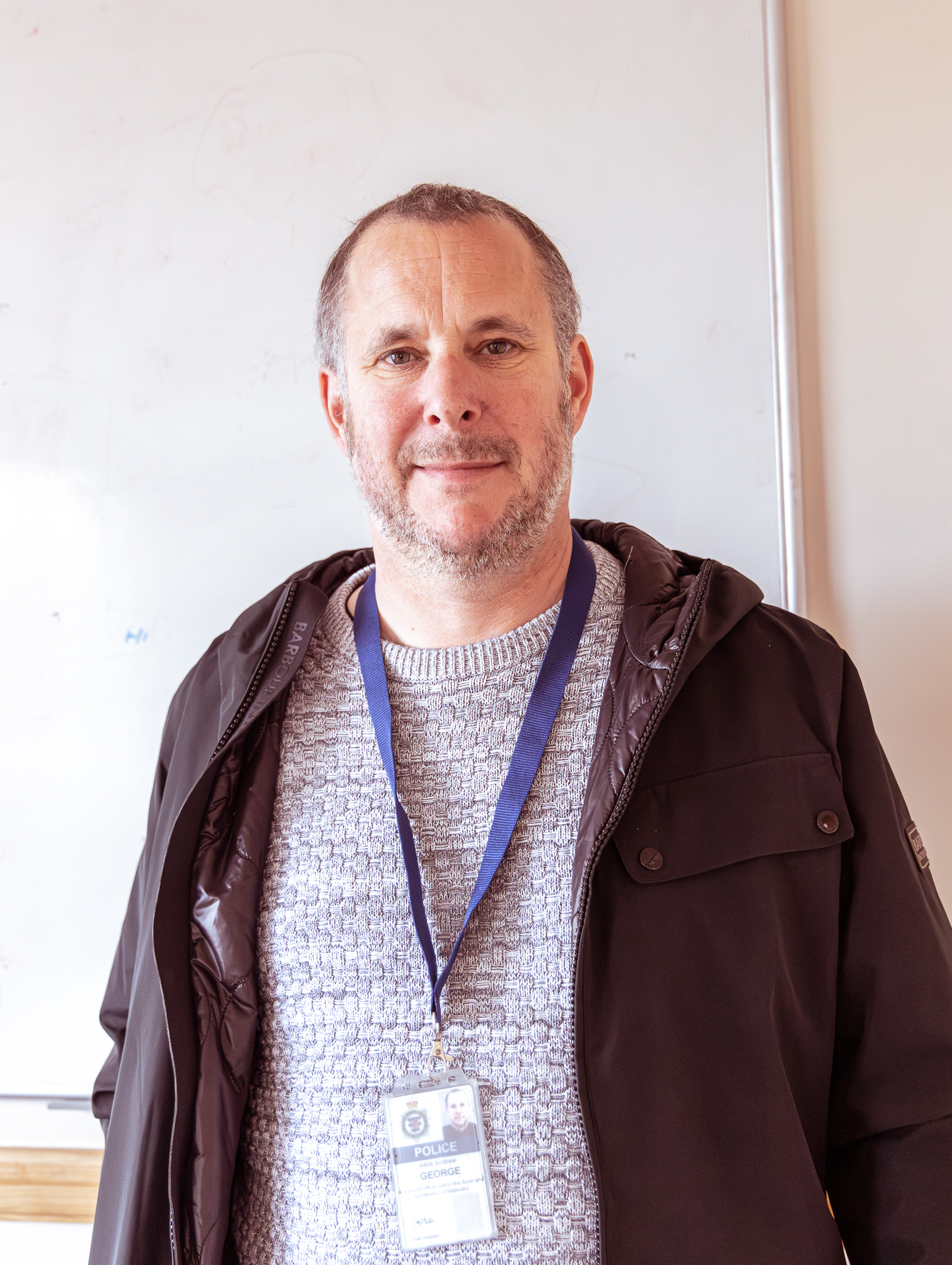
Before beginning this project, I did a bit of research on any locations that could provide me with stories about their history and cultural significance that would serve as future memories.
A former employee of the Trinity Road Police Station has provided me with information about it. I contacted her and requested more information.
After receiving the information, I drove to Trinity Road. However, I cannot access it because I did not encounter any officers inside, but a staff member advised me to contact 101 for more information on how to gain access. As a result, I dialled 101 and explained my purpose as a student in relation to the task.
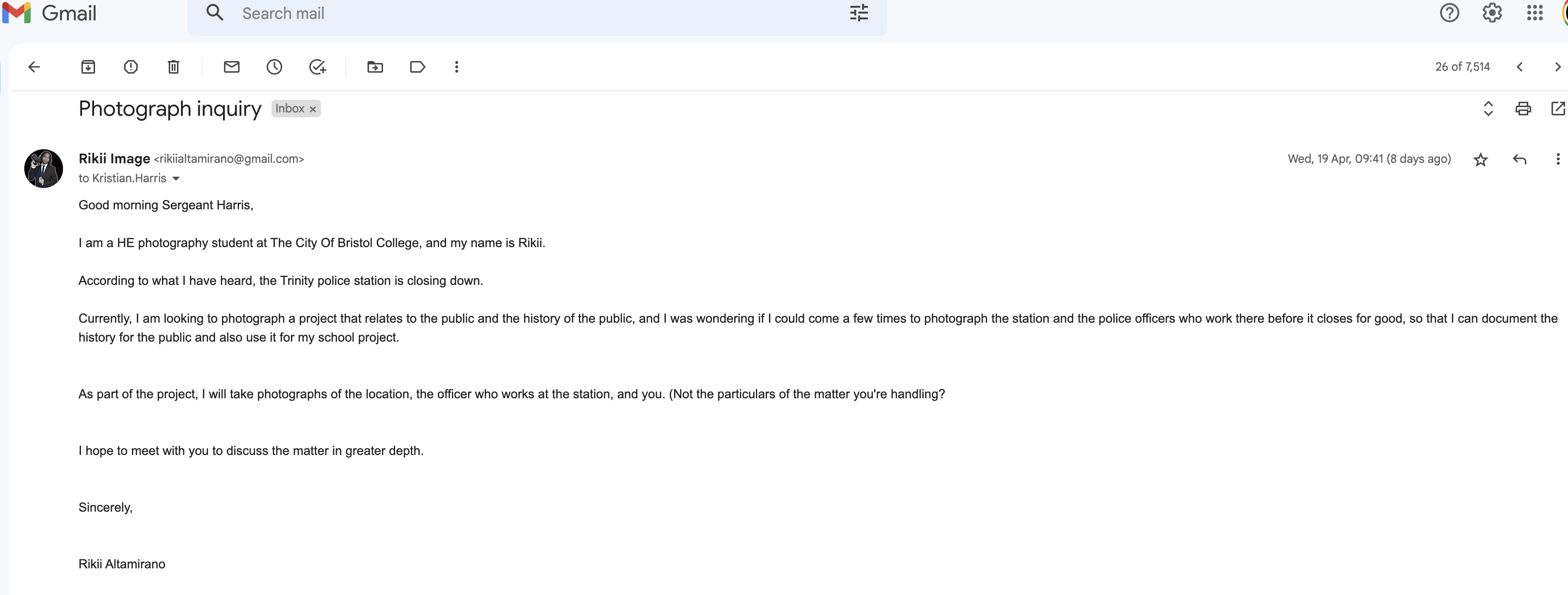
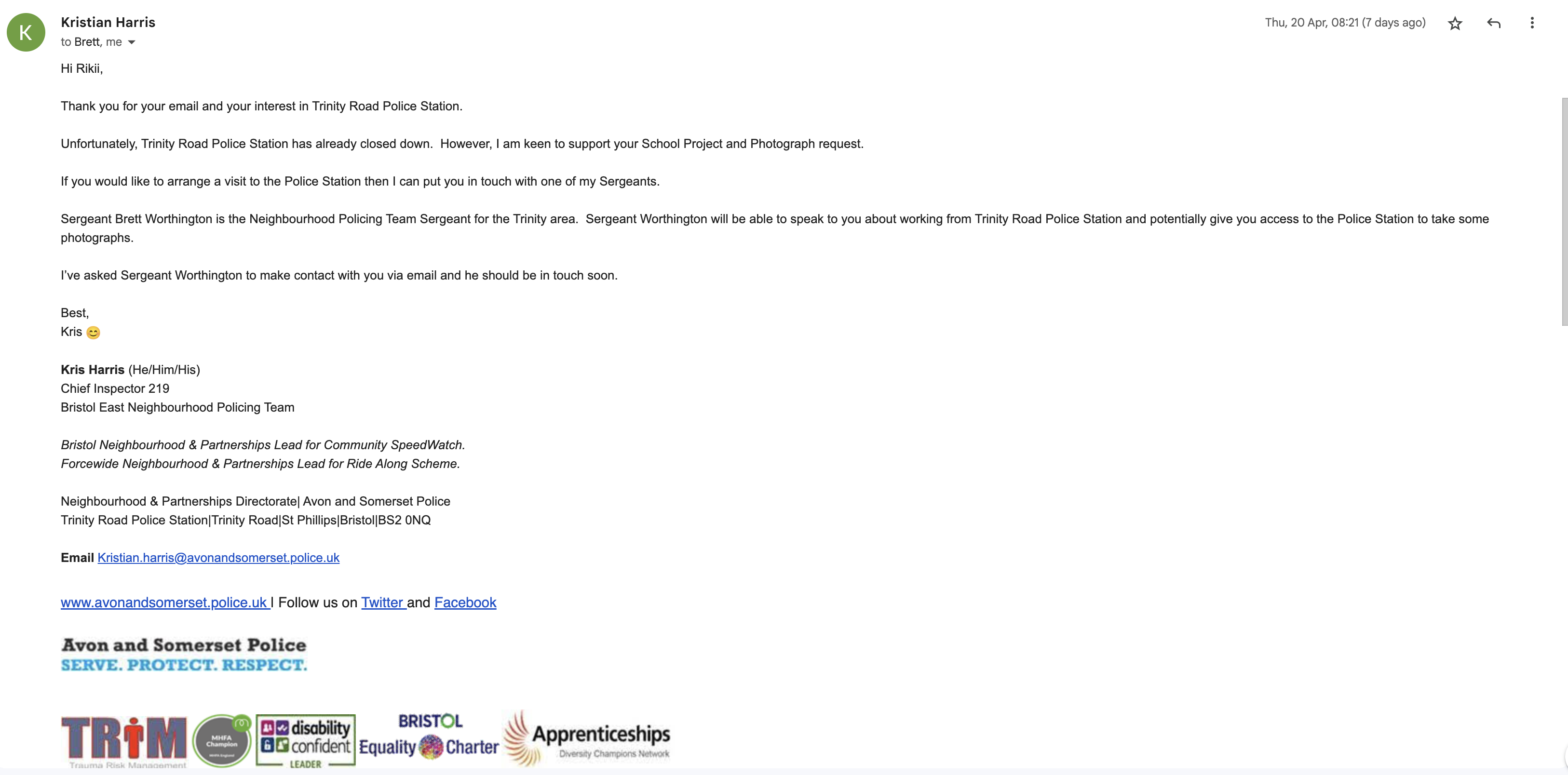
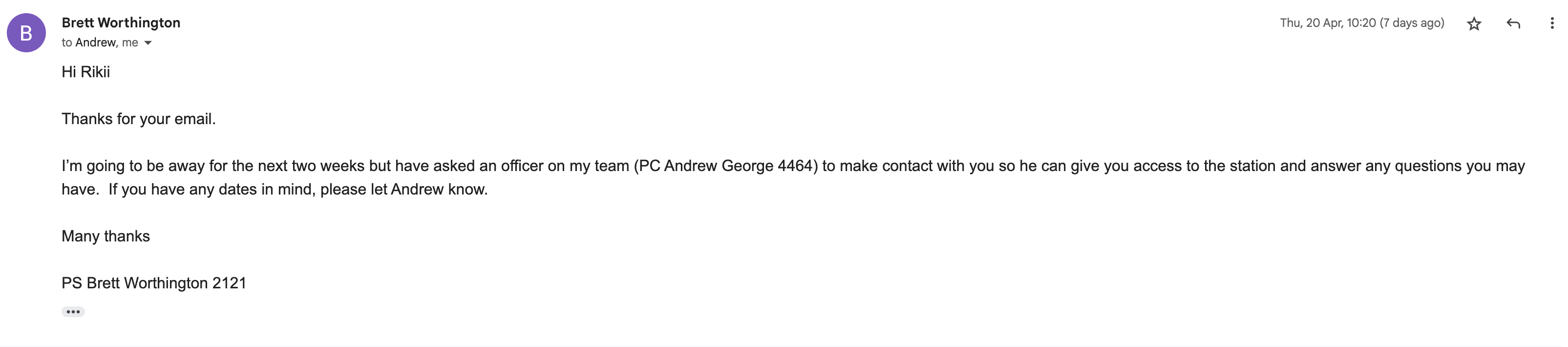
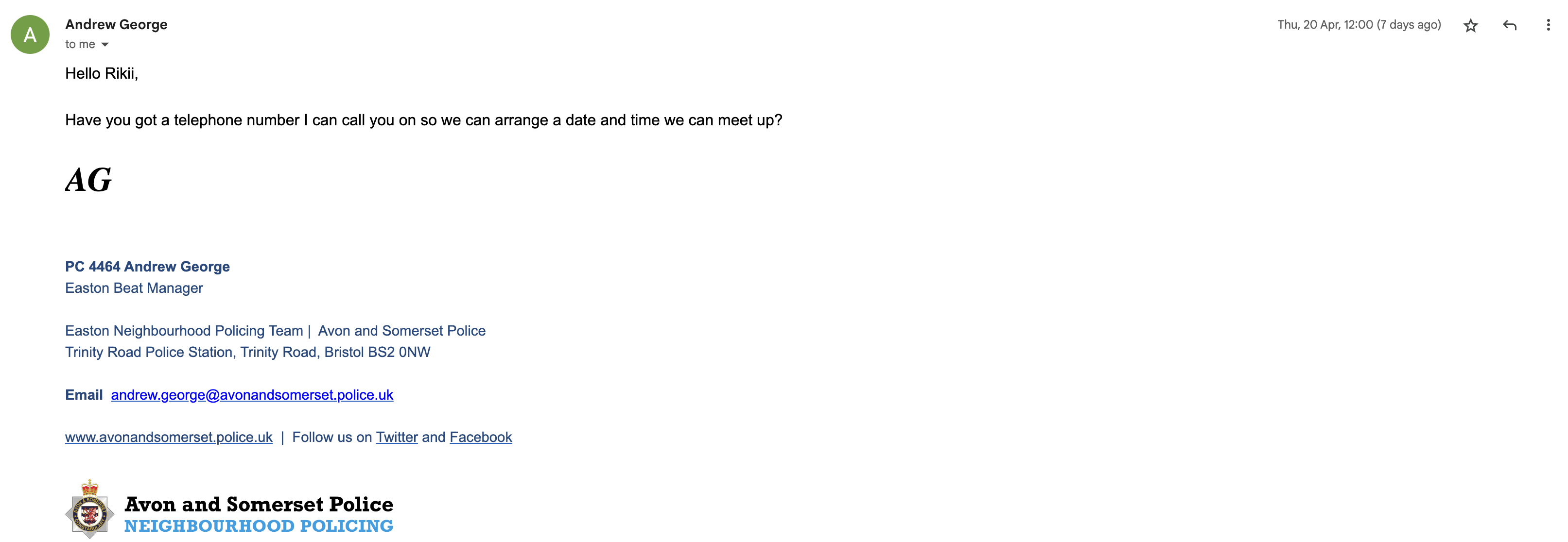
The individual on the phone gave me an email address, and I sent an email explaining my intention. After three days of waiting for a response, I received positive news that allowed me to photograph the prison.
Below is my email correspondence with the police officers during the negotiation.
My technique
I photographed the trinity road police station using only the EOS R and the RF 24-105mm f/4.0 lens, and only with natural lights, because I wanted to practise more how to control light with the camera alone in a circumstance where I have no external light support.
My only adjustment for this assignment engaged the shutter speed. My ISO and aperture remained unchanged because the room was very dense and partially dark.
NICK HEDGES
He photographed the story of poverty
After the death of Awaab Ishak, who resided in deplorable conditions, photographer Nick Hedges cautions that reprehensible images similar to those he captured decades ago could return, as the nation faces the largest decline in living conditions.
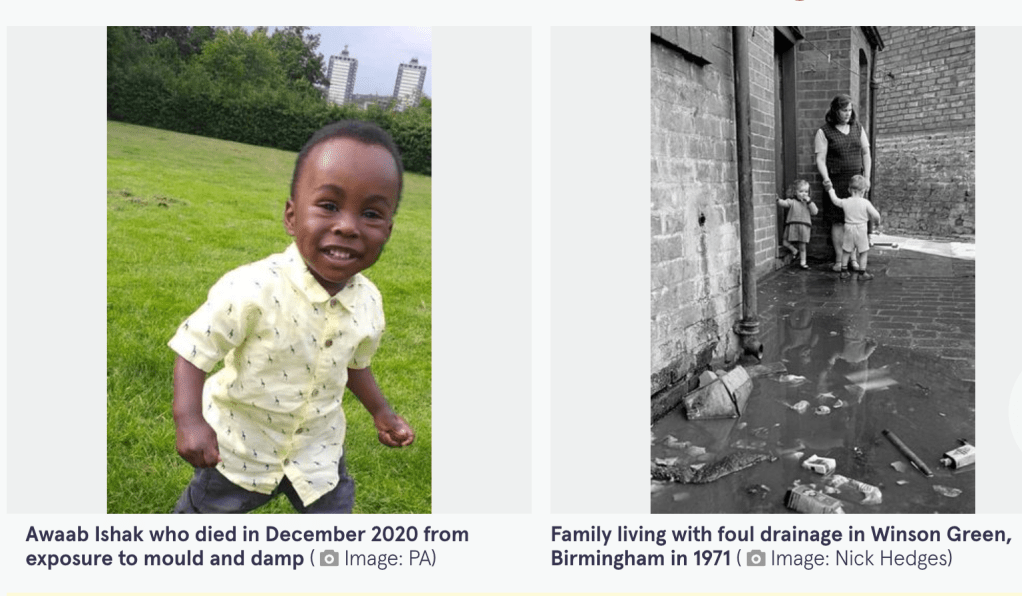
I could relate this instance to my current living situation because I have been in contact with social housing regarding the mouldy condition of my residence.
The following images were obtrusive, but that was life in Birmingham in 1965.
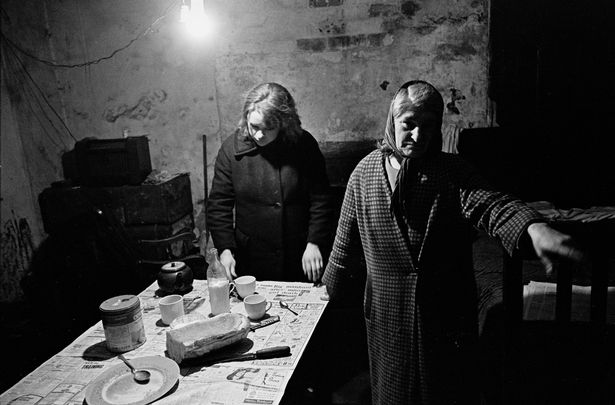
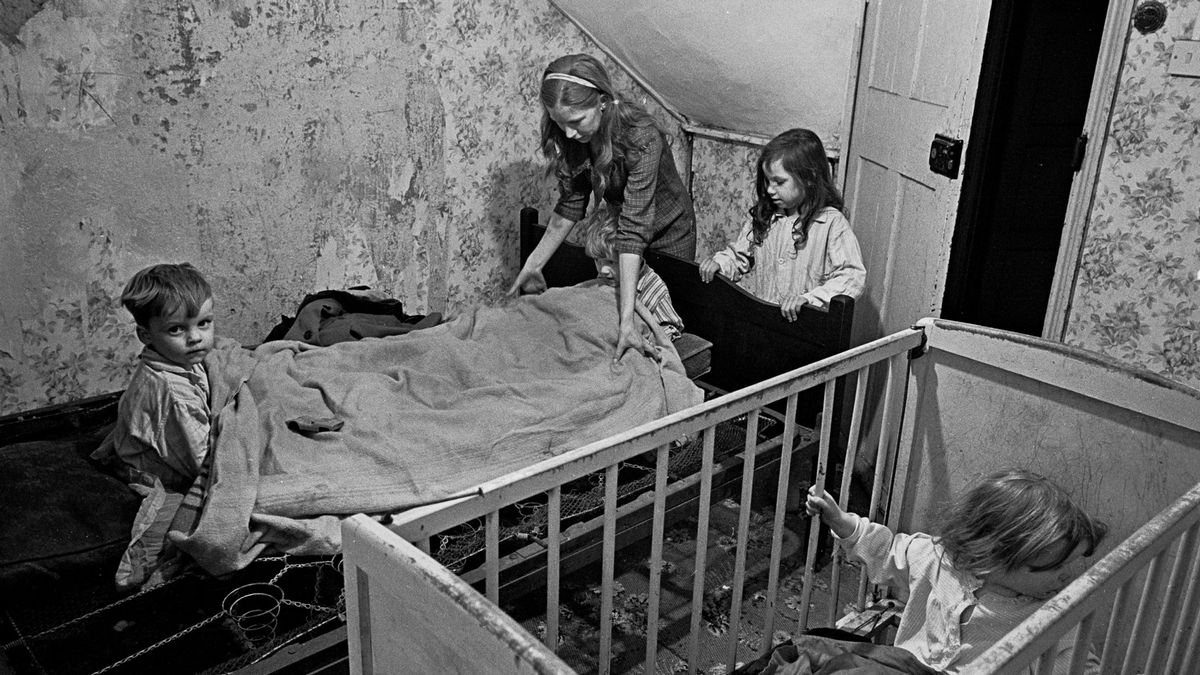
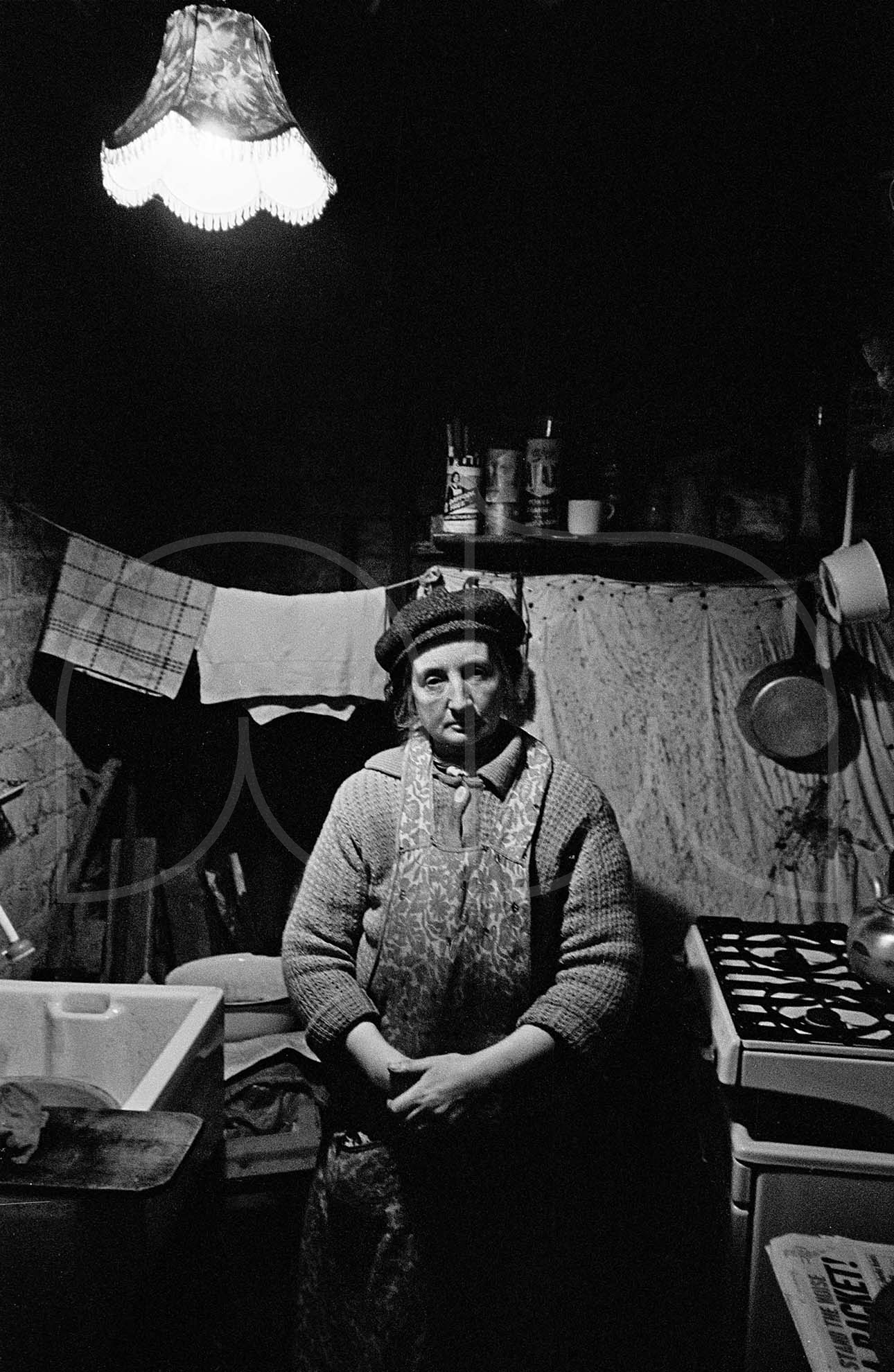
The depicted families were trapped in a never-ending circle of hunger, uncertainty, and frequent sickness. Their obvious despondency reflects the absence of any hope for an improvement to their destitution.
How did Nick Hedges p
“Families and the Interiors of Slum Housing”
1956, Nick was 24 years old when he photographed the assignment for his final college photography project in Birmingham.
I believe there was no digital camera available in that year, so he must have shot the assignment with a film-based camera.
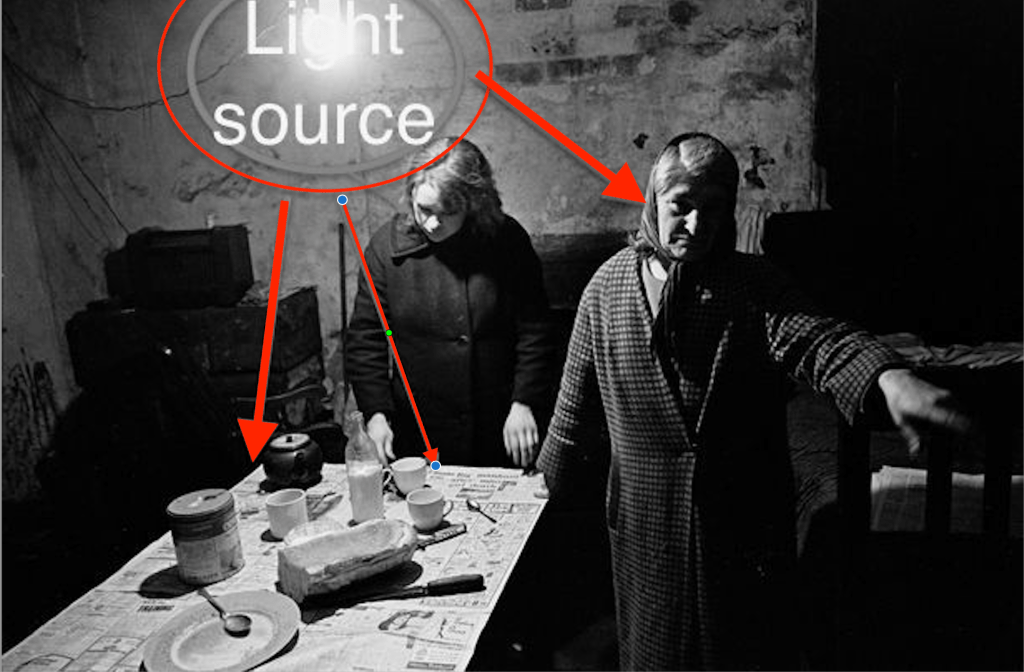
I discovered that his photography has always used simple, reliable equipment and a consistent method. He has used Leica M2 and M4 rangefinder cameras with 28mm, 35mm, and 50mm lenses, a Canon SLR camera with an 85mm lens, and sometimes a 200mm lens. He always used Kodak Tri-x 35mm film processed using a 1:1 Kodak D76 developer. He prints using unglazed Kodak WSG double-weight paper. He never used a lab to process his film and prints. He has never needed extra lighting because of this equipment and processing method.
How Nick Hedges shot the project “Families and The Interiors Slum House” back in the 60s:
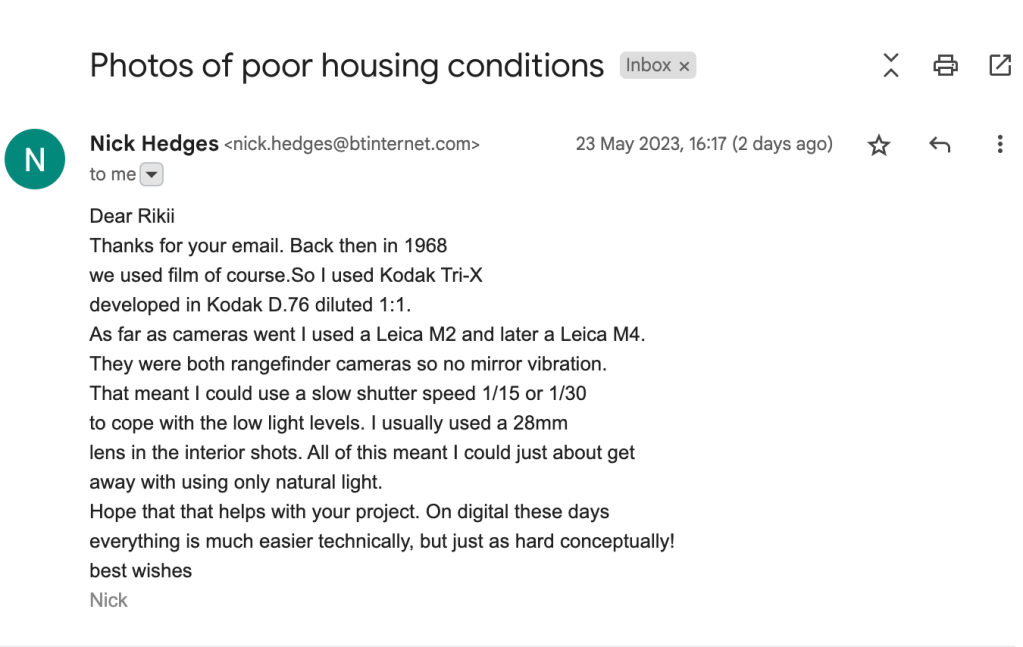
Learnt from what Nick described about how he shot with film, I can implement easily the technique with digital that has massive ISO.
PRODUCTION
RISK ASSESSMENT-LOCATION PHOTOGRAPHY
In my independent investigation with the Trinity Police Station, I discovered the technical challenges I will encounter during my location photograph. Due to the fact that my photoshoot is currently occurring during my journey, I constructed my risk assessment with a little extra consideration.
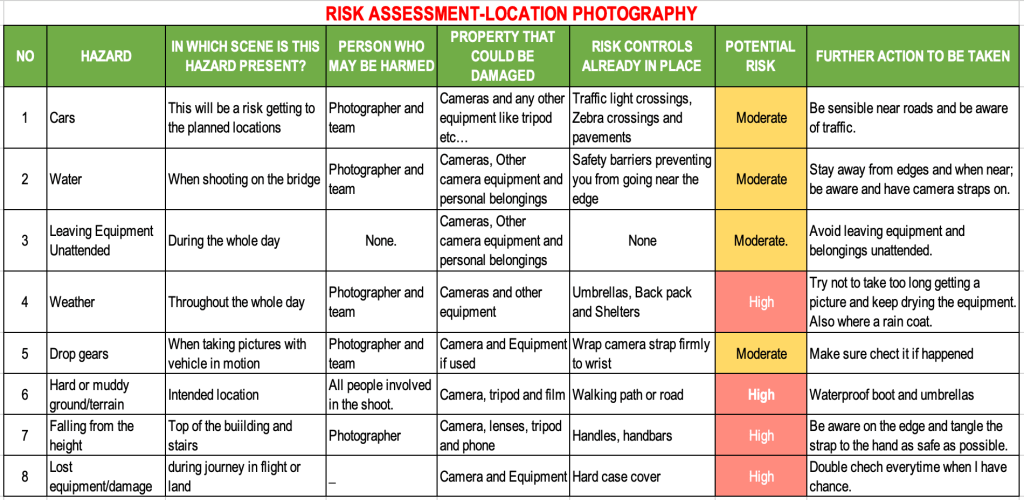
I also prepare the risk assessment of traveling to my destination country.
Here is the following risk assessment:

With this risk assessment, I believe I can successfully complete this project. However, I have a backup plan by contacting a friend in Timor-Leste in the event that I require additional assistance with defective equipment during my shoot in Timor-Leste.
CONTACT SHEETS
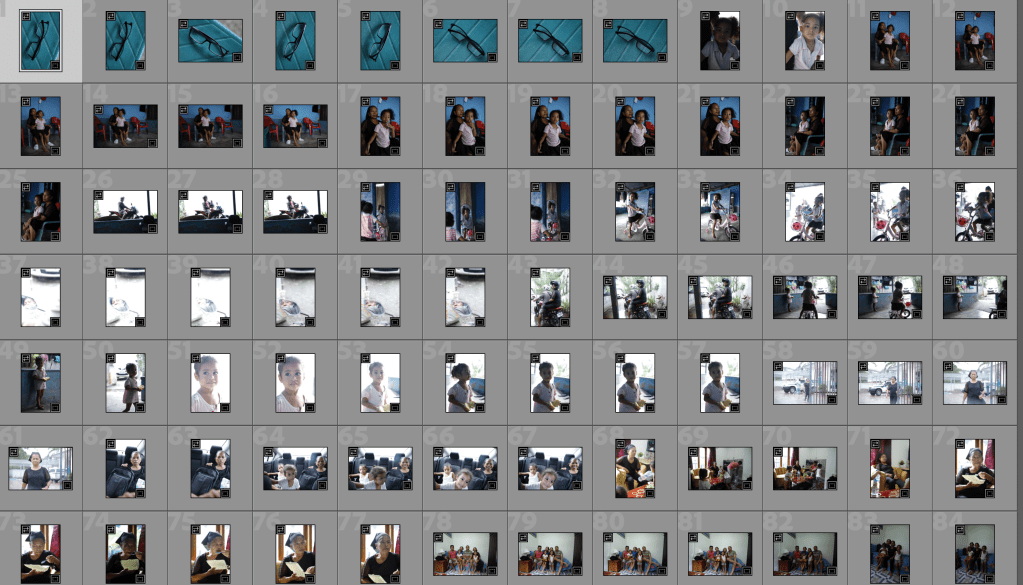
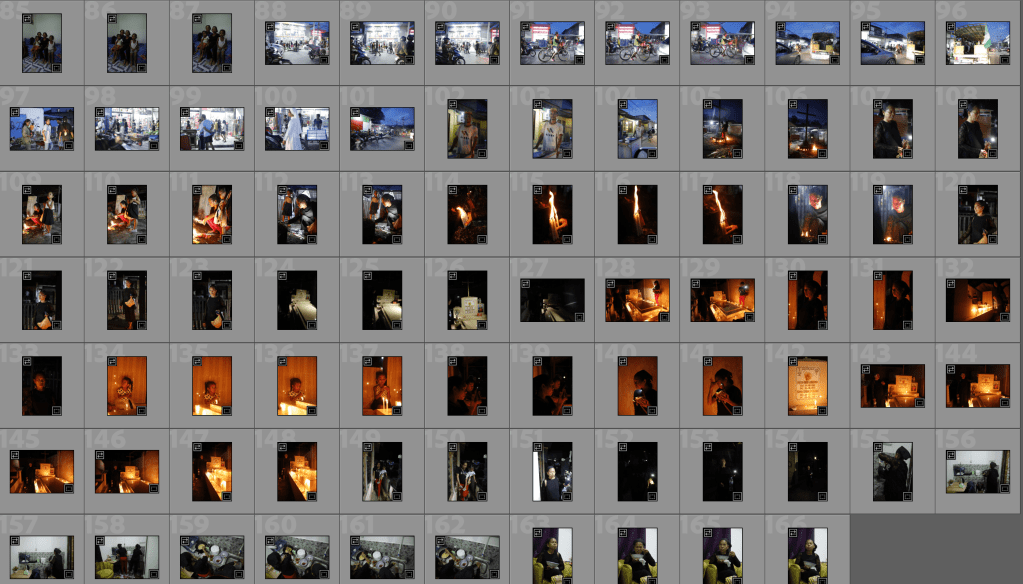
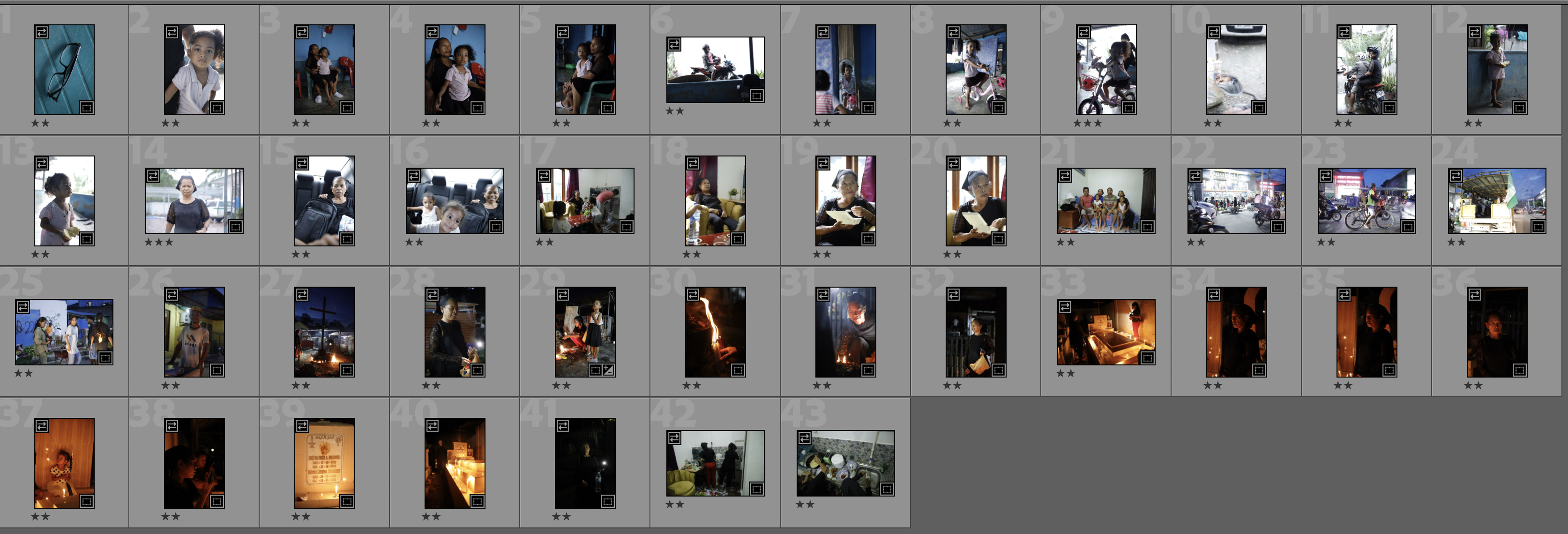
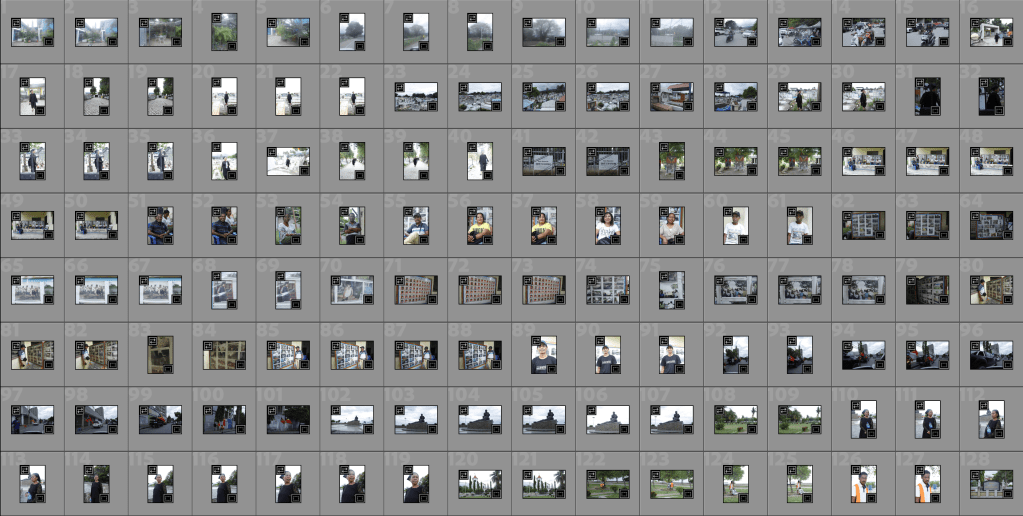
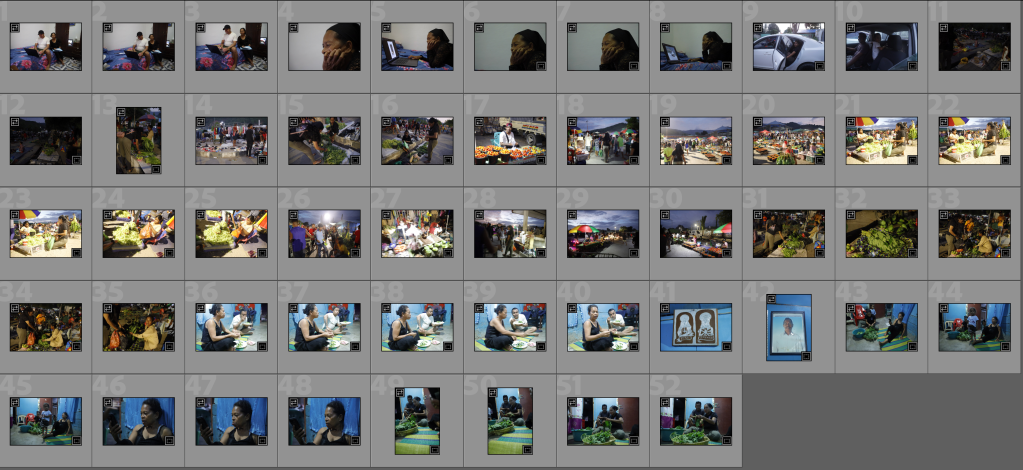
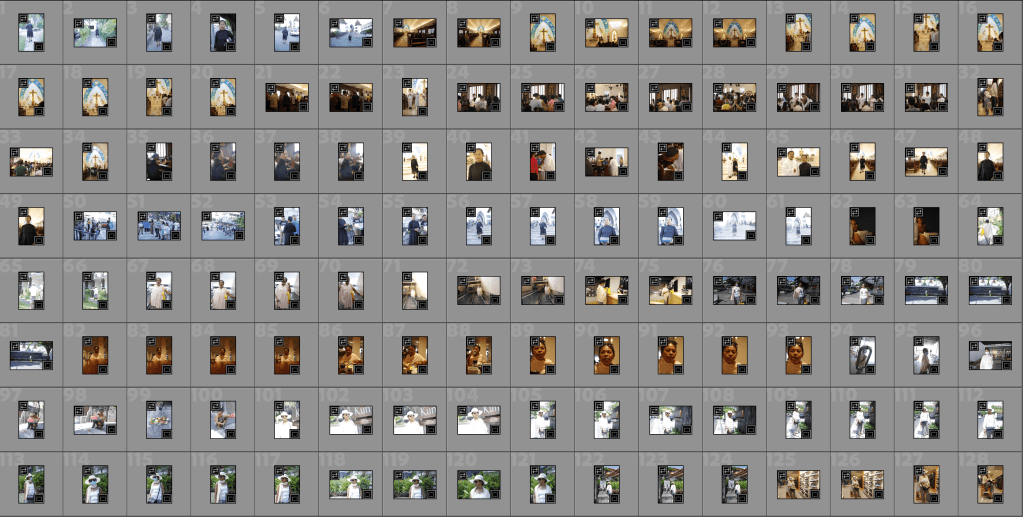
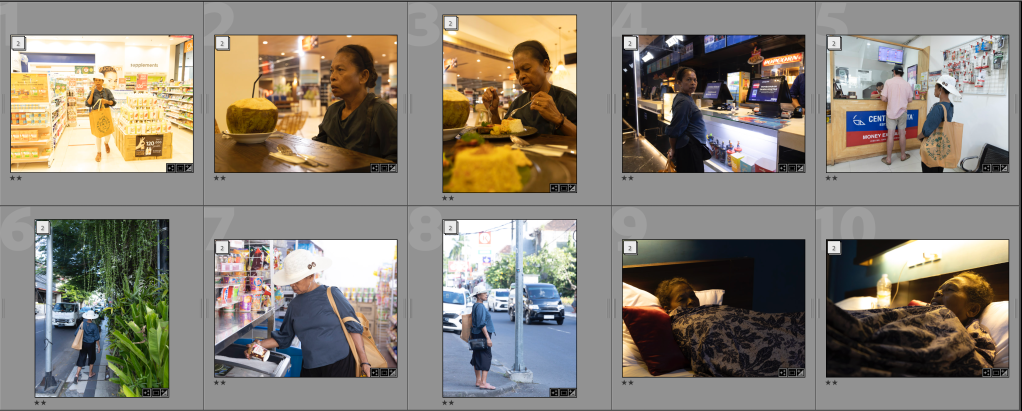
This section contains photographs I took of my mother during my time in Timor-Leste and on the journey to Bristol, United Kingdom. All are presented in little thumbnails as part of the production process to the final images at the end.
Day 1 (We met at the airport and then had lunch).
On my first day in Timor-Leste, I surprised my mother at precisely 12:30 p.m.
At the airport, she was startled to see me standing in front of her. We embraced naturally, just like a “prodigal son.” After approximately 15 minutes drive, we went directly to the restaurant for lunch and to continue our conversation.
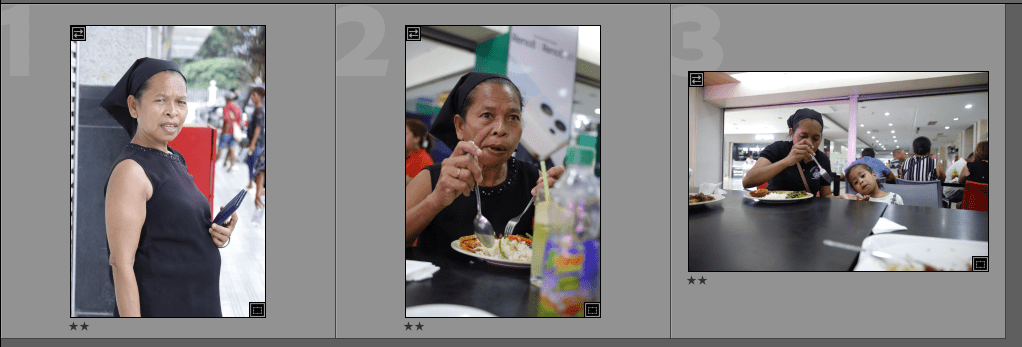
I was unable to take many photographs on this day due to the large amount of luggage and other items that I was carrying. However, I did manage to take a few photos to test the camera and gauge her reaction.
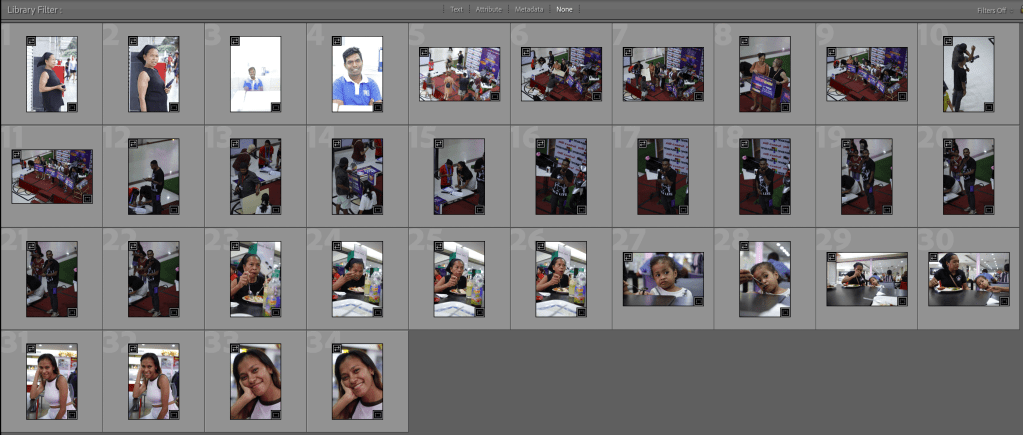
My mother does not enjoy being photographed, so only a few of these photographs feature her. I was practically aiming at her while she was unaware.
Here are a few images that I like.
DAY 2 (WE MET AT THE AIRPORT AND THEN HAD LUNCH).
I began my day by playing with my nieces because my sister had to go to work and I was staying with them while my mother went to the hospital with my brother-in-law to have her eye examined.
After that, my brother-in-law returned, and we all went to the hospital to pick up my sister and then my mother. Afterwards, we all travelled to my residence. Prior to that, we had to order takeaway lunches for ourselves at my residence.
After lunch, my mother returned home, and I took an afternoon nap because I am still experiencing jet lag and my sleeping schedule had not yet adjusted to the local time.
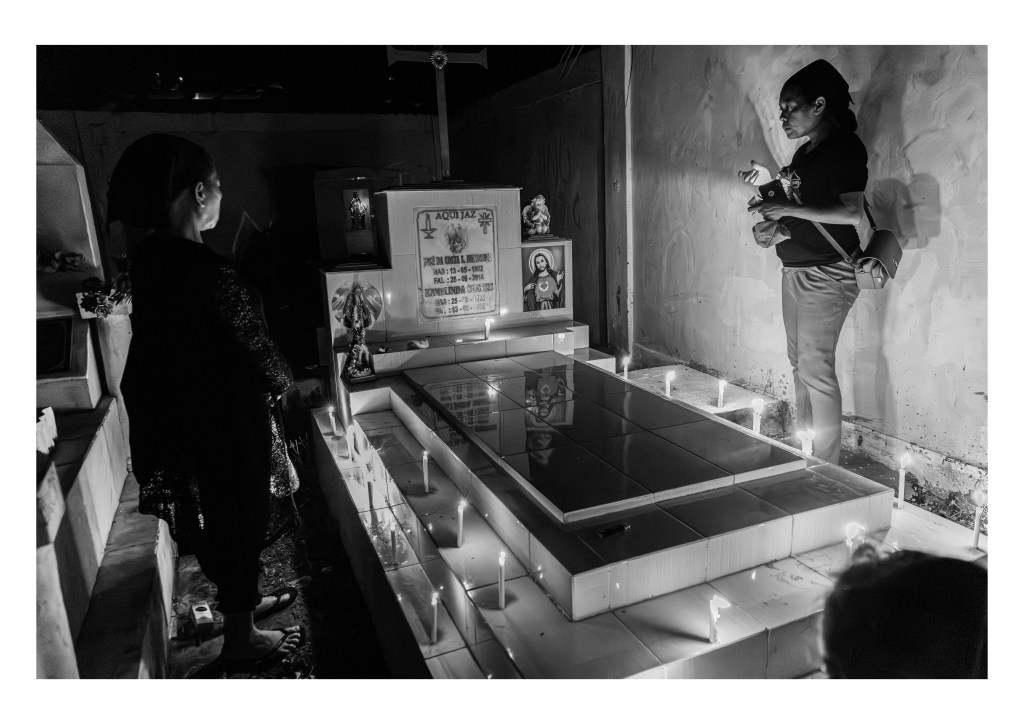
At 5 p.m., they returned to get me up so I could pay my respects to my late father, who passed away several years ago.
The following images were selected from my contact sheet on the second day.
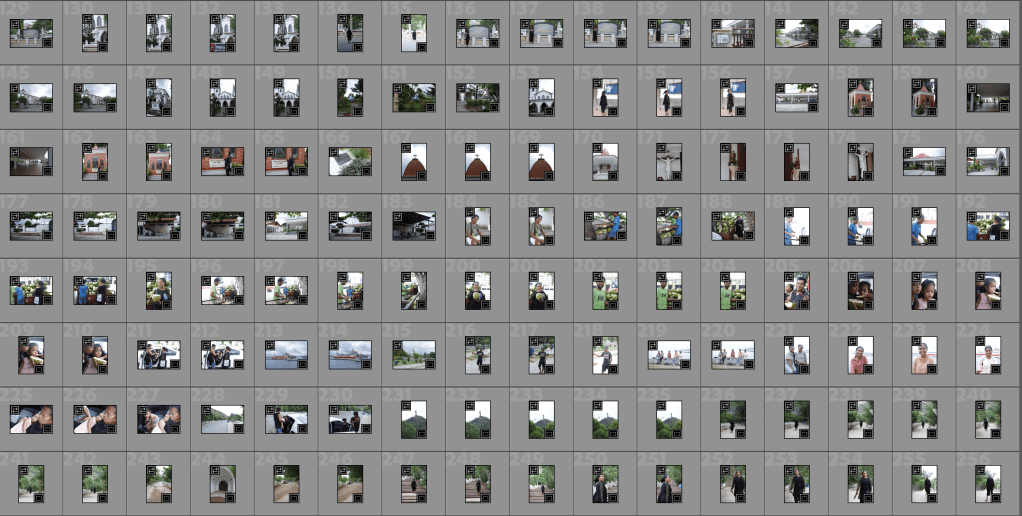
DAY 3 (visited places).
We began this day after lunch.
After I informed her that I would be bringing her with me, she was ecstatic, but she expressed her sadness at leaving behind church activities, My mother is a Christian and also serves in the church. Living her ancestors’ monuments, and other locations that will provide her with future memories is a big deal for her to think about.
During this half-day, I observed her and documented her responses and emotions.
We visited 4 locations.
Following are the images that I like about our day 3 out.
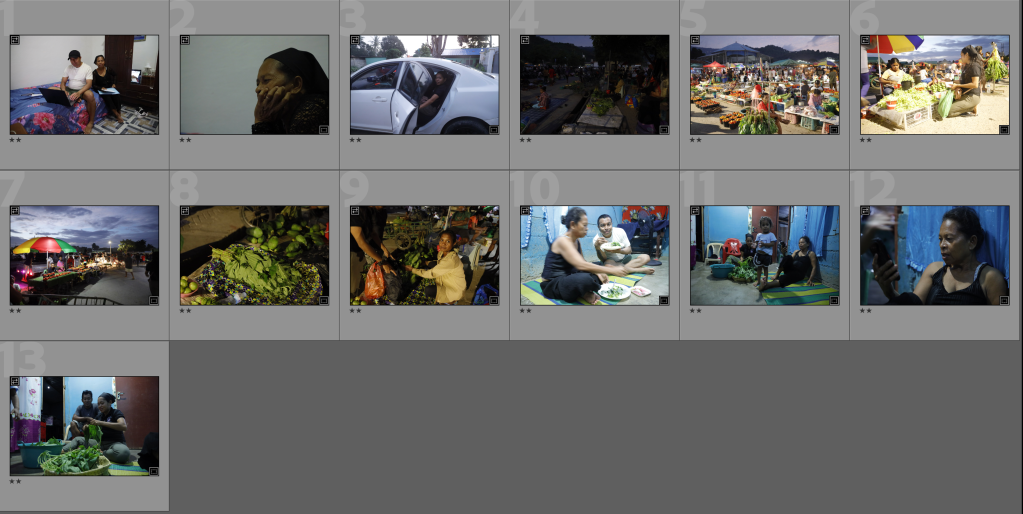
DAY 4 (visited traditional market).
My mother and I spent the day together at my residence. As stated previously, my mother and I have never had a heart-to-heart discussion. However, today we are nostalgically laughing, and cheering about old memories that occurred many years ago while looking at photographs on my laptop and she also looks at my previous work at my residence. I am thrilled to tell her every detail of my life story.
Then, she asked my sister to come to bring us out and we went to the local market to purchase fresh vegetables for our dinner. I can confidently state that today is one of the greatest days of my life, and I look forward to many more.
Here are my favourite images of today.
Day 5, Last day at timor leste
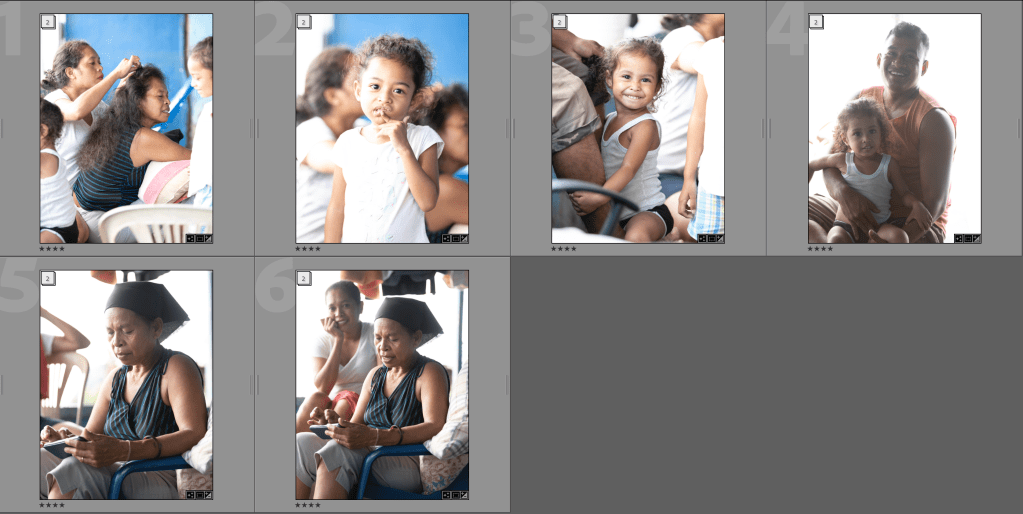
Today I went to my mother’s house and spent time with her and her loved ones to see how they are doing. As is typical for Timorese people, the ladies sat down and gazed for head lice as a way to socialise.
I took numerous photographs before arriving at my mother’s home. Therefore, please ignore them as they contain unnecessary content.
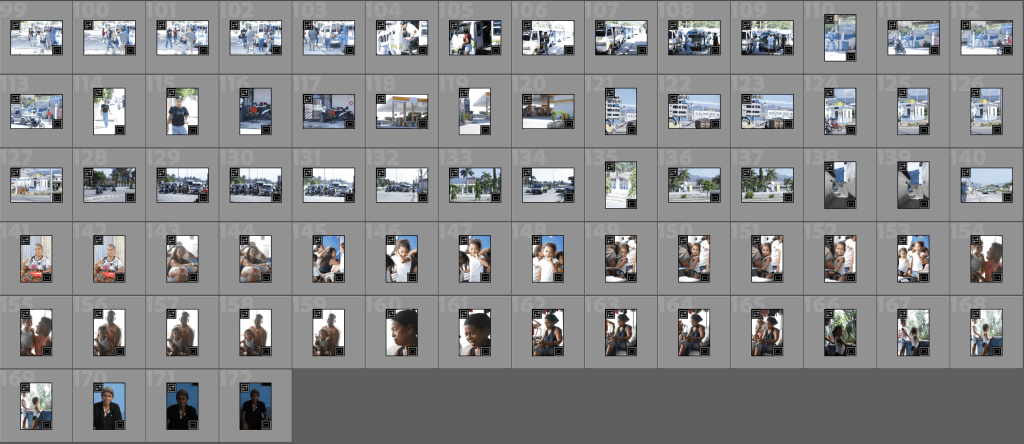
I had the opportunity to photograph my mother, and I believe that this will be a moment that they will miss in the future.
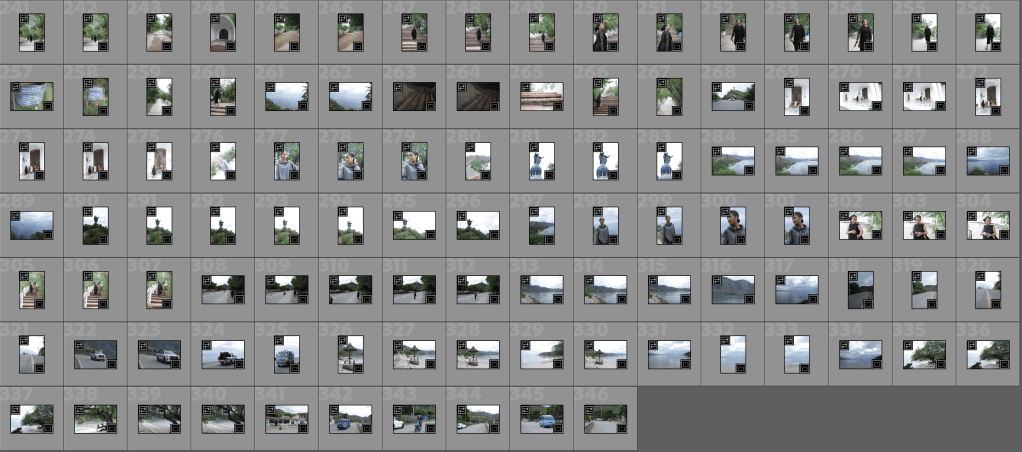
Day 6 from timor leste to Bali
On day six, we will be travelling to the airport.
We began the day by visiting my father’s grave to say farewell and pay my final respects during my time in Timor-Leste. I am sure my Mother will miss him tremendously because she visited his grave every weekend, and now she will miss him greatly. My Mother said to my Father at the cemetery, “Please stay here with your daughter and assist her in caring for your two granddaughters. I will be travelling to England and will care for our three granddaughters there. We all must now fulfil our responsibilities as protectors of our grandchildren.”
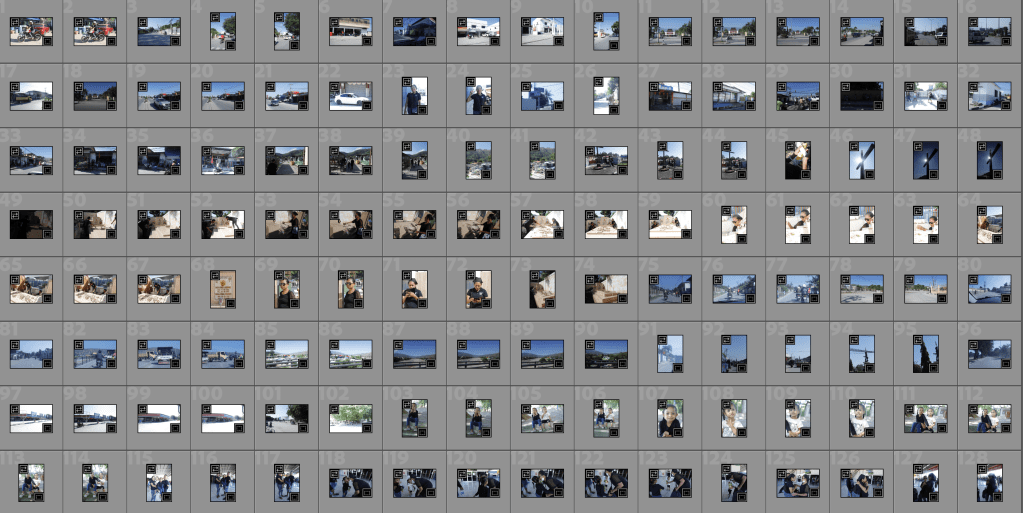
I took many shots during our journey from my home to my father’s grave and then to the airport until our arrival at Bali Airport, Indonesia and our hotel room there.
Here are my favourite images, some of which I personally believe are suitable for my task at the end.
Day 7 from Timor Leste to Bali
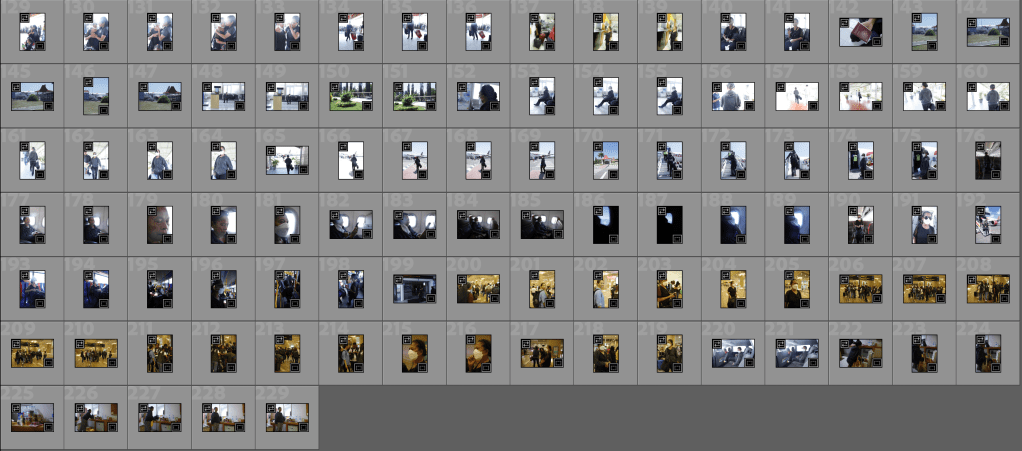
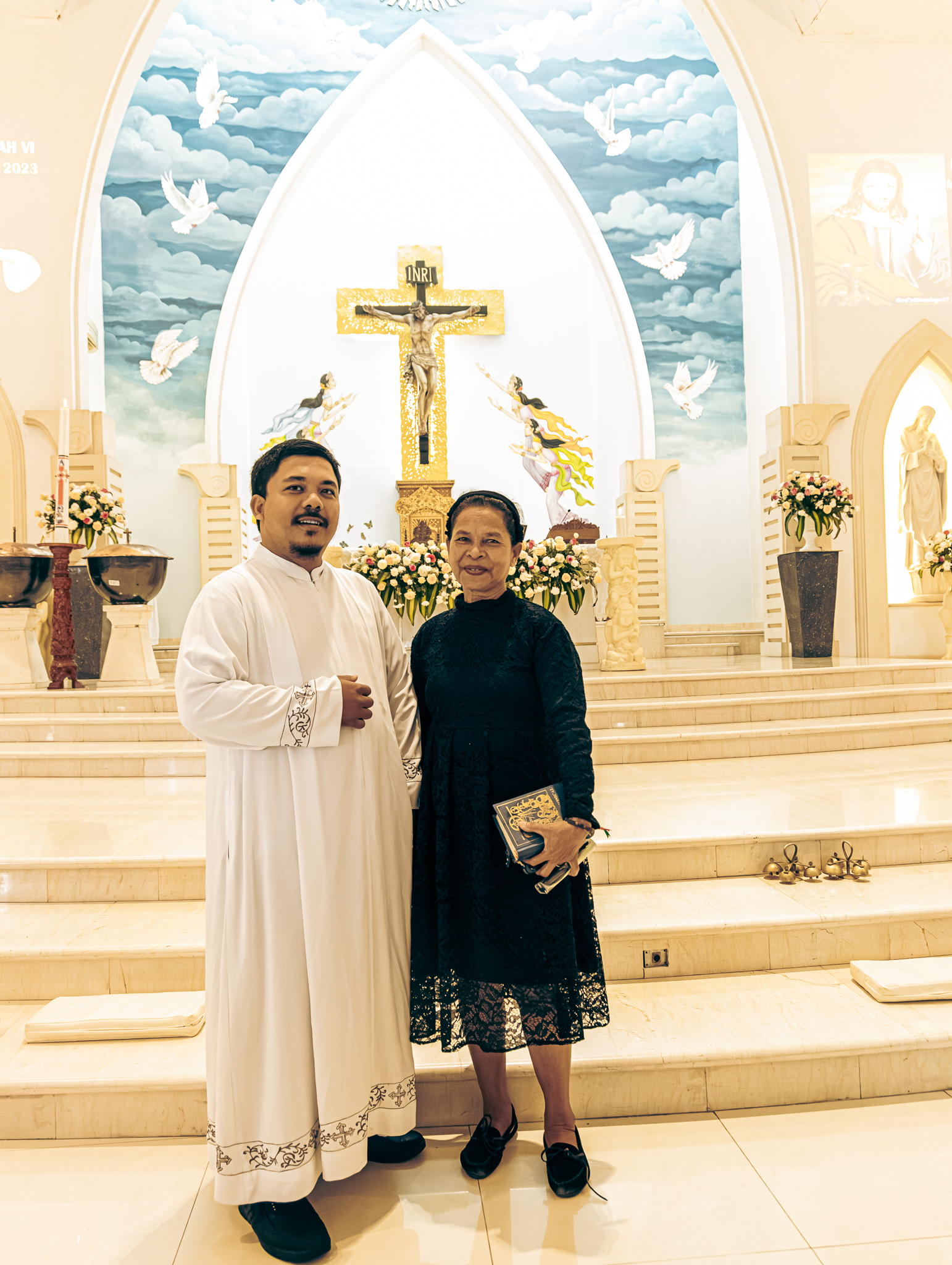
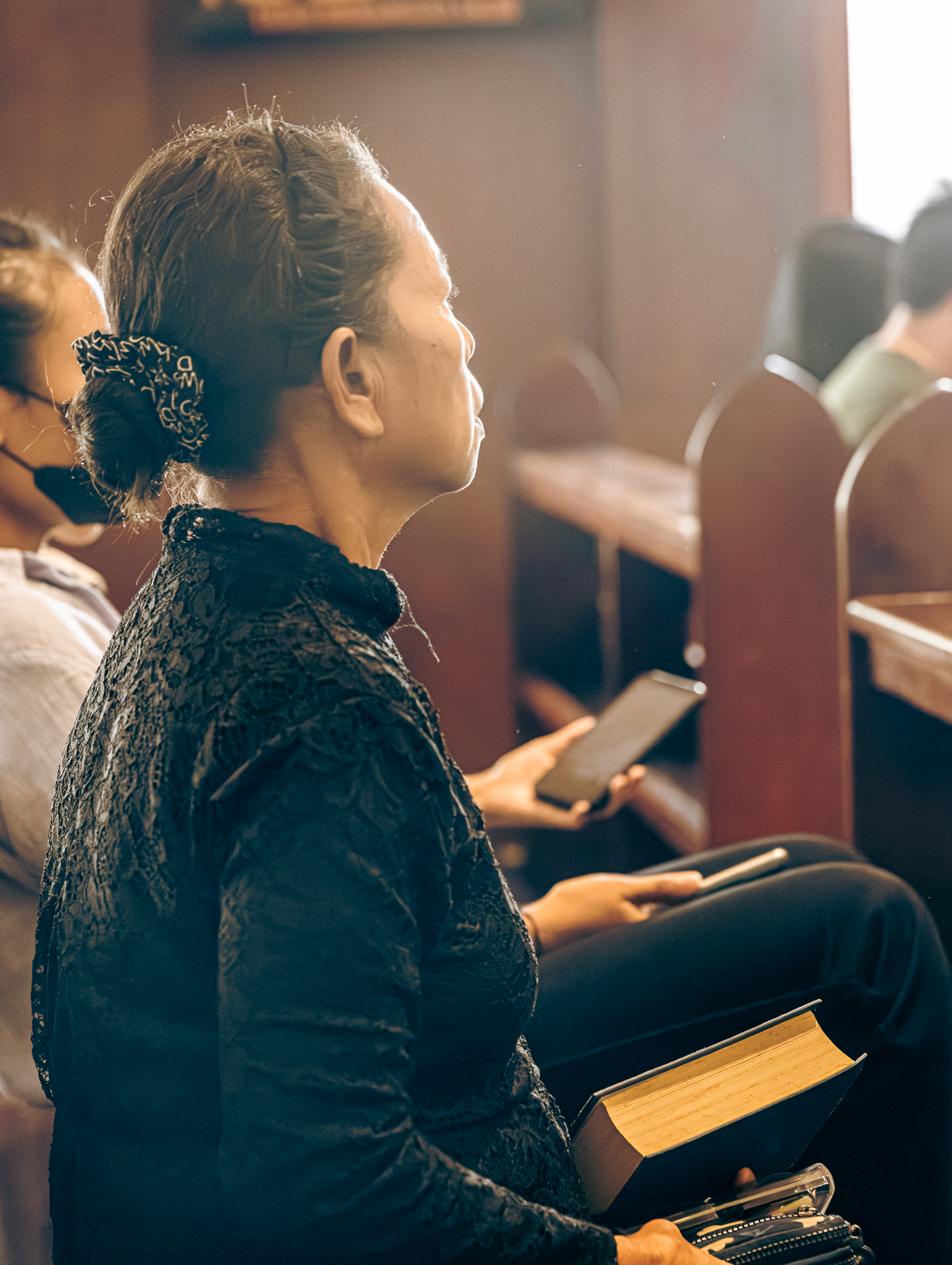
As previously stated, my mother is a Christian Catholic, so I accompanied her to the nearest church early on Sunday to attend Mass.
I was not planning on attending services. Due to the fact that I had not been to church with my mother for an extensive period of time, I decided to enter the church and record the story of my mother praying inside the church.
We ultimately returned home to recover despite the fact that my mother’s ankle is not appropriate for extensive periods of walking.
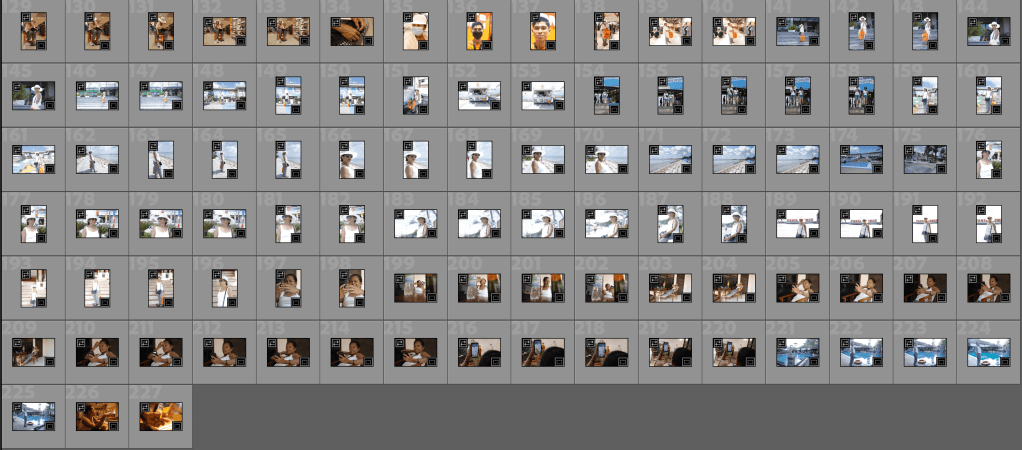
While returning home, my mother called my sister to find out about their well-being, as she and my sister have never been apart in their lives.
After my mother felt significantly better, we went to find food, took a brief walk to enjoy the outdoors, went shopping, and terminated the day with dinner at a hotel restaurant.
My mother got adapted to being in front of the camera as a result of my constant presence with a camera and my explanation that the purpose of my project is to document her journey as well.
Here are the photographs that I have marked as my favourites for that particular day.
Day 8 from timor leste to Bristol
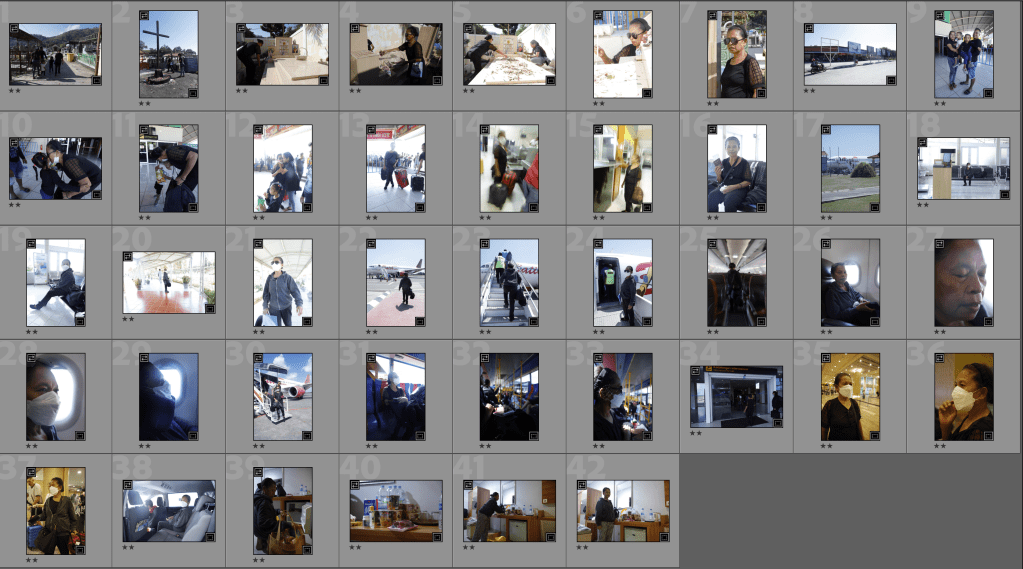
Today we went out to get some medication from the pharmacy, went to the movies for a little bit of entertainment, had lunch, and then tried some street food to bring back a memory of my mother, who used to eat street food from Indonesia many years ago called “Mie Ayam” (Chicken with noodles).
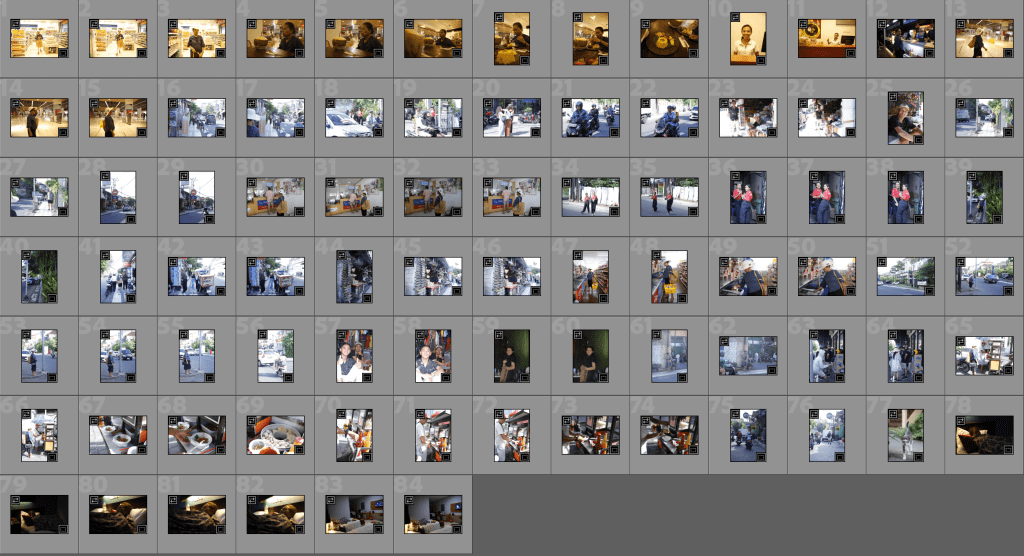
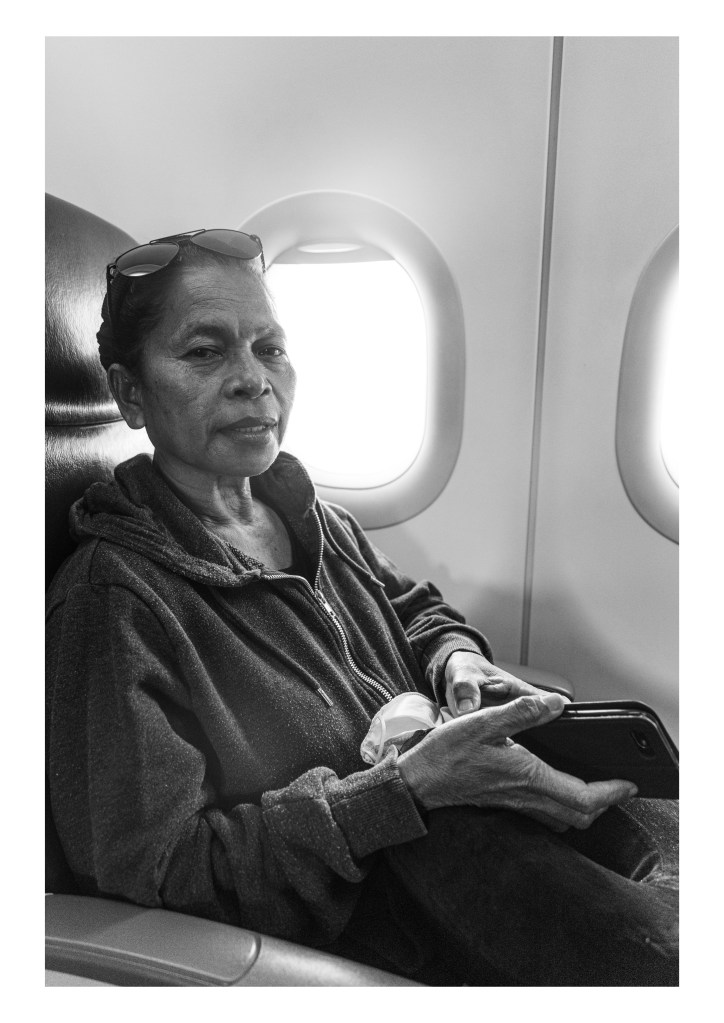
Outdoors, the average temperature for Timor-Leste residents is between 31 and 37 degrees Fahrenheit, while the coldest temperature indoors is 16 degrees. Therefore, I photograph the condition of my mother, who isn’t used to the cold weather (I attempted to simulate the weather of England by increasing the air conditioning to 18 degrees so that her body would not be shocked when she arrived in England during the last two nights of her stay in Bali).
Here are some of my favourite photographs that I took during our day out.
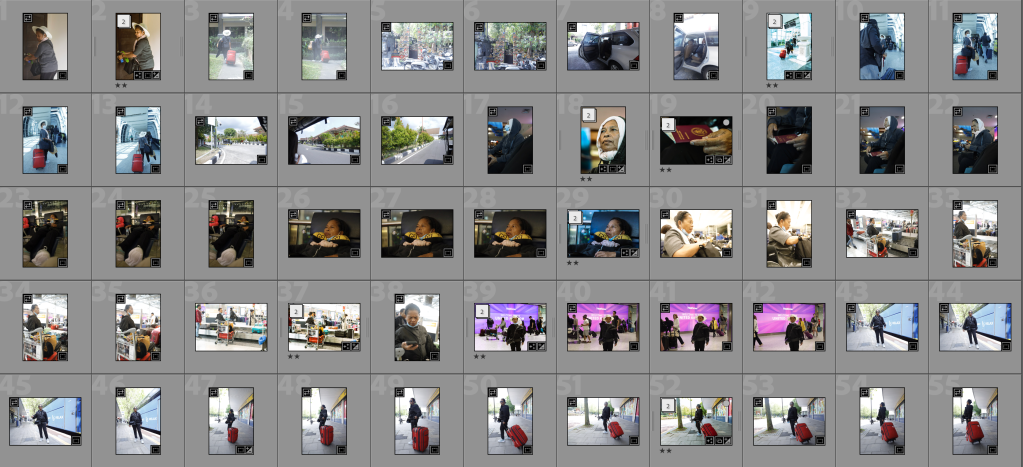
Day 9 Welcome to Bristol
After a flight of eighteen hours from Timor-Leste to Bristol, I have to welcome my mother to Bristol officially on May 18, 2023.
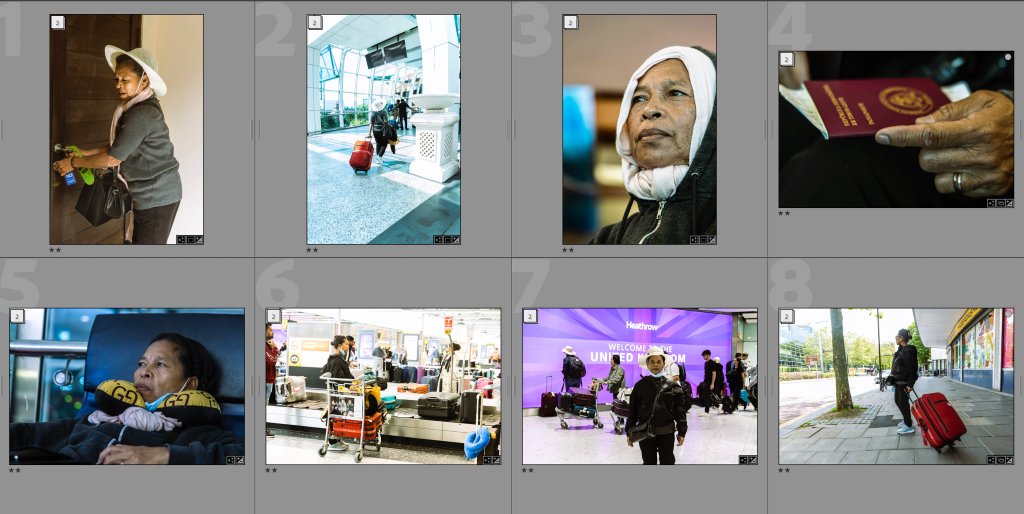
Here are my favourite photographs from this contact sheet.
TECHNIQUE AND MECHANISM
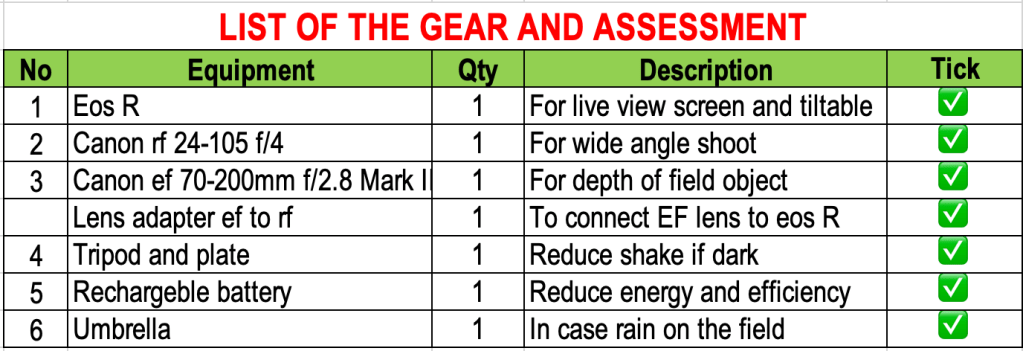
Here is the equipment that have utilised for this project, which is identical to what I used for my previous project on the “Climate Crisis” because it involves being outdoors with the proper equipment.
I consider this project very limit my movement during the photography session on my trip. some of the areas I was not allowed to photograph like the Airport near the security area in the hospital because of security reasons as well.
For the reason I mentioned above, most of the time I shot with a kit lens RF 24-105mm f/4 so I can zoom in and zoom out in a small room or small space.
I shot with natural light because this trip is really tricky for me to shoot and look after y mother at the same time, I scanned for sources of light around the subject and adjust my ISO from 400-1600 ISO (for my shutter speed, most of the time stays at 125 and my aperture always move between f/4.0-f/7.1)
I shot handheld without a tripod as I am always moving around limited space.
Colour Grade
Canadian photojournalist – “When you photograph people in colour, you photograph their clothes. But when you photograph people in Black and white, you photograph their souls!”-Ted Grant
I agreed with Ted Grant because my project is about leaving the old memory and stepping into a new life in a new complete environment. In my project, my mother is telling me about her old memory and visited all her routine favourite places before she came with me.
I chose black and white to photograph her with the memory that she left behind.
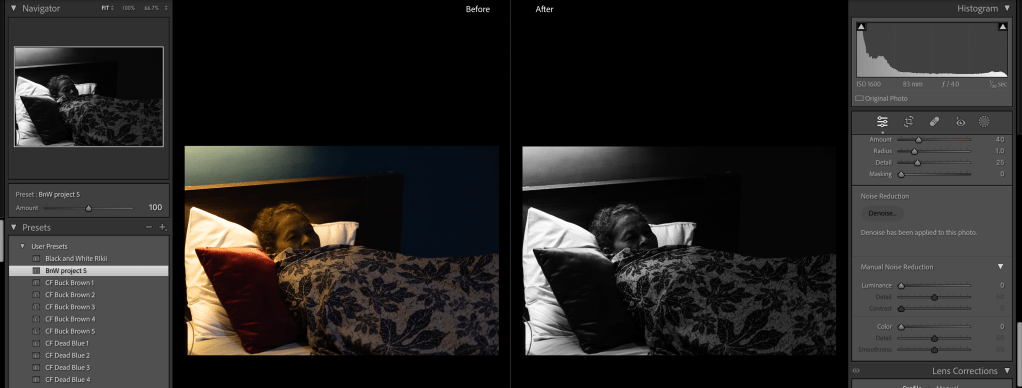
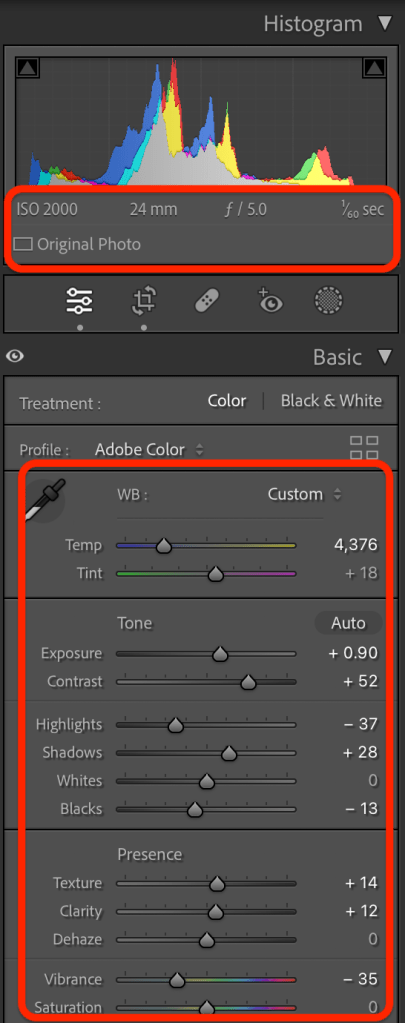
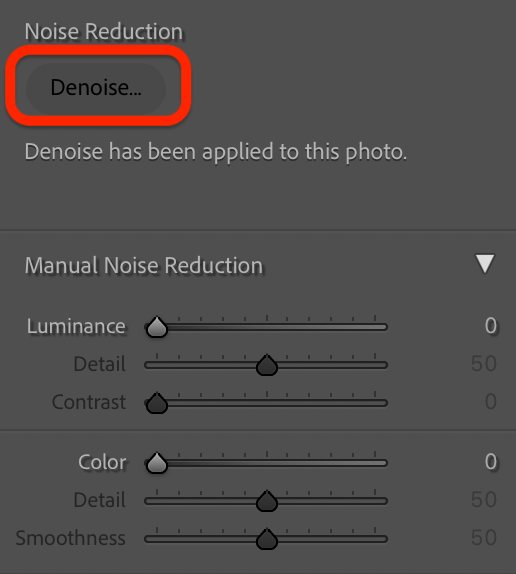
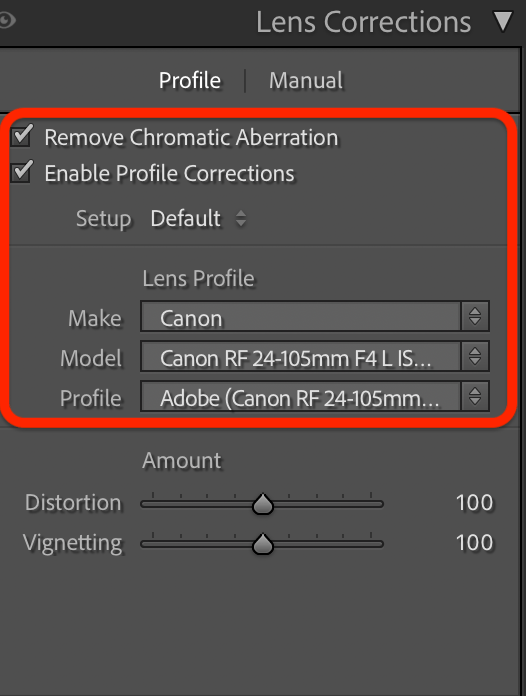
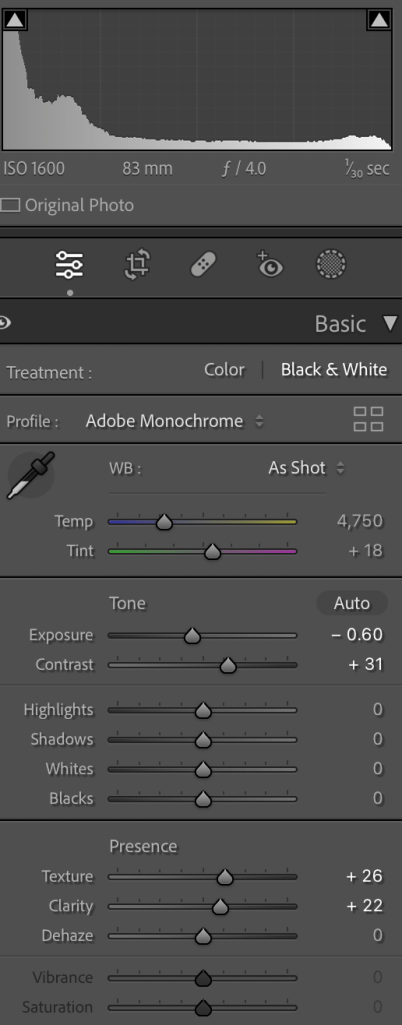
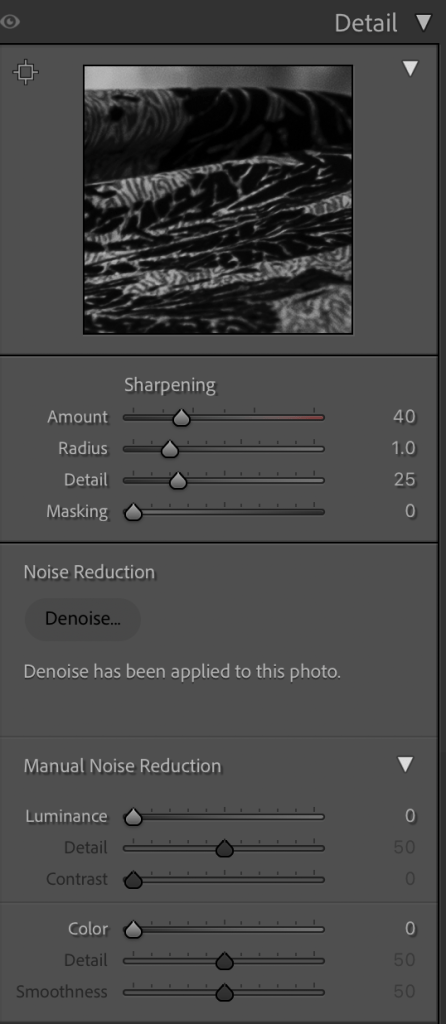
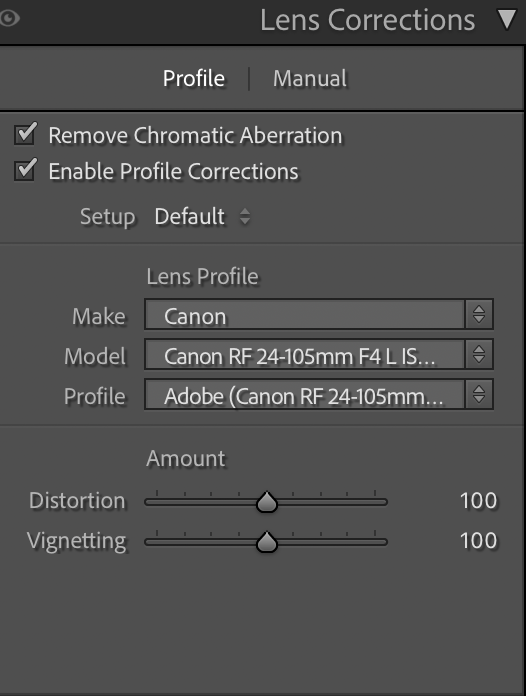
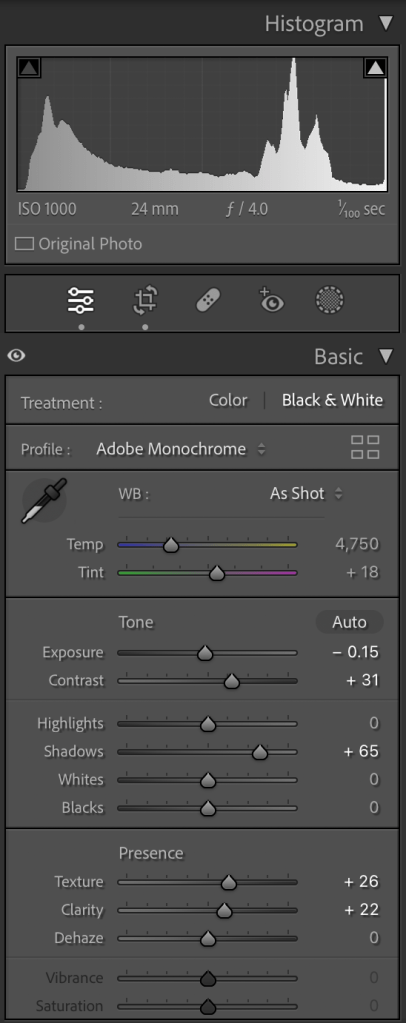
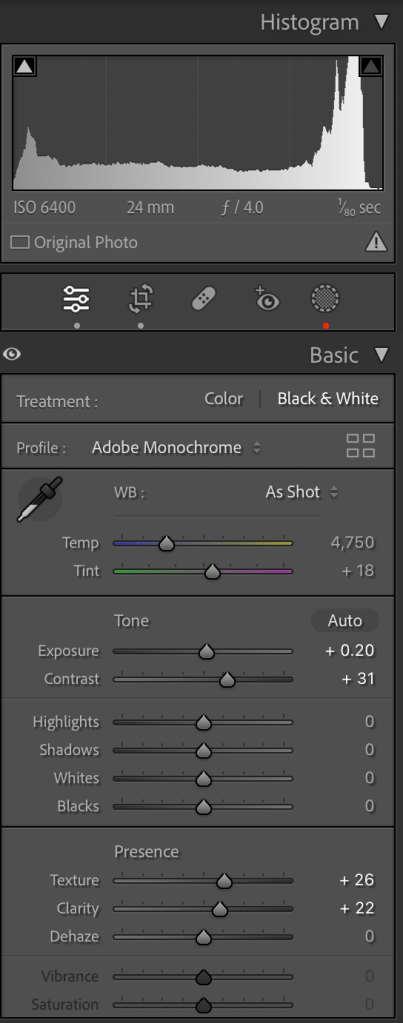
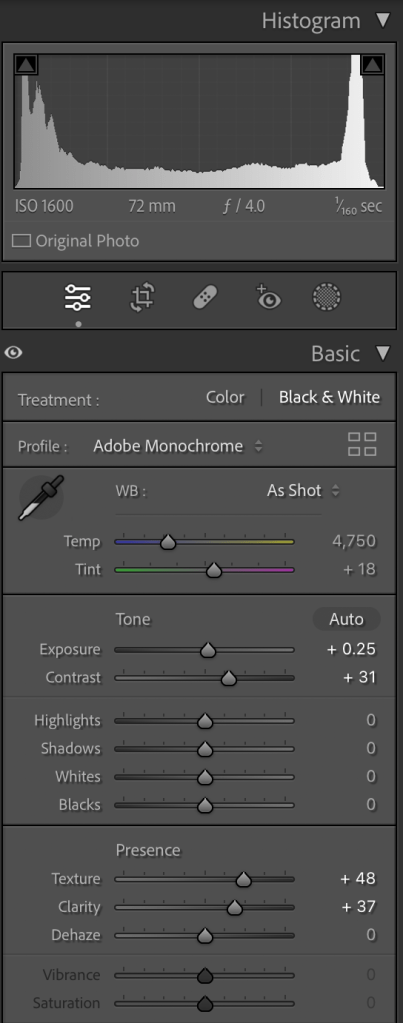
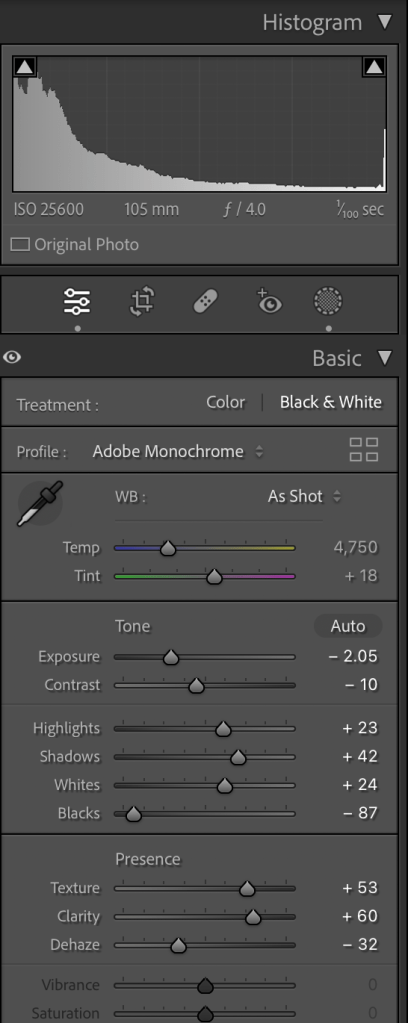
I adjust the light a little bit, added little contrast, reduced the noise and created the preset to apply for all my images that I can say more or less 600+.
Here is the setting that I used for all my images as follows:
SOFTWARE
All the work I edited with Lightroom and also Photoshop for the last contact sheet.
PAPER
Because I chose black and white for my project, I picked matte paper because it gives me the classic monochrome feel and I do not need to emphasise the images’ vibrancy or sharpness.
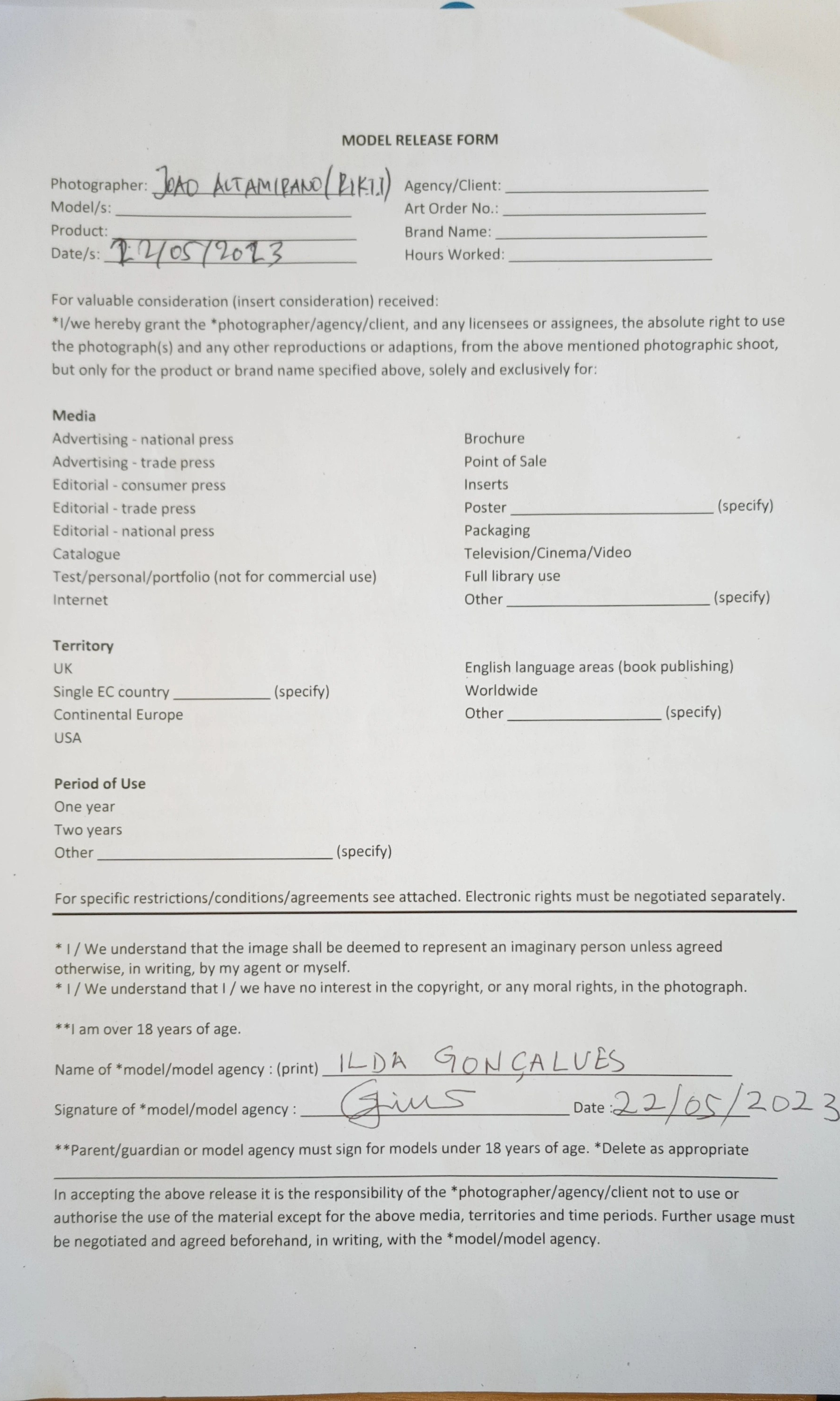
Legal Agreement and submission
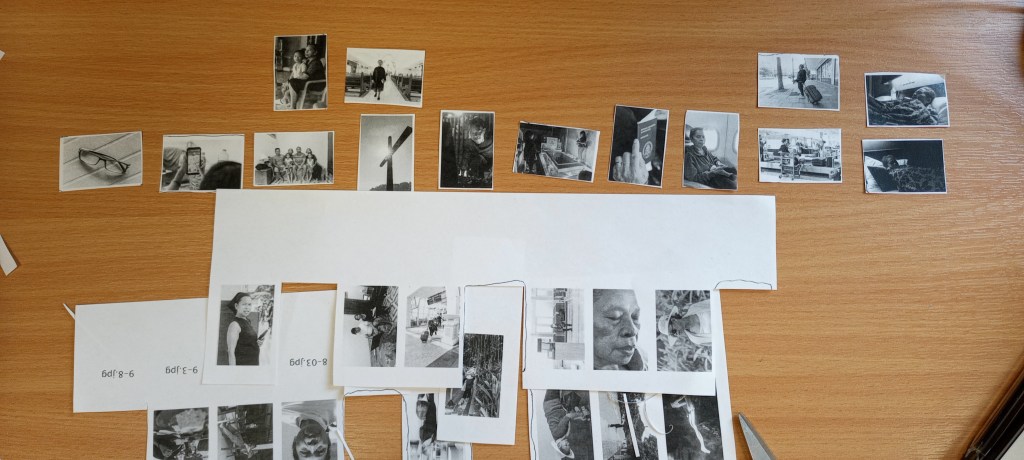
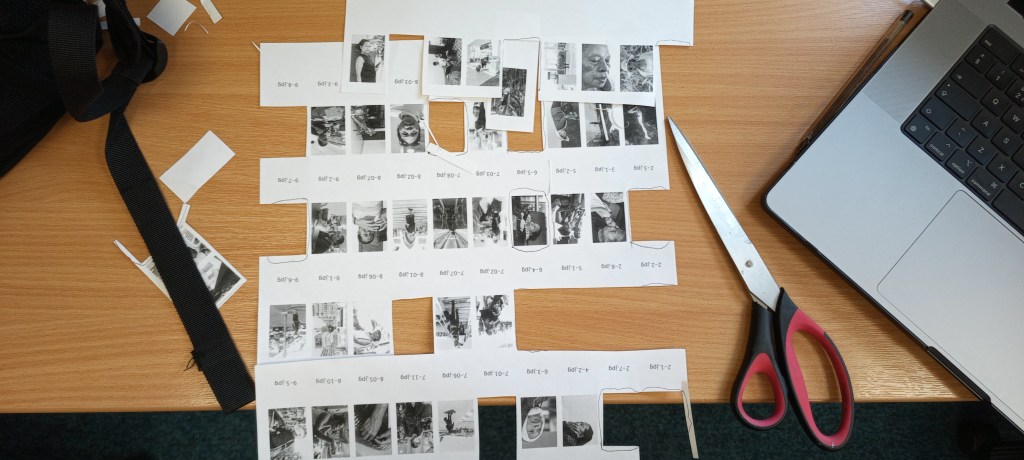
Sequencing images to convey my proposal
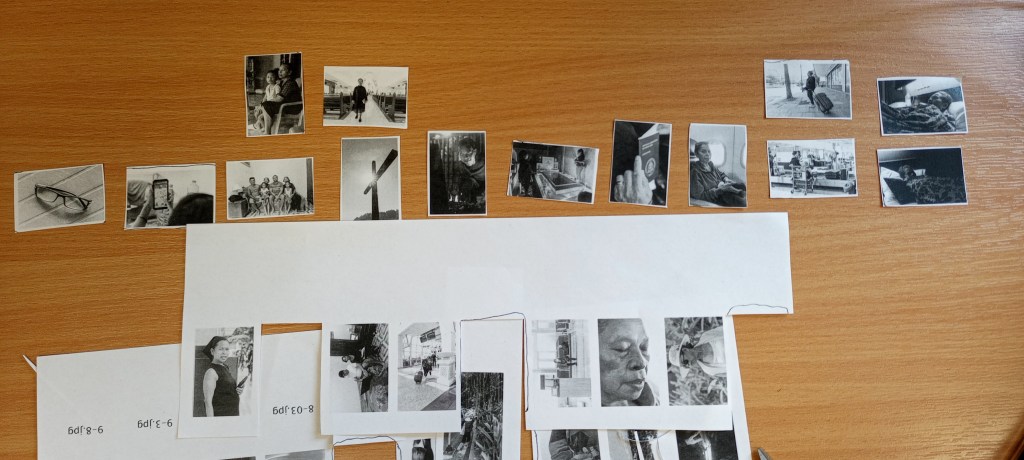
In this section, I am linking one image to the next and experimenting with cutting the printing and rearranging the images to visualise the story’s progression.

FINAL IMAGES
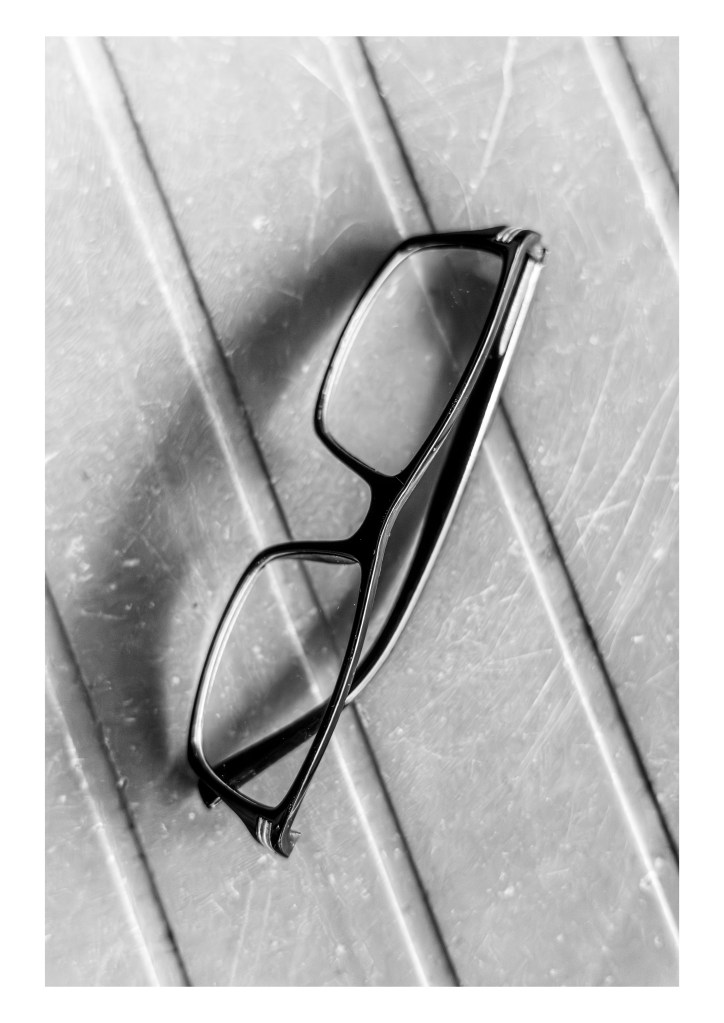
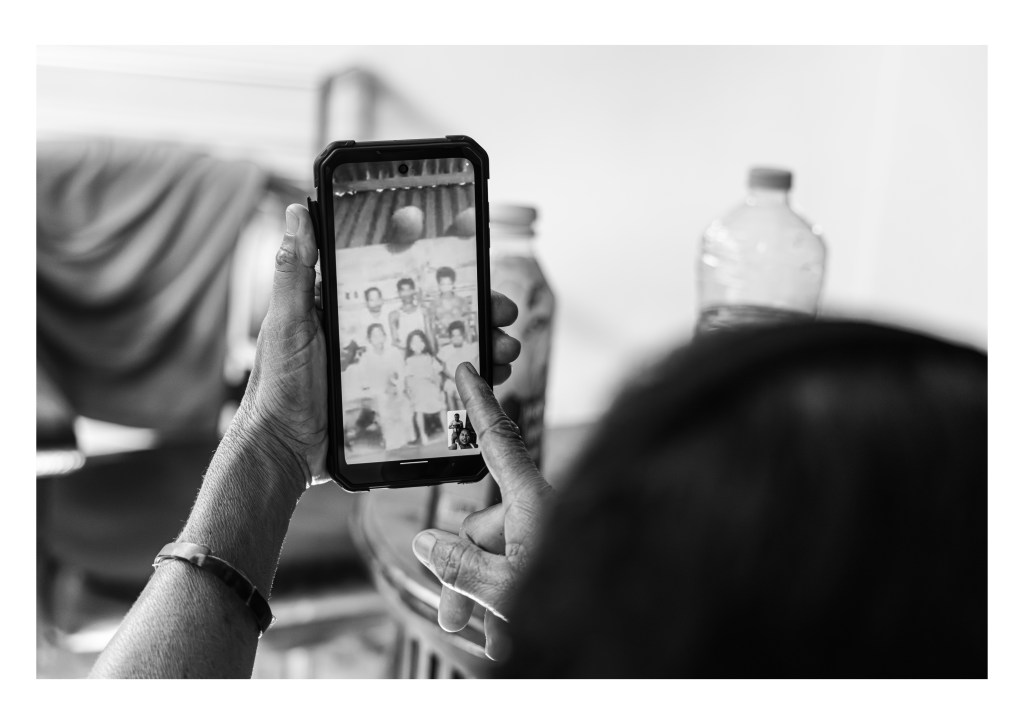
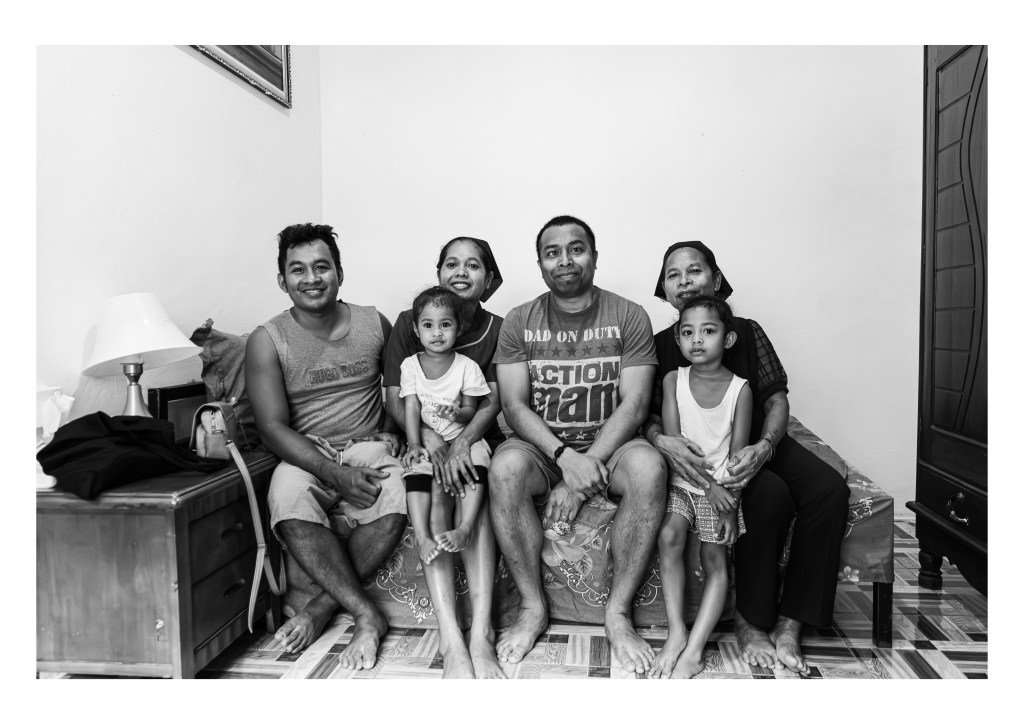
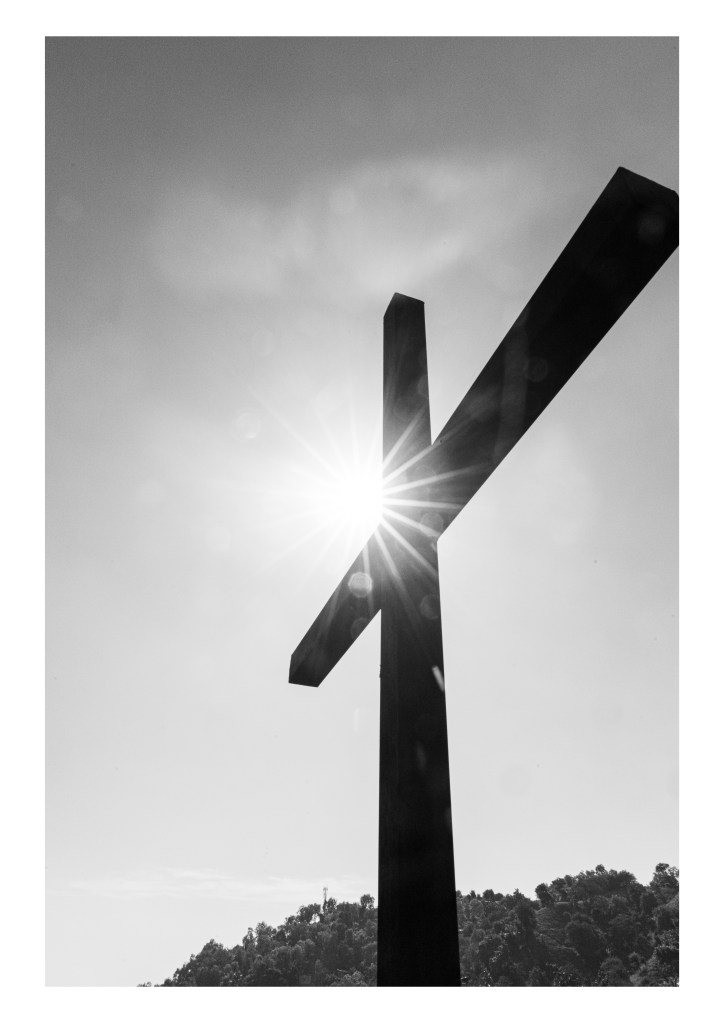
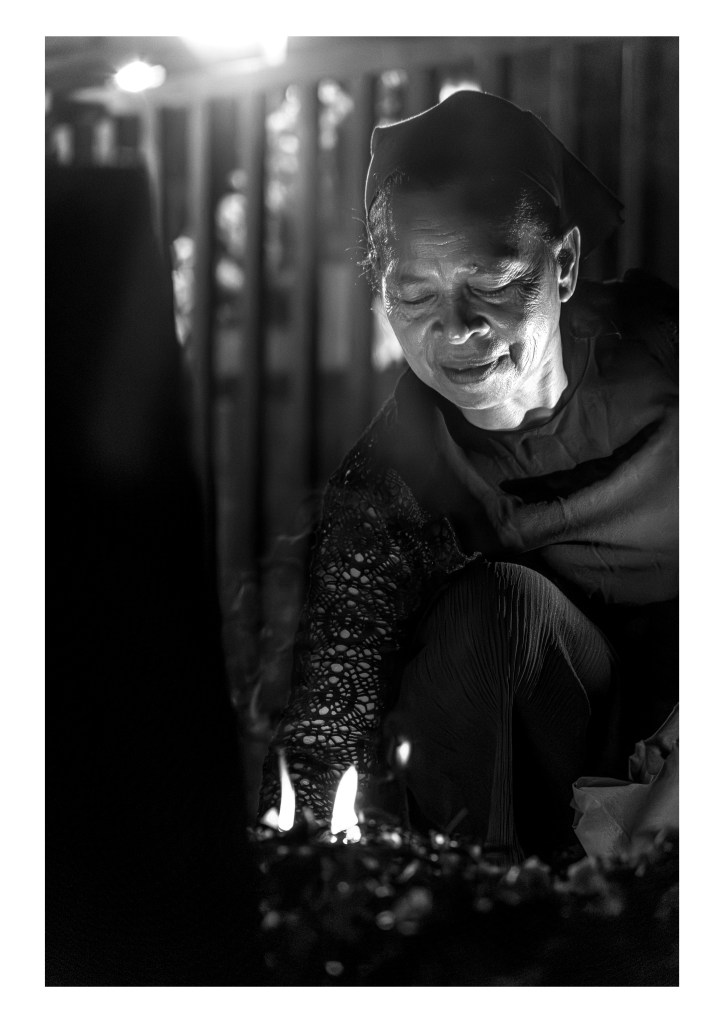
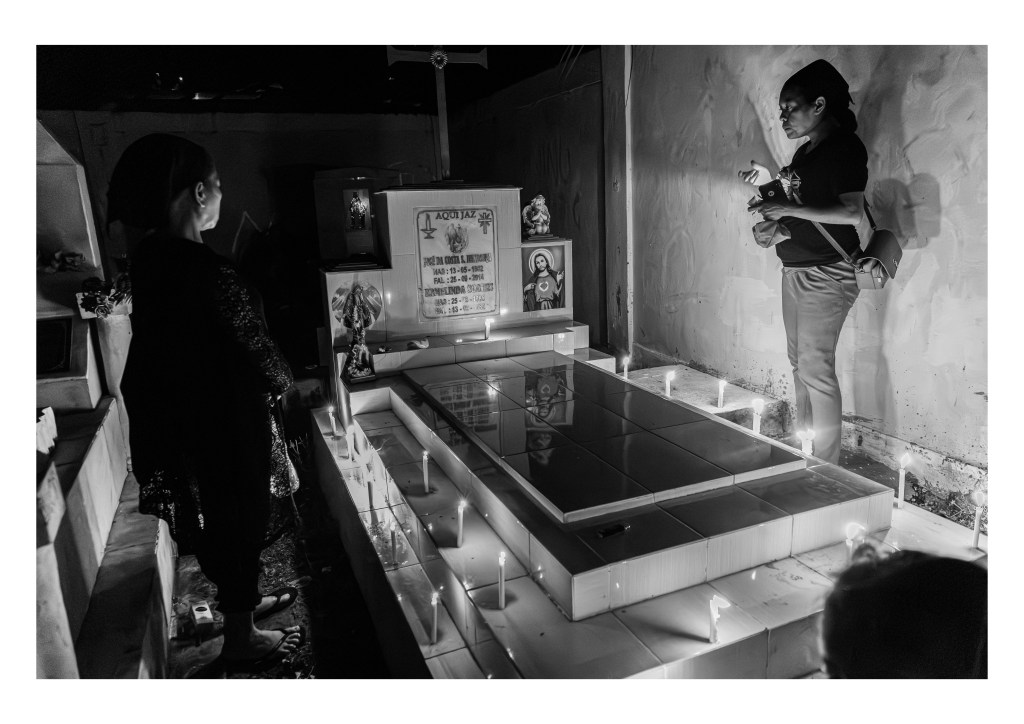
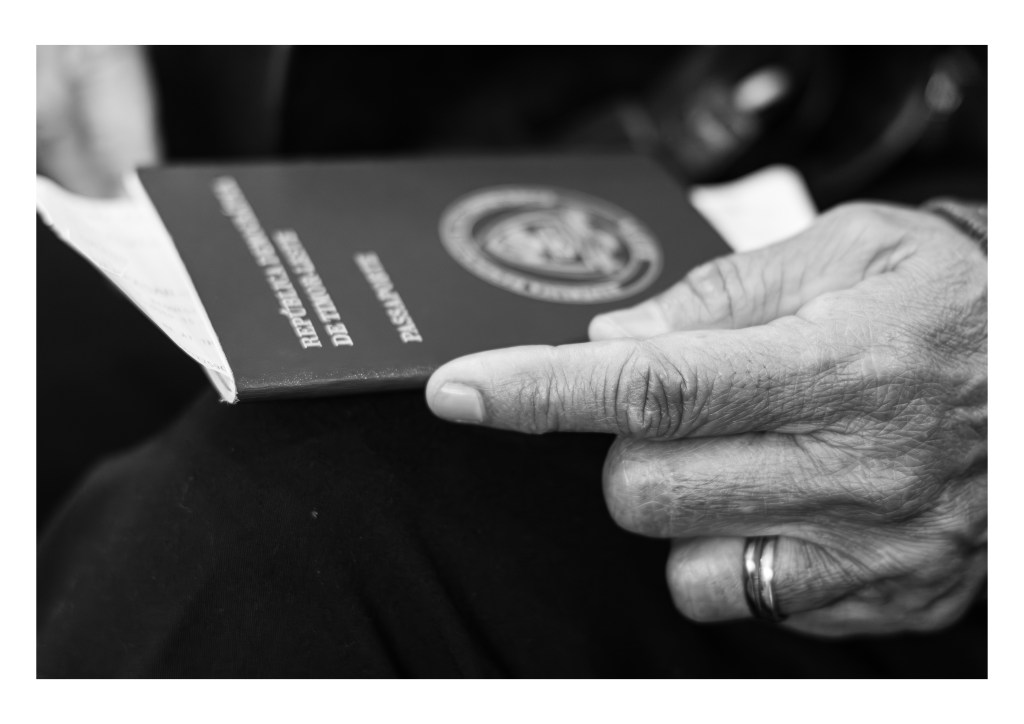
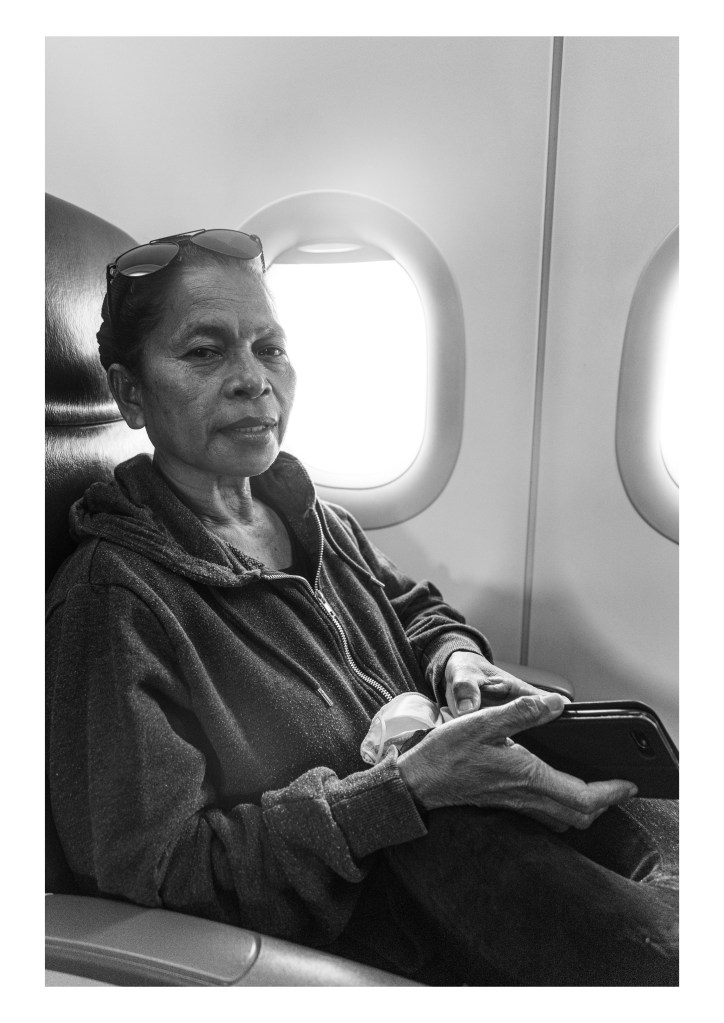
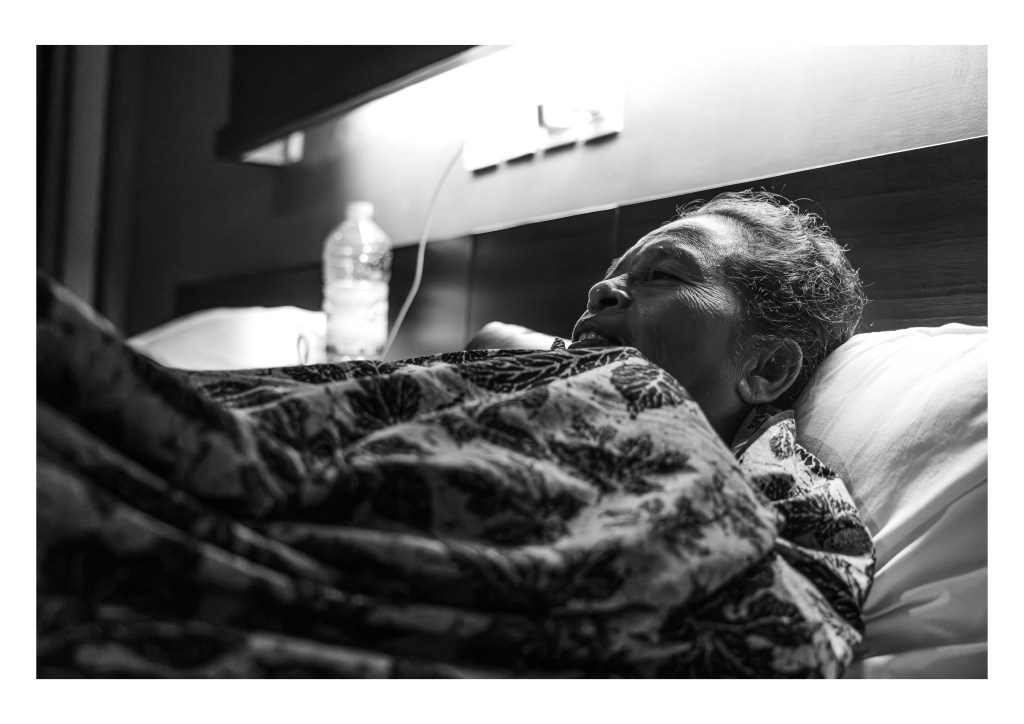
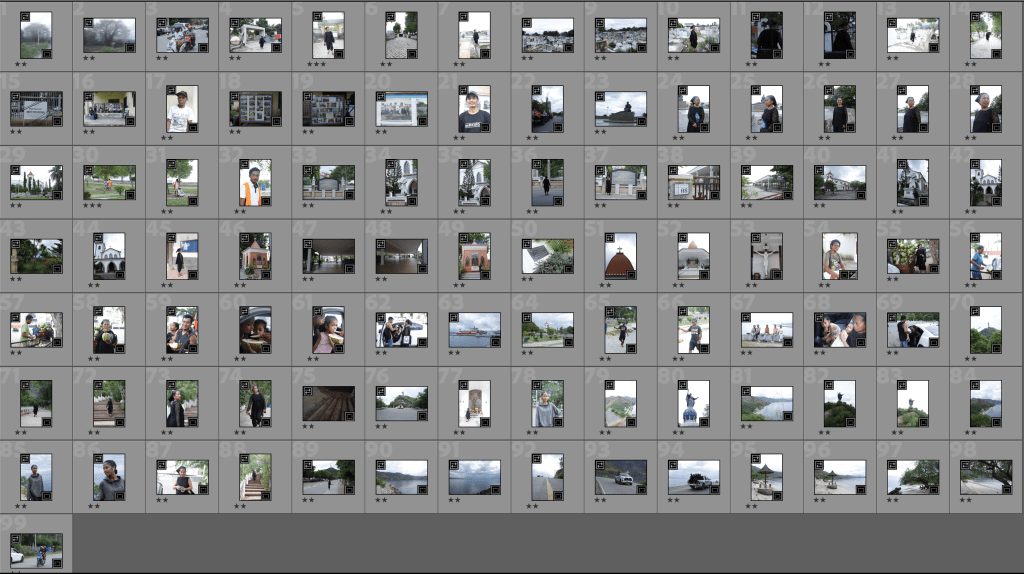
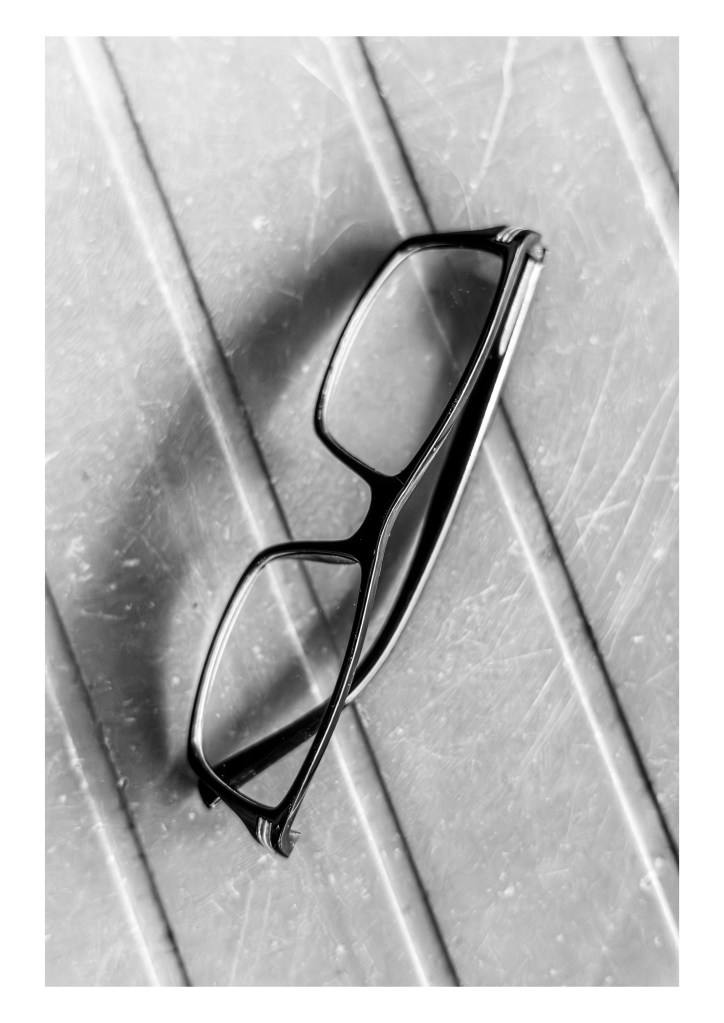
THE Summery STORY and how i shot.
It is about how I wanted to bring over my mother to england but i have to face lots of dificulties.
After losing my father, losing my mother is unbearable. This journey will help me mark the essence of a family.
I travelled to Timor Leste from Bristol, England, to reunite and bring her with me.
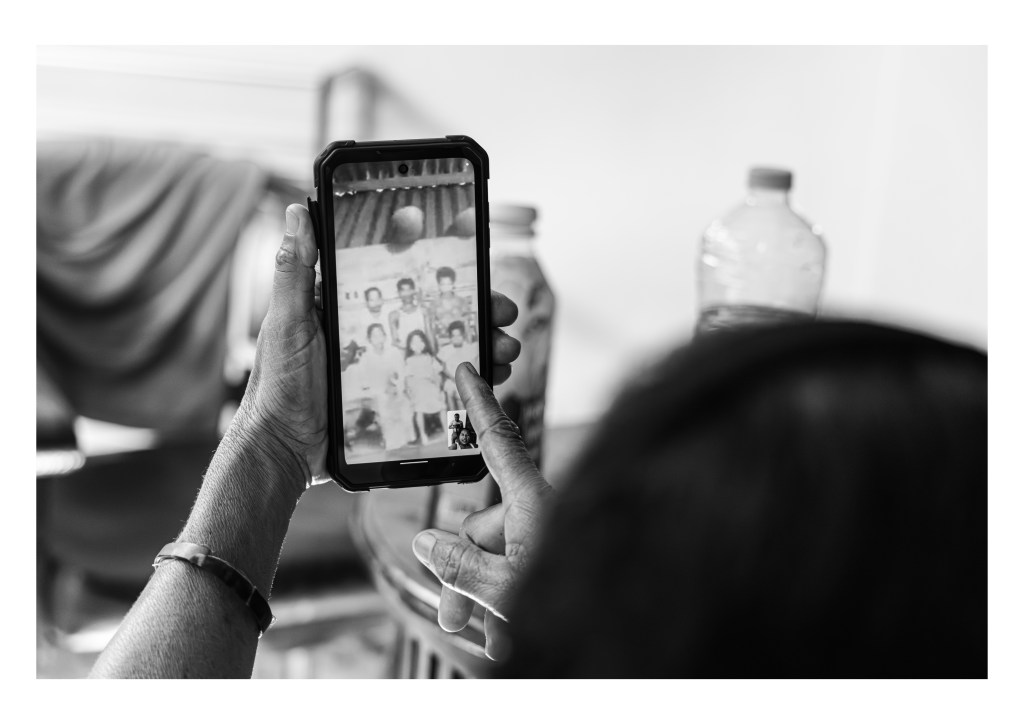
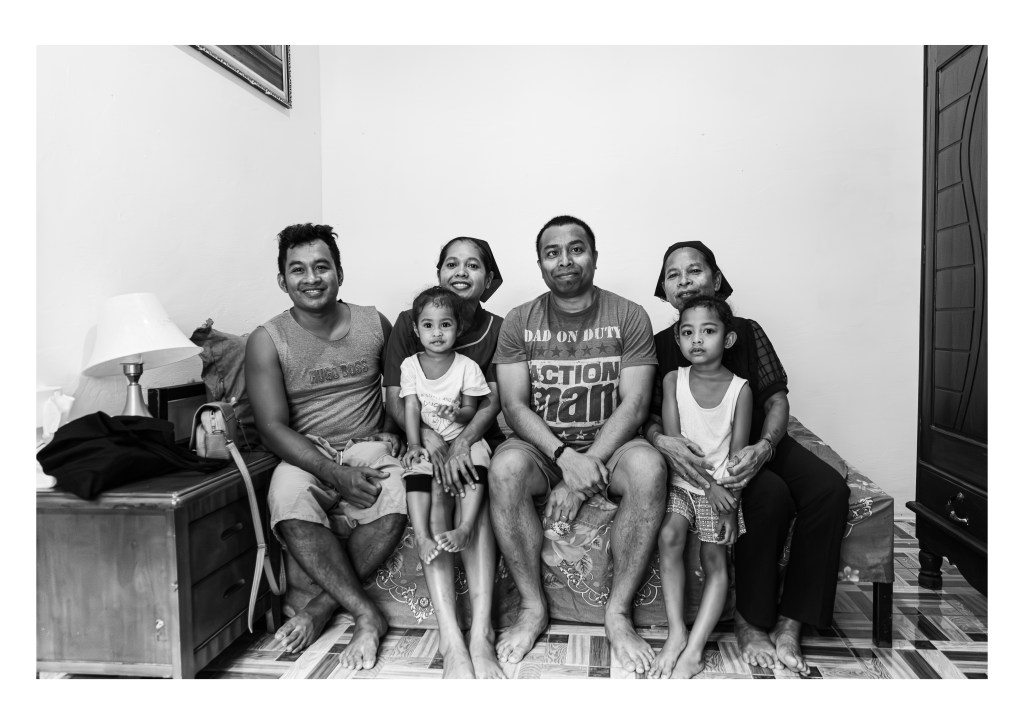
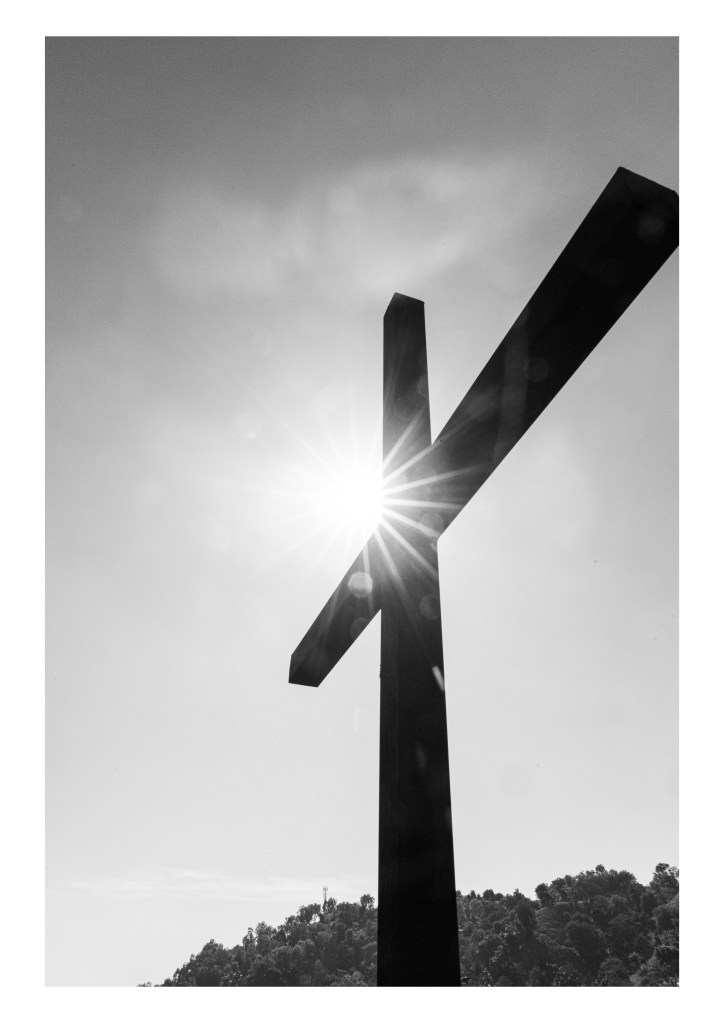
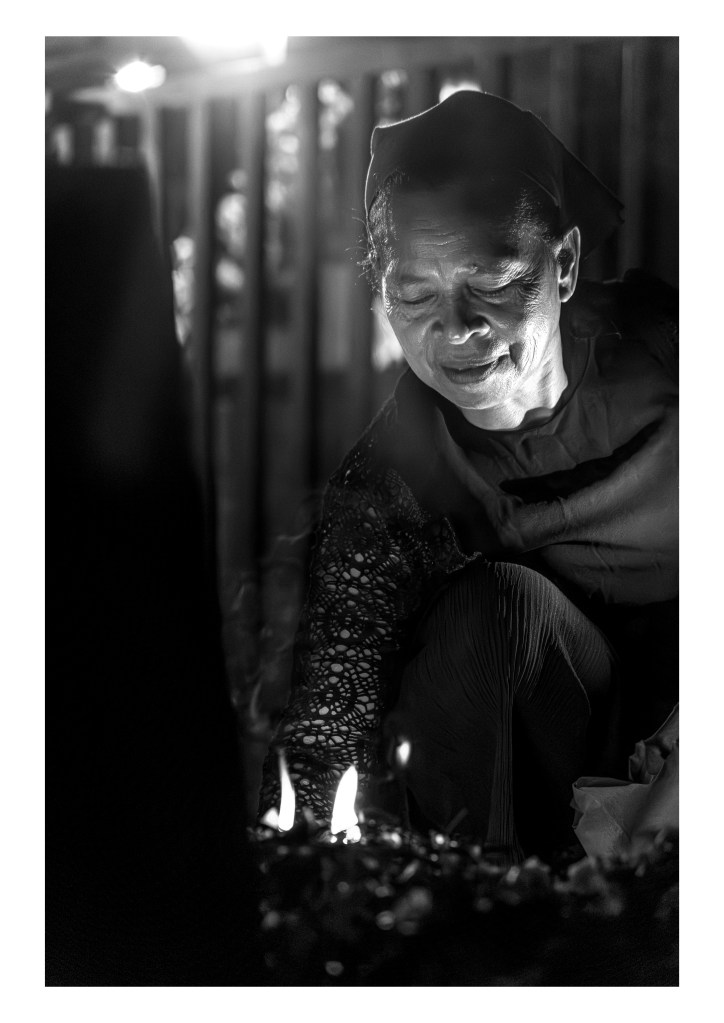
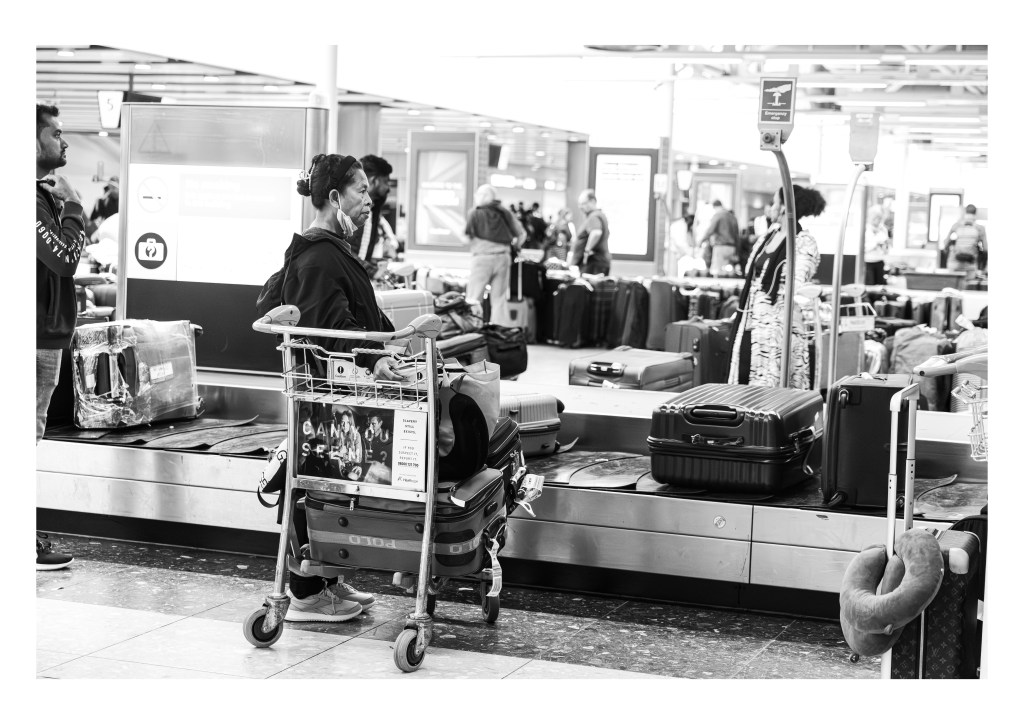
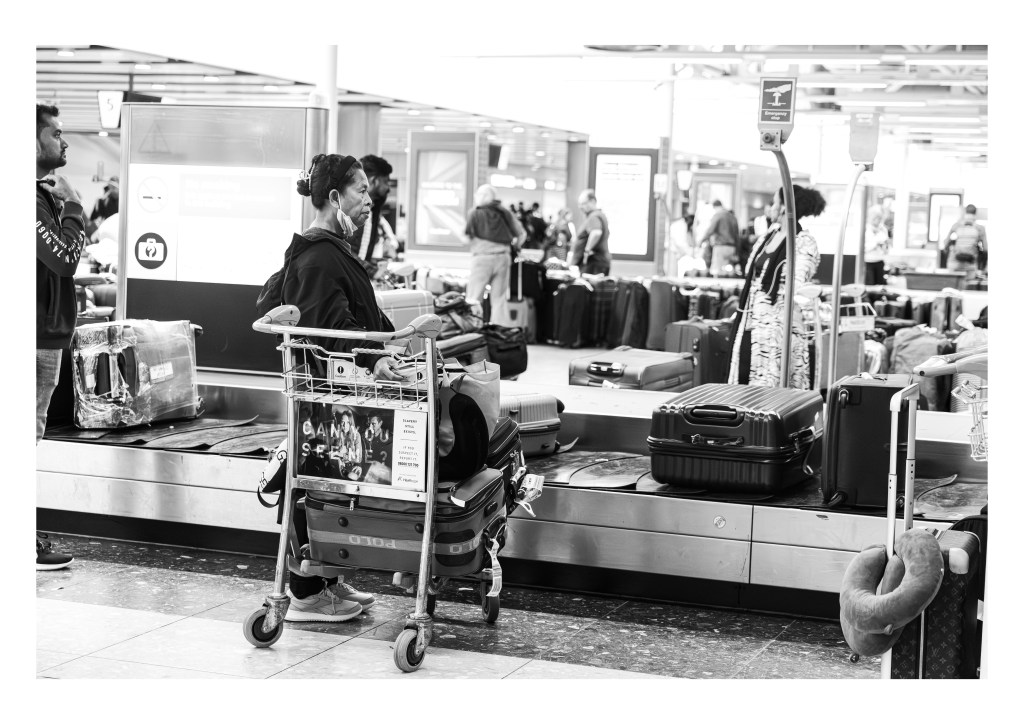
She is waiting for collecting the luggage in the London airport claim baggage collection. I asked him to sit down at the beach but she refused because of her private belongings like bibbles and other things inside the bag. (ISO 16000,f/4.0, 1/250 sec, in post-production I lowered exposure to -0.60, contrast +31, texture +26, clarity +22)
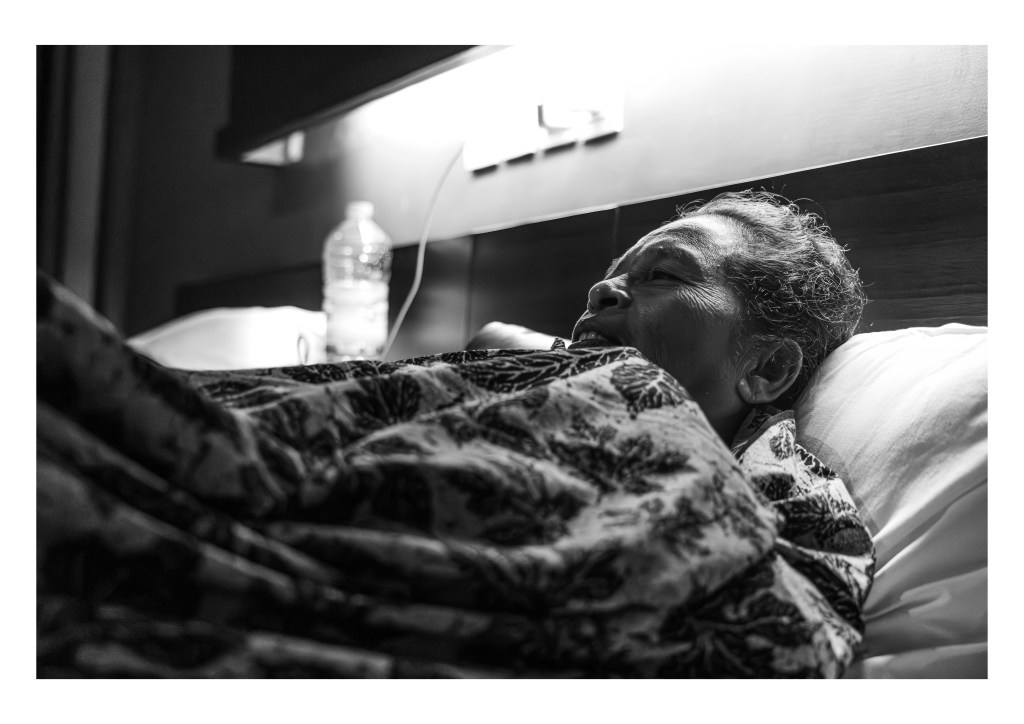
Here are the following EXIF data of the selected 10 final images:
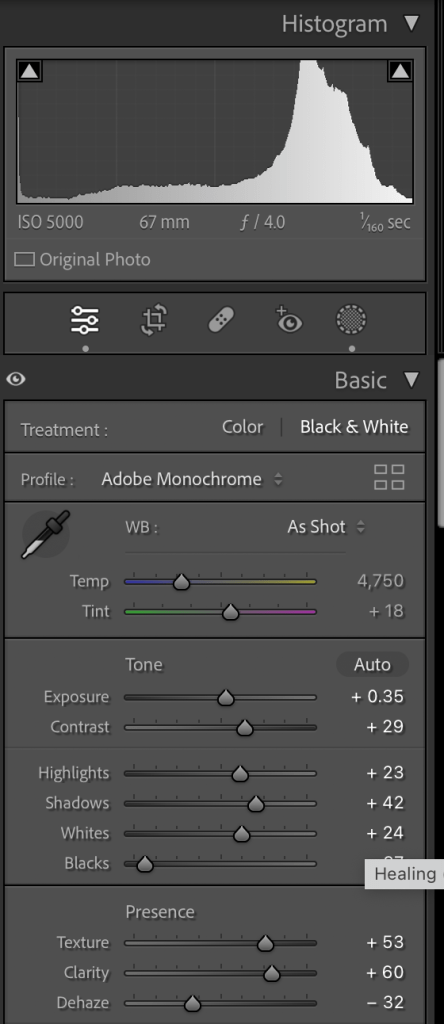
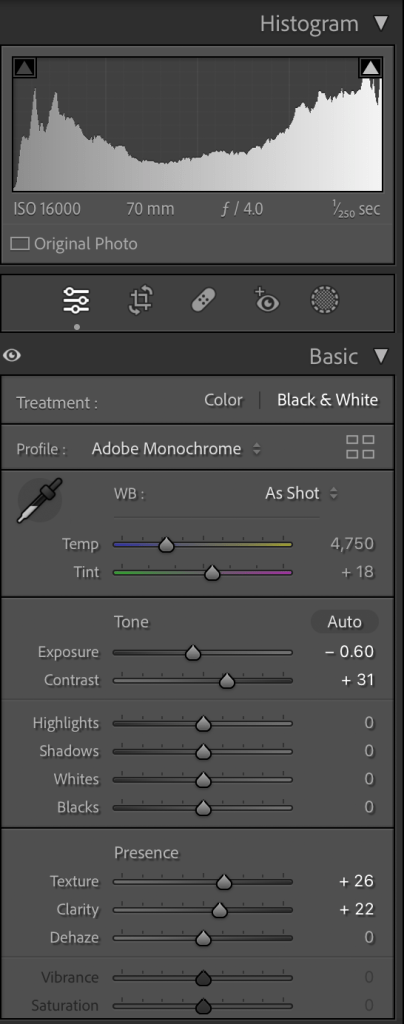
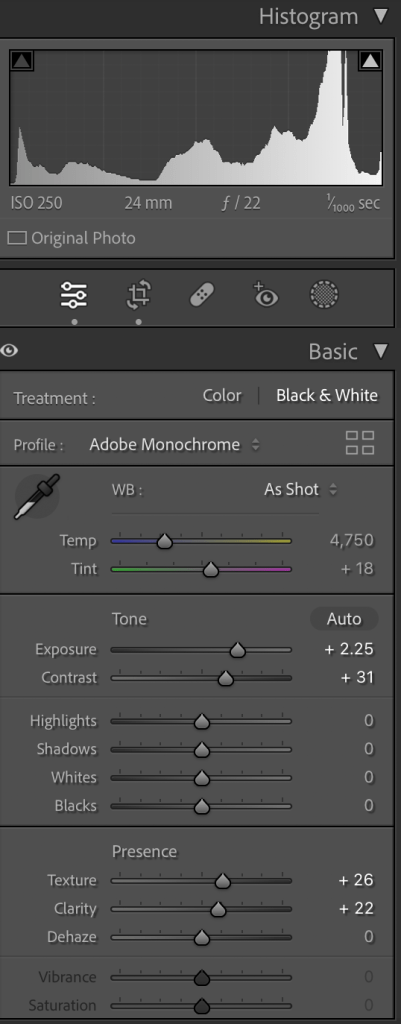
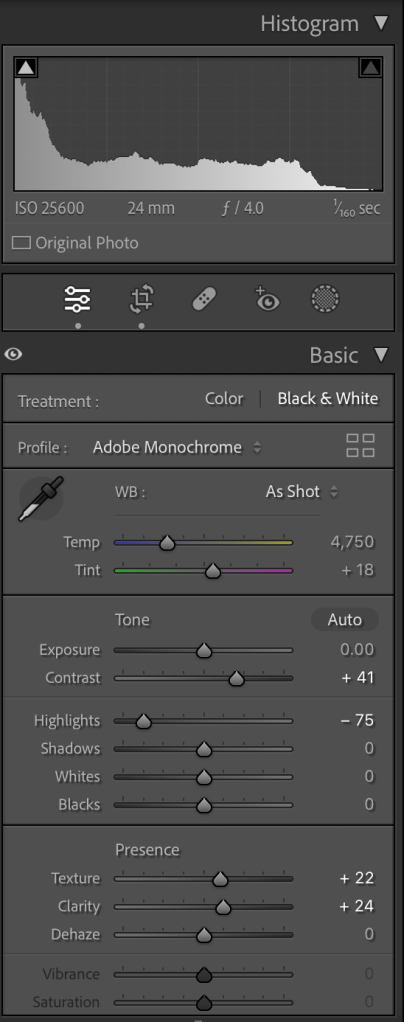
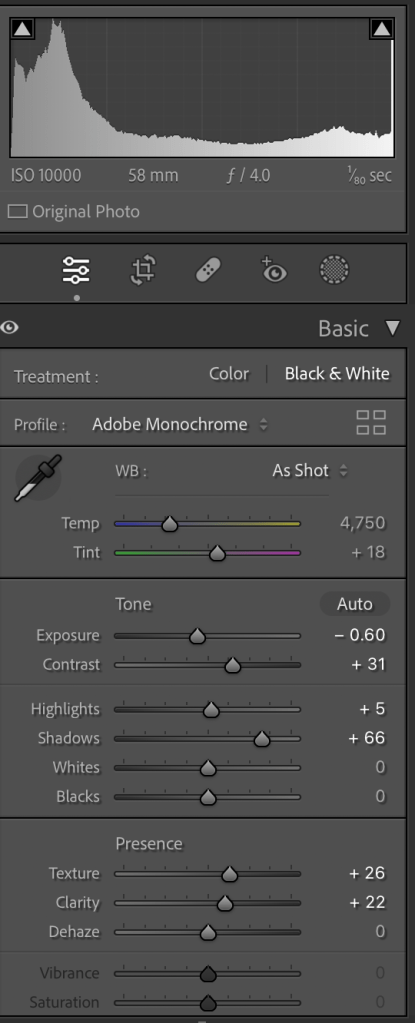
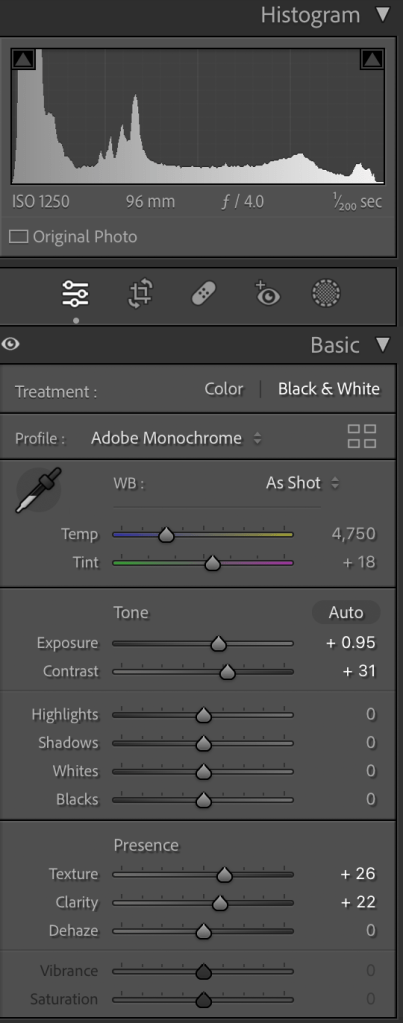
EVALUATION
How I look at my project to fit into the Magazine:
It is an inspiring depiction of how I managed to get her through the difficulties despite being separated from my mother for a considerable amount of time. I am aware that many others have likely done the same thing as me this time. However, it is a lifetime challenge and opportunity to avoid abandoning the efforts that have already made. I believe publishing it in the publication to inspire people is a positive concept.
AN Magazine has published an article on international connections. The article itself discussed the difficult first year of the UK’s withdrawal from the EU and its impact on the artistic community.
From their direct, personal knowledge, artists and senior staff at public and commercial locations identified four primary areas in which their artistic practices, businesses or institutions have encountered challenges:
- Expenses rise, notably for shipping and travel
- Restricted access to abilities and development opportunities
- Perceptions of the United Kingdom as a commercial centre among EU member states.
- a lack of knowledge or excessive procurement costs for new procedures
All of this relates to my challenge excursion with my mother when I recall the following obstacles I encountered:
LOGISTICS
Flight: it took me 18 hours to reach Timor-Leste and another 18 hours to reach Bristol. It all depends on the expense of the connecting flight and the itinerary.
Restictions:
Due to security concerns, it was extremely challenging to take pictures at the airport. There was a time when I photographed my mother with only a phone to update my sister, but the immigration officer at Bali Denpasar summoned me to query the purpose of my photographing my mother, which I attempted to explain. Once he said this, I immediately apologised, as I did not want everything to be ruined because of a single photograph.
Personal Belonging:
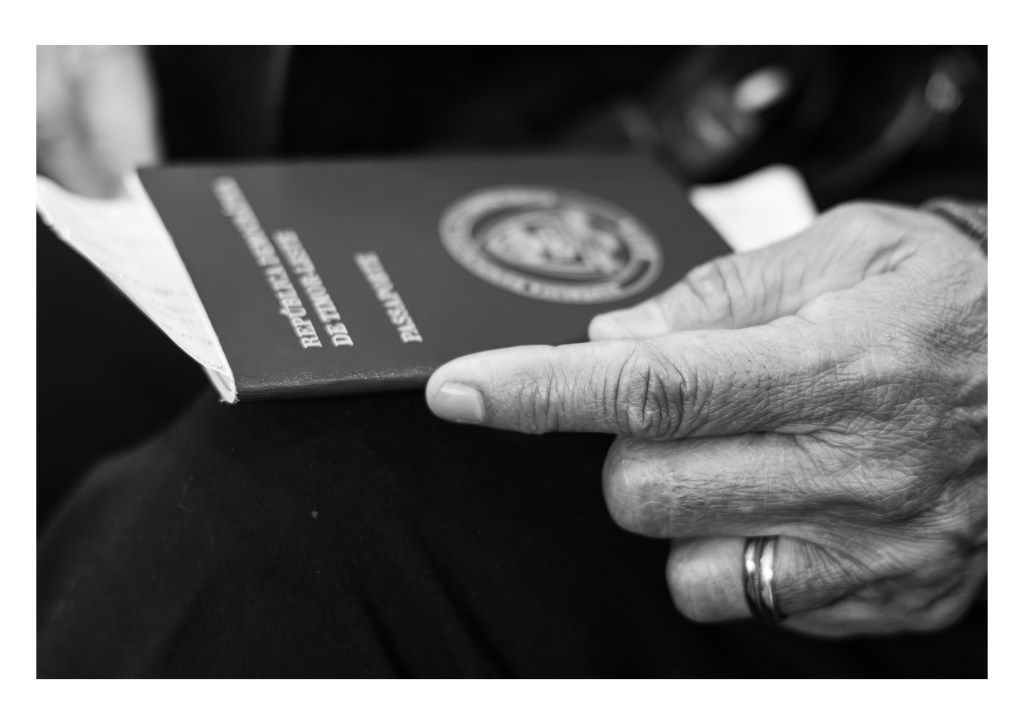
On the Jakarta to Dubai flight, there was a problem with my mother’s hairpin. The difference between conventional hairpins and Timor-Leste’s hairpin is its sharpness; because it is 15 centimetres long and pointed, it could be used as a lethal weapon. The immigration officer in Jakarta stated, “You may not enter Dubai with this hairpin unless it is ceased or placed in your luggage.” Our departure flight has begun, but my mother and I are still discussing the hairpin with the immigration officer.
The officer gave us two options: we could either dispose of the item or we could board the aircraft. It took 15 to 30 minutes to get back to the check-in area after bagging it with the luggage. However, I must store it in my camera’s backpack and remove all my electronics, including my camera, lens, laptop, and cables, and place them in my handbag, which is neither convenient nor safe. Okay, I’m willing to use my camera bag for the hairpin because of my mother’s happiness, I concluded.
When I rushed to the check-in area, my mother sat on a bench anxiously waiting for me because boarding had begun and we needed 15 minutes to reach the aircraft. Finally, I reached the baggage claim and boarded the aircraft with my mother.
That was a very intense occasion for us back there as we might missed the flight to dubai.
Medication:
I must declare all the medications I brought for my mother due to security concerns. I was unaware that some medications we carried must be accompanied by a doctor’s prescription in order for the immigration officer to determine that they are not illicit drugs.
My personal statement
Despite all the difficulties and obstacles, I’m pleased I completed this undertaking because it was a personal endeavour of which I will always be proud.
After a long separation, I now have the chance to be with my mother. I can provide her with the finest health care and the joy of a new being alive, despite the fact that she is new to this environment, but I am confident she will adapt with my assistance.
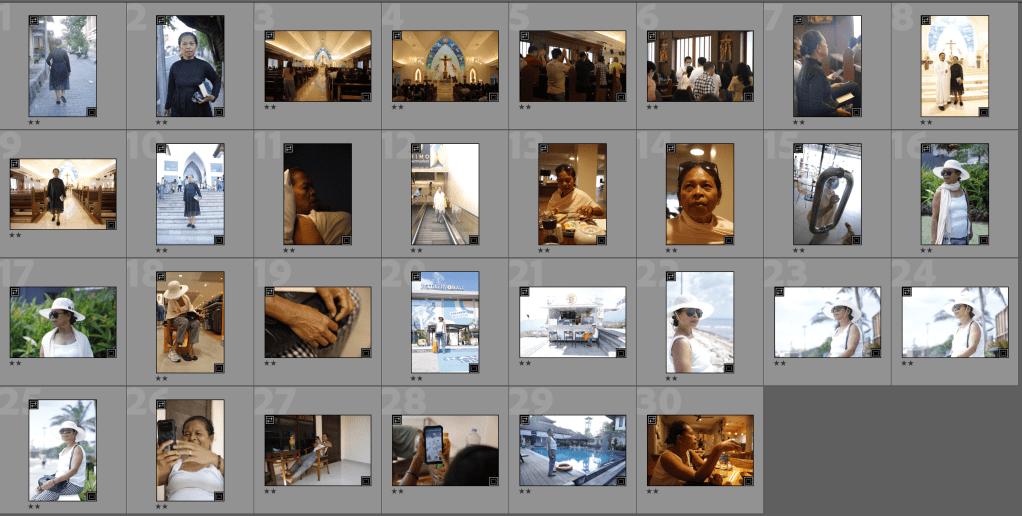
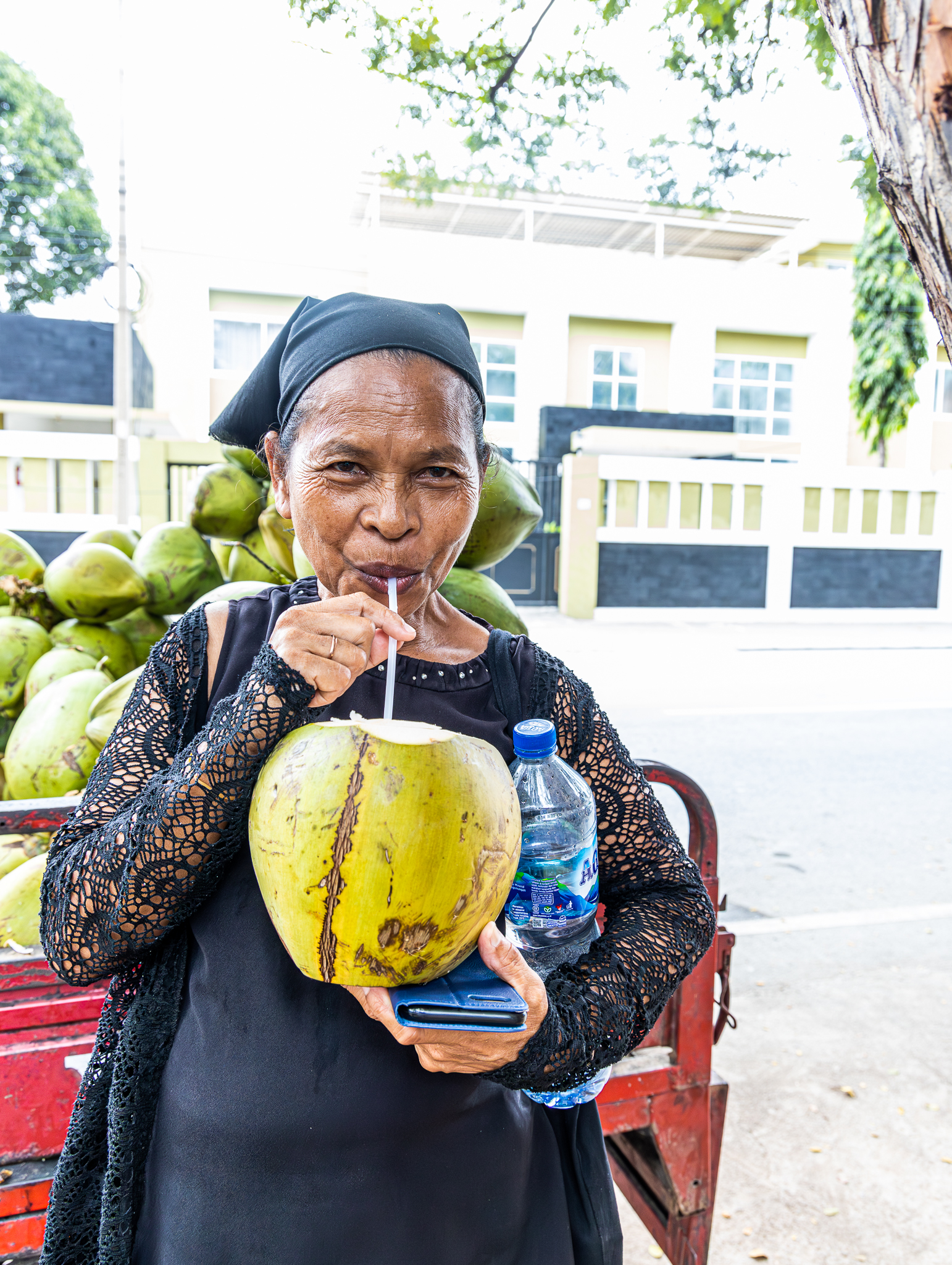
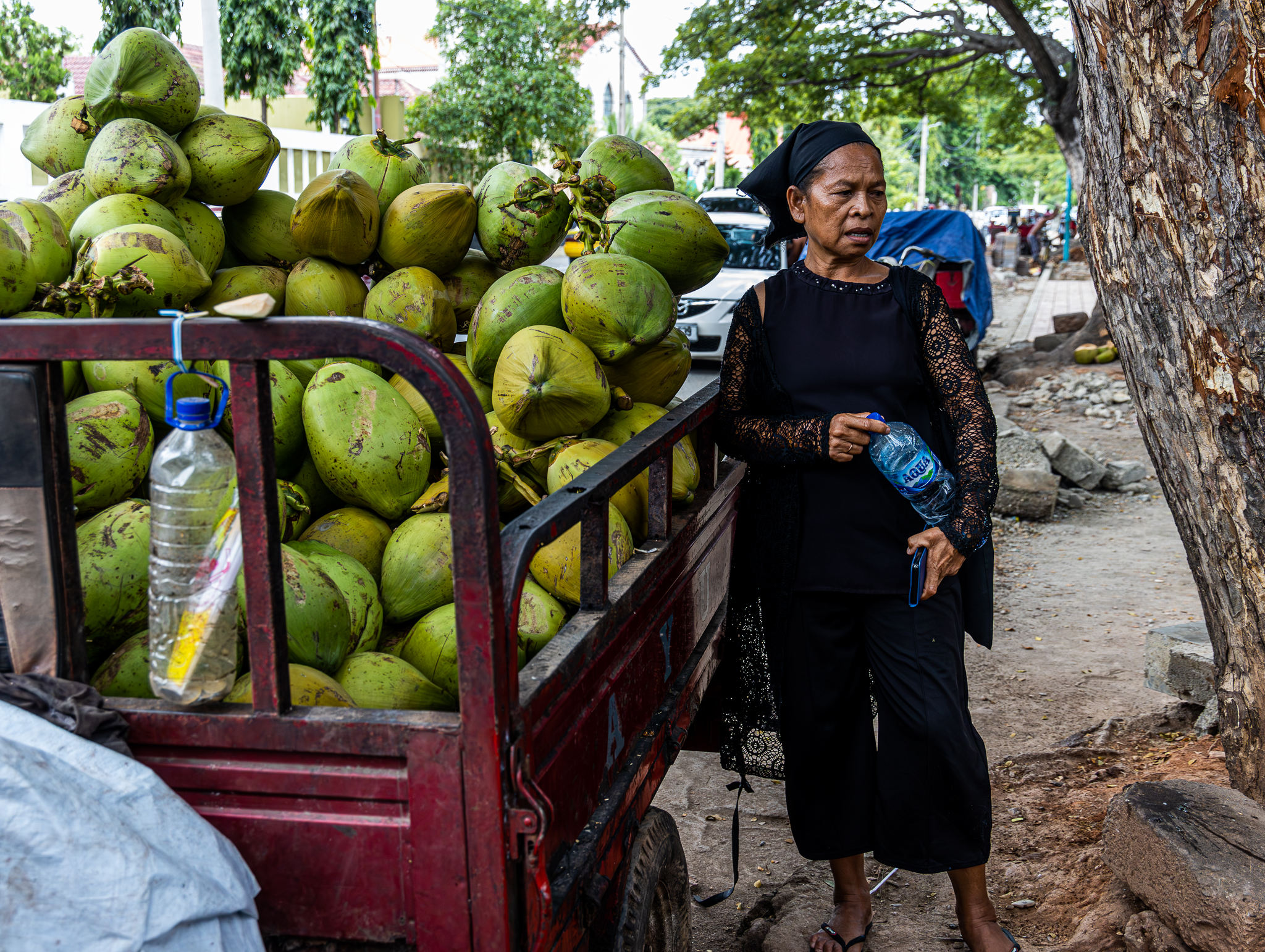
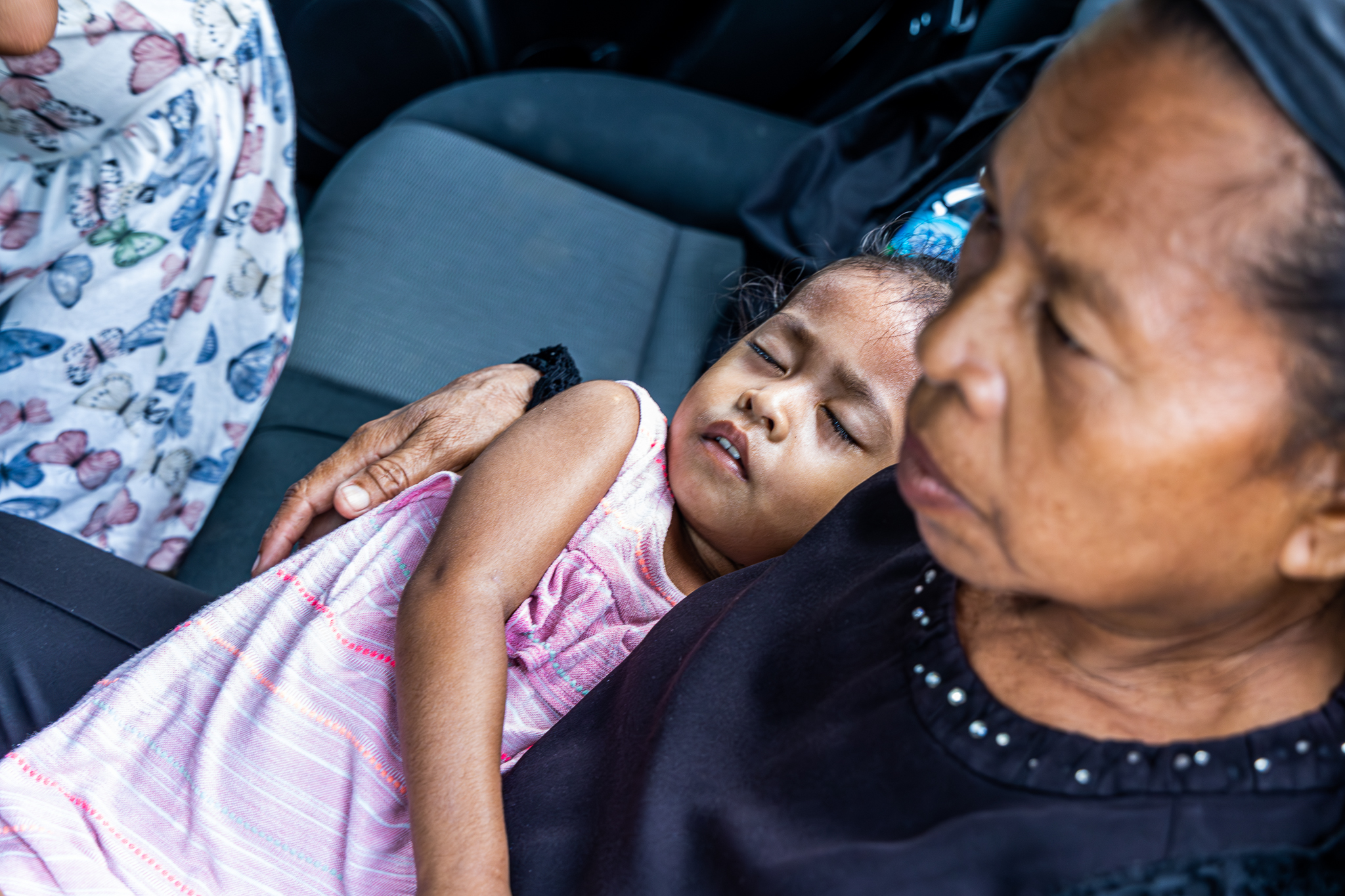
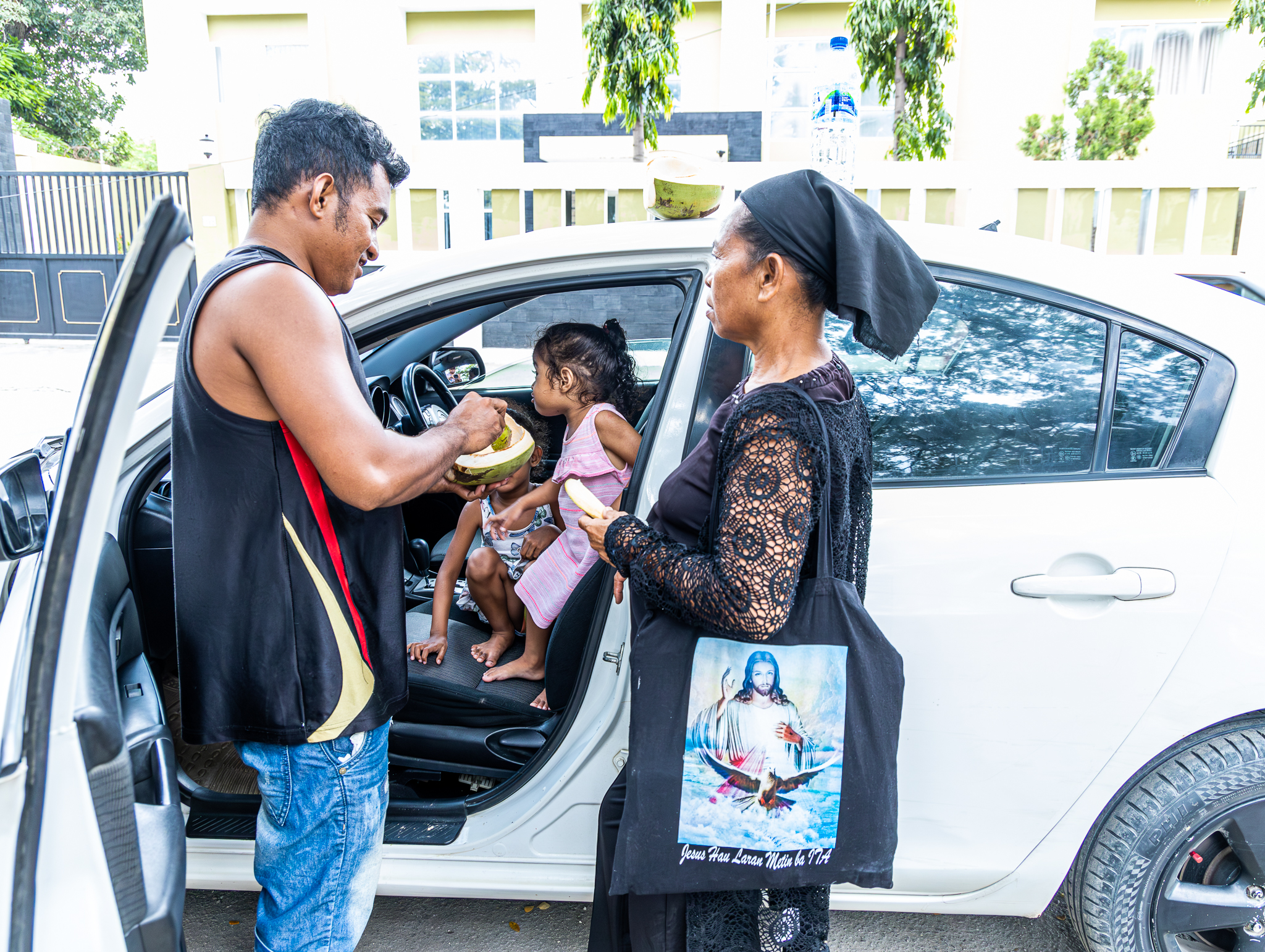
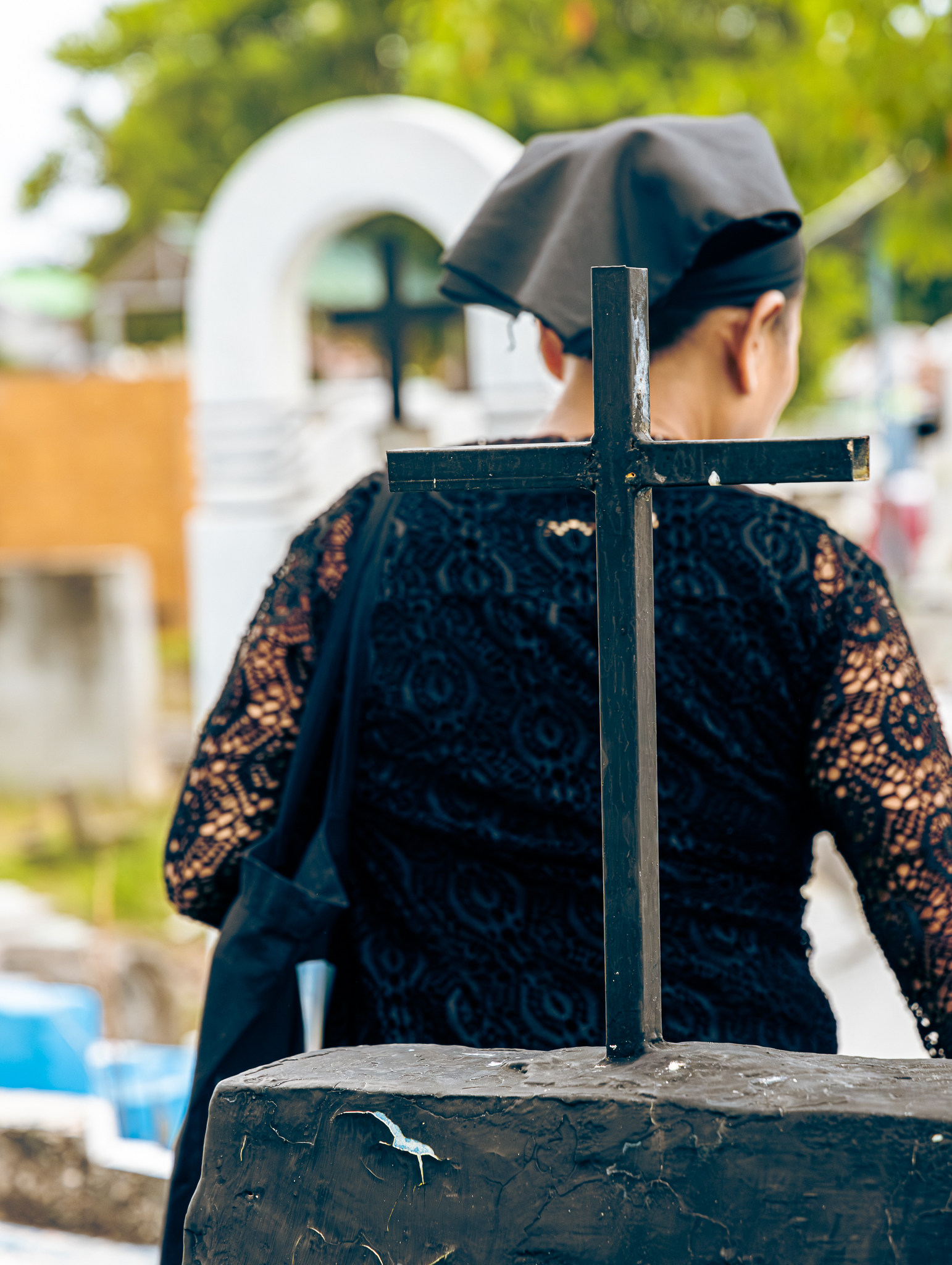
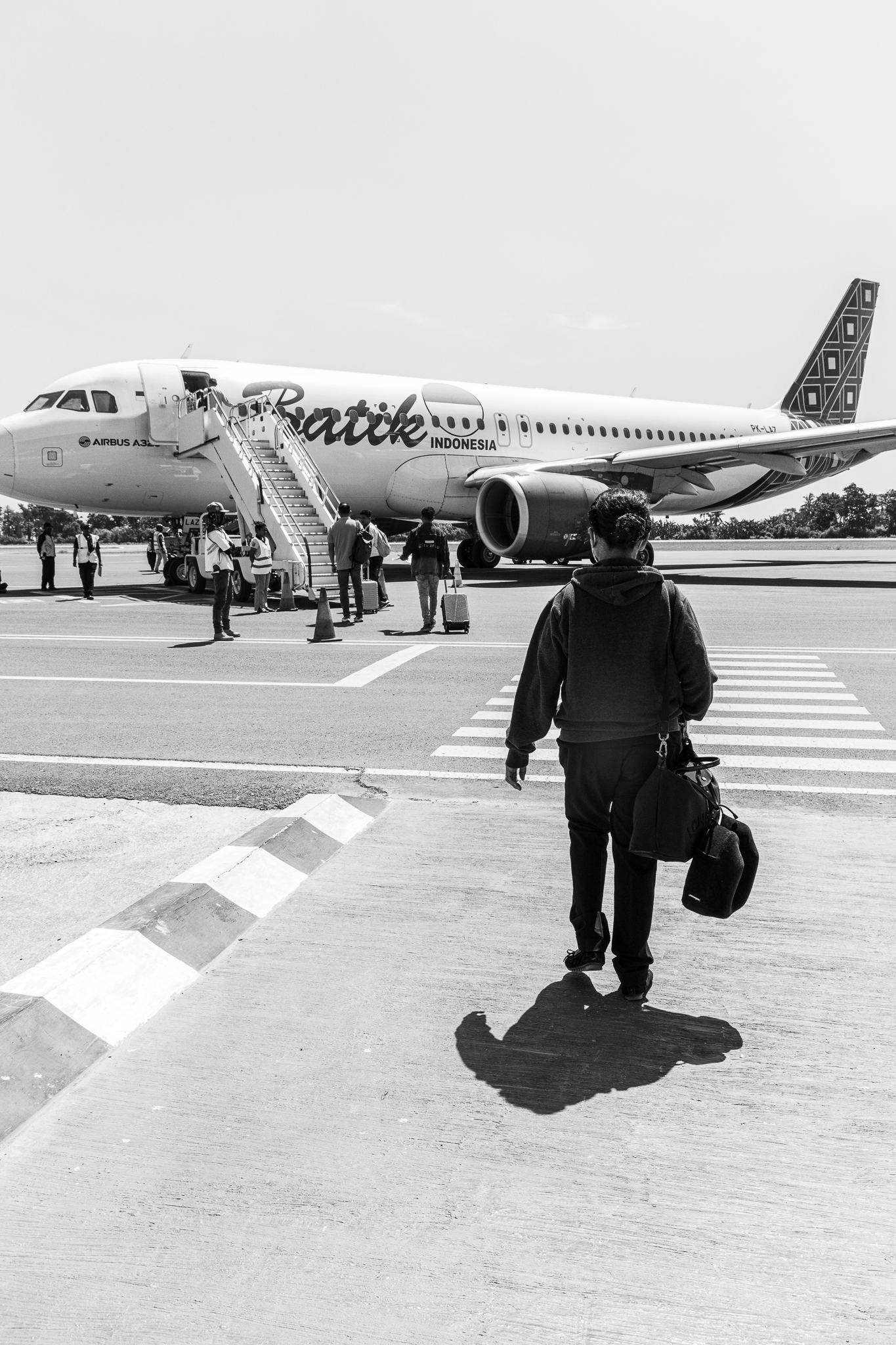
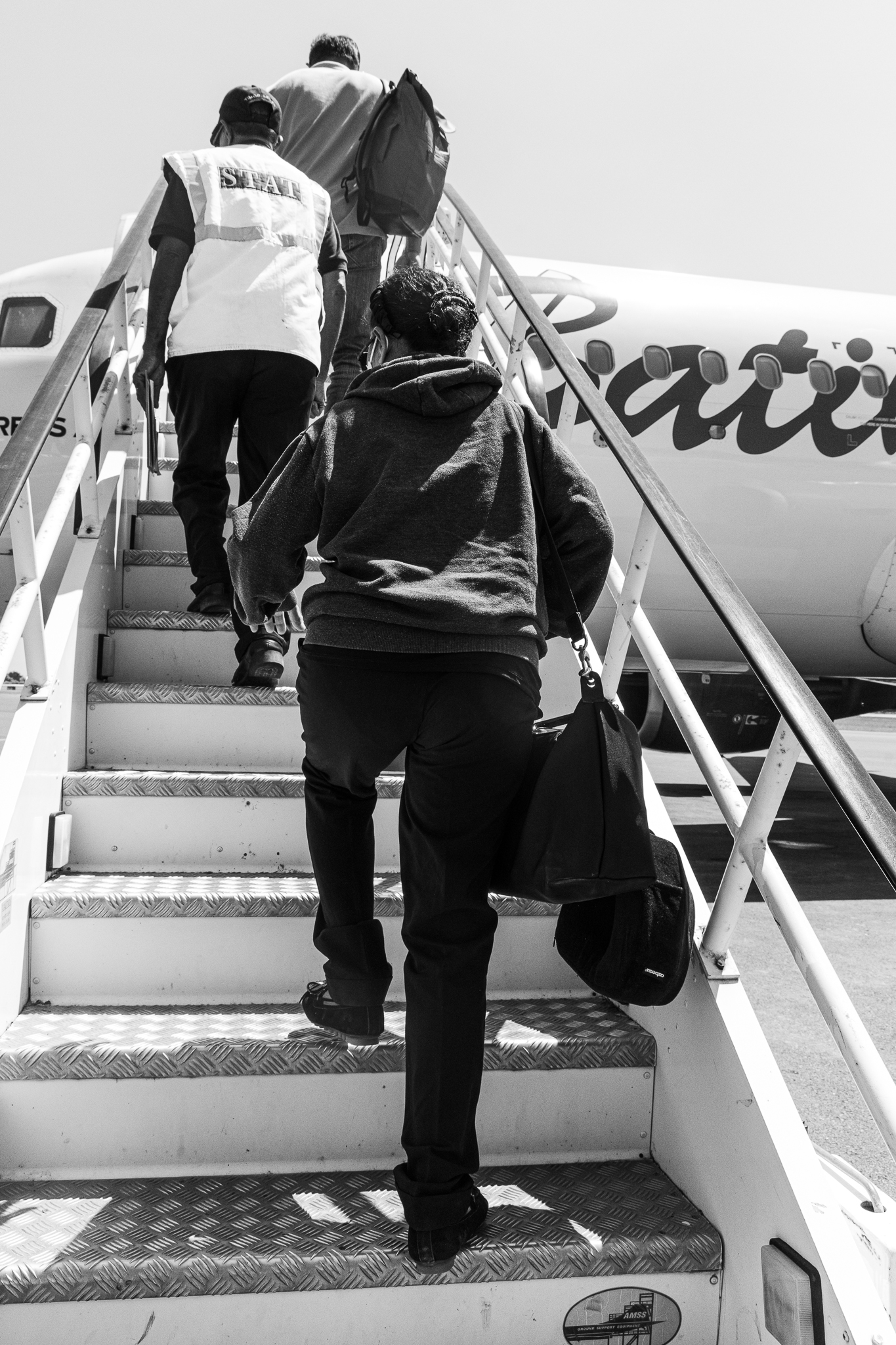
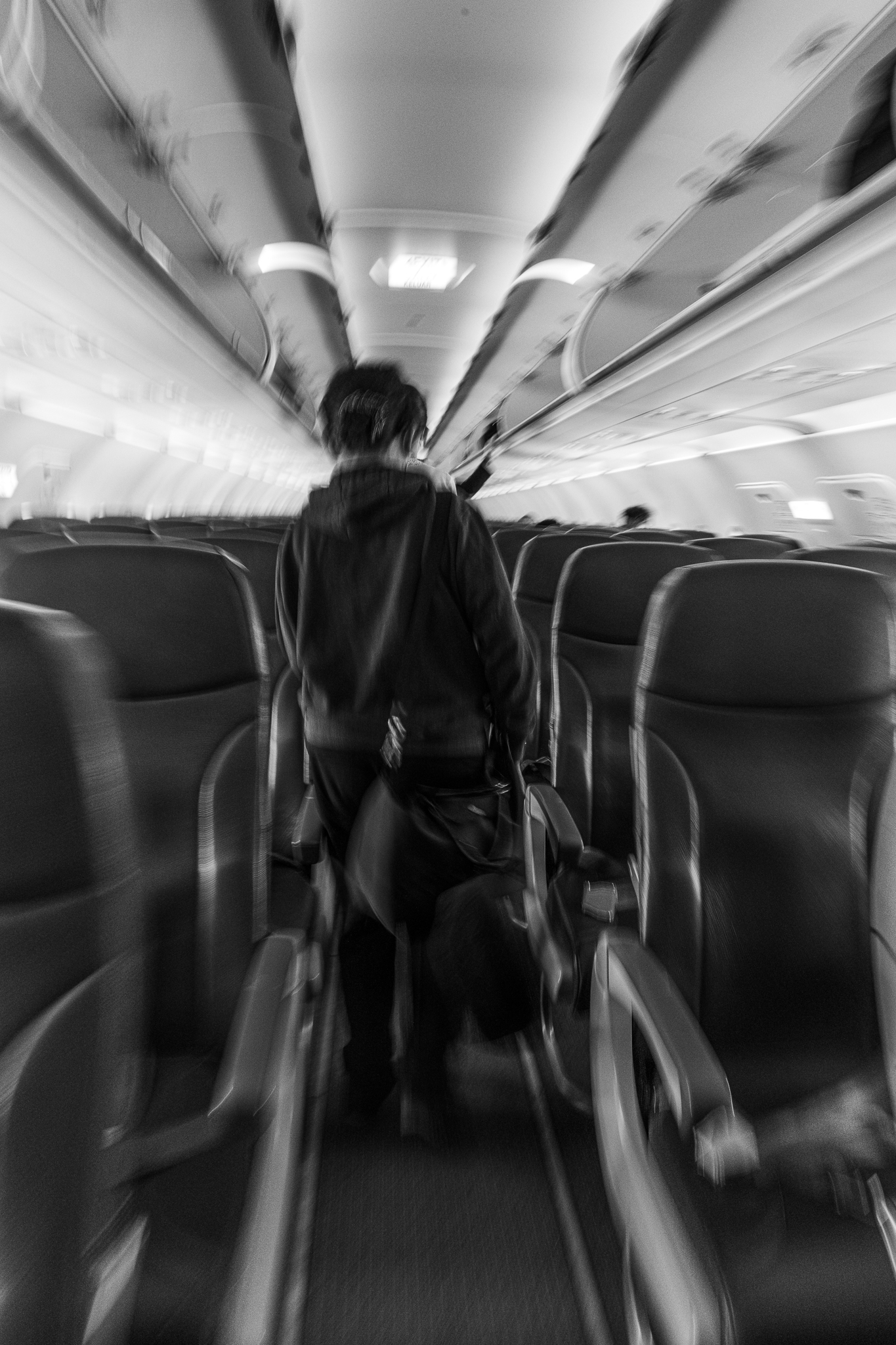
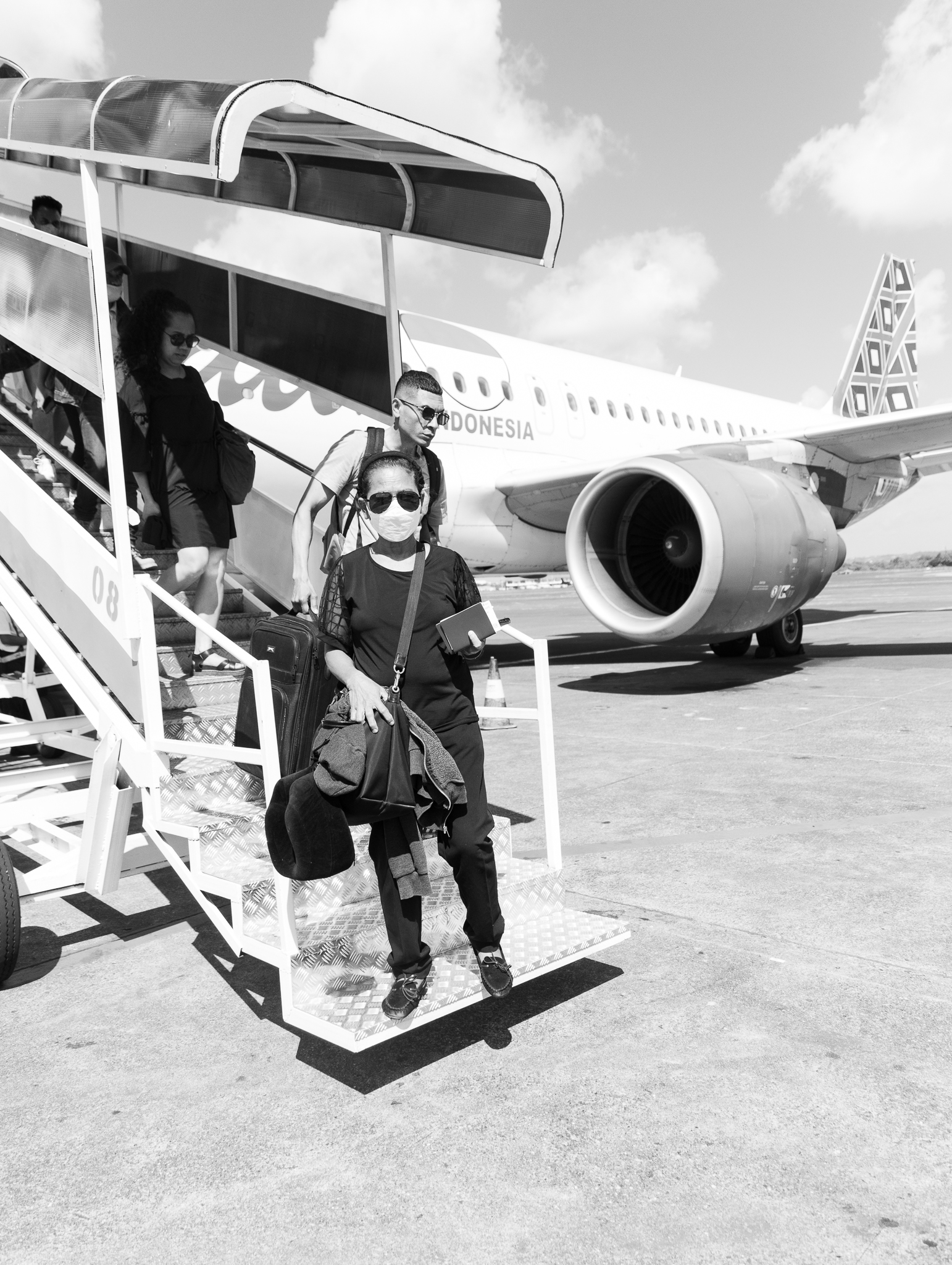
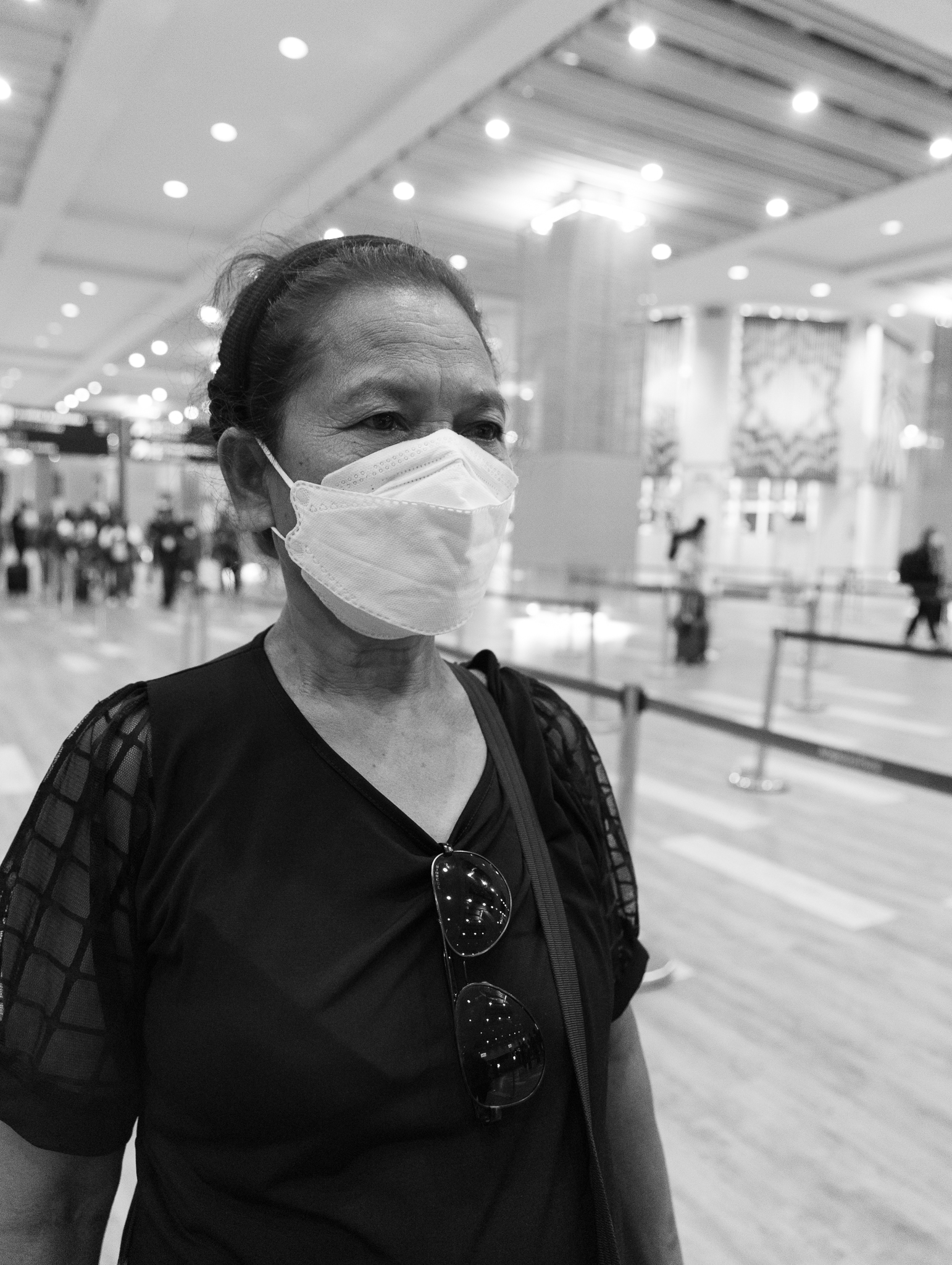
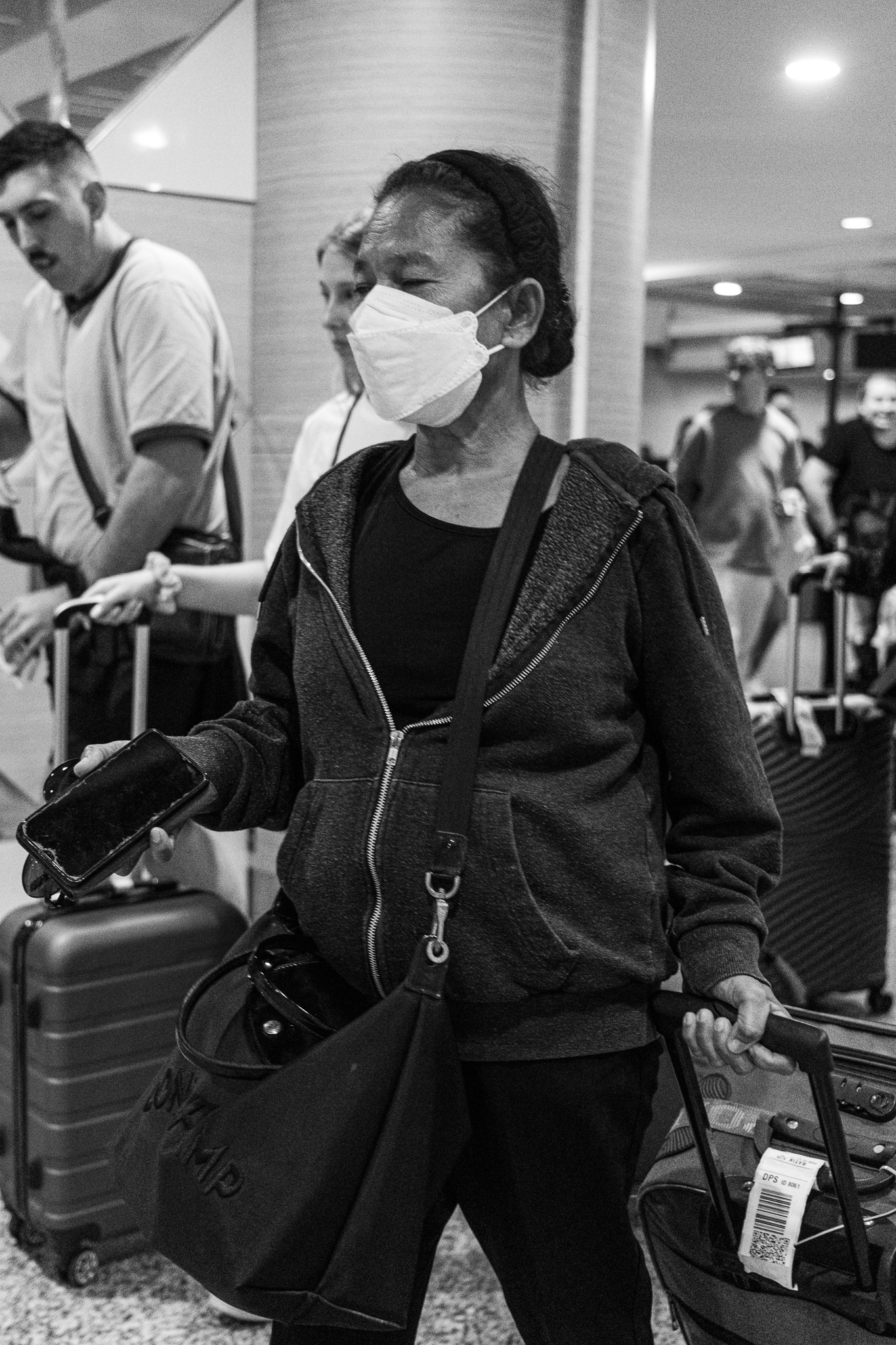
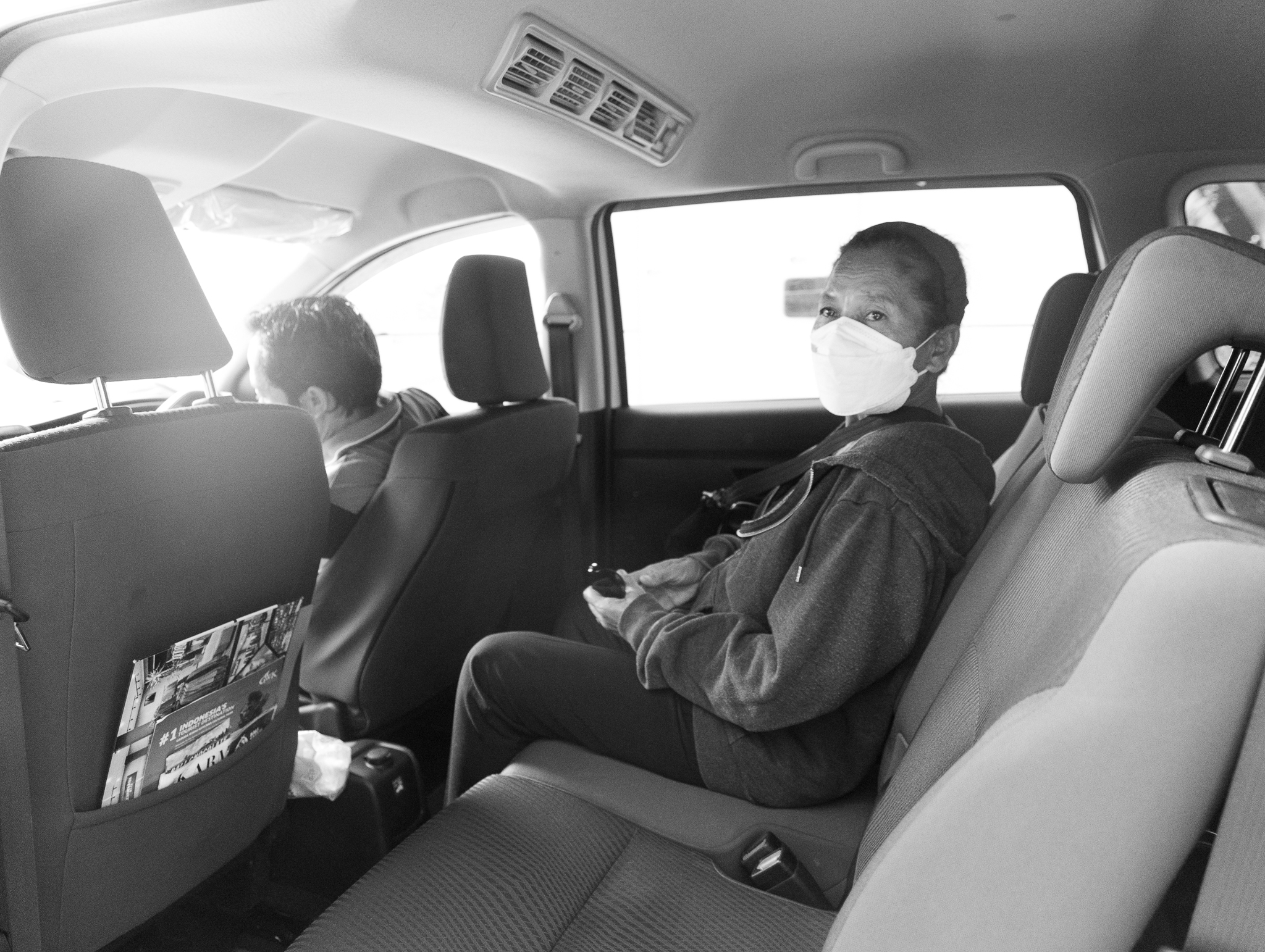
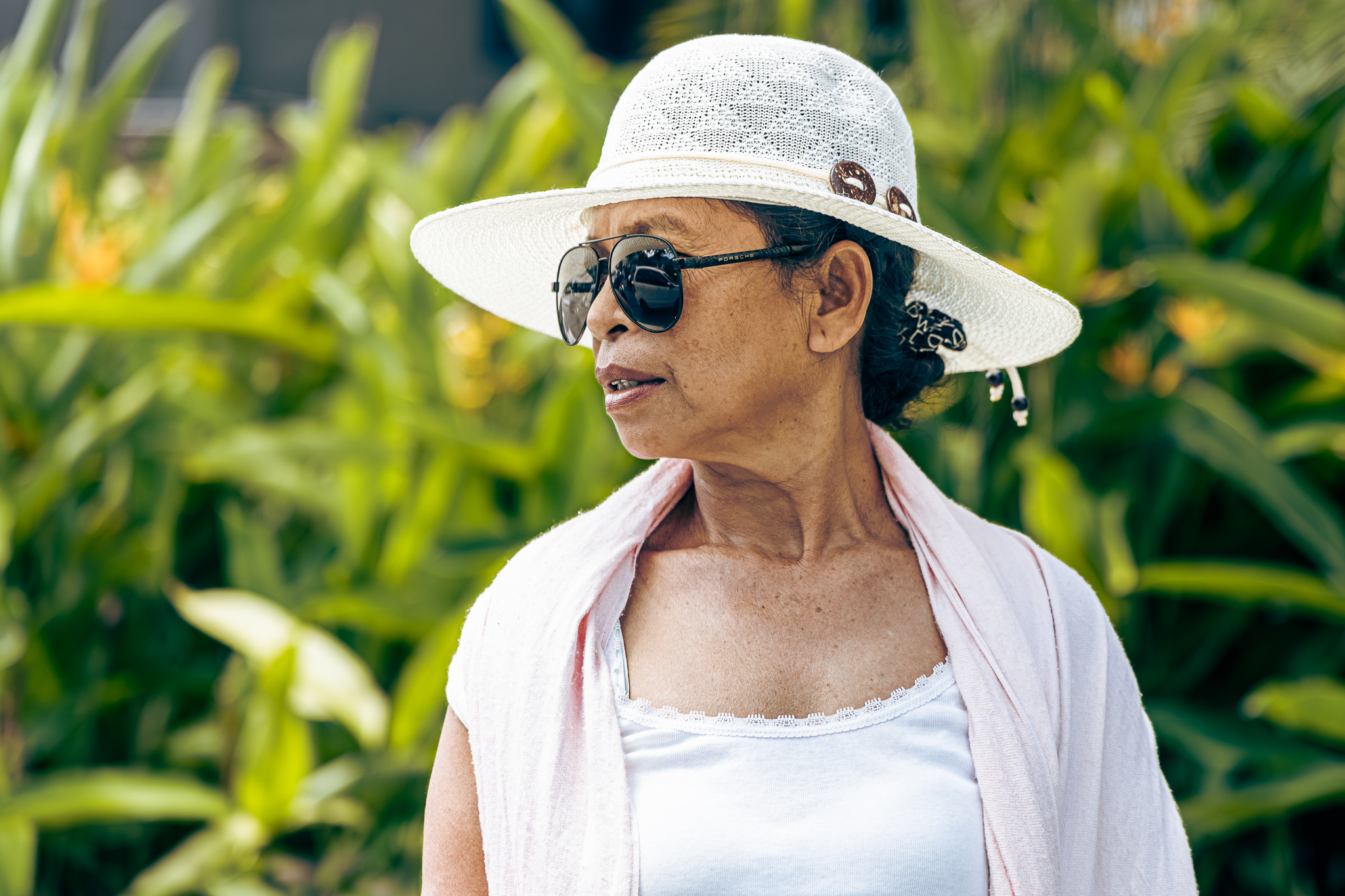
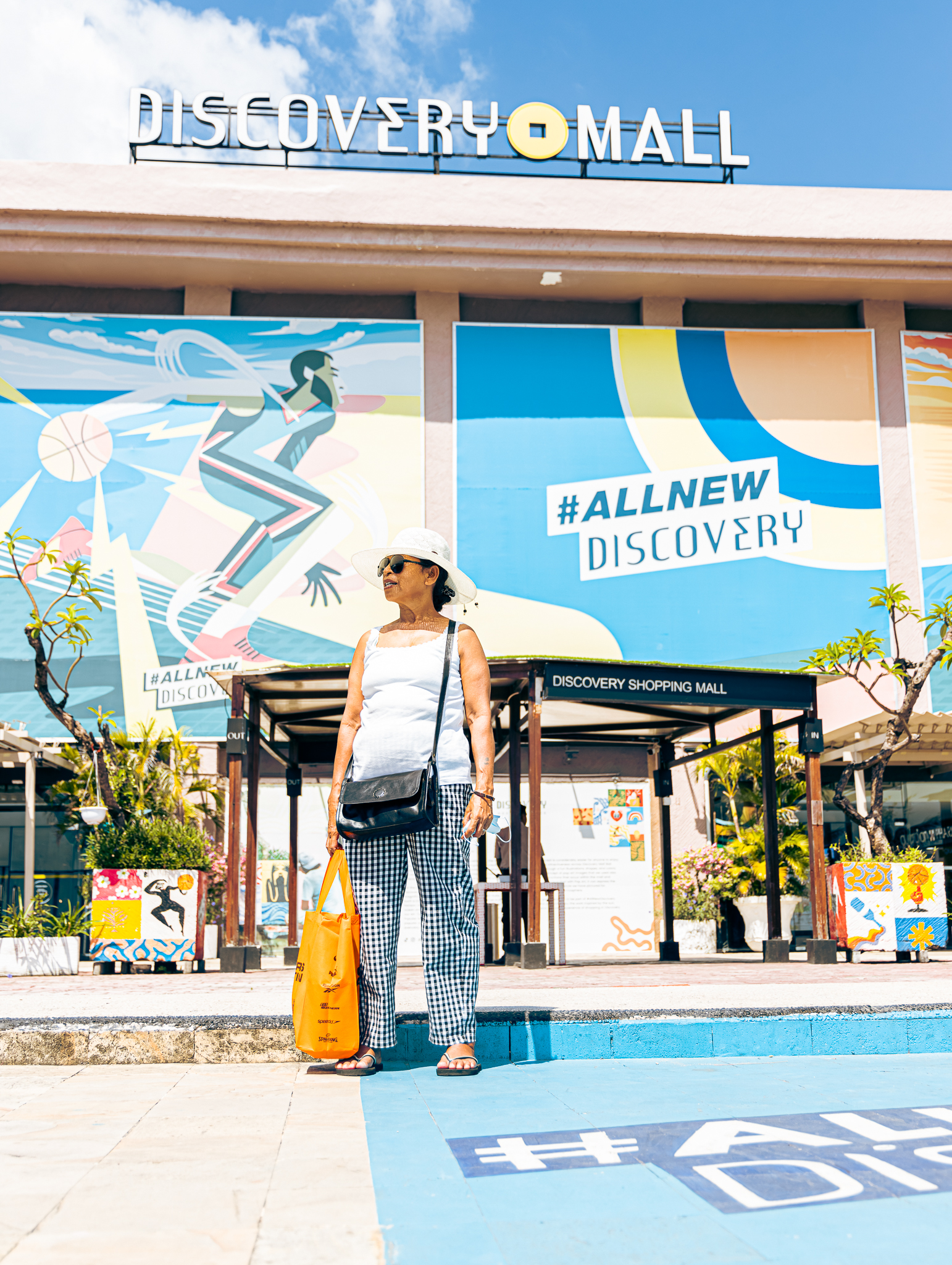
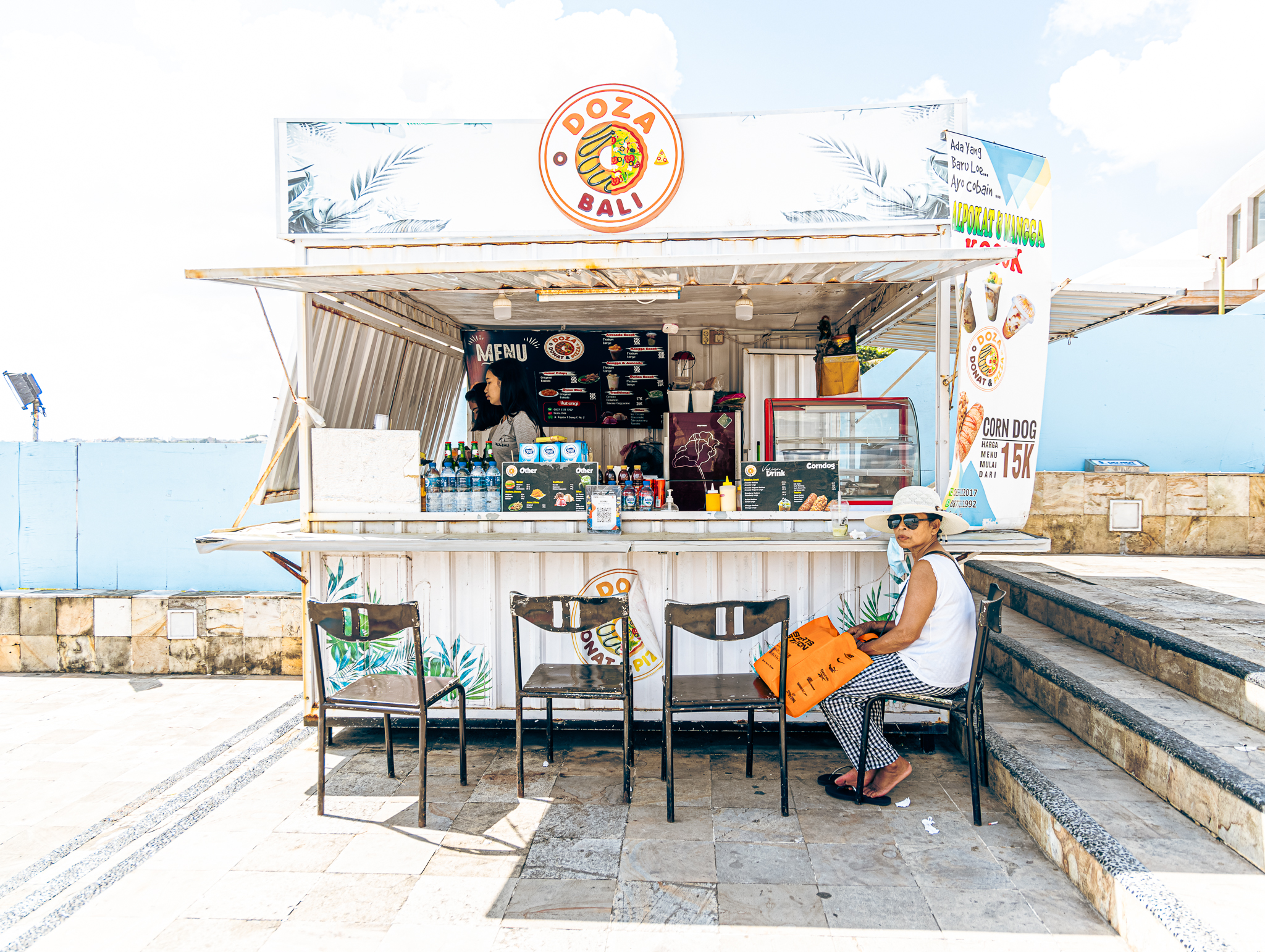
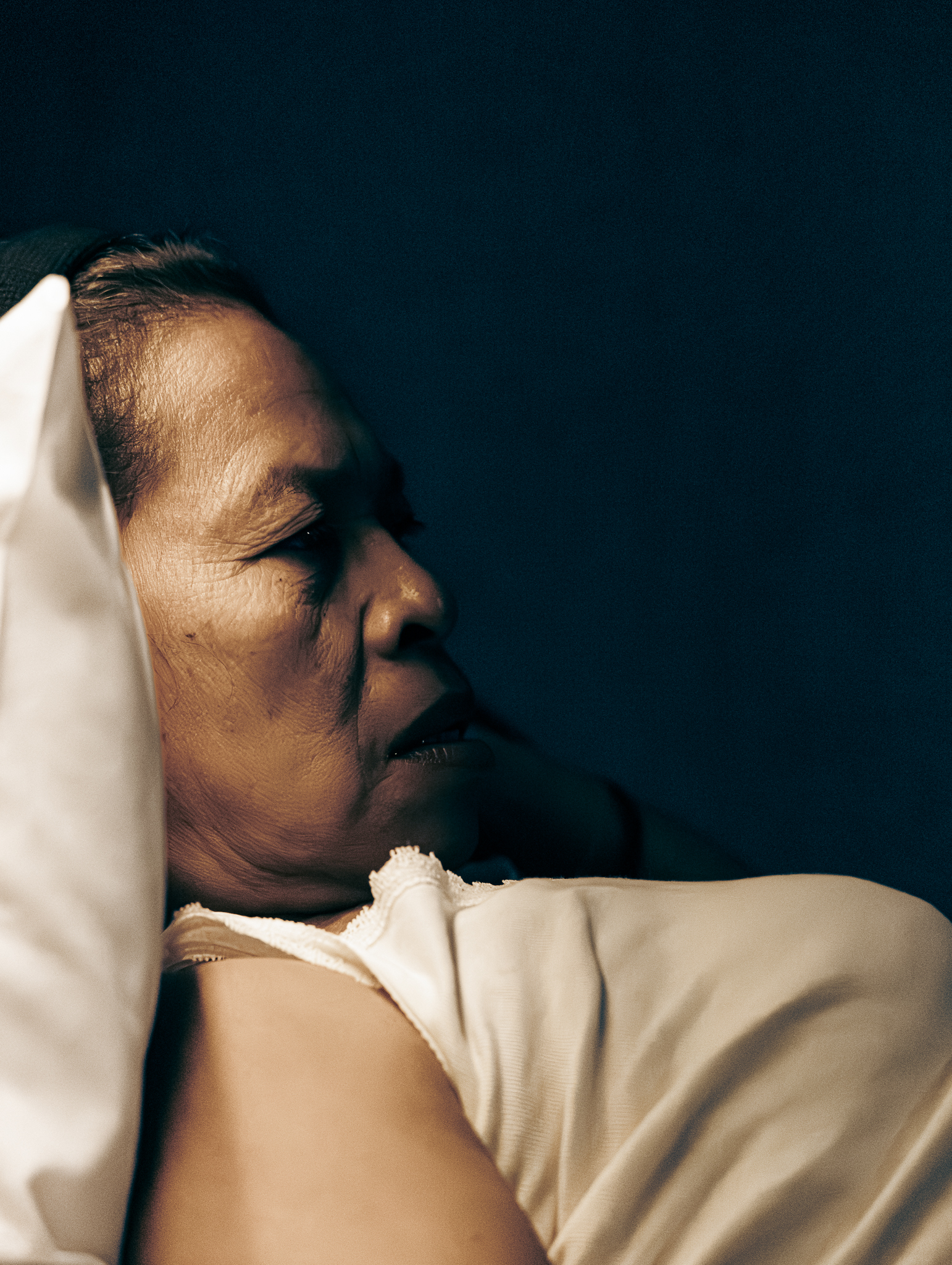
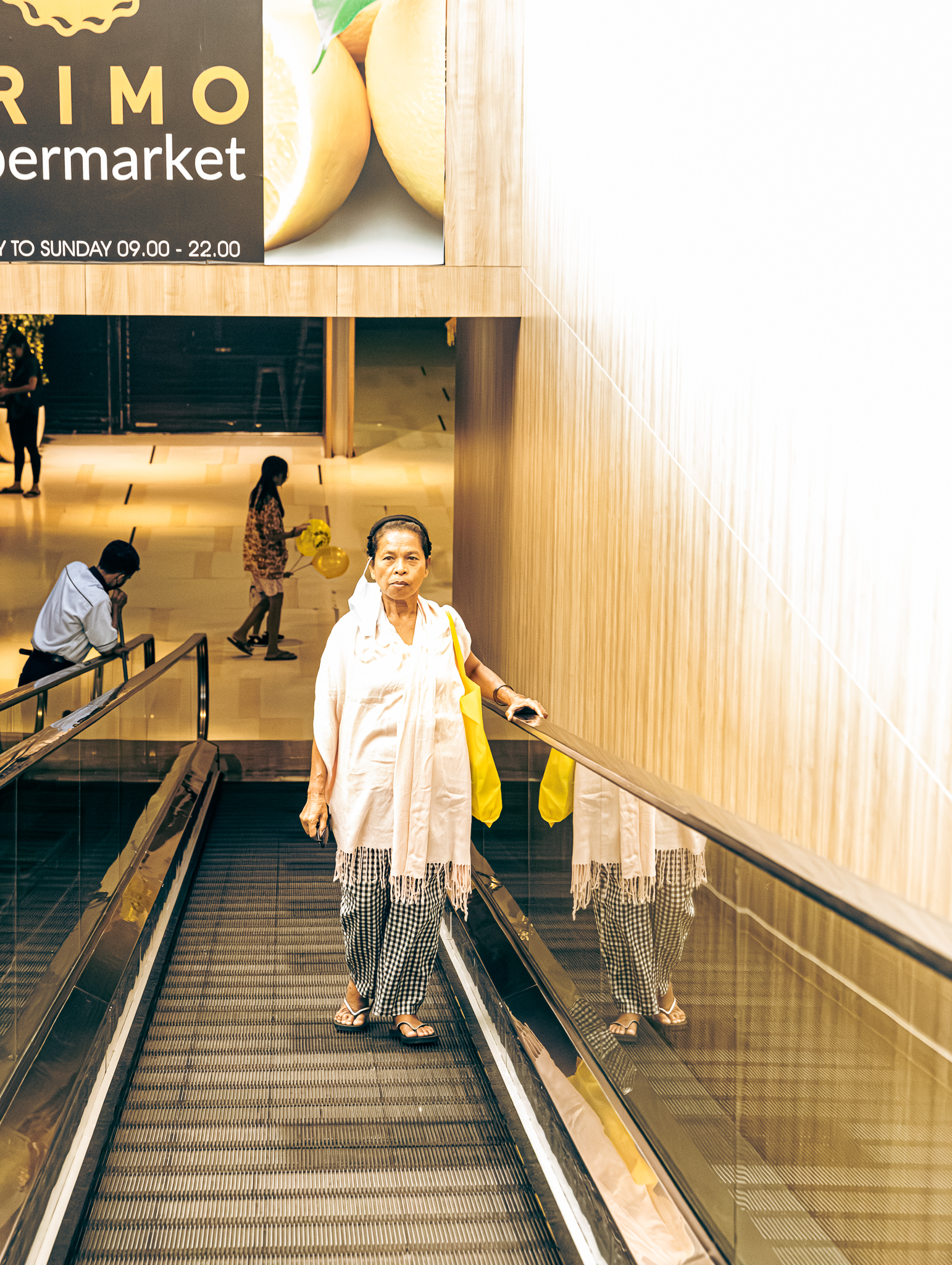
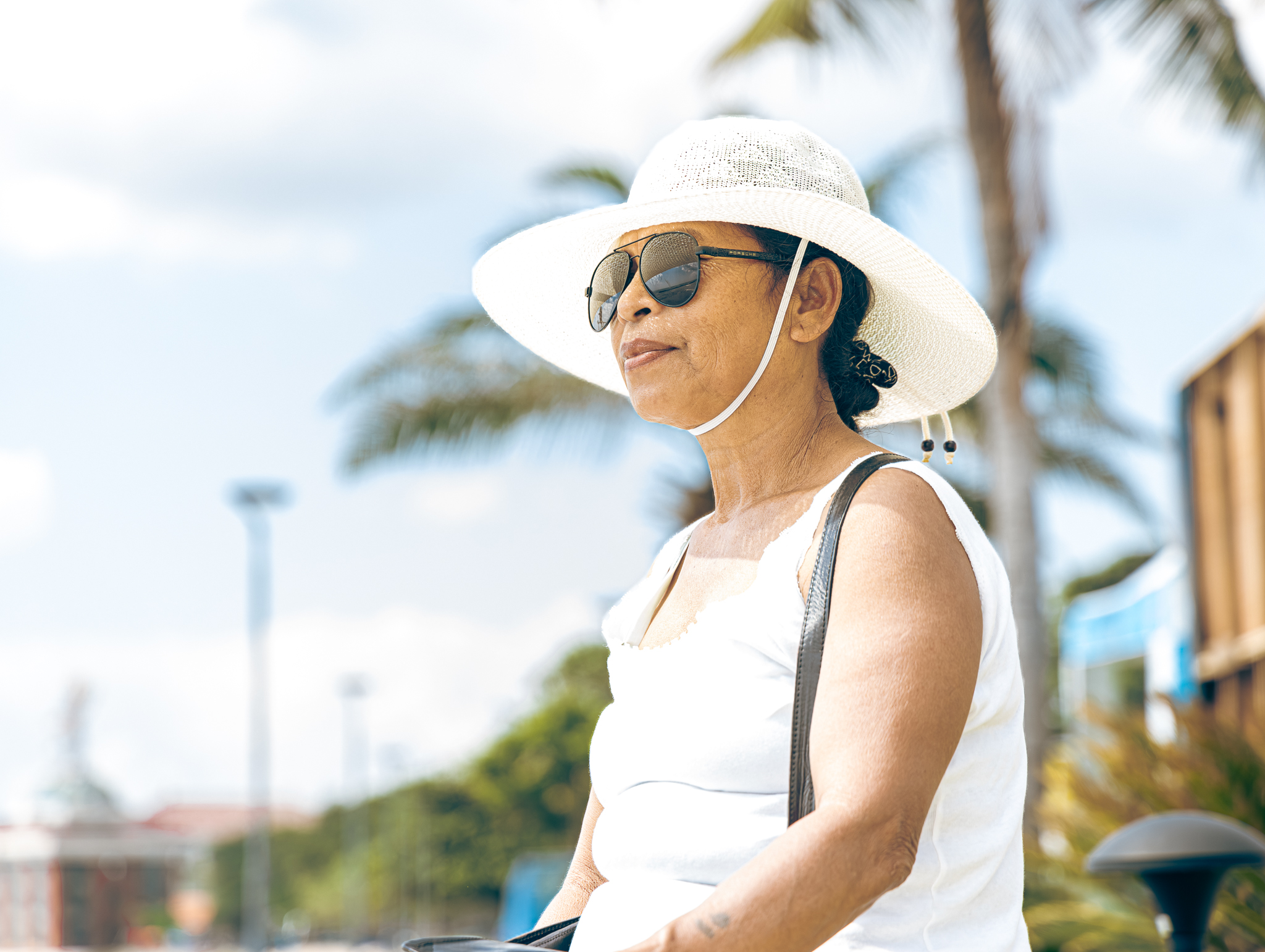
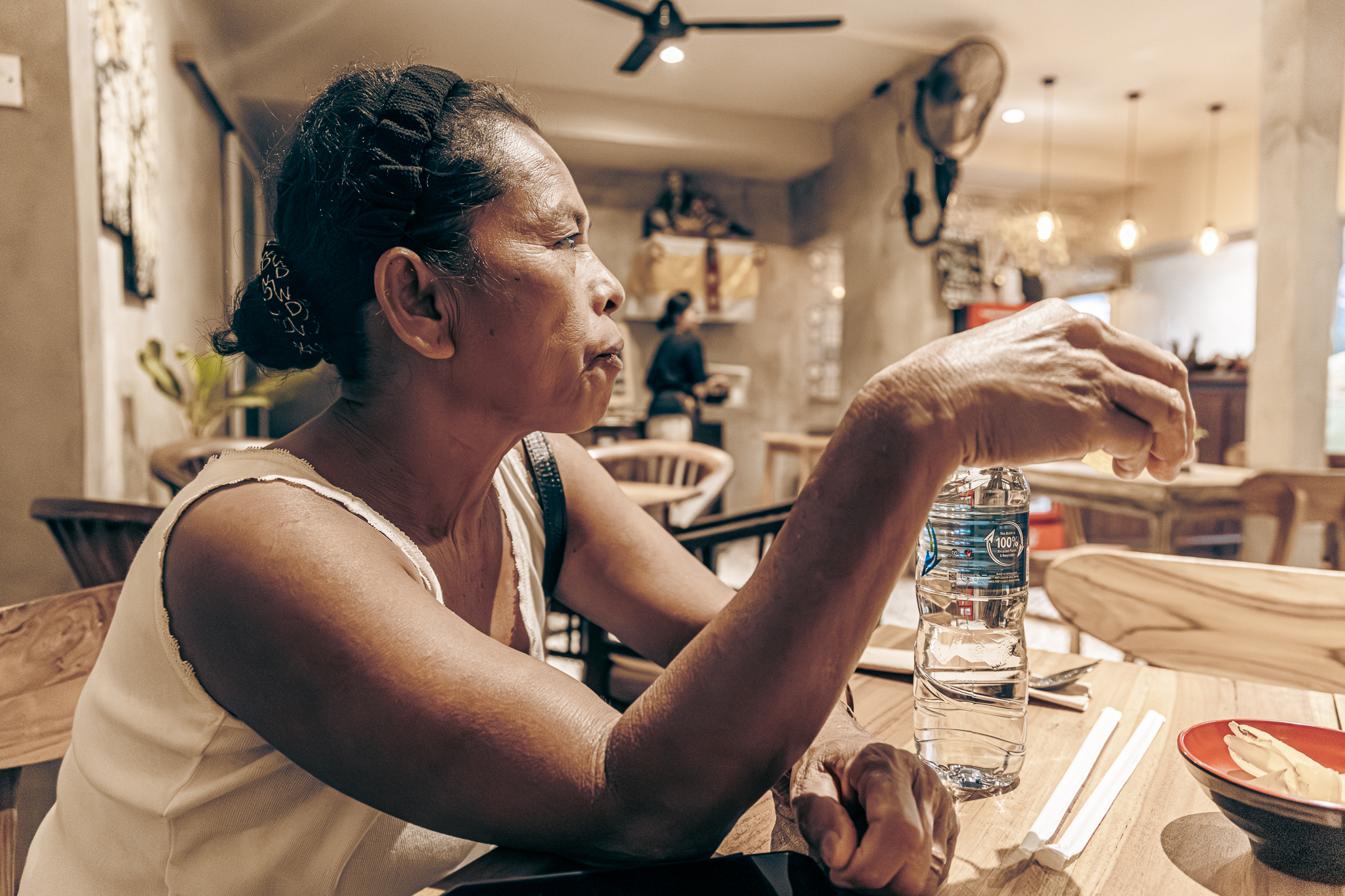
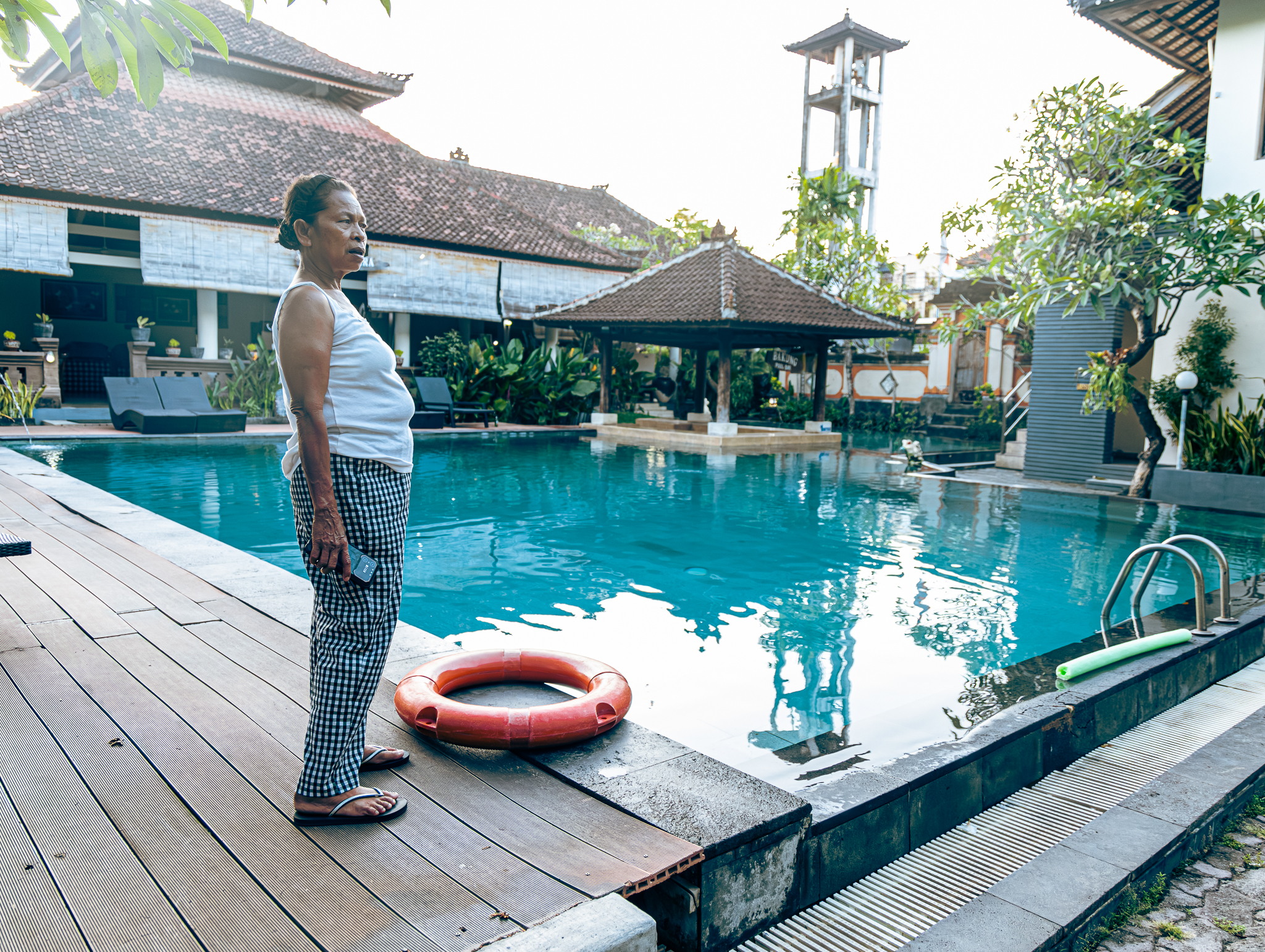
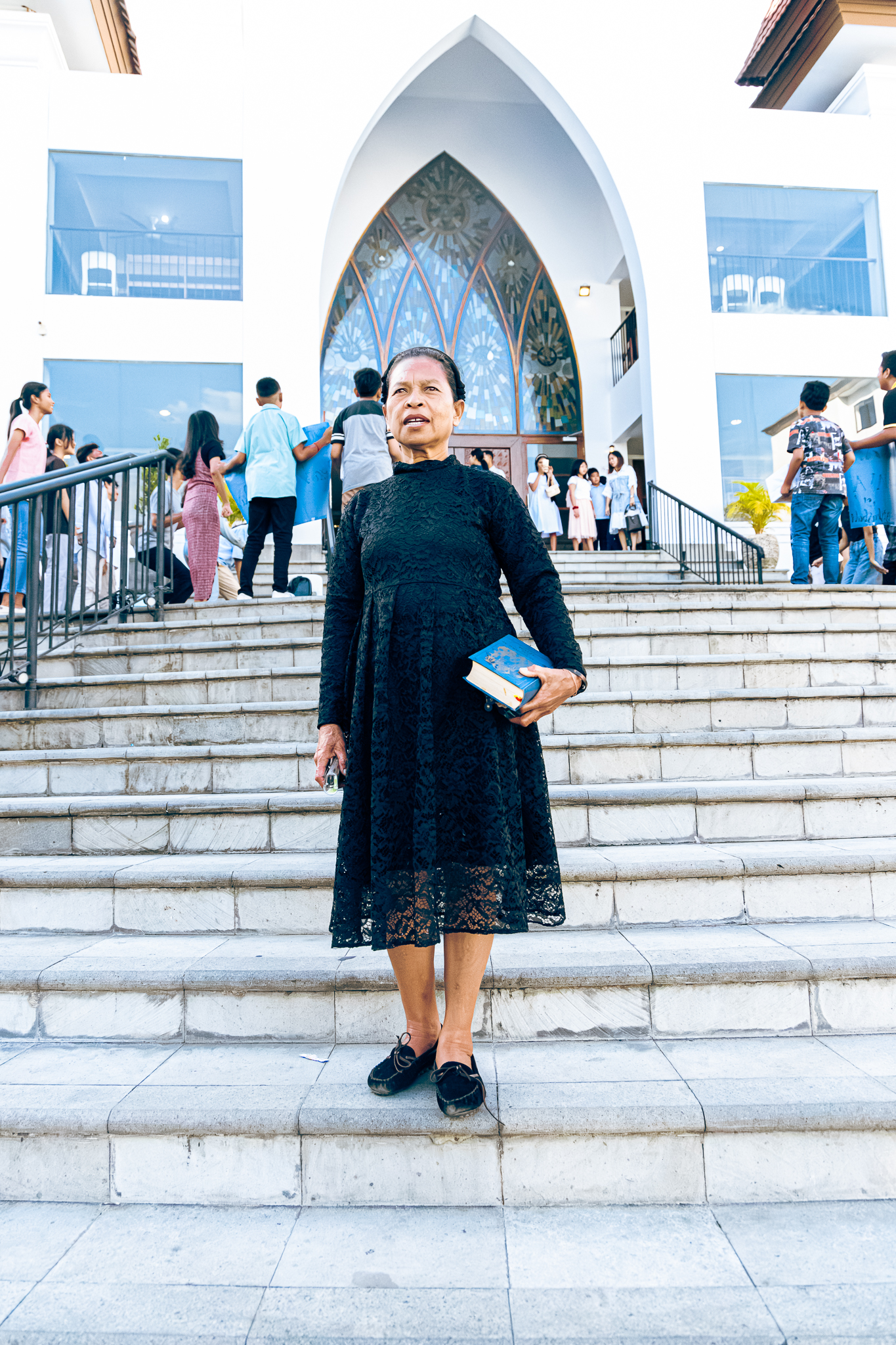
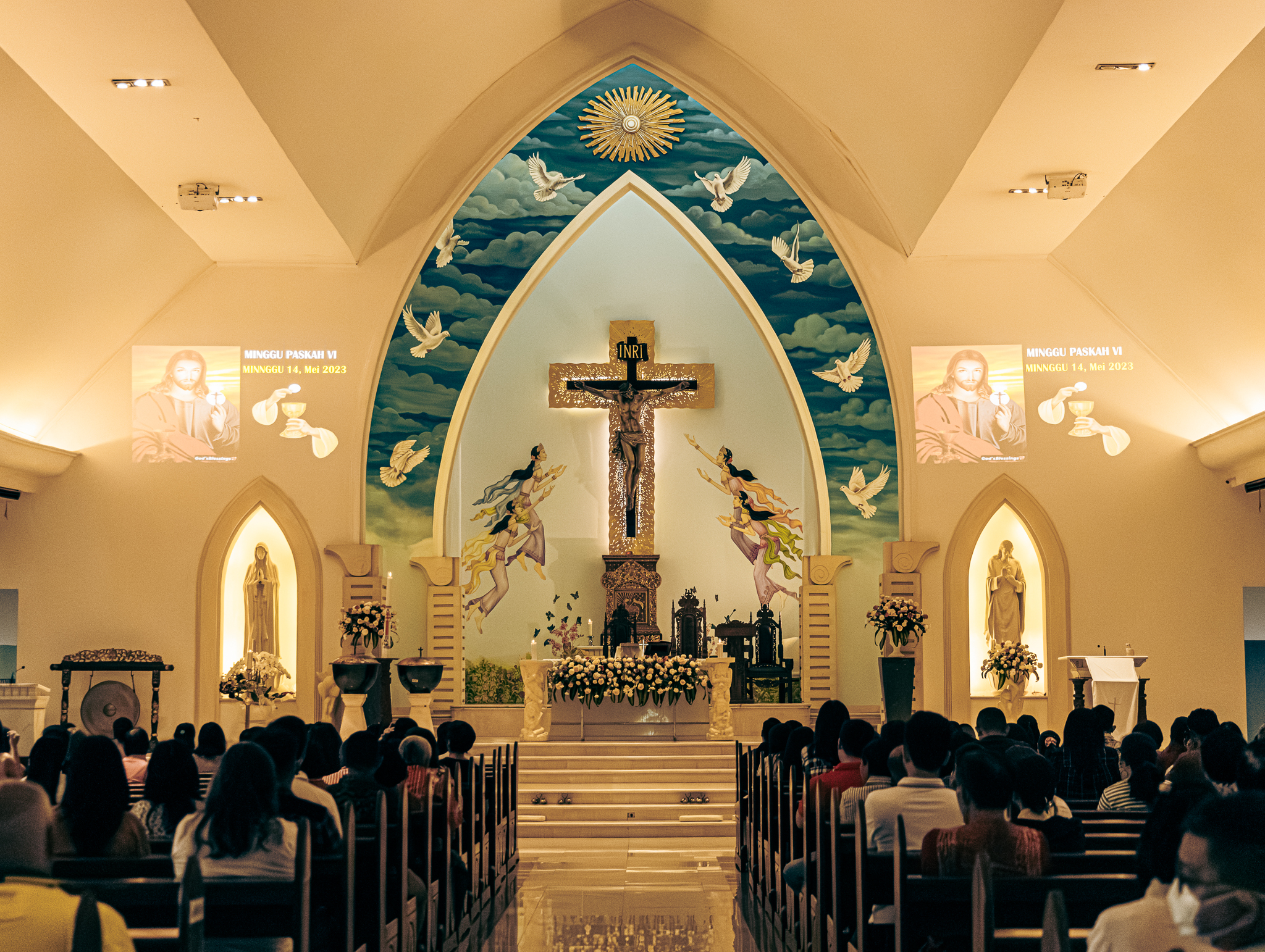
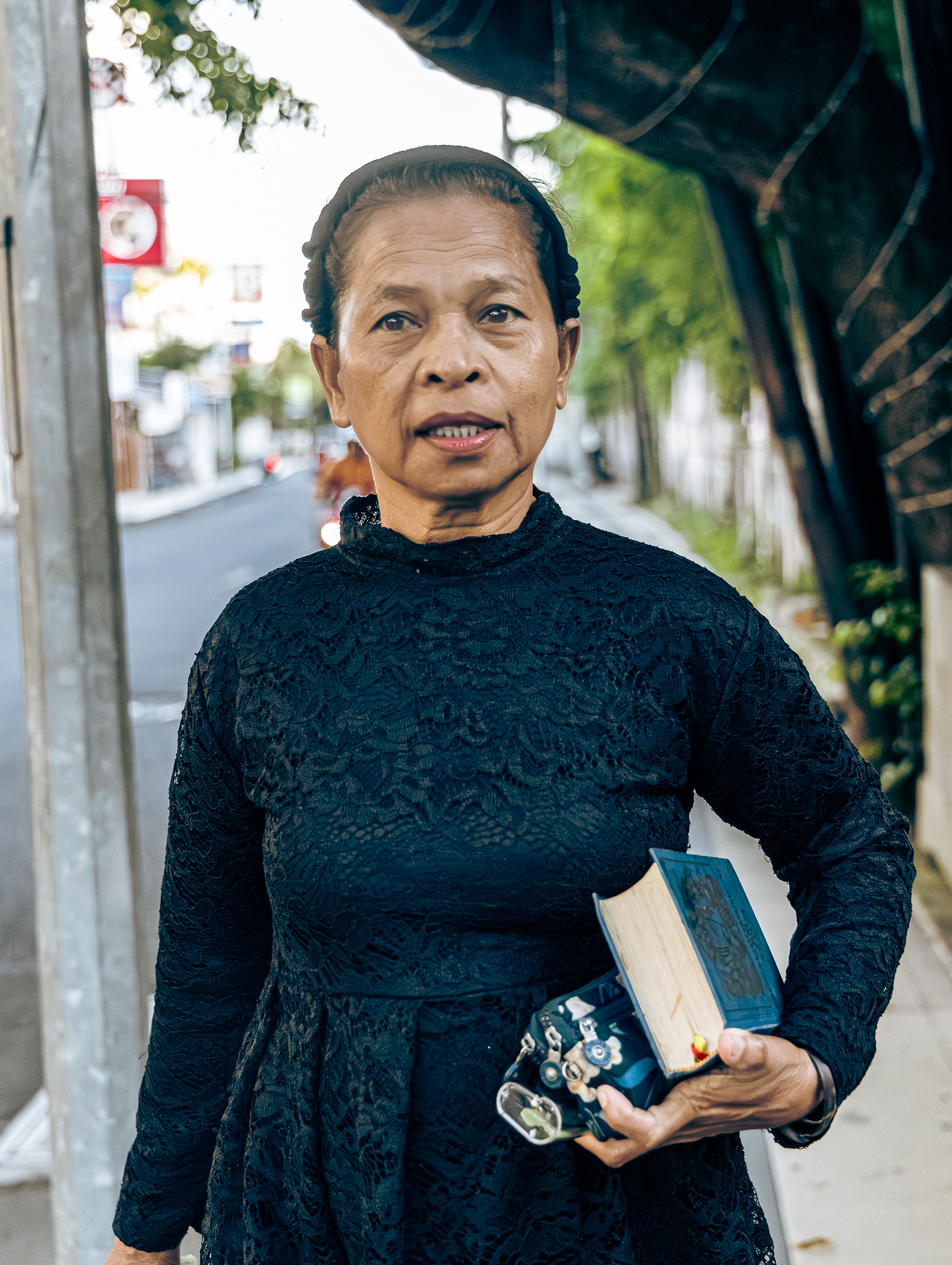
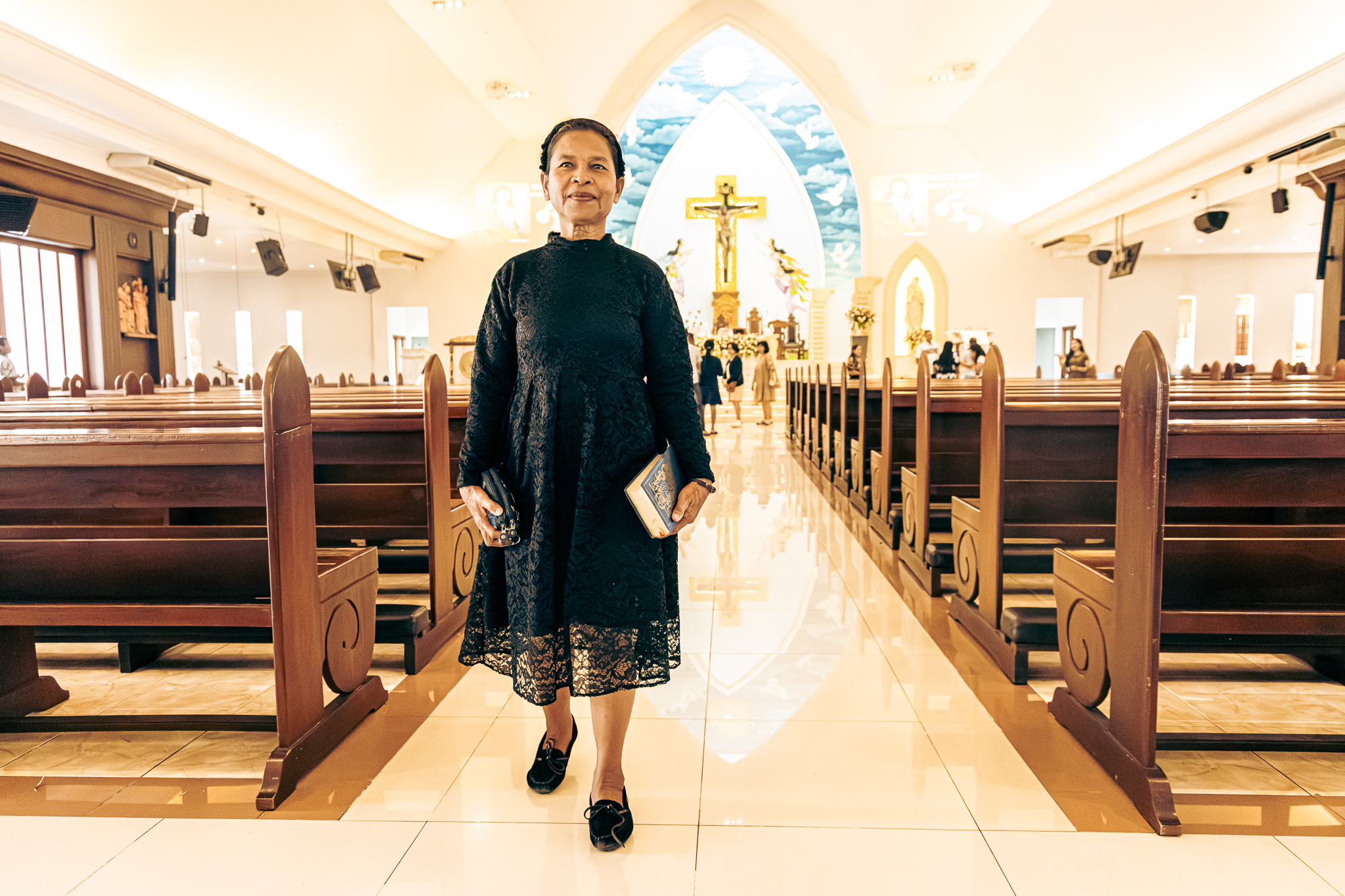
Here are a few more images I think will convey with my proposal:
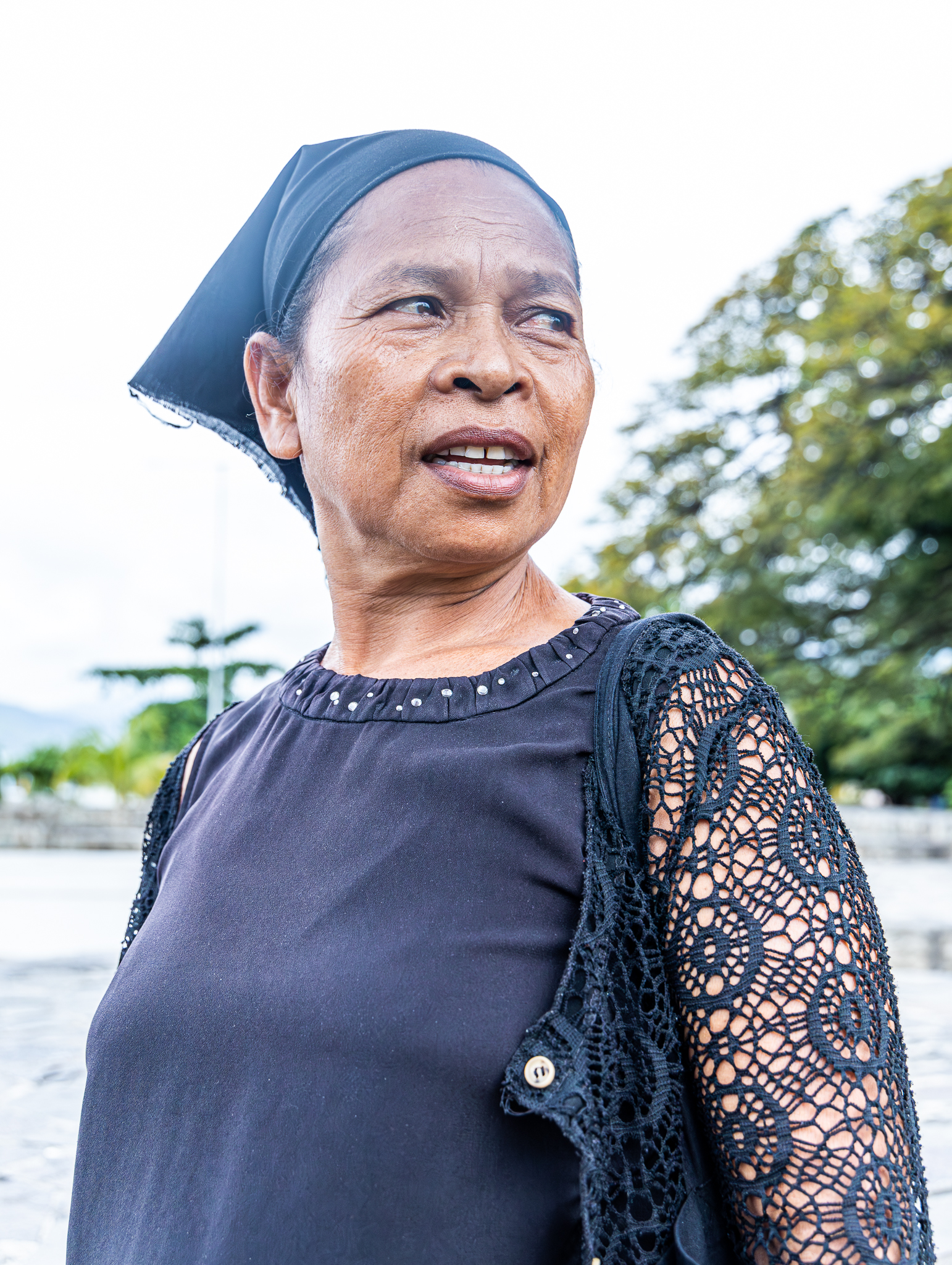
Bibliography
- NPR. 2023. A Photographer Captures Her Journey Reconnecting With Her Mother: The Picture Show: NPR. [ONLINE] Available at: https://www.npr.org/sections/pictureshow/2021/05/09/993251748/a-photographer-captures-her-journey-reconnecting-with-her-mother. [Accessed 24 April 2023].
- Gabby Jones. 2023. Mom — Gabby Jones. [ONLINE] Available at: https://gabbyjones-jpeg.com/mom. [Accessed 24 April 2023].
- Leibovitz, A., 2006. A Photographer’s Life. 1st ed. -: Jonathan Cape.
- Kickstarter. 2023. PERMISSIONS a photo book by Emma Hardy. [ONLINE] Available at: https://www.kickstarter.com/projects/gblimitededitions/permissions-a-photo-book-by-emma-hardy. [Accessed 26 April 2023].
- Nick Hedges Photography. 2023. Nick Hedges Documentary Photographer. [ONLINE] Available at: http://www.nickhedgesphotography.co.uk/. [Accessed 23 May 2023].
- Tate. 2023. Documentary photography | Tate. [ONLINE] Available at: https://www.tate.org.uk/art/art-terms/d/documentary-photography. [Accessed 25 May 2023].
Indopacificimages. 2023. The Island of the Gods – An Overview | Indopacificimages. [ONLINE] Available at: https://indopacificimages.com/indonesia/bali-anchor-page/island-of-the-gods/. [Accessed 21 April 2023].
GlobeRovers. 2023. Bali – Island of the Gods – GlobeRovers. [ONLINE] Available at: https://globerovers.com/bali-indonesia/. [Accessed 21 April 2023].
Culture of Bali: Religion, Music, Dance, Art, Food, Dress | Holidify . 2023. Culture of Bali: Religion, Music, Dance, Art, Food, Dress | Holidify . [ONLINE] Available at: https://www.holidify.com/pages/culture-of-bali-1456.html. [Accessed 21 April 2023].
The Australian Museum. 2023. Balinese Expressions: Baris Dance – The Australian Museum Blog. [ONLINE] Available at: https://australian.museum/blog-archive/science/balinese-expressions-baris-dance/. [Accessed 21 April 2023].
Balinese – Introduction, Location, Language, Folklore, Religion, Major holidays, Rites of passage. 2023. Balinese – Introduction, Location, Language, Folklore, Religion, Major holidays, Rites of passage. [ONLINE] Available at: https://www.everyculture.com/wc/Germany-to-Jamaica/Balinese.html. [Accessed 21 April 2023].
 Rikii Image