
Proposal
“AEROSOLS”
The impact of car emissions on Aerosols.
Aerosols are microscopic particles suspended in the atmosphere (not the spray Aerosol), such as dust, pollution, and carbon, that significantly impact our climate and environment. Natural aerosols, such as volcanic debris, can coexist with manmade aerosols, such as vehicle emissions. In addition to power facilities, industry, and agricultural activities, vehicle emissions are a significant source of aerosols in the atmosphere.
Car emissions are a major contributor to the formation of aerosol particles in the atmosphere, which can have a substantial impact on the environment.
A variety of pollutants, including carbon dioxide, nitrogen oxides, and volatile organic compounds, are found in vehicle emissions. These pollutants combine with other atmospheric pollutants to form aerosols. These aerosols can then be carried through the atmosphere, affecting the air quality in distant locations.
Emissions from cars can also affect the climate by reflecting solar energy back into the atmosphere and reducing the Earth’s surface. This is known as the haze effect, and it can be observed in highly polluted regions. The formation of clouds by aerosols can reduce the quantity of sunlight reaching the Earth’s surface.
The effects of car exhaust on aerosols can have a variety of environmental consequences. Aerosols can damage air quality by creating pollution, which is harmful to people’s health. As a result of their ability to reflect and absorb sunlight, aerosols can adjust temperatures and weather patterns.
The optimal method to reduce the impact of car emissions on aerosols is to reduce air pollution levels. This can be accomplished by enhancing the performance and efficiency of engines and by utilizing cleaner fuels. Governments and individuals can contribute to the reduction of car emissions by utilising more fuel-efficient vehicles, travelling less, utilising public transportation and utilising manual push bikes and other alternative transport that are environmentally friendly.
In conclusion, vehicle emissions are a significant source of atmospheric aerosols. By reflecting and absorbing sunlight, these aerosols can degrade air quality and influence the climate. Governments and individuals can take measures to reduce emissions and increase vehicle efficiency in order to reduce the impact of car emissions on aerosols.
According to the climate and development knowledge network in 2017, an estimated more than 7 million people died from aerosol pollution because of lung and heart disease problems.
We may view the aerosol by climbing a hill or tall building and observing the layer of hazy pollution floating over the huge city, as a result of the significant amount of Aerosols generated by vehicle activity, household chimneys, and urban factories/industries in the large city.
Yes, aerosols are related to air pollution. These particles contribute to air pollution and bring a huge negative impact on human health.
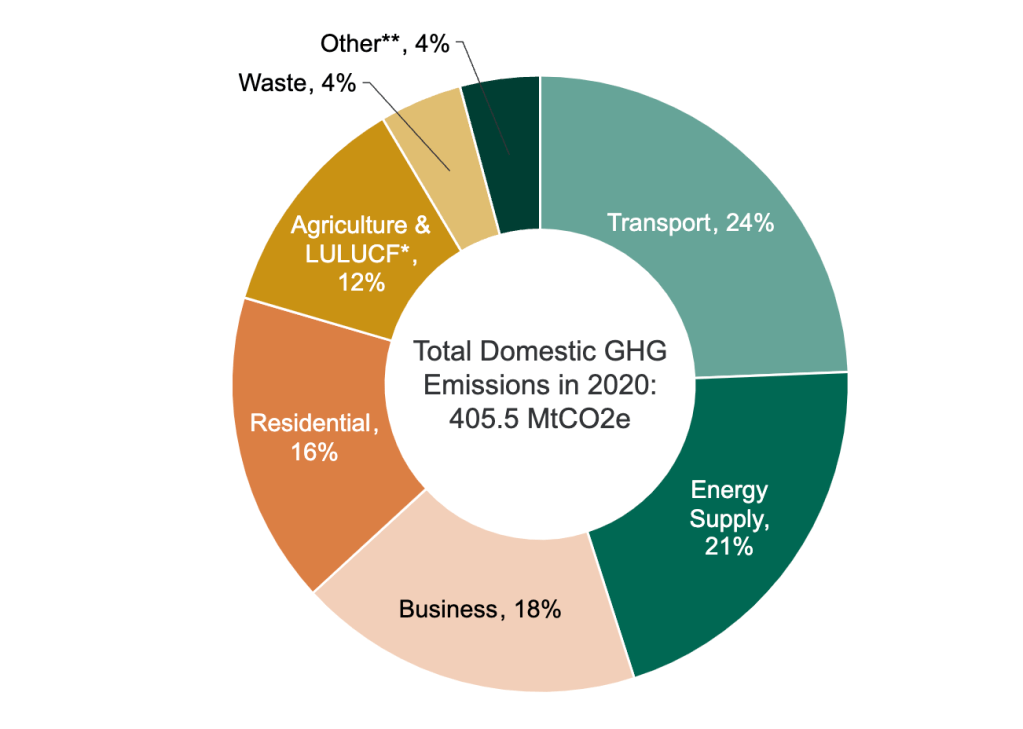
Based on my proposal, I would like to photograph vehicles because according to the UK Government’s department of transportation data for 2022, 24% (32,889,462 cars in 2021 and keep increasing since 1994 with number 21,1999,203) of all domestic emissions are attributed to transportation. What I mean by transportation is vehicles with tires and motor machines that generate power by burning fuel on the road asphalt.
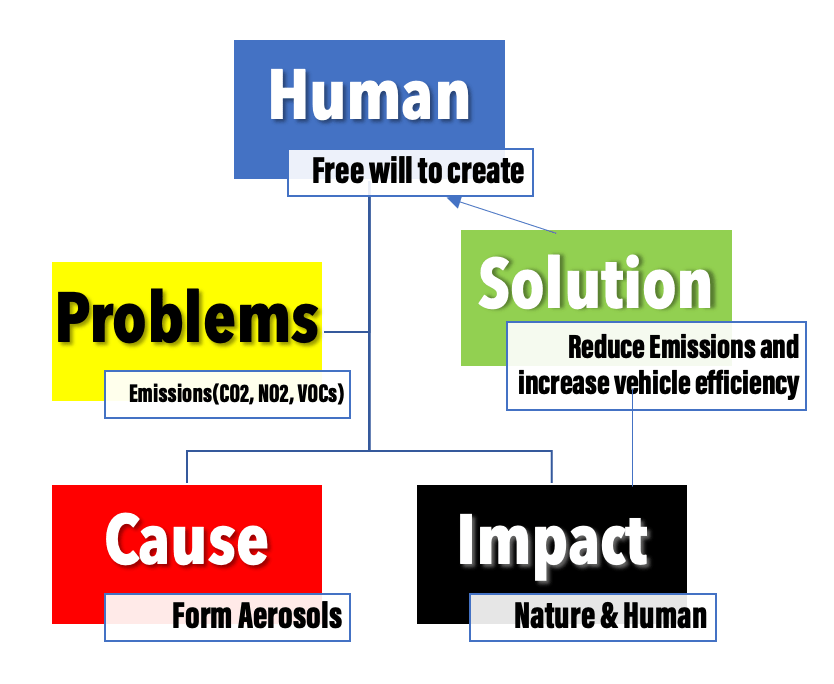
By photographing the vehicles, pedestrians, cyclists and scooters as alternative transport I simply want to bring attention to the problems, causes and solutions or alternative solutions to tackle pollution.
Let’s start with little things like aerosol, but be consistent by altering our lifestyles to prevent the increase of aerosol in the environment.
I believe little things do make a difference if you hold on to consistency.
The REDEVELOP PROPOSAL
“LAND TRANSPORT POLLUTION“
The impact of land transportation on air quality.
There is no doubt that air pollution is a major environmental health concern for humans. According to the UK Government’s department of transportation data for 2022, 24% (32,889,462 cars in 2021 and keep increasing since 1994 with number 21,1999,203) of all domestic emissions are attributed to transportation. What I mean by transportation is to focus only on vehicles with tires and motor machines that generate power by burning fuel on the road asphalt. A variety of pollutants, including carbon dioxide, nitrogen oxides, and volatile organic compounds, are found in vehicle emissions. These pollutants combine with other atmospheric pollutants to form bad air quality that endangers human health.
Based on the Climate and Development Knowledge Network in 2017, an estimated more than 7 million people died from pollution because of lung and heart disease problems.
In this project, I would love to present my way on how to convey air pollution in our everyday life in circles such as identifying the problem, discovering the cause and presenting the solution.
By photographing the vehicles, I hope to draw attention to the problem of transportation-related air pollution and its effect on aerosol concentrations.
Capturing photographs of buses, scooters, and bicycles demonstrates an alternative method for reducing air pollution caused by transportation.
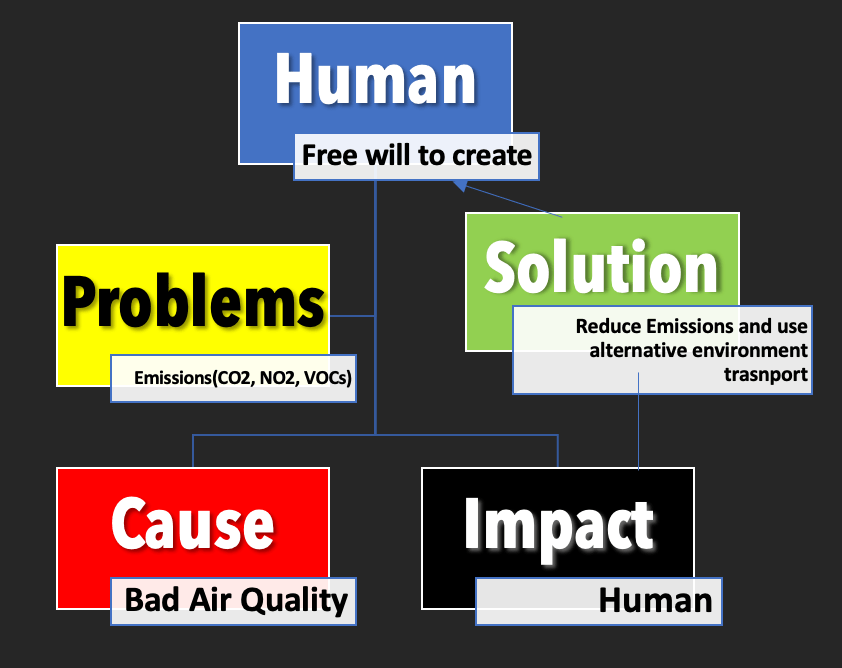
As a photographer, all I want to do is demonstrate that people are the cause of the problems we face today, that they are the ones generating pollution, also I would like to encourage people to use more public transport and increase awareness of this fact that we can hope to reduce this problem; by using bikes, electric scooter, bus and train.
In order to accomplish this, I will showcase street photography techniques by photographing land transports and people in order to convey my proposal regarding transport pollution.
Research
UNDERSTANDING THE Climate Crisis
Climate Crisis
The climate crisis is the word used to characterise the recent extreme and quick changes in the Earth’s climate. Human activity, such as the burning of fossil fuels for energy, has created these changes, which have led to a rise in global average temperatures, disruption of weather patterns, and severe weather occurrences such as floods, droughts, and heat waves. Global ecosystems, the economy, public health, and human rights are all adversely affected by the climate issue, which has far-reaching consequences.
The IPCC (Intergovernmental Panel on Climate Crisis) First Assessment Report of 1990, provides data on global average temperatures since 1970. The data shows a steady increase in global average temperatures with
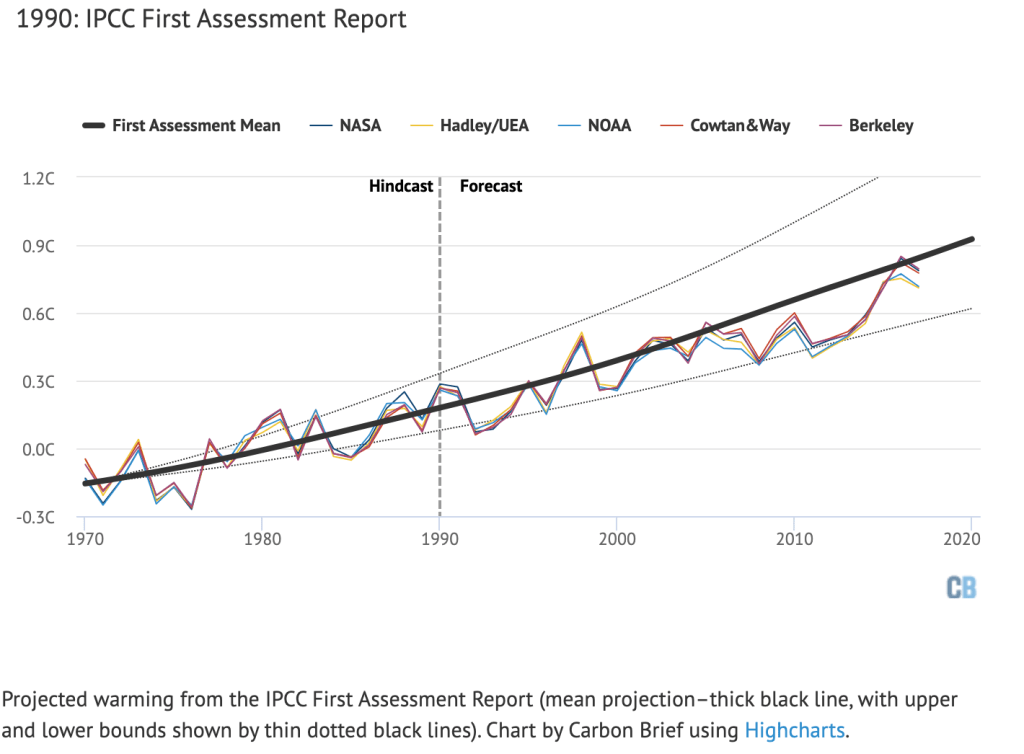
the most significant rises occurring since the late 1970s. The trend is expected to continue, with the IPCC projecting a further increase of 1.5°C to 2°C by the year 2022 and will continue to rise.
Source of climate crises BY ALL SECTORS
The most significant contributor to climate change is the actions of humans. Carbon dioxide is one of the most important greenhouse gases, and its emission into the atmosphere occurs when fossil fuels such as coal, oil, and natural gas are burned.
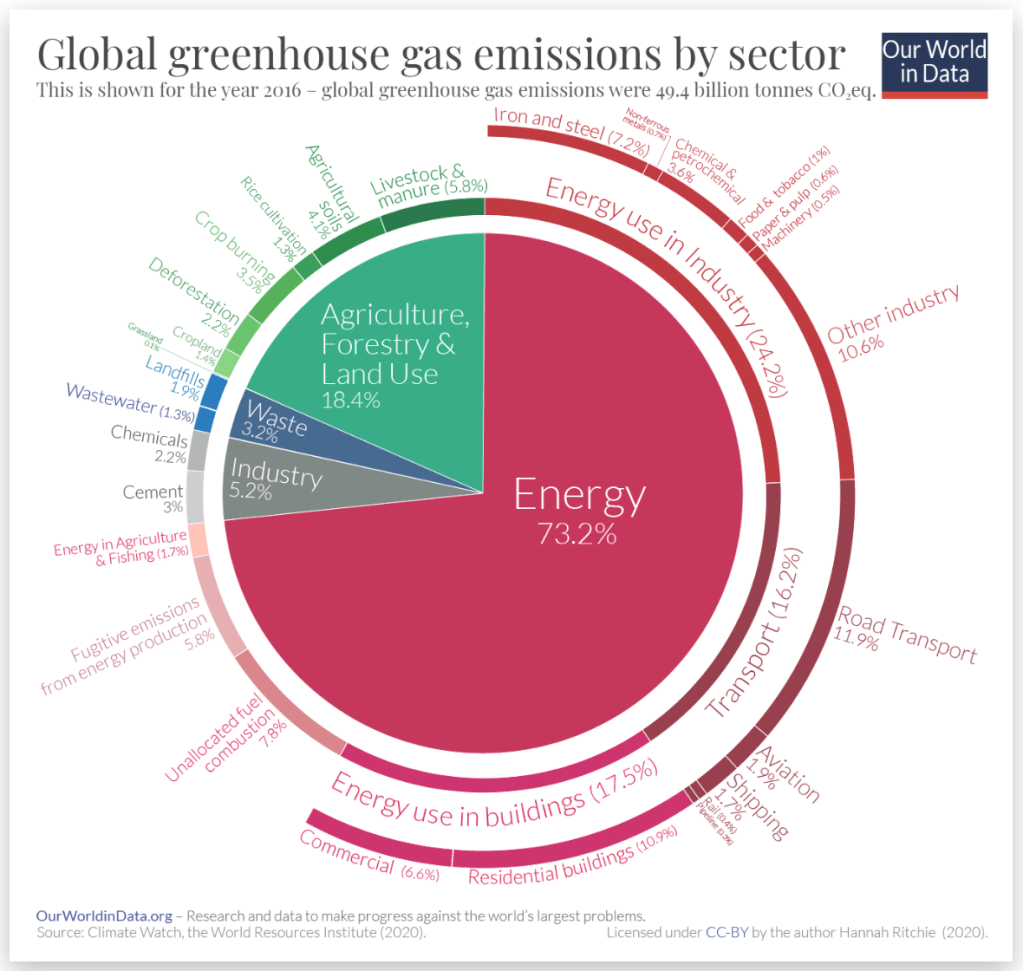
This causes heat to be trapped, which in turn contributes to global warming. The number of trees that are able to take up carbon dioxide and release oxygen is reduced as a result of deforestation, which is another factor that contributes to climate change. Agriculture, industrial operations, and transportation are all activities that release more aerosols into the atmosphere, which in turn contribute to climate change.
Impact of Climate Crisis
The effects of climate change on the global ecosystem and humanity are massive and extensive. As a result of increasing temperatures, glaciers and sea ice have melted and sea levels have risen in the Arctic and Antarctic areas, which have seen some of the worst consequences. The Mediterranean has seen more frequent and violent heatwaves, droughts, and wildfires than other regions. In addition, the frequency and severity of hurricanes and other severe weather events have increased in tropical regions, such as the Caribbean.
Based on the data from NOAA the impact of climate change has interconnected effects on civilization. Drought affects food production and health. Flooding spreads illness and harms ecosystems and infrastructure. Health difficulties may raise mortality, decrease food availability, and reduce labour productivity. Climate change affects everything. Yet, climate change consequences vary throughout the nation and the world—even within the same city, impacts might vary across neighbourhoods or people. Underserved communities are frequently the most exposed to dangers and have the fewest means to react due to long-standing socioeconomic inequalities.
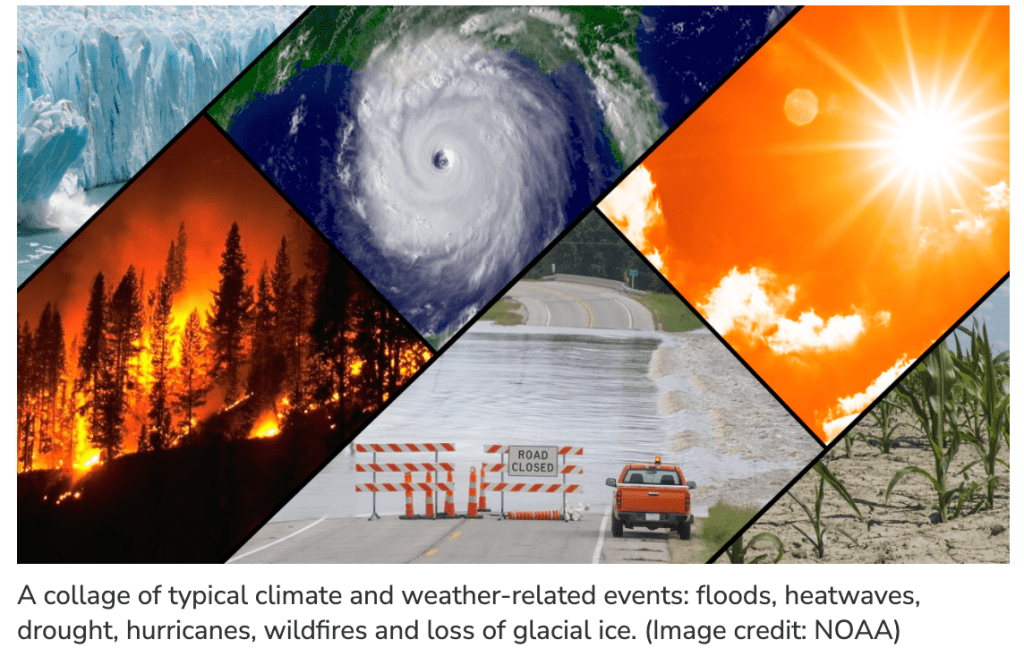
Climate change estimates are not inevitable. We know many issues and study keeps finding more. Limiting and bringing emissions to zero fast may prevent the worst impacts, experts say. New technologies and infrastructure will create jobs and reduce greenhouse gas emissions. Lowering emissions will also save lives and billions in health costs.
Solution
In everyday real-life practice, there are many ways to tackle climate crises. Some of the most effective strategies include reducing carbon emissions, increasing energy efficiency, switching to renewable energy sources, and planting more trees.
artists/PHOTOGRAPHERS
Ansel Adams (1902-1084) (Historical Artist)
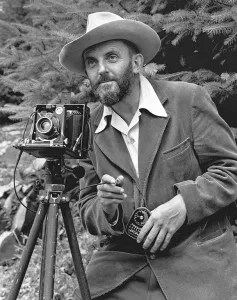
Born in San Francisco, California on February 20, 1902, and died in Carmel, California on April 22, 1984. Ansel Adams was largely recognised as the greatest landscape photographer of the twentieth century. His reputation has only increased after his death, and he is often regarded as the most renowned and adored photographer in American history.
“Moonrise, Hernandez, New Mexico” was one of the artist’s most recognisable works (1941). This photograph highlights the beauty of the countryside and the fragility of the ecosystem and has become a symbol of the climate crisis campaign from The Climate Reality Project (non-profit organisation) 2019, led by former US Vice President Al Gore.
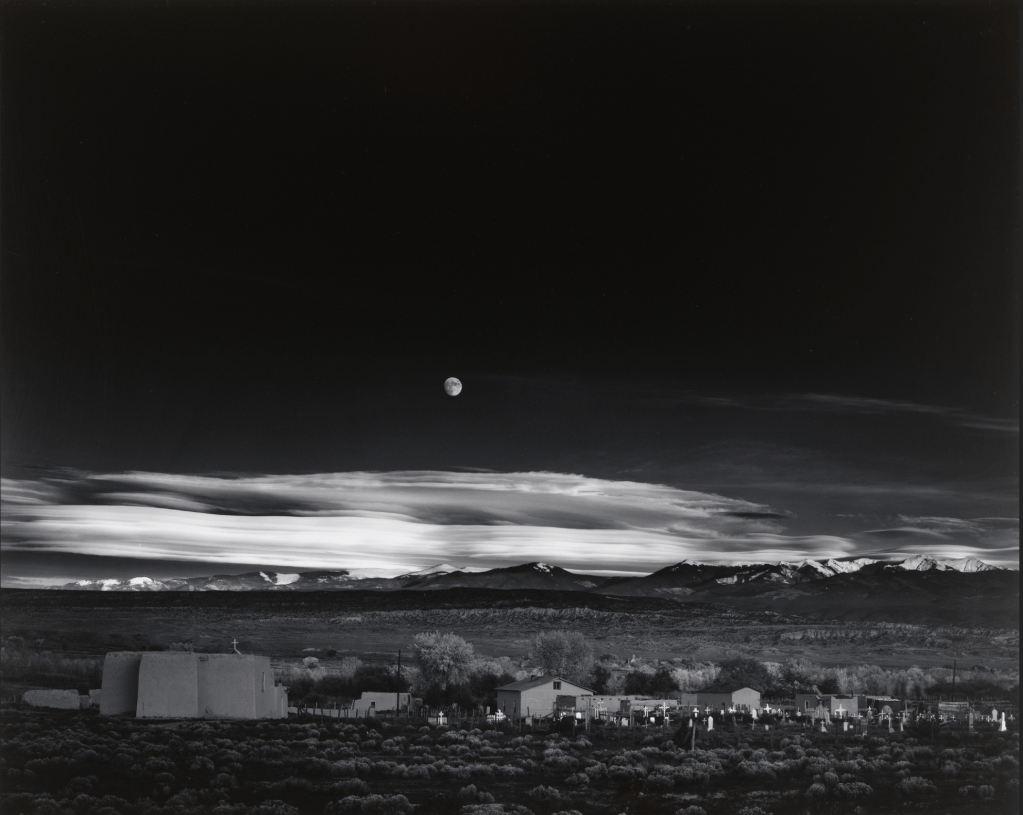
This image captures a moment of tranquilly and serves as a reminder of the need for environmental protection. Climate crises are the direct outcome of human actions that have altered the planet’s climate, resulting in severe weather phenomena, rising sea levels, and other environmental catastrophes. This image serves as a reminder of the need to conserve the environment and prevent the consequences of climate change.
Edward Burtynsky (contemporary environment photographer)
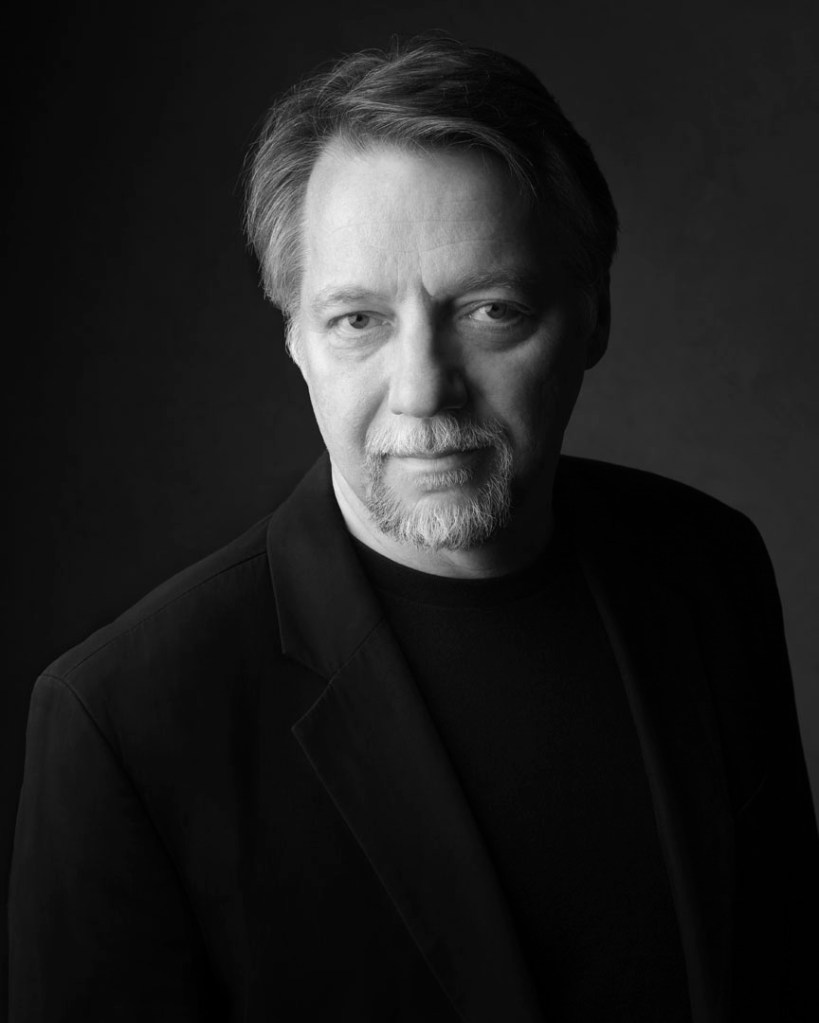
image source: Prixpictet
Edward Burtynsky is a Canadian photographer, artist, and environmentalist who is recognised for his large-scale photos of industrial landscapes. His photographs have been shown internationally. His work has been the topic of several publications, films, and exhibits all over the globe. It investigates the intricate link that exists between human industry and natural environments. He is a recipient of multiple prizes, including the TED Prize, the Governor General’s Award in Visual and Media Arts, and the Guggenheim Fellowship, and he is a member of the Order of Canada.
Edward Burtynsky’s project, “Water,” focuses on the effects of climate change on the world’s oceans and rivers. Burtynsky’s photographs explore the impact of global warming on our environment, highlighting the effects of rising sea levels, melting glaciers, and increased water pollution. The project is intended to raise awareness of the urgent need for action to address climate change.
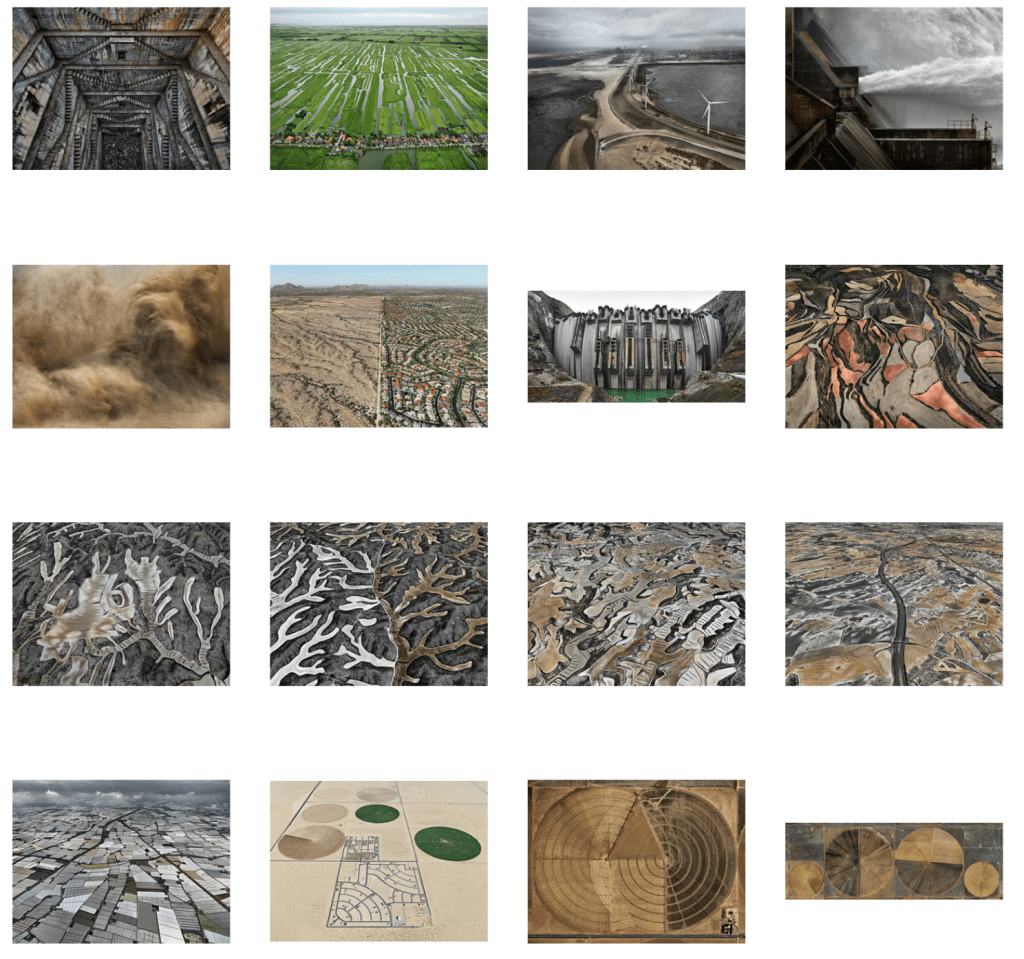
“I wanted to understand water: what it is, and what it leaves behind when we’re gone. I wanted to understand our use and misuse of it. I wanted to trace the evidence of global thirst and threatened sources. Water is part of a pattern I’ve watched unfold throughout my career. I document landscapes that, whether you think of them as beautiful or monstrous, or as some strange combination of the two, are clearly not vistas of an inexhaustible, sustainable world.” – Edward Burtynsky (Walrus, October 2013).
Burtynsky statement:
“While trying to accommodate the growing needs of an expanding and very thirsty civilization, we are reshaping the Earth in colossal ways. In this new and powerful role over the planet, we are also capable of engineering our own demise. We have to learn to think more long-term about the consequences of what we are doing, while we are doing it. My hope is that these pictures will stimulate a process of thinking about something essential to our survival; something we often take for granted—until it’s gone.” – Edward Burtynsky.
Sebastião Salgado (Photojurnalist and Environment Activist)
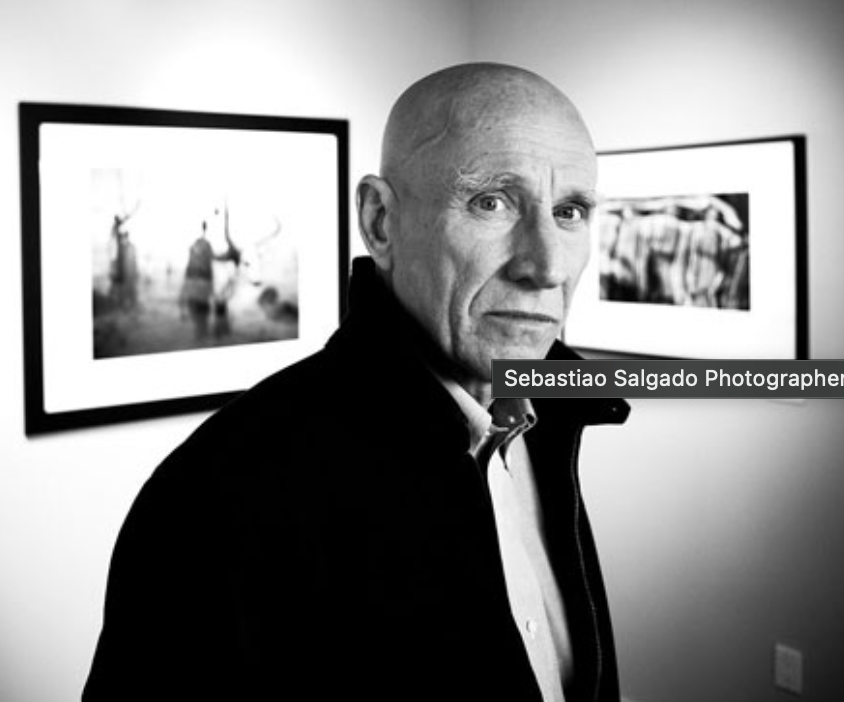
An economist who later becomes a photographer in the photojournalism area. He is saying that “photography is not just about you pick up a camera, but it is a way of life, what you feel and a language to express your ideology, ethics that allow you to travel over the way of history”.
The renowned Brazilian photographer Sebastião Salgado is recognised for undertaking challenging, time-consuming projects with concern for nature and mankind. His work has earned worldwide recognition. These kinds of projects are referred to as “Workers,” “Migrations,” and “Genesis,” and they each include a large number of photographs taken in different parts of the globe.
One of the projects that have attracted globally is a project called “Genesis” is one of the projects that have caught the interest of the United Nations Climate Change and the International Centre of Photography to mount a special exhibition about climate change from ICP on Sep 19, 2014 – Jan 11, 2015, at Museum1133 Avenue of the Americas, New York, NY.
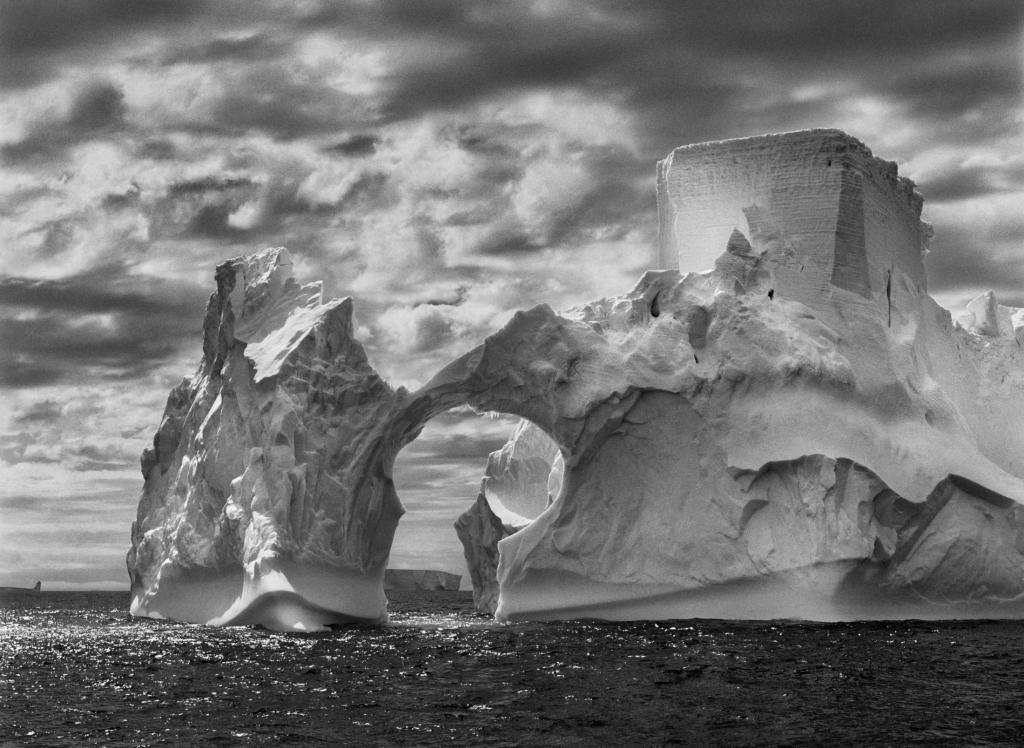
Iceberg from the series “Genesis”-Sebastião Salgado
The “Iceberg” photograph from Sebastião Salgado’s “Genesis” series is a dramatic picture of climate change’s impacts. The photograph portrays an iceberg floating in Antarctica’s South Shetland Islands’ cold seas. The sharp contrast between the black and white tones emphasises the isolation and desolation of the Antarctic ecosystem, which has been significantly altered by climate change. The glaciers in the image’s backdrop are a sad reminder of the fragility of our planet’s ice caps, while the little section of the iceberg visible above the water hints at the far bigger icebergs and glaciers that reside under the surface of our warming globe. The artwork clearly illustrates the climate catastrophe’s seriousness and signals that we must act immediately to safeguard our world.
Video of Sebastião Salgado Talking about climate change.
“I believe that climate change is the most important issue faced by humankind problem today. And the big problem is we start to live with big storms, the destruction started to happen, and we have just a few years. We are very-very quickly destroying our planet. The book “Genesis” is a sample of what we pristine on this planet, a sample of what we must protect, we must safe. I don’t believe anymore that we must go live in the forest, but at least spiritually we must come back, we must respect our planet. We must include everyone, international institutions, governments, enterprises, the individuals, all together we must act together in that direction. I believe we must start the discussion, discuss from small kids, dis-concern must come from the very small ones. We must protect what we have, we have no more right to distract. Everything that we use on this planet, is consuming a lot of the Planet, the planet cannot afford to give to us. We must change our behaviour, if we change altogether, we change the company, we change the behaviour of the government and we live in another way. We are just one species, we have just one planet. I believe that is a big hope, together we can do, we can go in the direction, we can yet live peacefully for our planet”.-Sebastião Salgado “Genesis” exhibition at New York, September 19, 2014, to January 11, 2015.
“Genesis is a quest for the world as it was, as it was formed, as it evolved, as it existed for millennia before modern life accelerated and began distancing us from the very essence of our being,” said Lélia Wanick Salgado.
Aviva Rahmani (Environment Activist)

Image source avivarahmani.com
Aviva Rahmani is a cross-artist who is also an environmental activist. She is most known for her site-specific eco-art connections, which blend public art with ecological activism. The work of Rahmani is concerned with the interaction of art, science, and activism. She often discusses themes pertaining to climate change and the ecological devastation of natural ecosystems in her work. Her work has been included in a significant number of solo as well as group exhibits in locations all over the globe, and she has been the winner of a significant number of honours and grants.
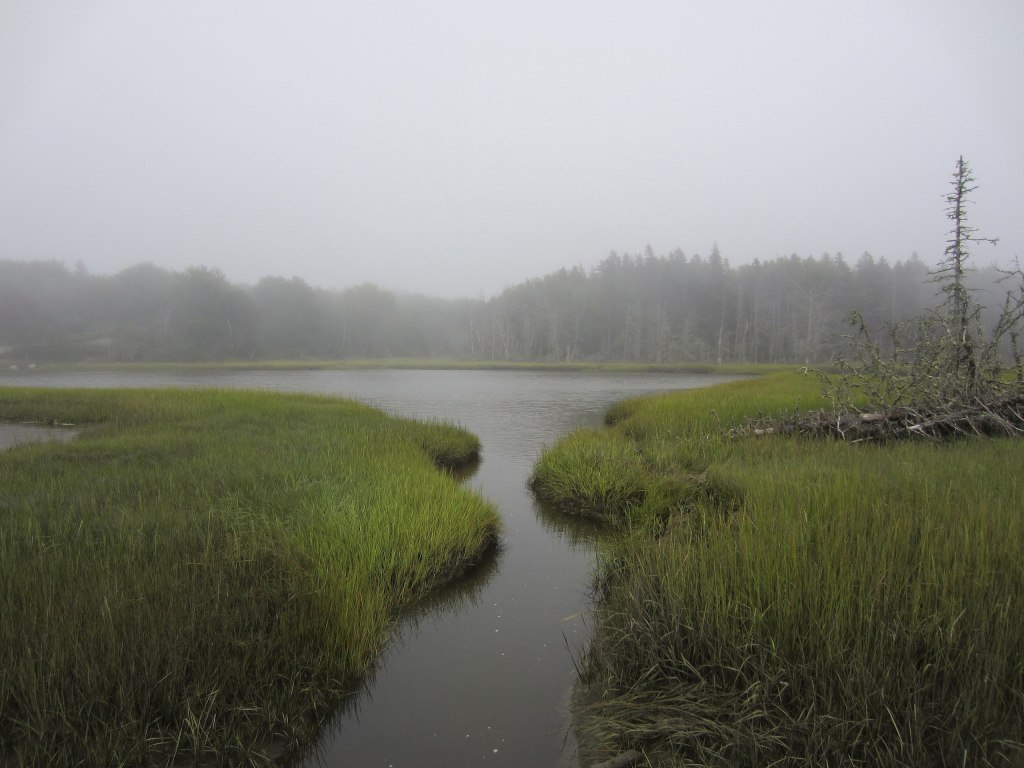
Aviva Rahmani’s Blue Rocks project (2002) drew attention to a degraded estuary on Vinalhaven Island, Maine. The USDA then contributed over $500 000. to restore twenty-six acres of wetlands in 2002. (Photograph by Aviva Rahmani)
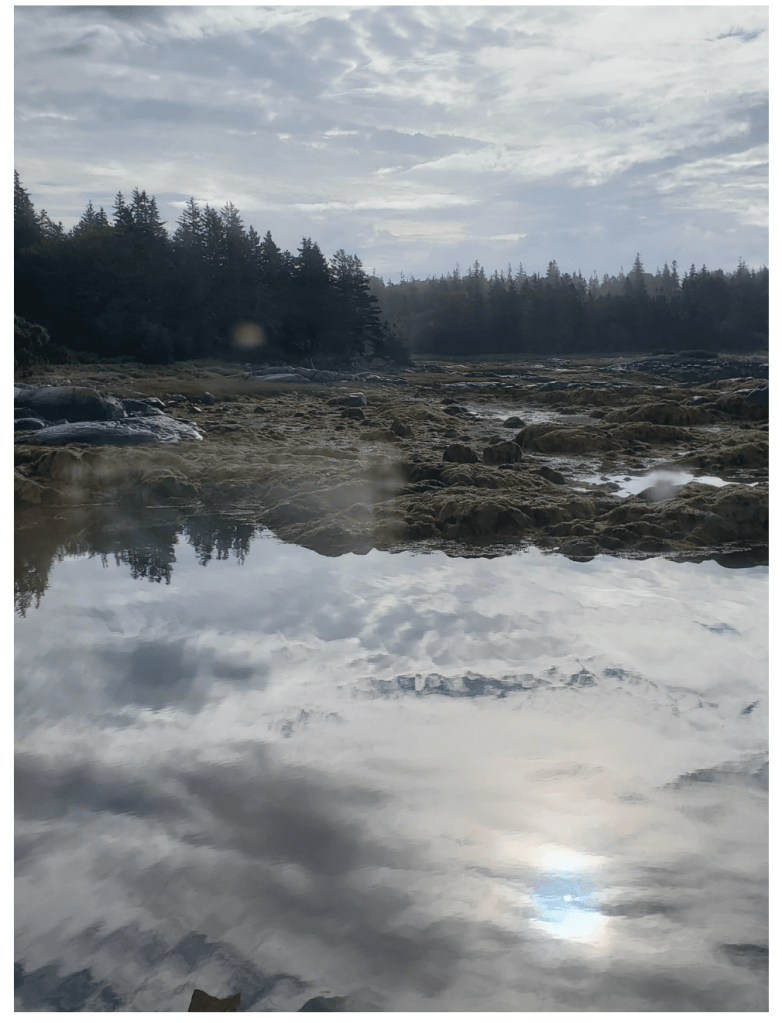
Photograph 9:AM Sept. 25 on Vinalhaven Island by Aviva Rahmani
J. Henry Fair (contemporary environmental photographer)
Fair is an American photographer and environmental activist based in New York and German.
He has offices in New York City and Berlin but is continuously on the go.
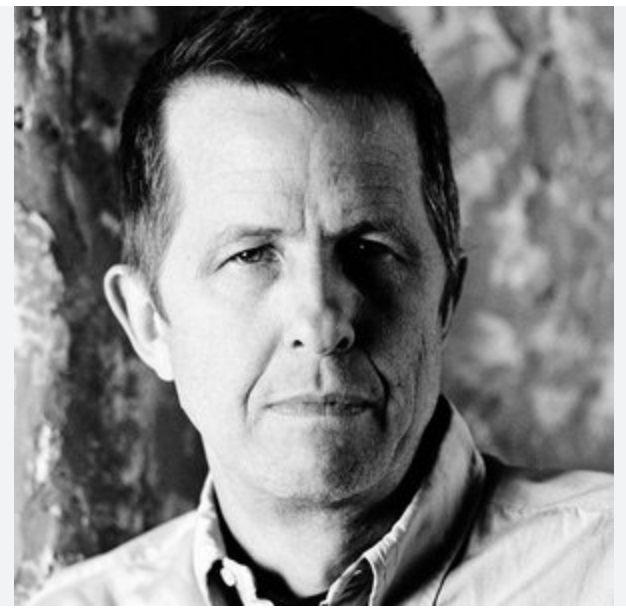
J Henry Fair tells stories about people and things that impact them through the utilization of images.
A recent edition of his book Industrial Scars: The Hidden Costs of Consumption, released by Papadakis of London. On The Edge: From Combahee to Winyah, the first instalment in the “Coastline” series, was released in the spring of 2019 and has gotten rave reviews.
Roberta Smith, the chief art critic of The New York Times, once stated of his “Industrial Scars” series, “The vivid colour photographs of J Henry Fair lead an uneasy double life as potent records of environmental pollution and as ersatz evocations of abstract painting…information and form work together to devastating effect.”
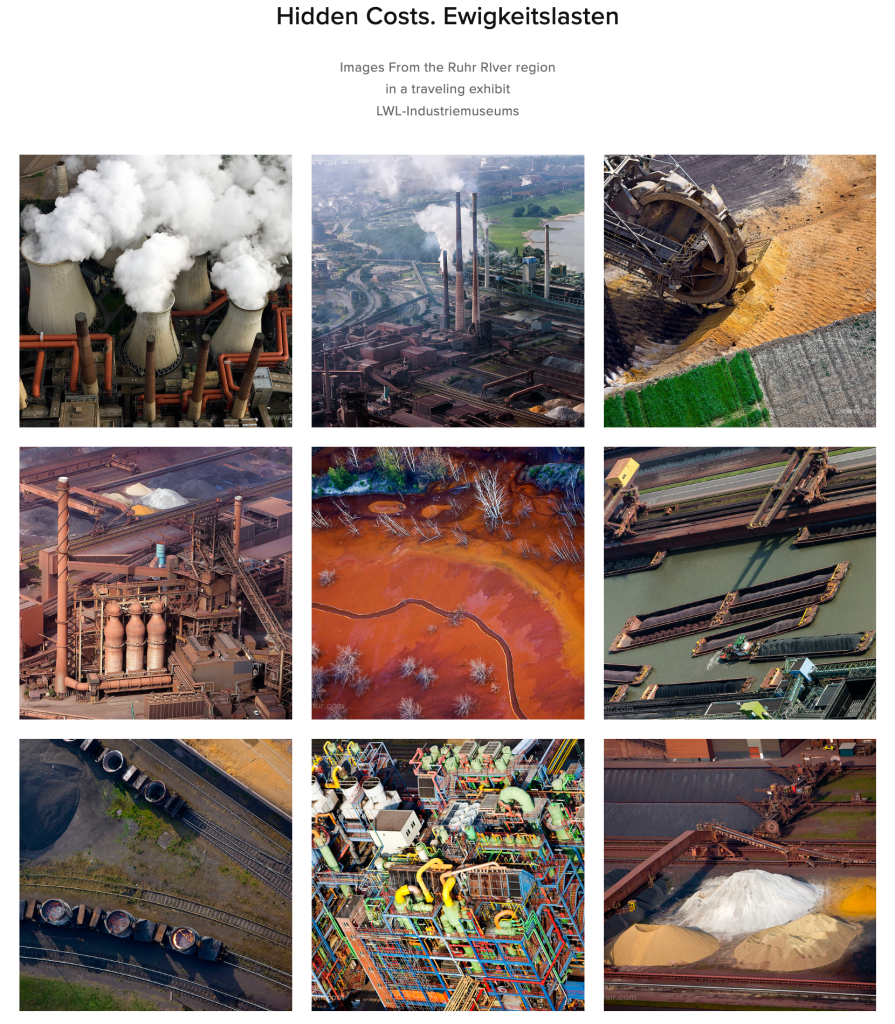
His project “Industrial Scars” is the project that really gained people’s attention and has been published around the globe. In his project, he photographed all the cities that have been most industrialized in German. From his images of “Hidden Costs Ruhr,” we can see that all industries release tons of thousand of emissions on every production into the atmosphere.
Andy Hughes (Primary Research)
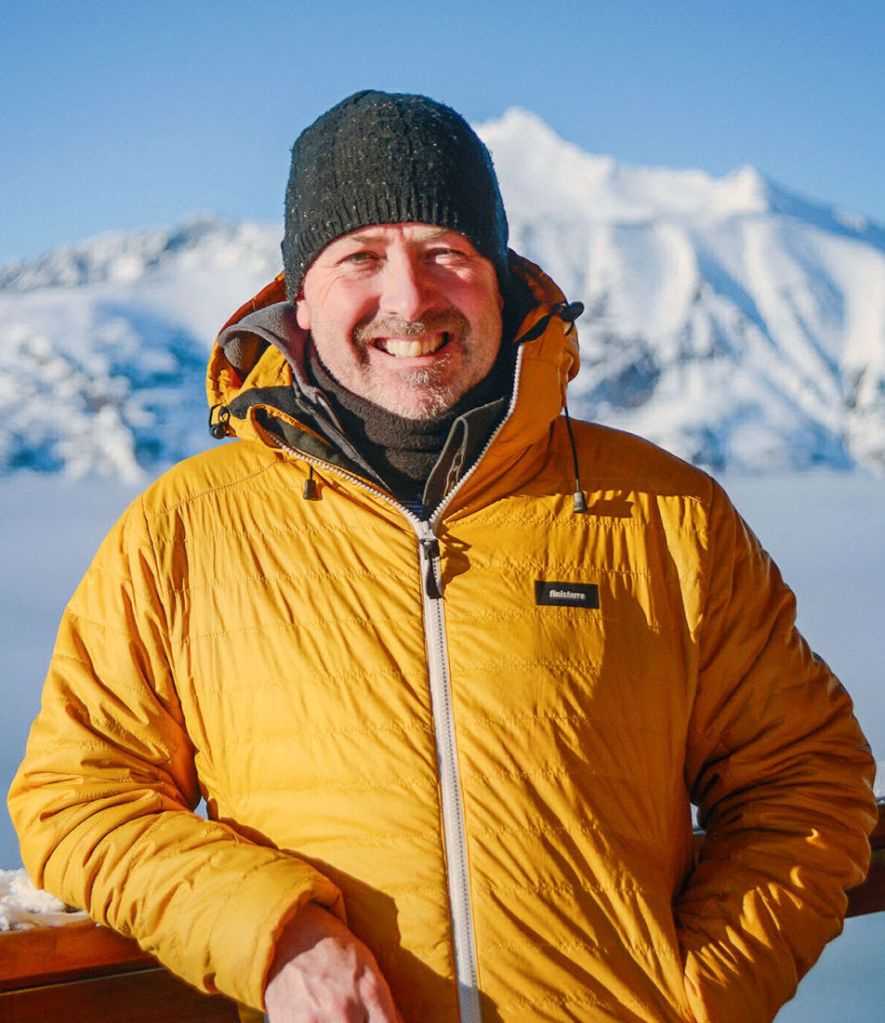
Being an environmental photographer is a prestigious occupation since it involves climate awareness.
Due to the fact that my aim is to picture the vehicle’s smoke, I pondered the possibility of a lawsuit. I approached him through the teams online class (21/02/2023) because he had encountered a similar obstacle with one of the world’s largest beverage businesses a while ago, which contacted him to discuss his photograph of a beverage drink lid on the beach.
I asked his advice, “if I photograph a car and a company that produced the car came up to me because of his brand associated with air pollution”
He said, “That depends on how you want to write about it and how you intend to use the accidental pictures (brand) in your photograph.”
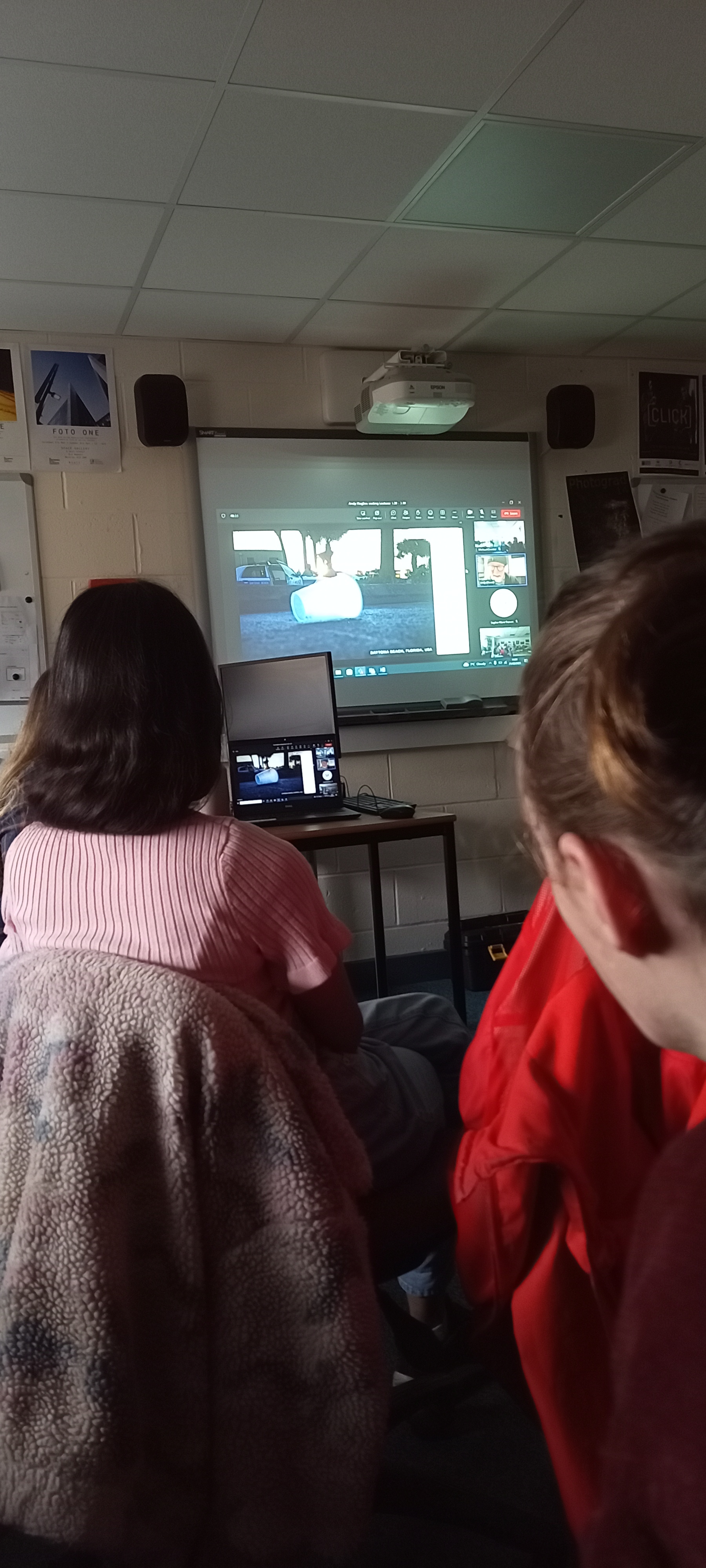
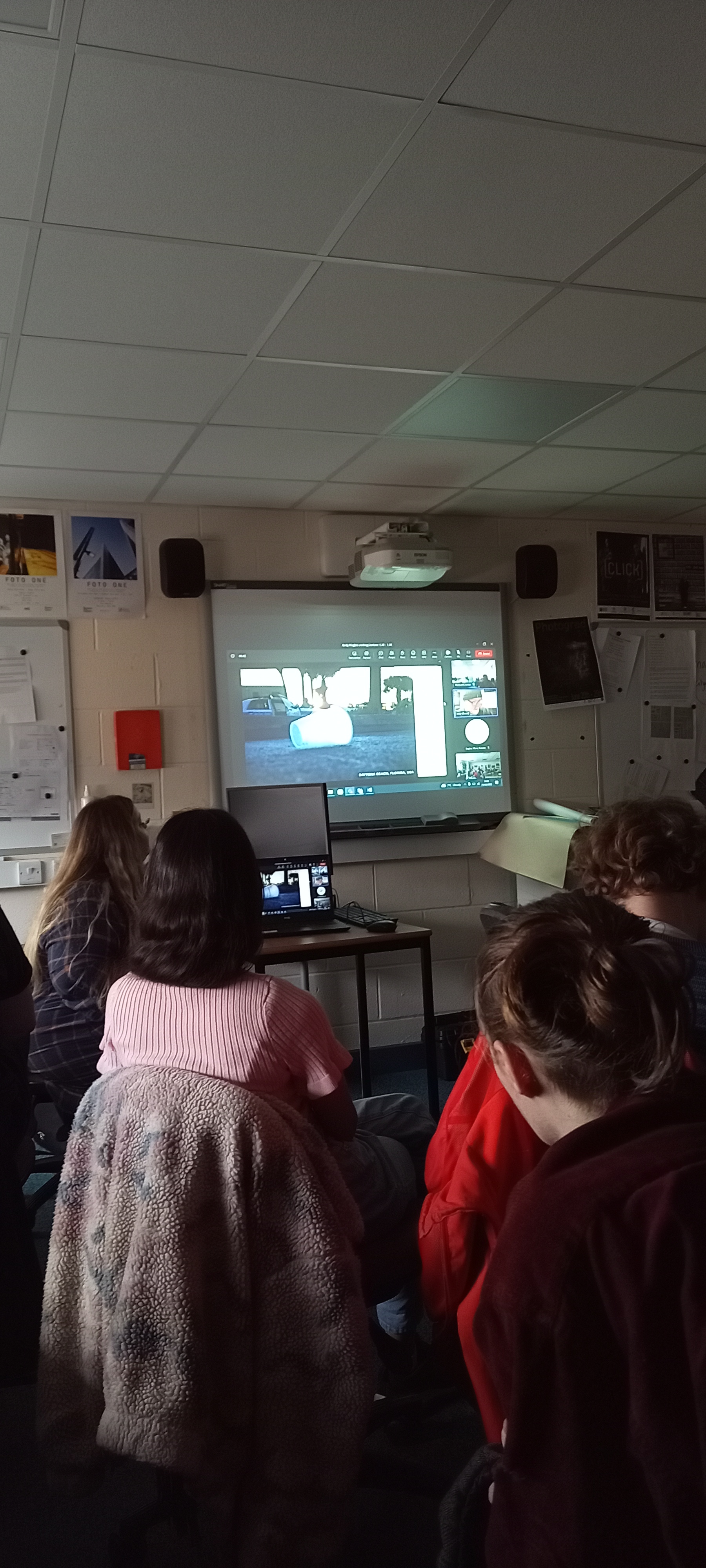
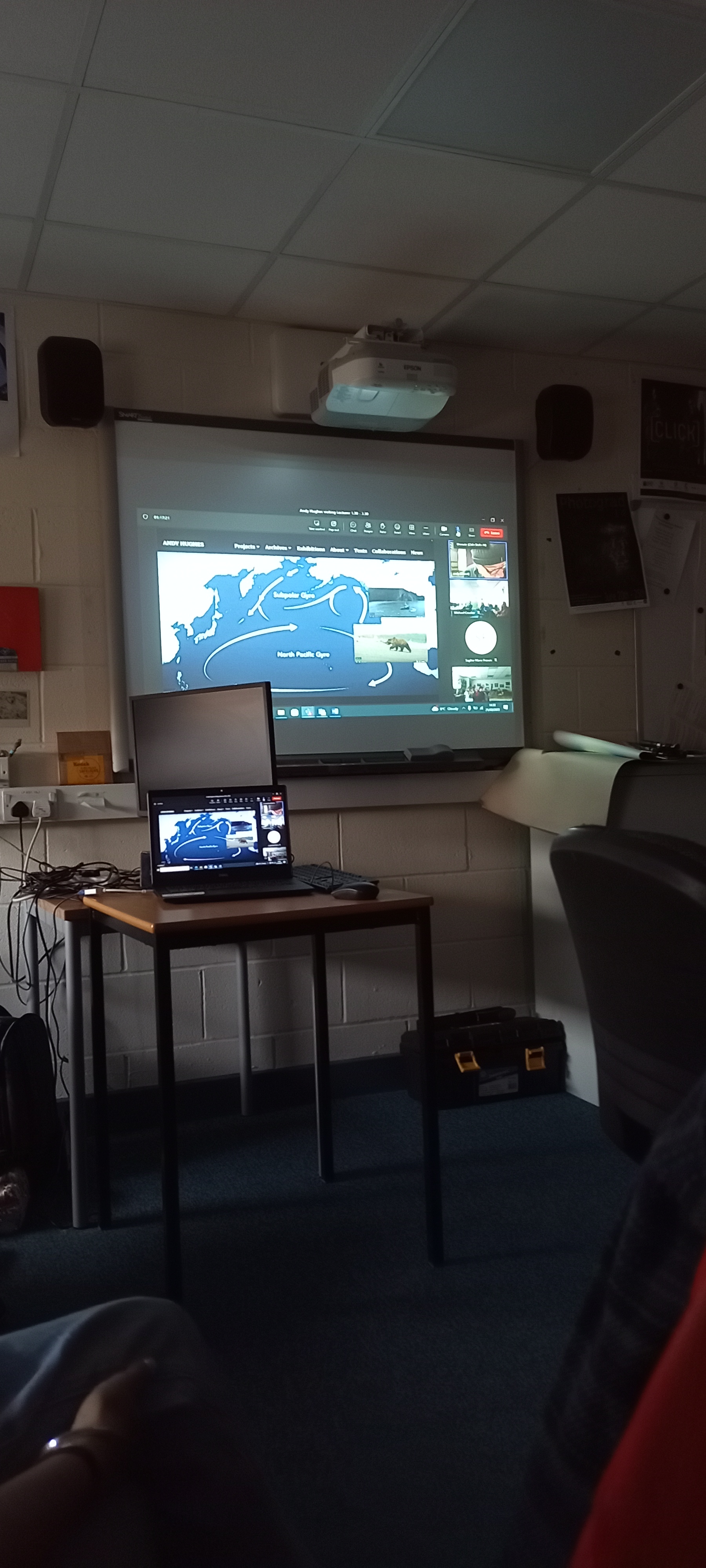
I believe I can proceed with my effort to photograph the car without worrying about the vehicle’s branding based on his suggestion.
David Fernandez (contemporary from lens culture)
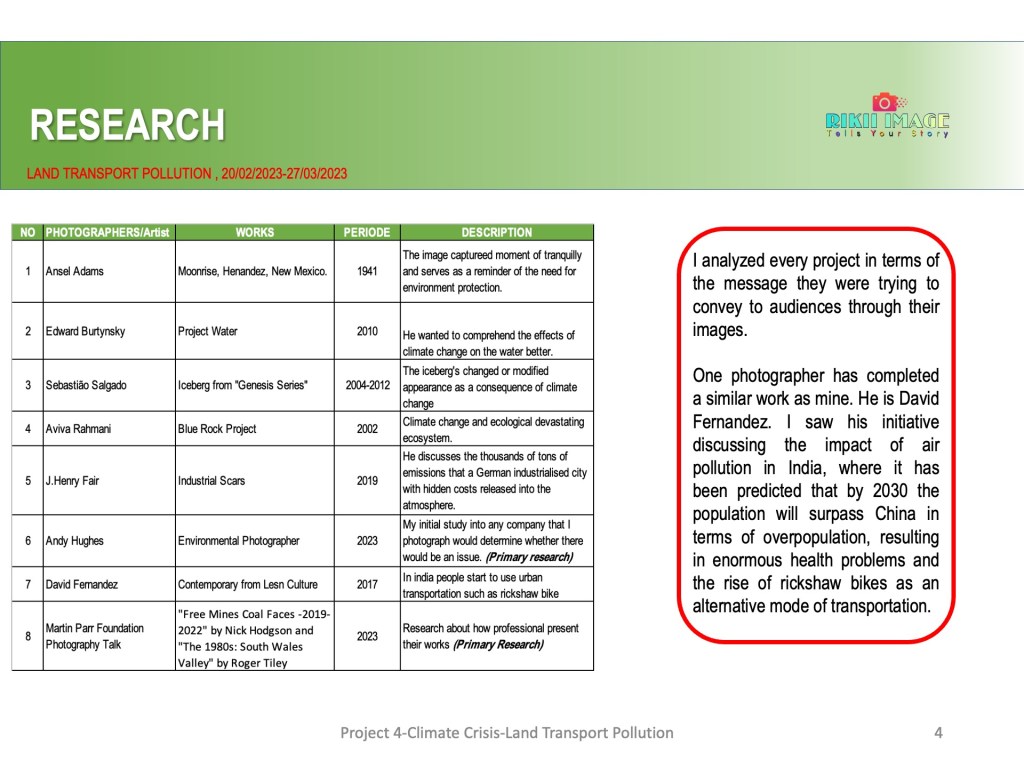
He visited Allahabad, India, to take pictures of the local bike rickshaw drivers at the beginning of 2017. These individuals use environmentally friendly modes of transportation but are put in danger by the city’s toxic air.
In his project, he saw that Urban transportation in a nation that, by 2030, will surpass China as the most populous in the world, relies heavily on the use of bike rickshaws, a nonpolluting and cost-effective method of transportation for the transportation of people and products.
The reason he’s doing that is that he discovered that the city, which is home to 1.2 million people and is the second largest in India, suffers from high levels of atmospheric air pollution due to factors including car emissions, factory emissions, and residents’ use of coal and wood for cooking and warmth.
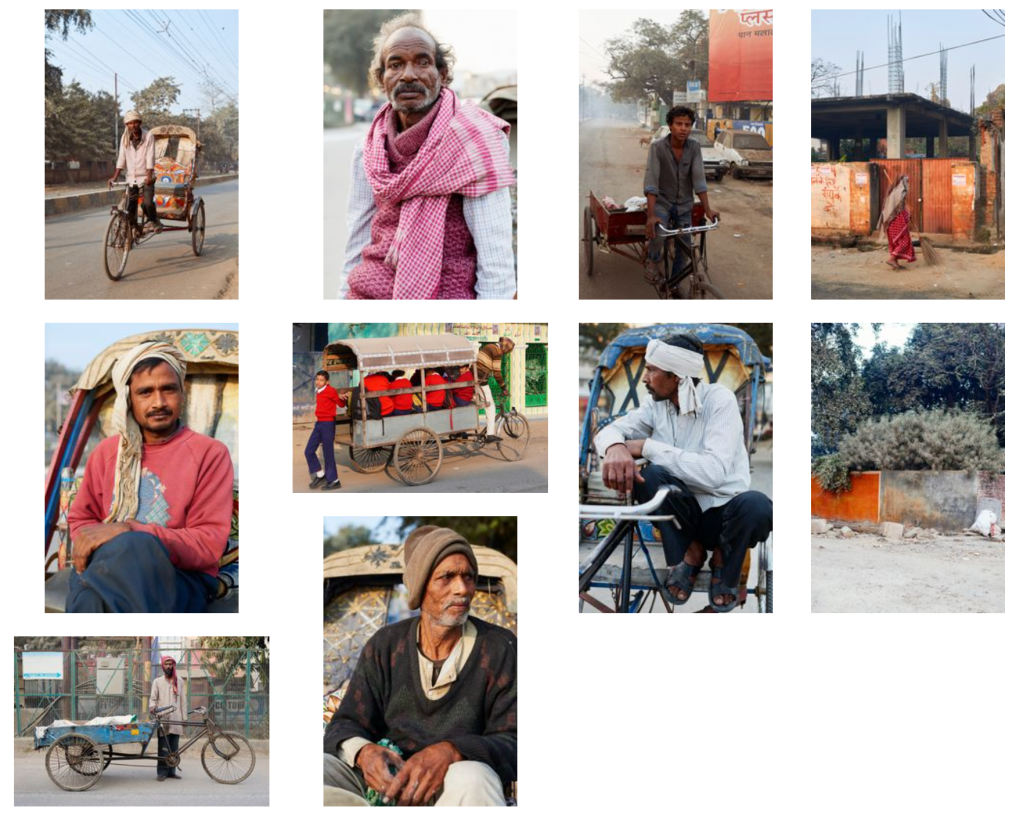
His photos of rickshaw riders demonstrate how some city residents have found innovative ways to combat air pollution by switching to more pedestrian-friendly means of transportation. It would make sense to combine the project I’m working on at the moment with the solution to alternative transportation that I intend to photograph, as I believe doing so would be a good way to get the message across.
Martin Parr Foundation Photography Talk (Primary Research)
When we visited the Martin Parr Foundation a week ago, we had the opportunity to speak with Martin himself about what we are doing and what we intend to do. He is essentially assessing each of us by inquiring about our projects. This man has been a photographer for more than 60 years, and our conversation with him inspired us to work harder and be more consistent, just as he has.
Instantaneously, he invited us to attend the event at the Martin Parr Foundation.
So, I added my name to the list through Alice since the event is free.
I went there and listened to two extraordinary photographers discuss their recent mining-related project.
These two are “Free Mines Coal Faces -2019-2022” by Nick Hodgson and “The 1980s: South Wales Valley” by Roger Tiley.
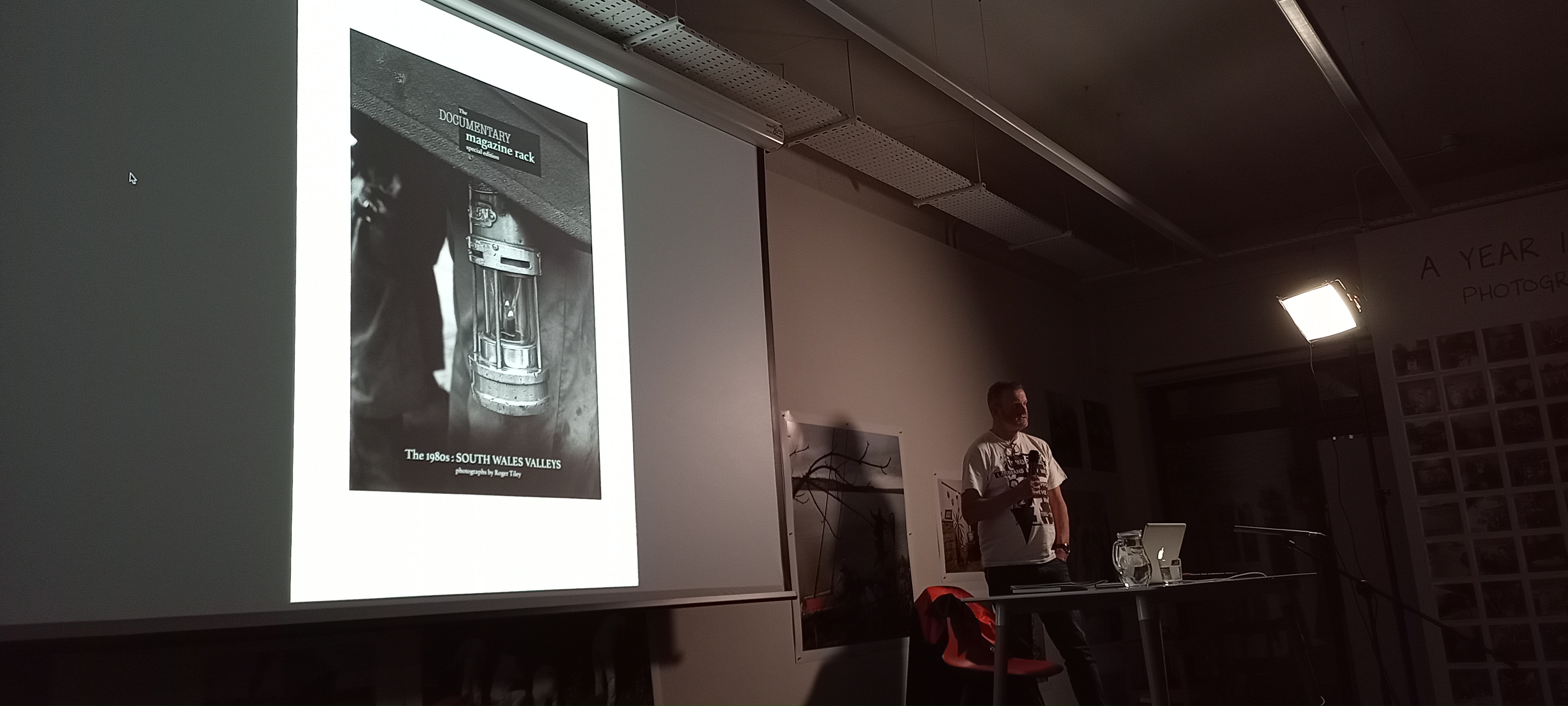
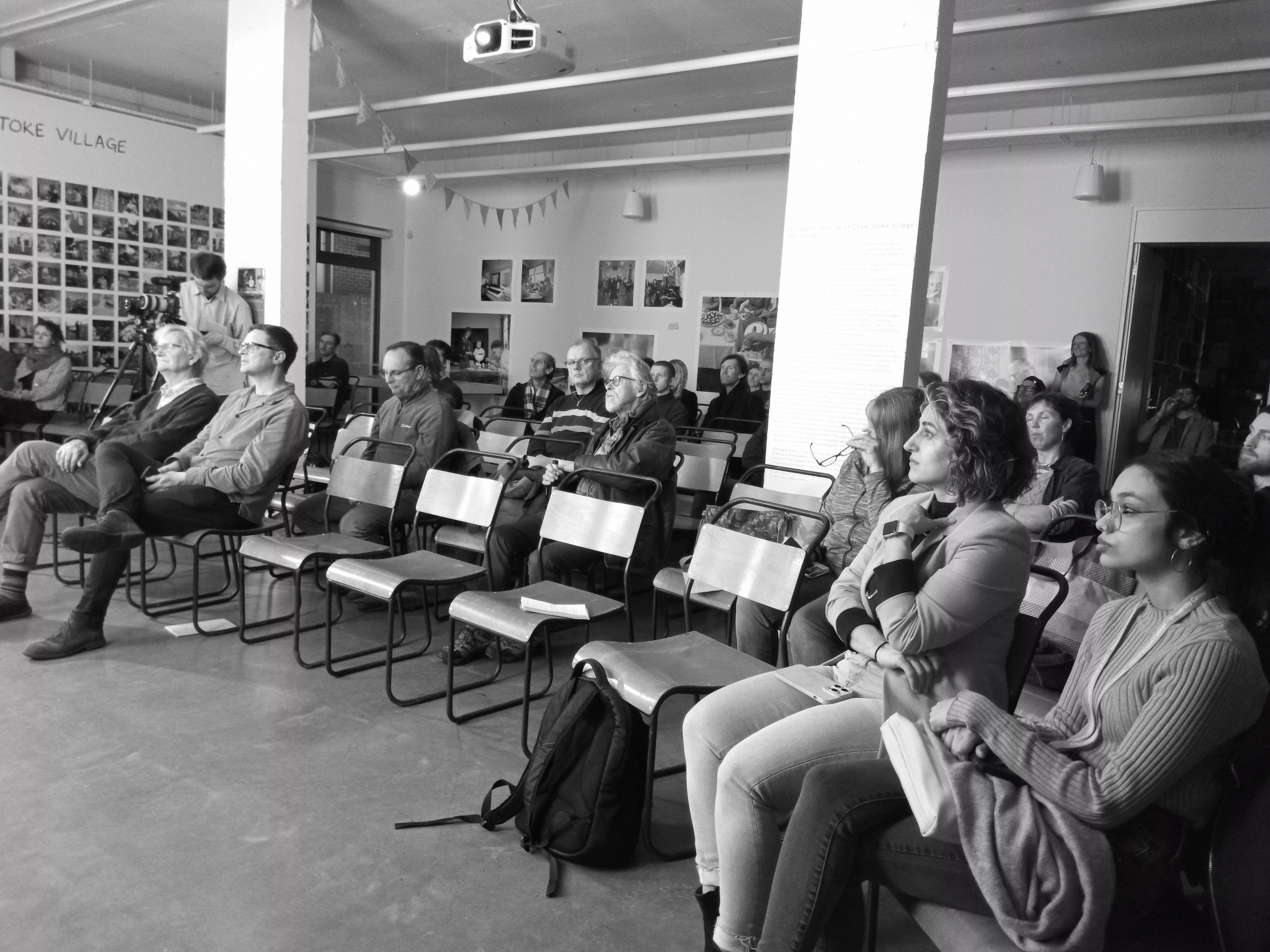
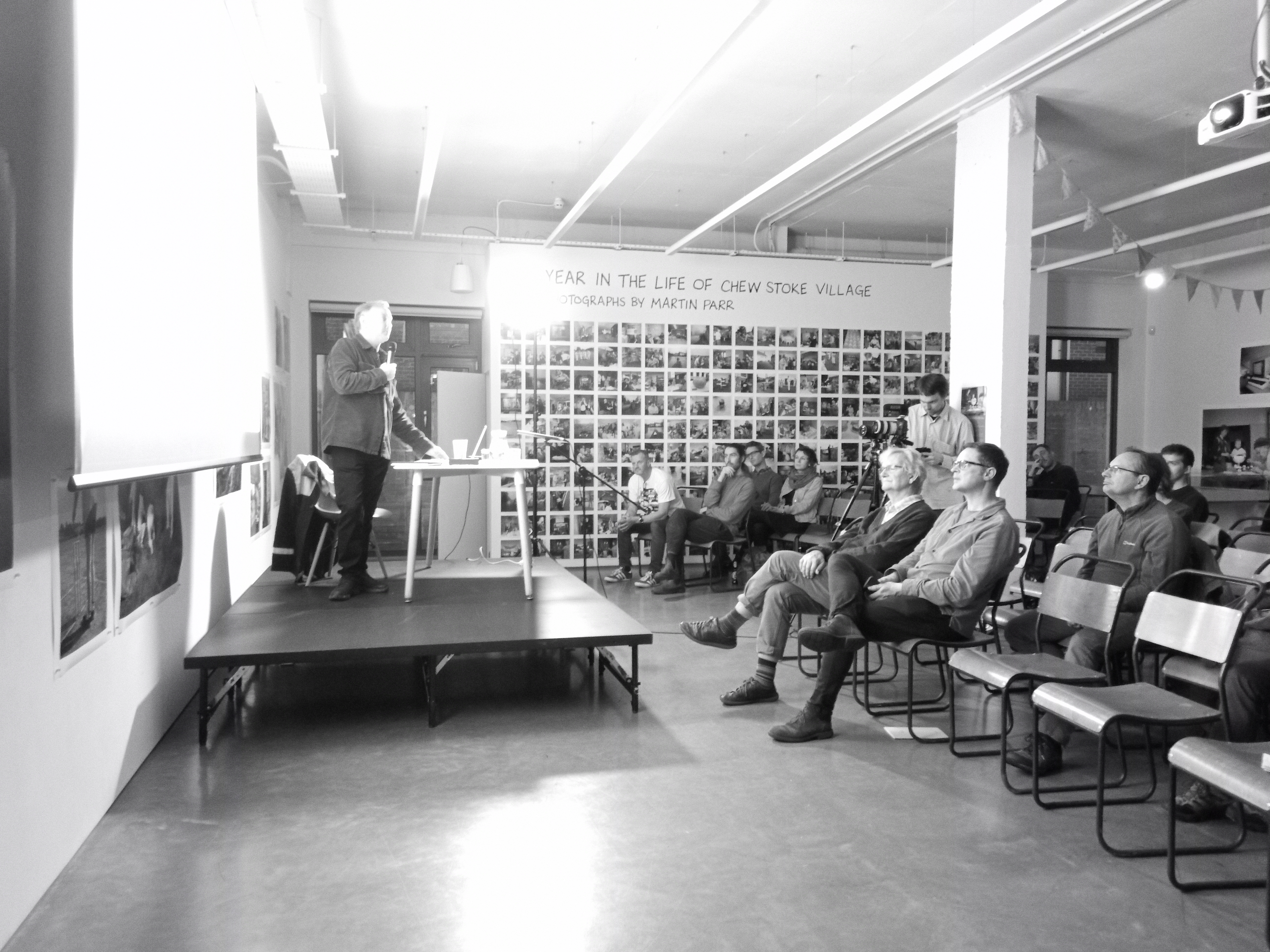
Because I can see exactly what they are doing with their presentation format, I have an idea of how to display my own work in a professional manner by making use of presentation software that is considered the industry standard.
Now I have a concept of how to introduce myself and the project I’ve been working on, which is called “Land Transport Pollution.”
One of the questions I get to ask Nick Hodgson relates to the fact that as photographers, we took lots of pictures and then chose a few to represent the project. However, this does not necessarily mean that we will include all the finest images in the project; sometimes we must sacrifice our preferred images in order to demonstrate the larger purpose of the project.
Nick added, “During the exhibition, I can include it as my favourite additional piece of the series.”
This experience has taught me more about what to do with this work, which is limited to six images. I am fine with that, but I will pay more attention to selecting images that effectively communicate my proposal.
PRODUCTION
Noticed that my proposal is not too specific as it still confuses the readers about what exactly Aerosols above our atmosphere and the Aerosols in the can to spray, so I decided to rewrite my proposal but only focus on the big picture straightaway with the transport emissions therefore, I can straight to the point on how the readers will understand my point on the land transport emissions impacted on our climate.
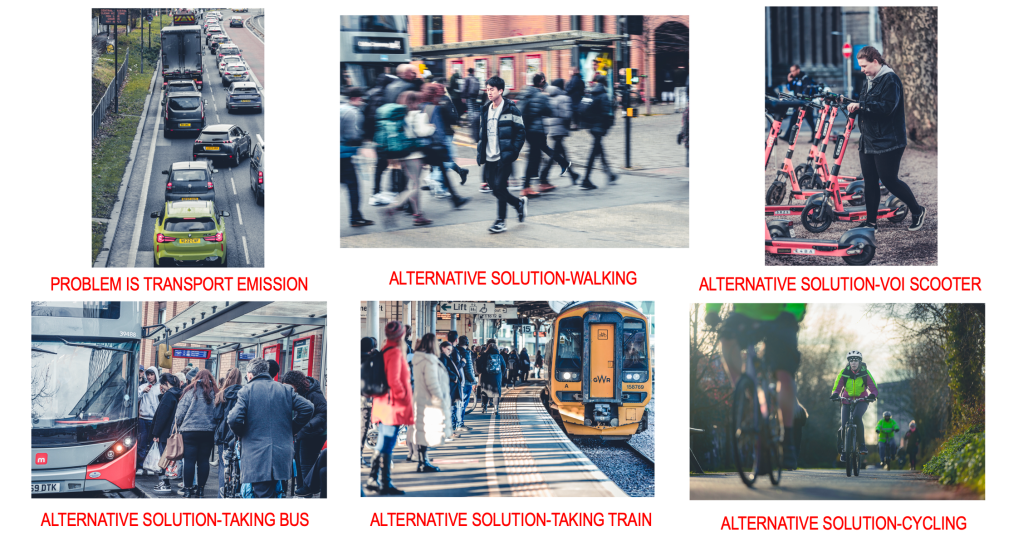

I will photograph the problem of emissions and provide alternative ways of reaching the destination, such as cycling, walking, taking the bus, or taking the train.
Practice Cyanotype as one alternative environment-friendly printing
Introduction of Cyanotype as one of the alternatives to printing project 4 climate crisis.
I am thrilled because I included cyanotype as one of my research topics for my fine art project involving analogue photographs. Practising it gives me a greater understanding of this alternative analogue printing technique. However, I am unsure if I truly wanted to do that, but I would love to attempt it with my project this time.
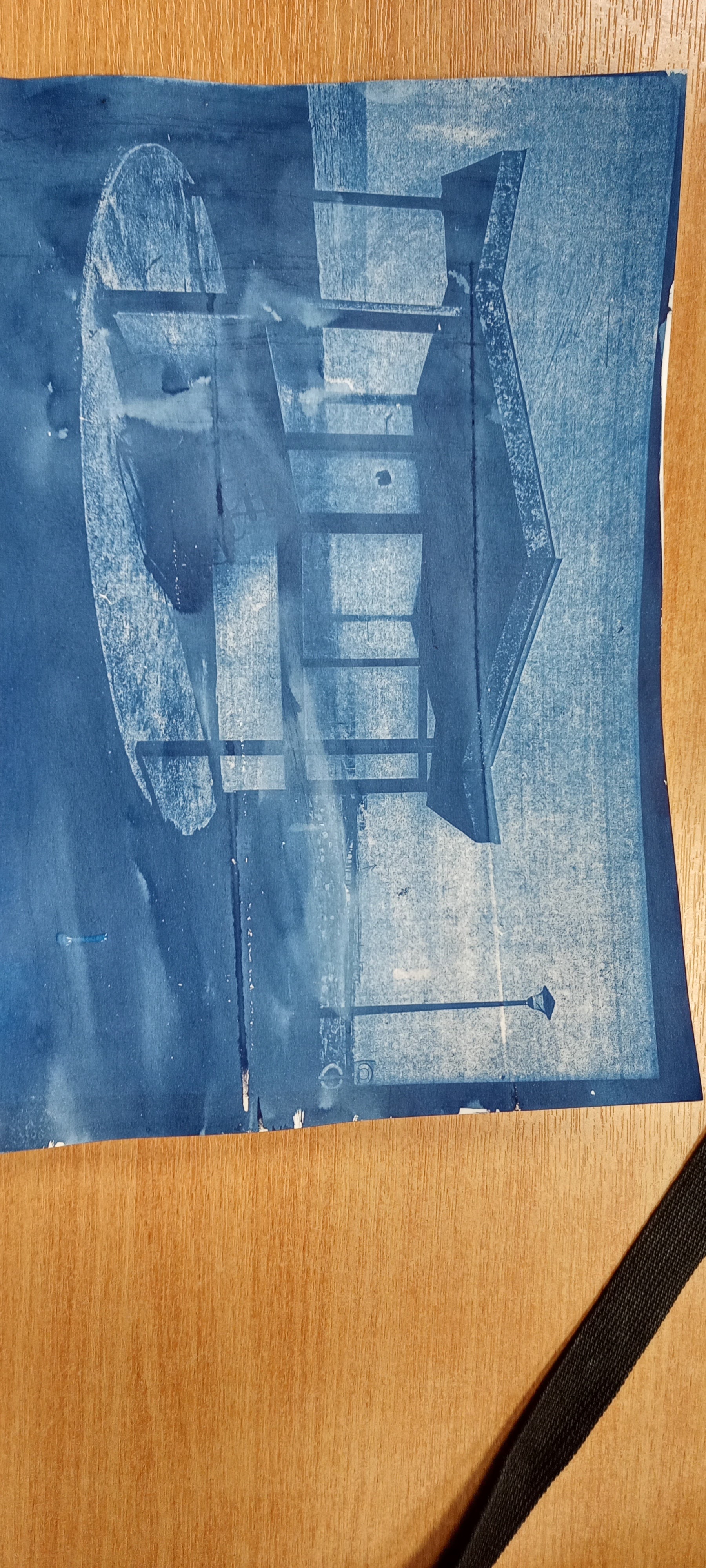
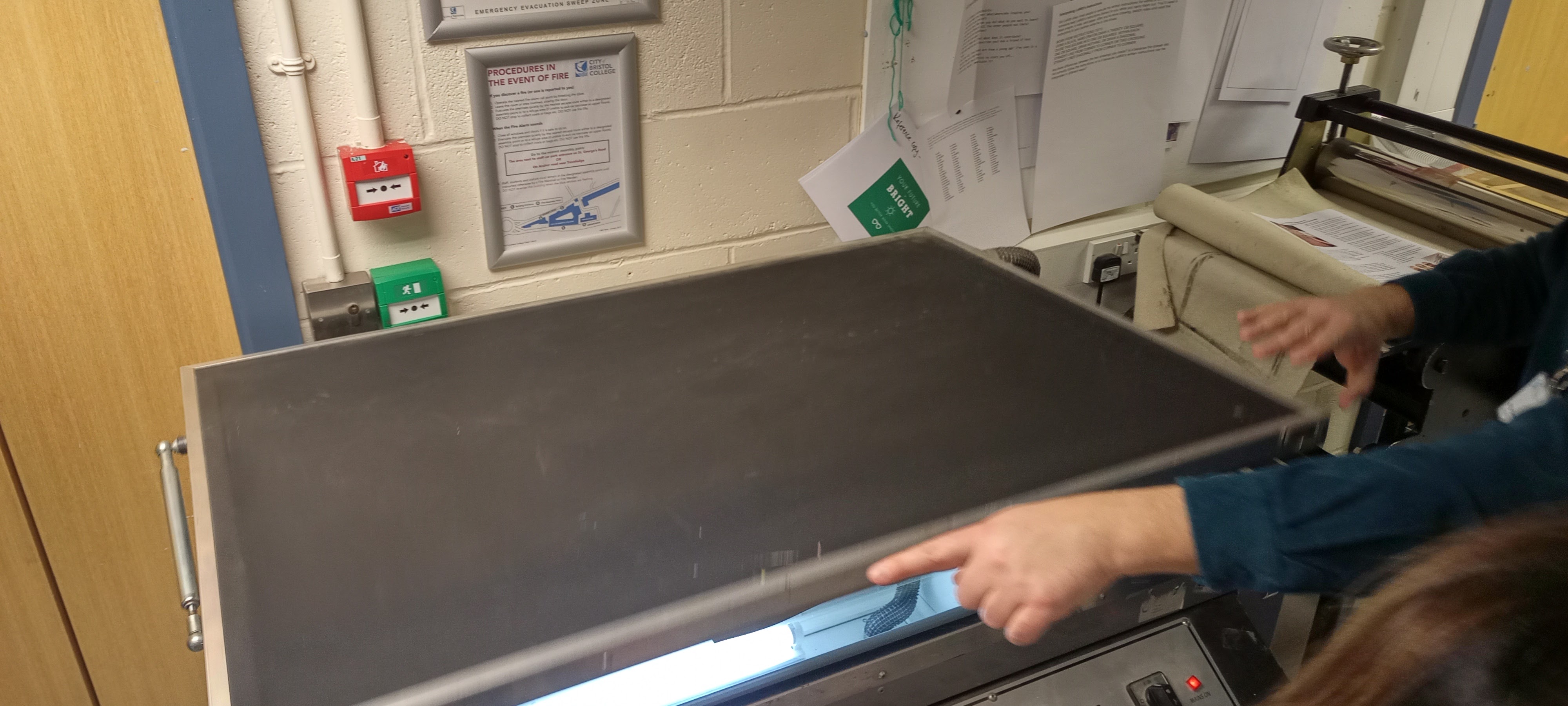
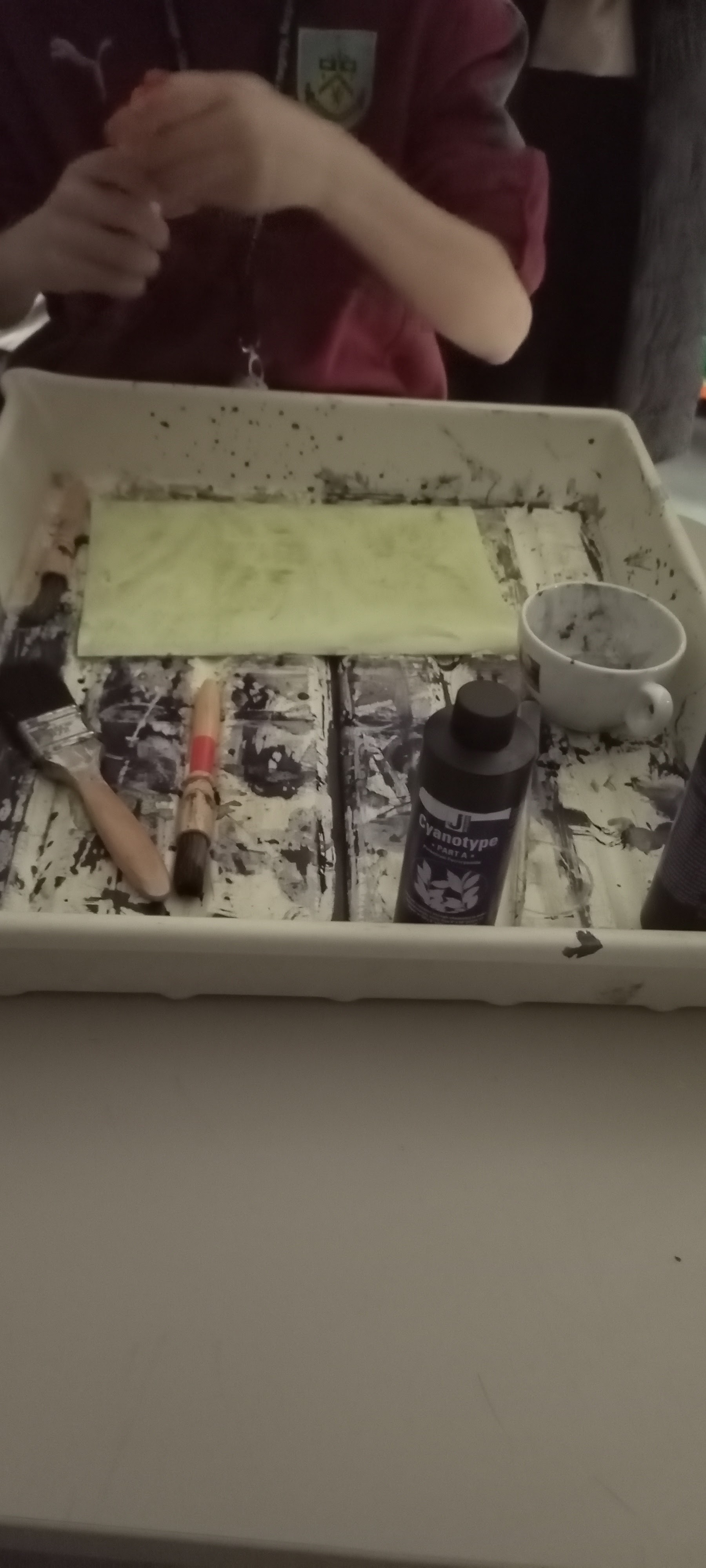
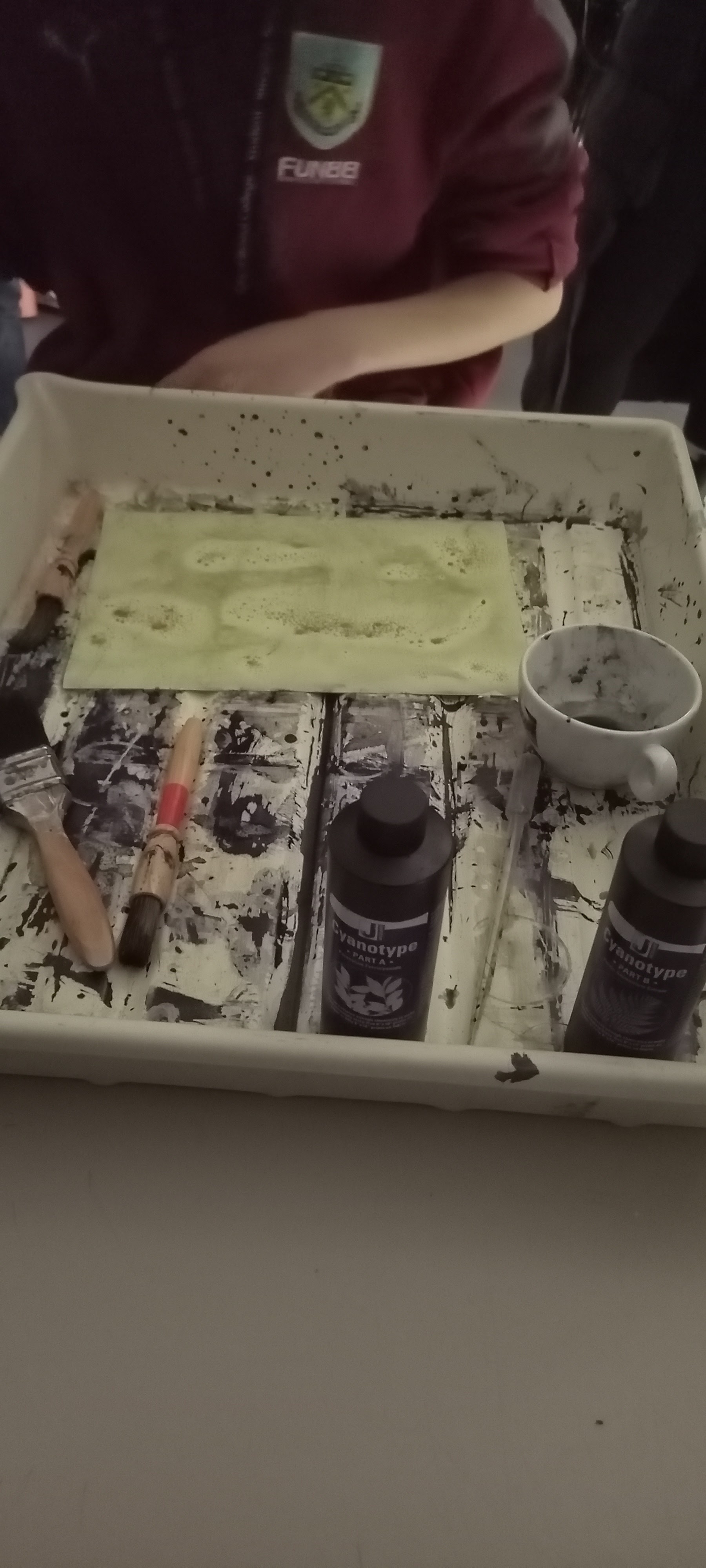
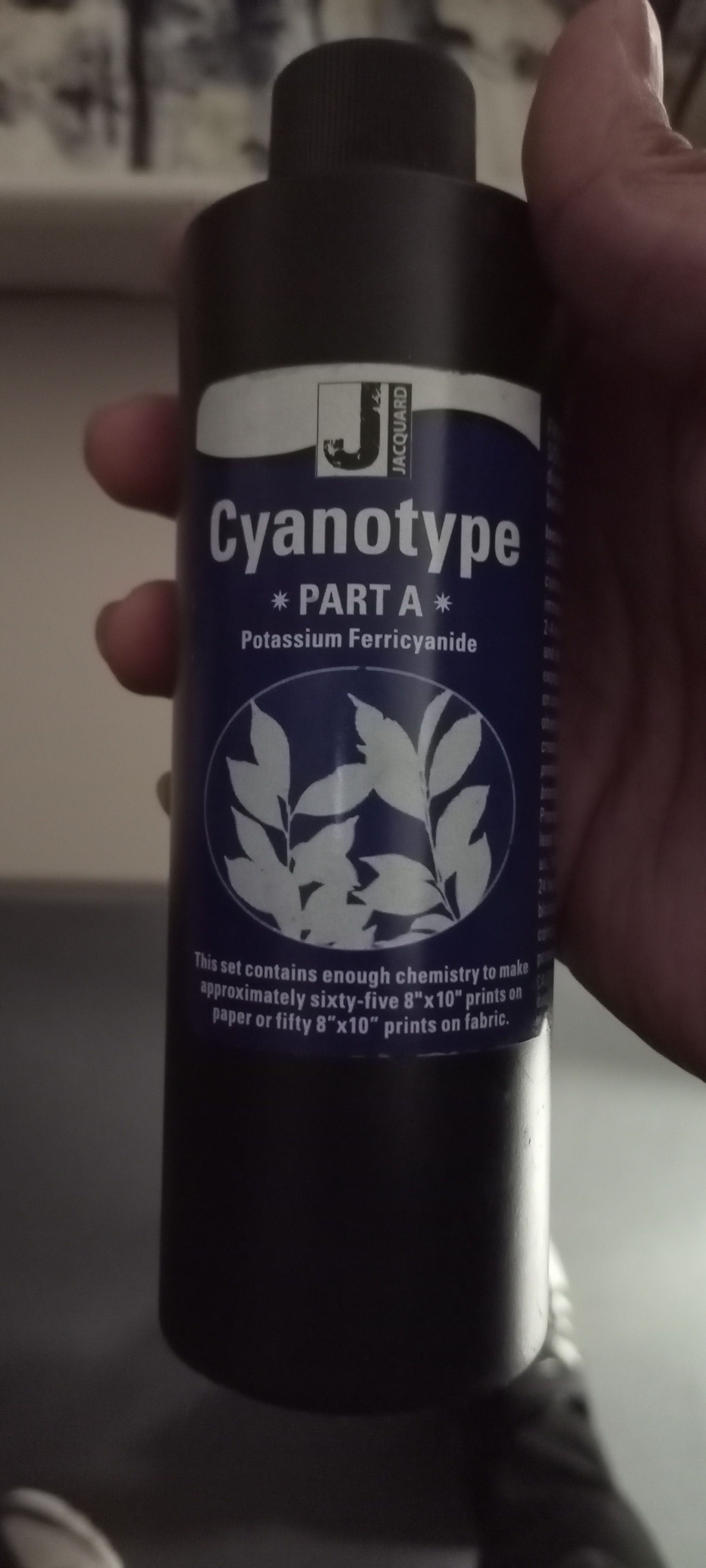
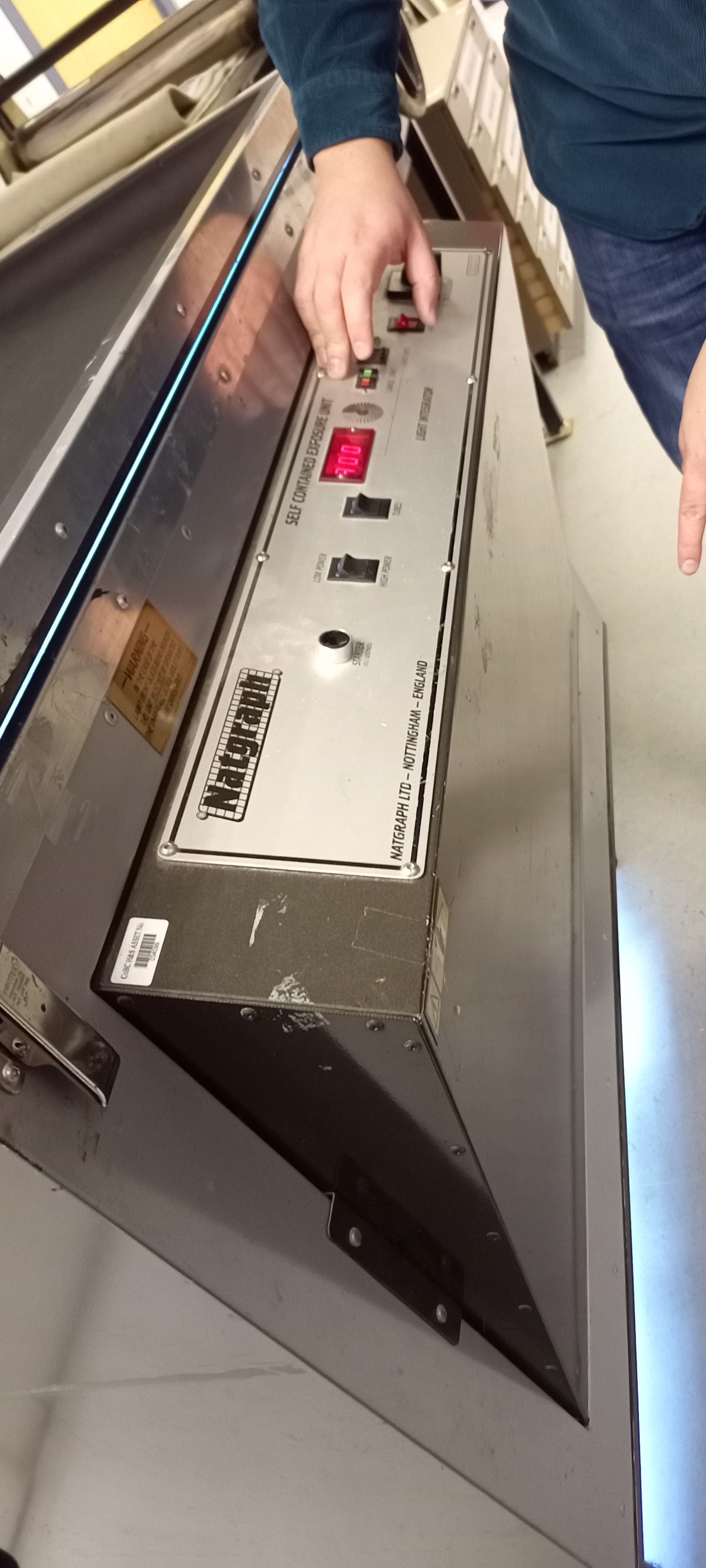
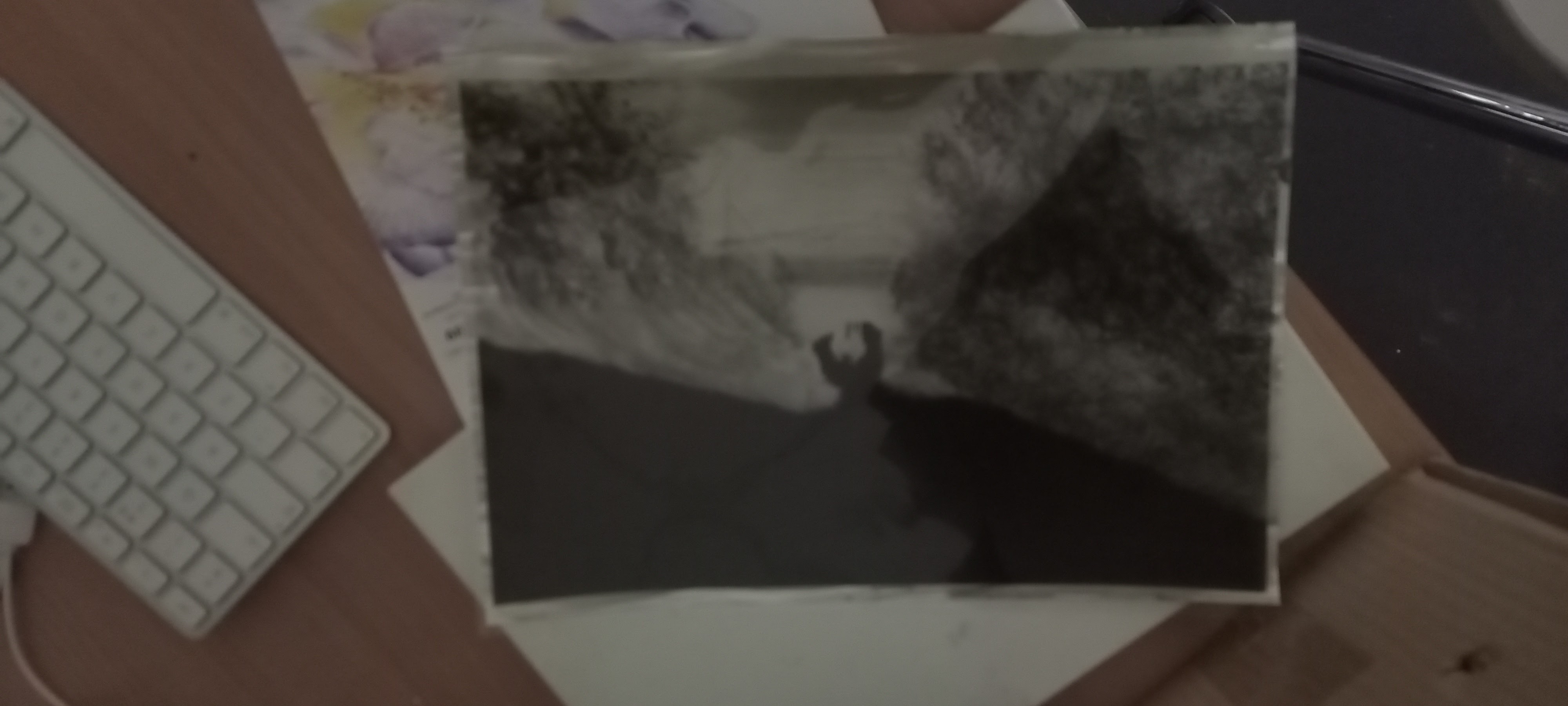
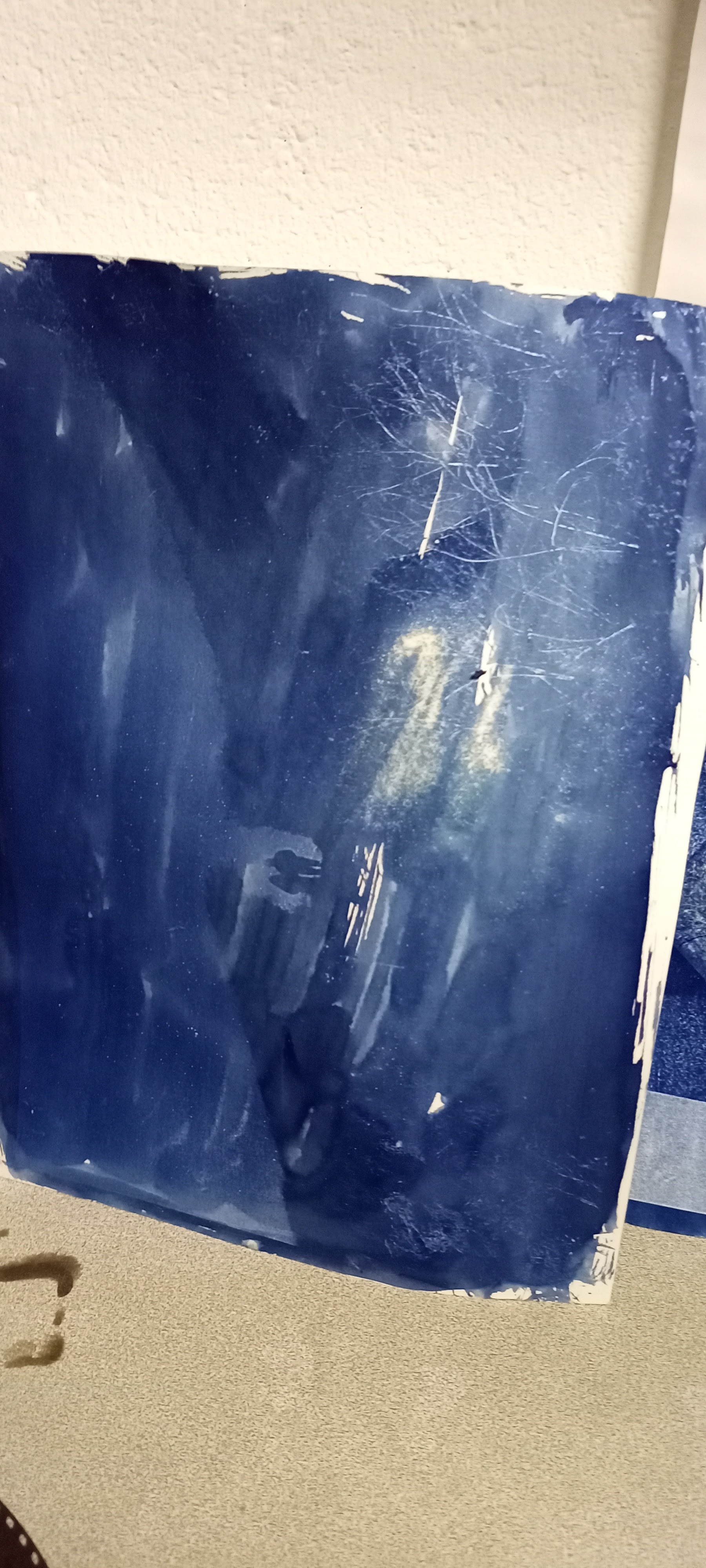
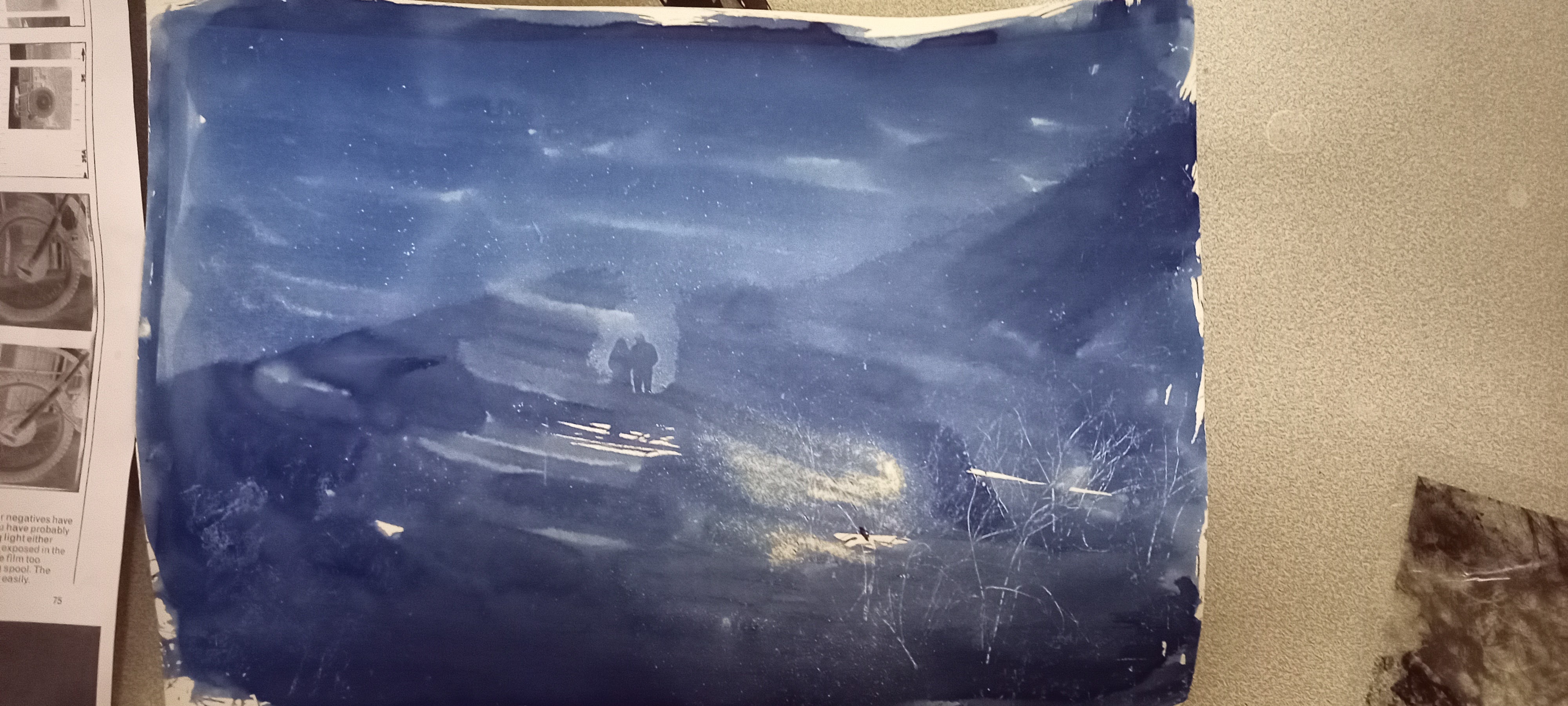
After gaining experience with the cyanotype, now I’ve decided to go take a photograph that will work best for this form of cyanotype printing, but I also want to print it digitally. I will compare them at the end of the outcome.
Plans to photograph cars emissions
The object to photograph is vehicles on the road, and alternative transportation such as push bikes, scooters and public transportation buses.
Identifying traffic areas first at the busiest town that has variable traffic signs in order to catch cars with emissions; Traffic lights, higher buildings such as hills memorial to look down on the street and other higher ground in the local area to look down on the street.
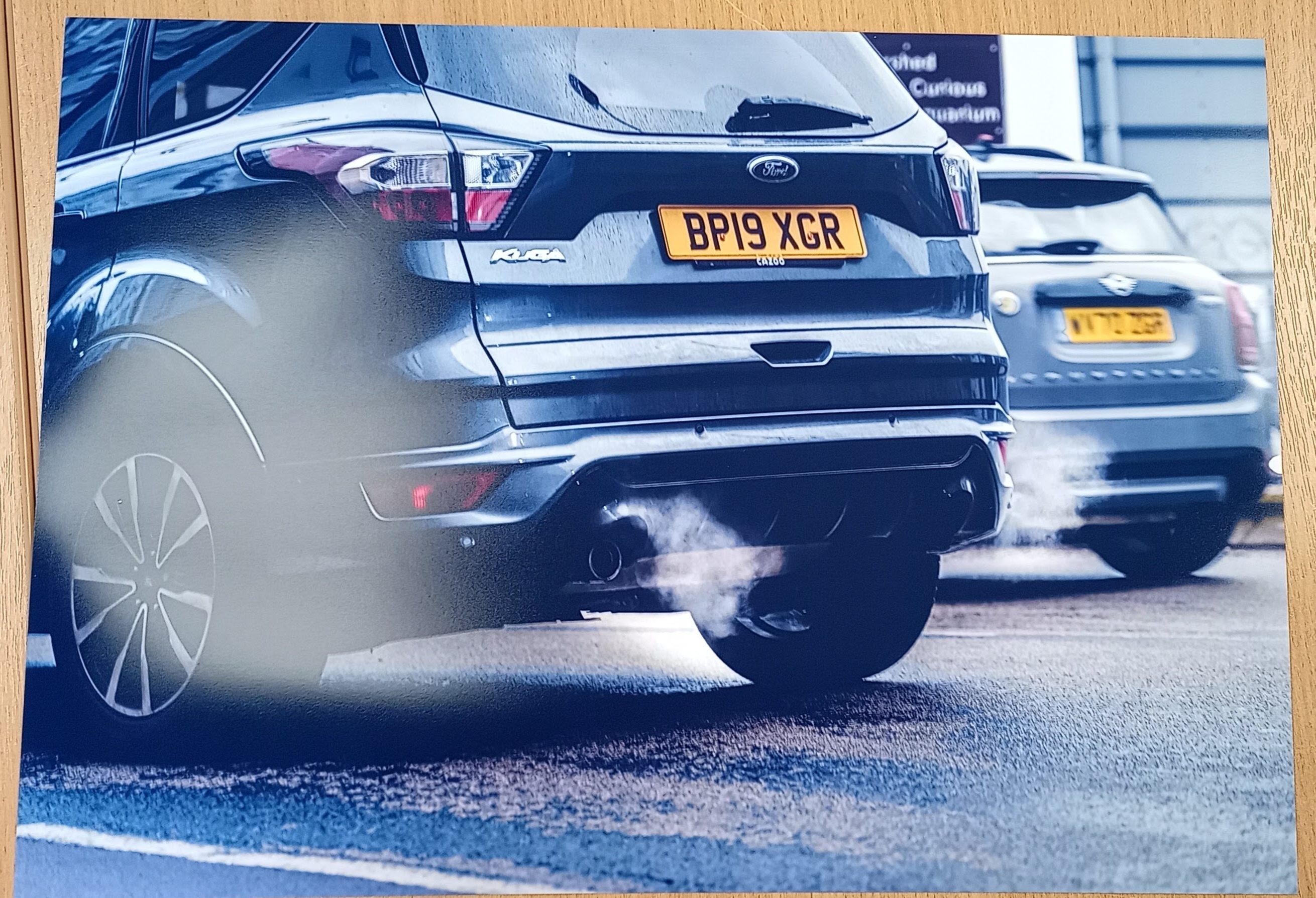


Photograph cars with visible emissions to show the emission no matter how much amounts of emission can be generated by cars due to different years of make, mileage and model.
Photograph a group of cars in the busiest car park in the local area.
The best time for photographs is in the morning between 7 to 9am, and 4 to 5pm, because those are the time all of the people go to the 9-5 routine whilst the engine, is pre-heated due to the cold in the parking and also those time are the busiest traffic.
By capturing images of the vehicles, I believe to bring attention to the issue of transportation-related air pollution and its impact on aerosol levels.
Taking pictures of buses, scooters, and bicycles illustrates an alternate strategy for reducing transportation-related air pollution.
All I want to do is show that people are the source of the problems we face today, that it is people who are generating pollution, and that it is only through increased awareness of this fact that we can hope to lessen this problem; I also want to highlight the benefits of walking, cycling, taking public transport as a means of mitigating air pollution.
I will photograph from above the Wills memorial building tower, from the bridge looking down at M32 traffic leading directly to Bristol City City Centre, from the Cabot Circus bridge looking down at the New Foundland traffic light, Bristol Bearpit traffic light, and from in front of the Bristol City College Building in the direction of Hotwell Road, Easton Way, and other potential crowds of people and vehicles and last but not least train station as one of the public transportation. These locations have been identified as exhibiting crowd movement.
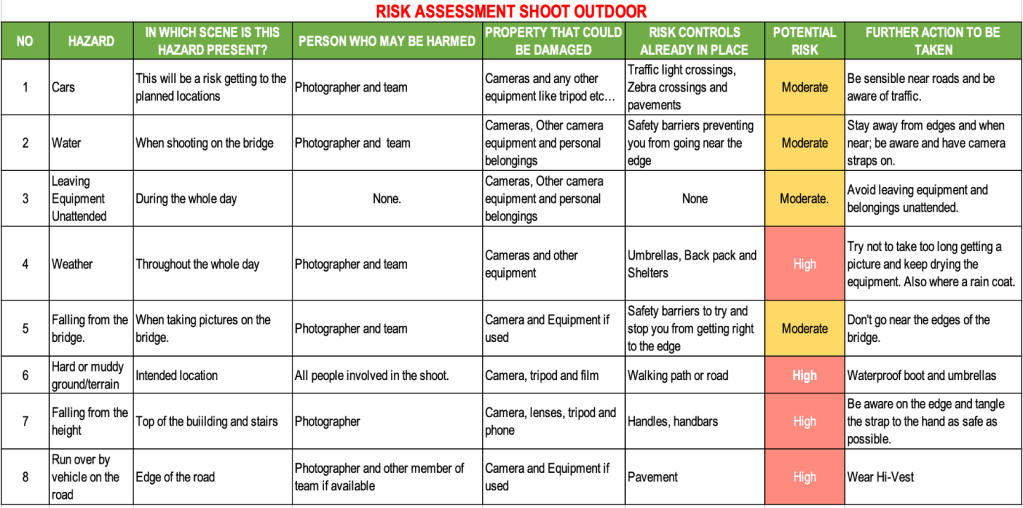
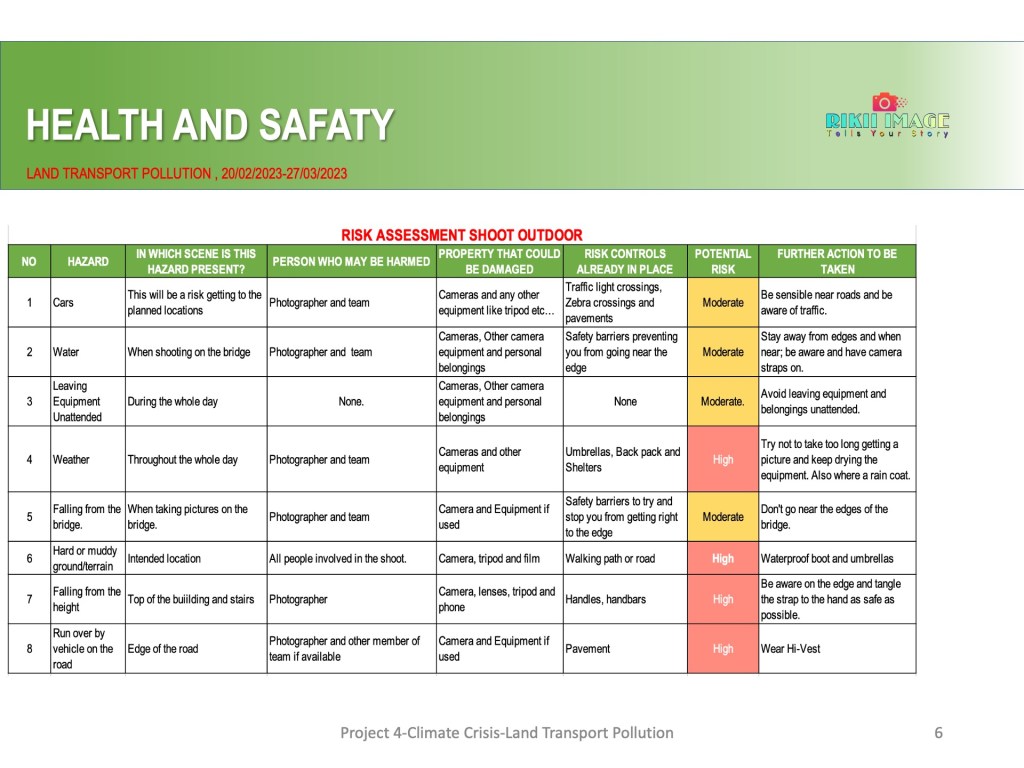
As a measure towards protecting my own health and safety as well as the health and safety of my equipment while I am working on this project, I will now identify the risk evaluations that I have conducted and the list of gear that I will use. I will do this following this section.
RISK ASSESSMENTS
One of the most essential issues of outdoor photography success, in my opinion, is knowing my plan and what to photograph. I will then create a checklist of the equipment I will need in the field, and I must be able to identify all the equipment’s conditions before I arrive. As a result, I am confident that I will not fail due to neglecting equipment or equipment malfunction during the photography process.
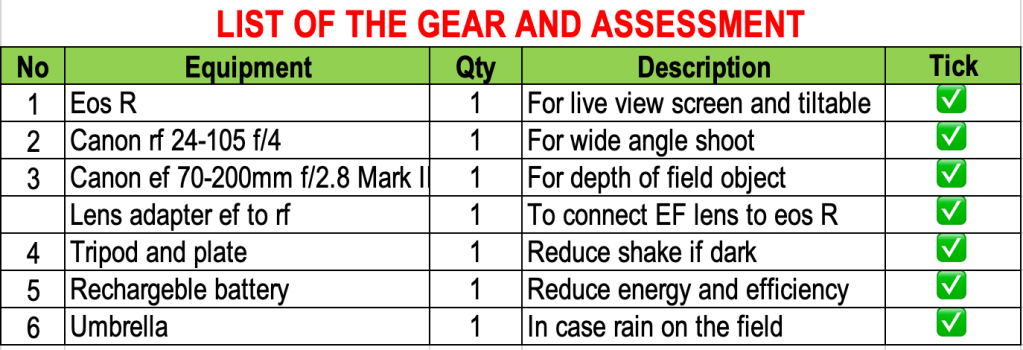
For the health and safety of my equipment in the field, I will also need to prepare for the dangers I will face during the photography process. On the basis of my plan, I’ve made preparations for all of the potential dangers I may face in the field.
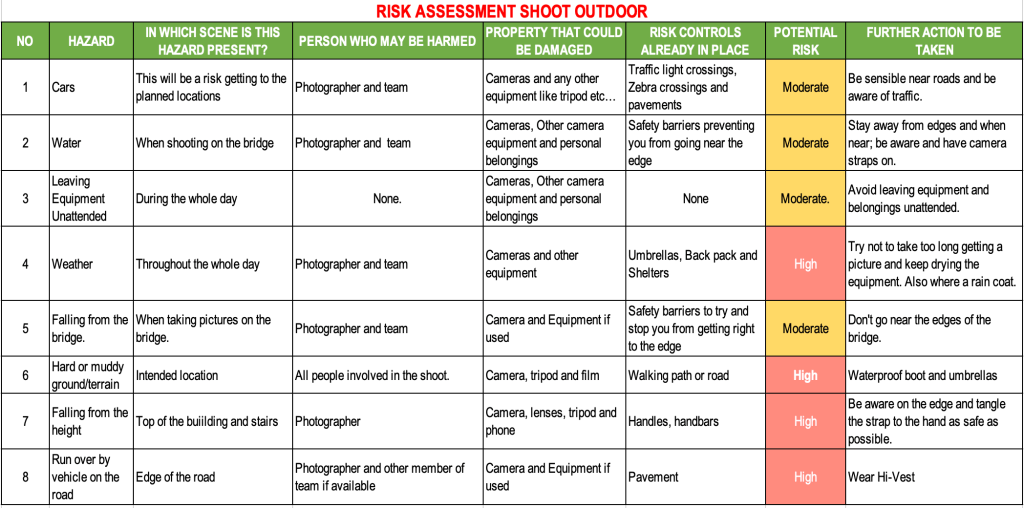
With my equipment checklist and identified potential risks, I am able to proceed with the photography of my project based on the locations where I expect to find a large number of vehicles with visible exhaust emissions.
Project photographs
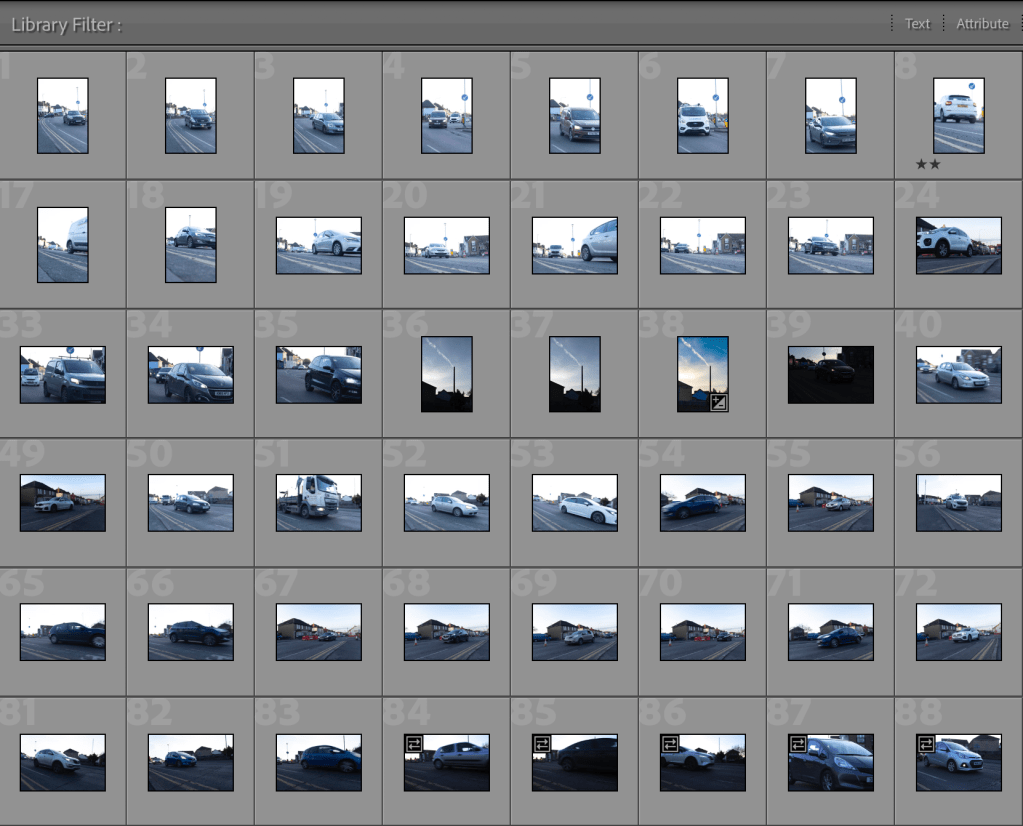
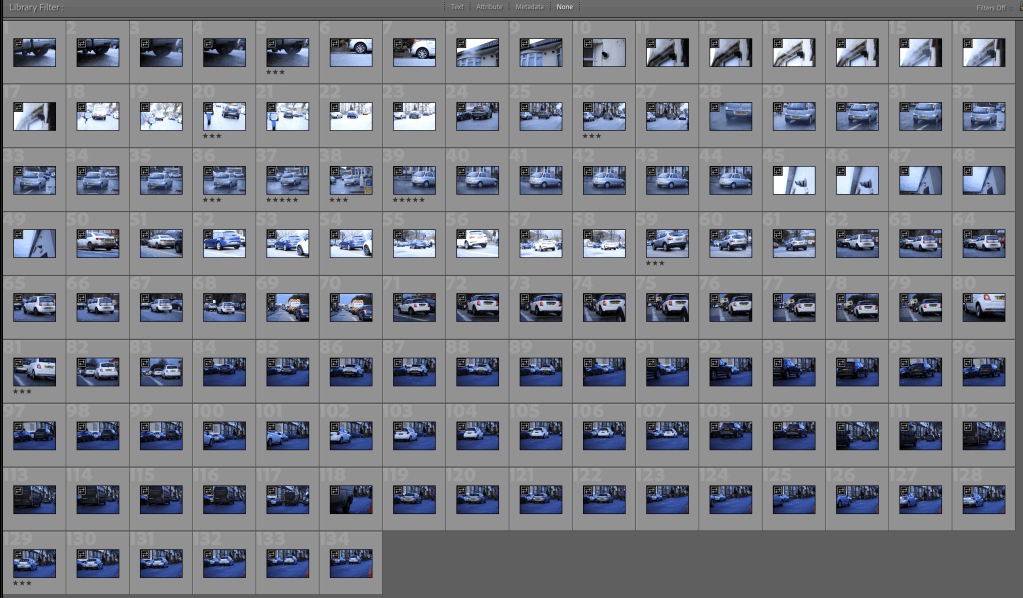
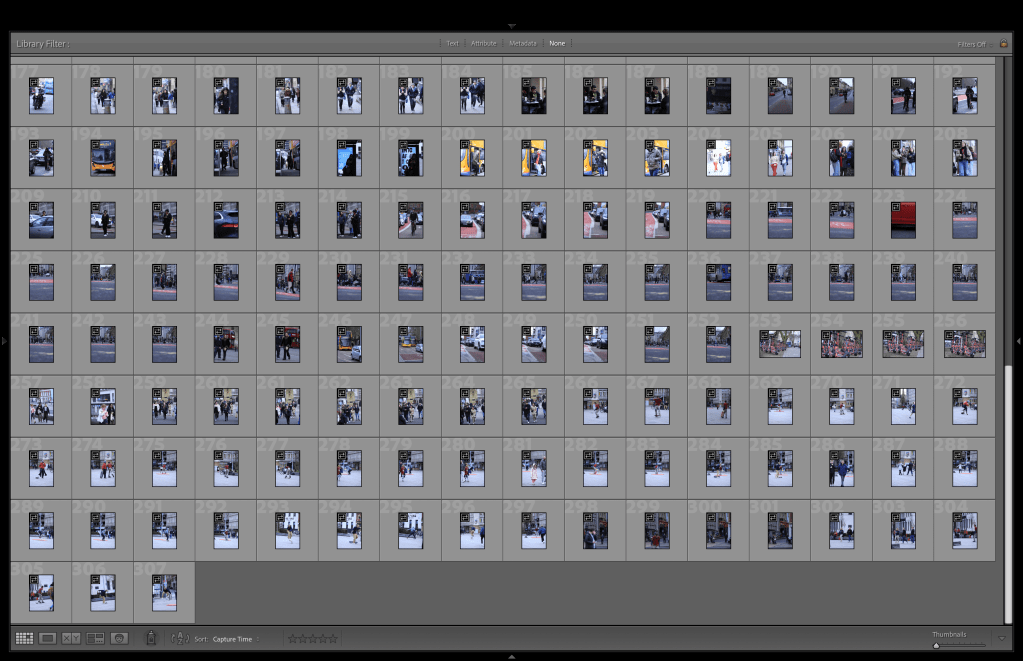
In this section, I have included all of the photographs in the contact sheet version that I have taken in an attempt to illustrate the problem of emissions by photographing all types and makes of vehicles that I encountered with the intention of highlighting the risk of emissions to humans and the environment in general, in accordance with my proposal that vehicle emissions are excessively produced.
photographs one (1) contact sheet
On the first day, I shot at the Staple Hill and Easton Way A432 roundabout. I was able to photograph wide from the top of the roundabout down to the traffic proceeding to the city centre, as well as close-ups of traffic coming from Easton, Stapleton, and Gloucester Road.
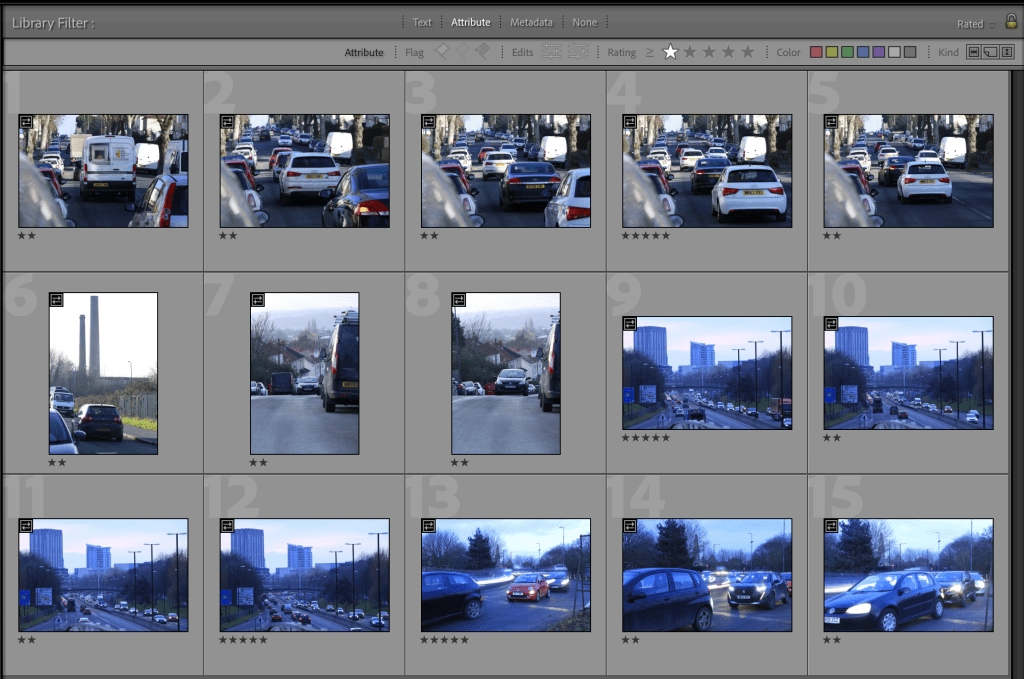
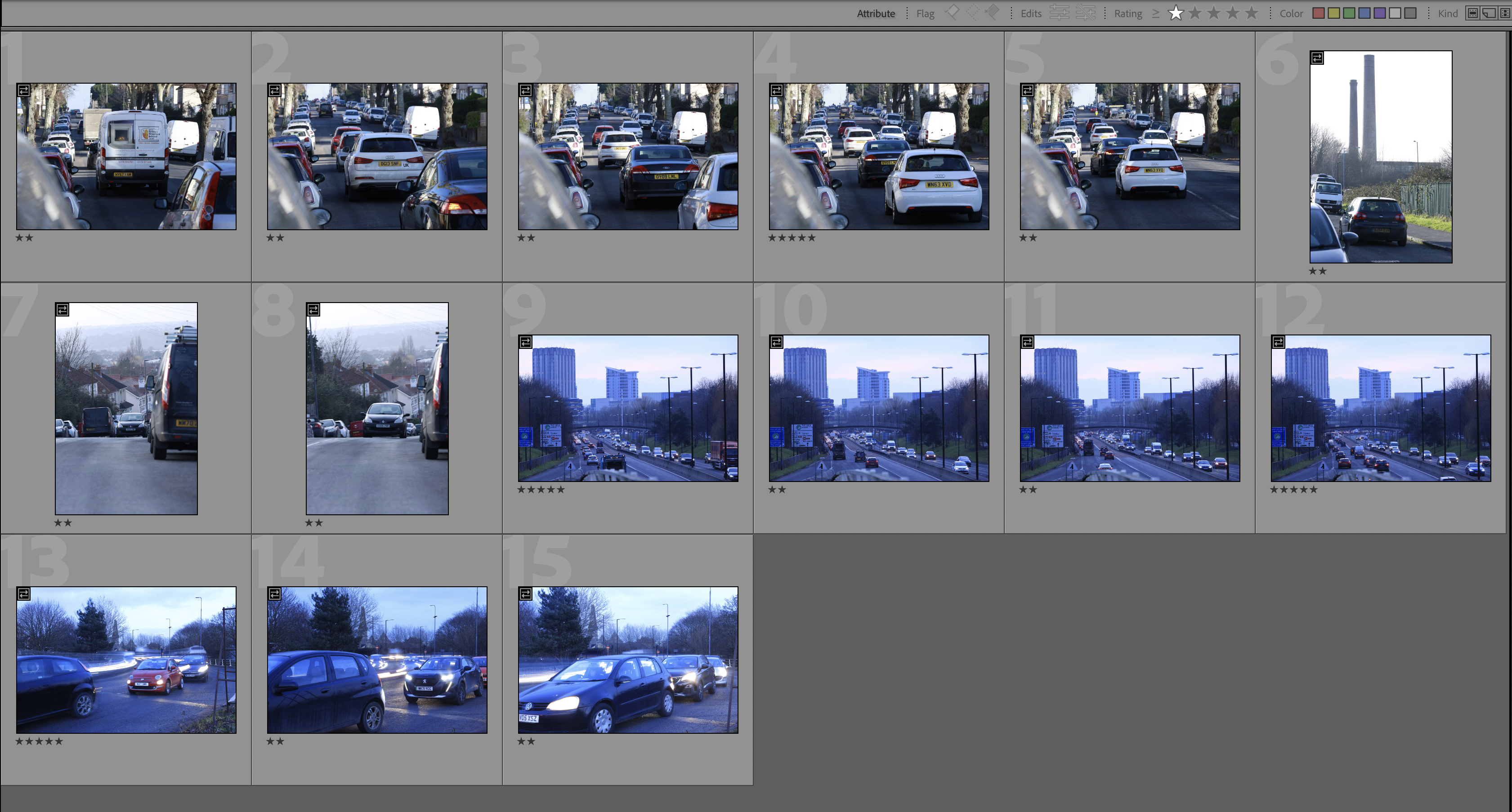
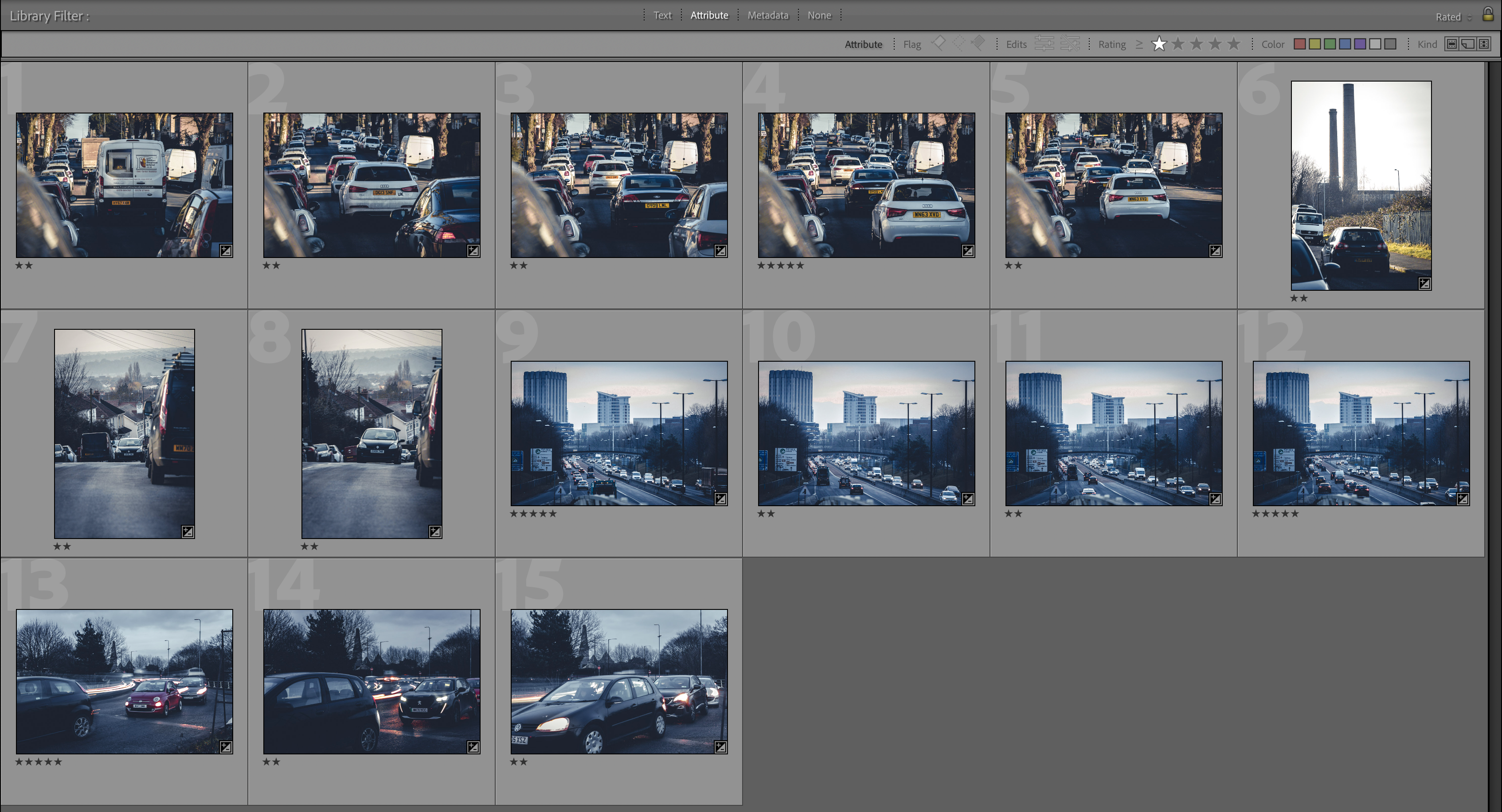
All of the images are still in their original, unprocessed state. However, I have highlighted a few images that I like as potential candidates for my project’s illustration.
Photographs two (2) contact sheet
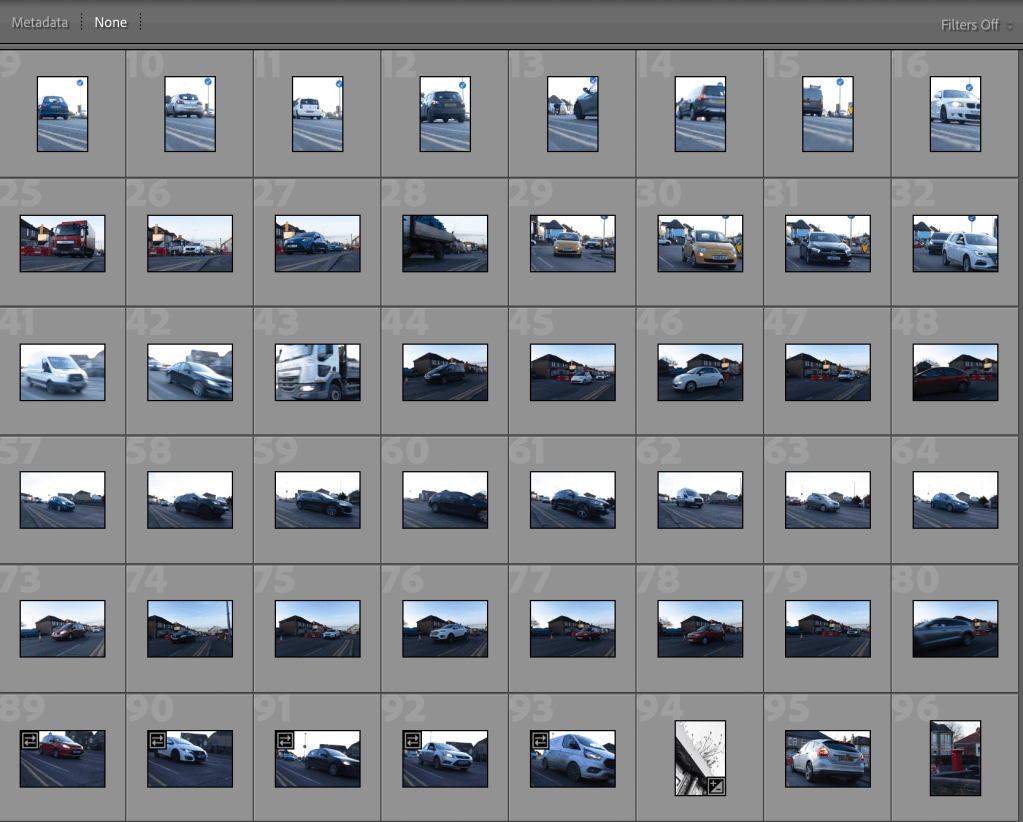
On the second day of shooting, I attempted to locate a vehicle with excessive emissions. However, I was unable to find it because at the time I missed photographing from where the traffic signal was, and the result was not pleasing at all. Therefore, I did not highlight any of the images on the contact sheet.
Photographs three (3) contact sheet
Please view the images slide attached below, which range from all photographs to the best and most edited selections.
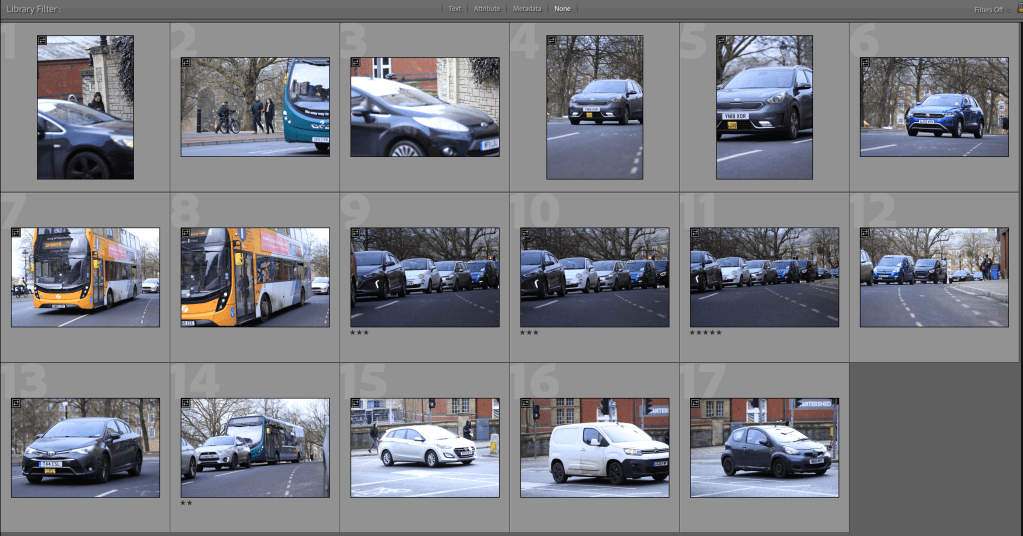
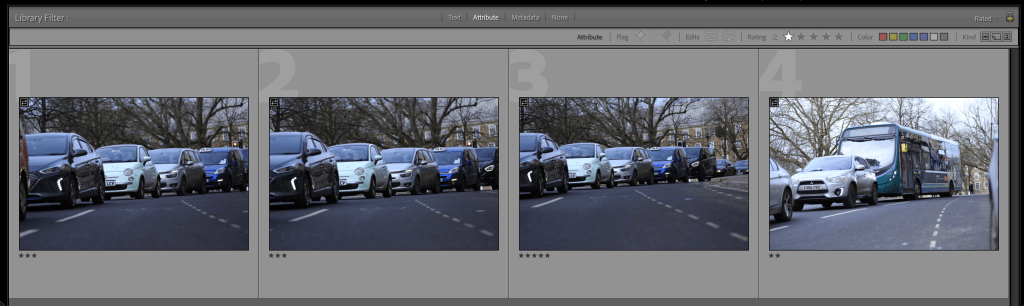
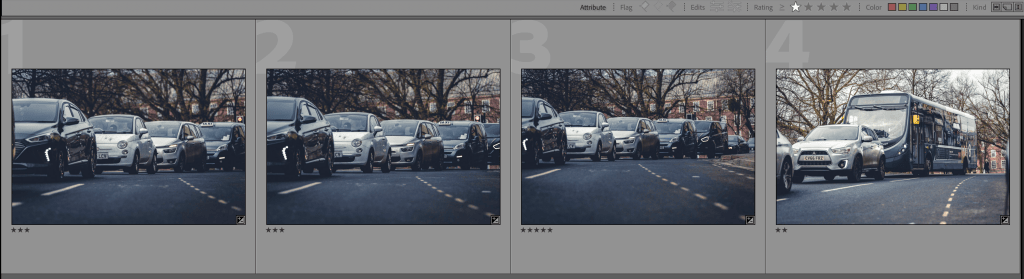
At this point, all I wanted to do was take a few photographs of the vehicles parked in a row so that I think could demonstrate better the narrative I’ve been telling about car emissions. A few of the photographs that I captured are particularly appealing to me. I marked it accordingly with the star rank so I could easily identify it in post-processing.
Photographs four (4) Contact sheet
Please view the images slide attached below, which range from all photographs to the best and most edited selections.
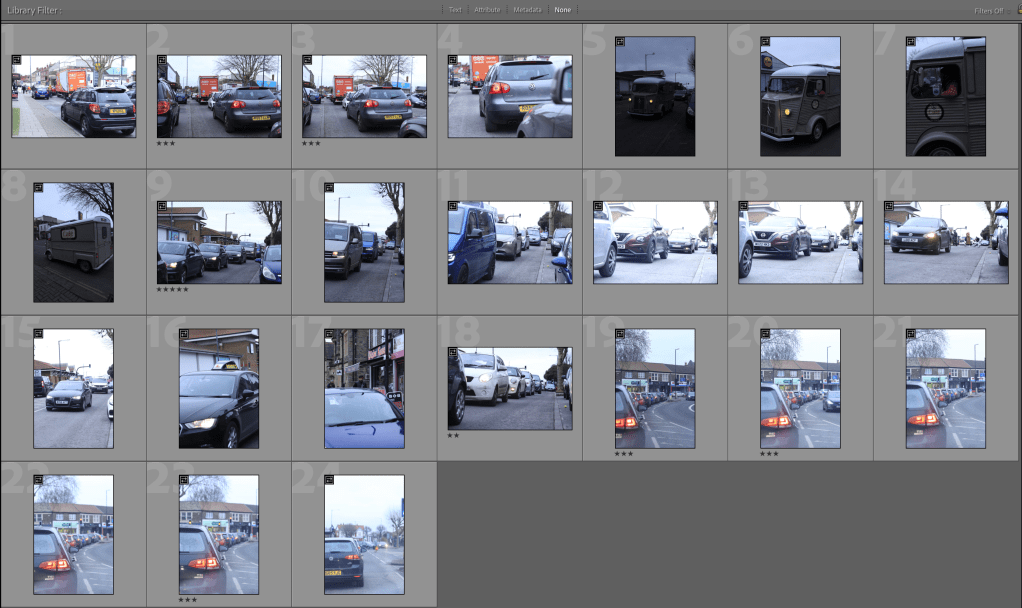
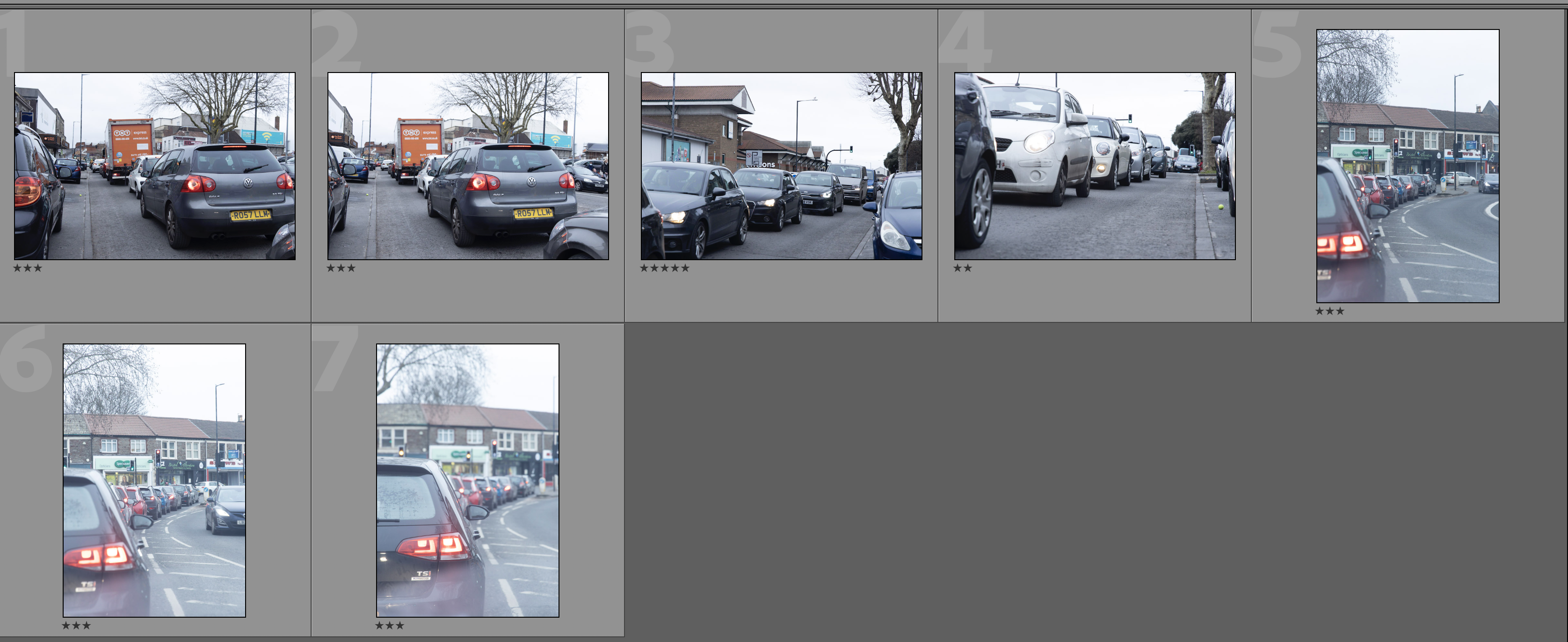
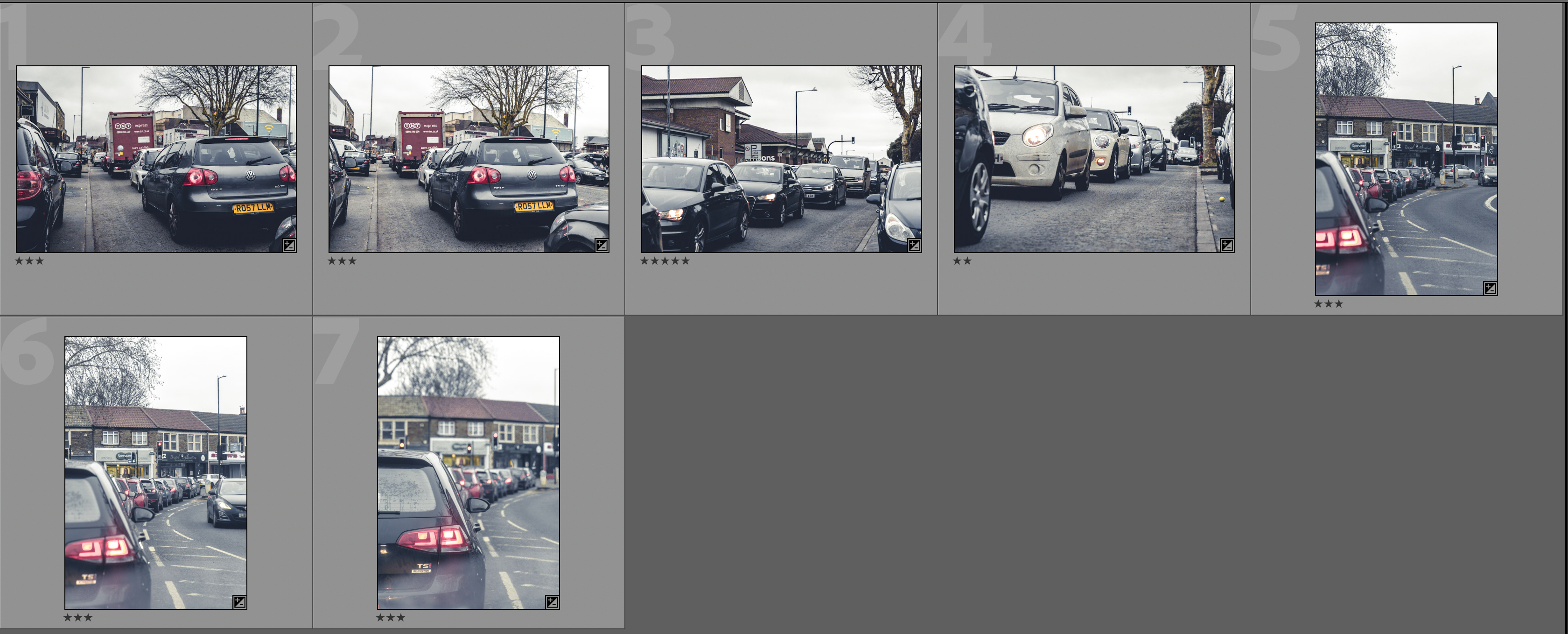
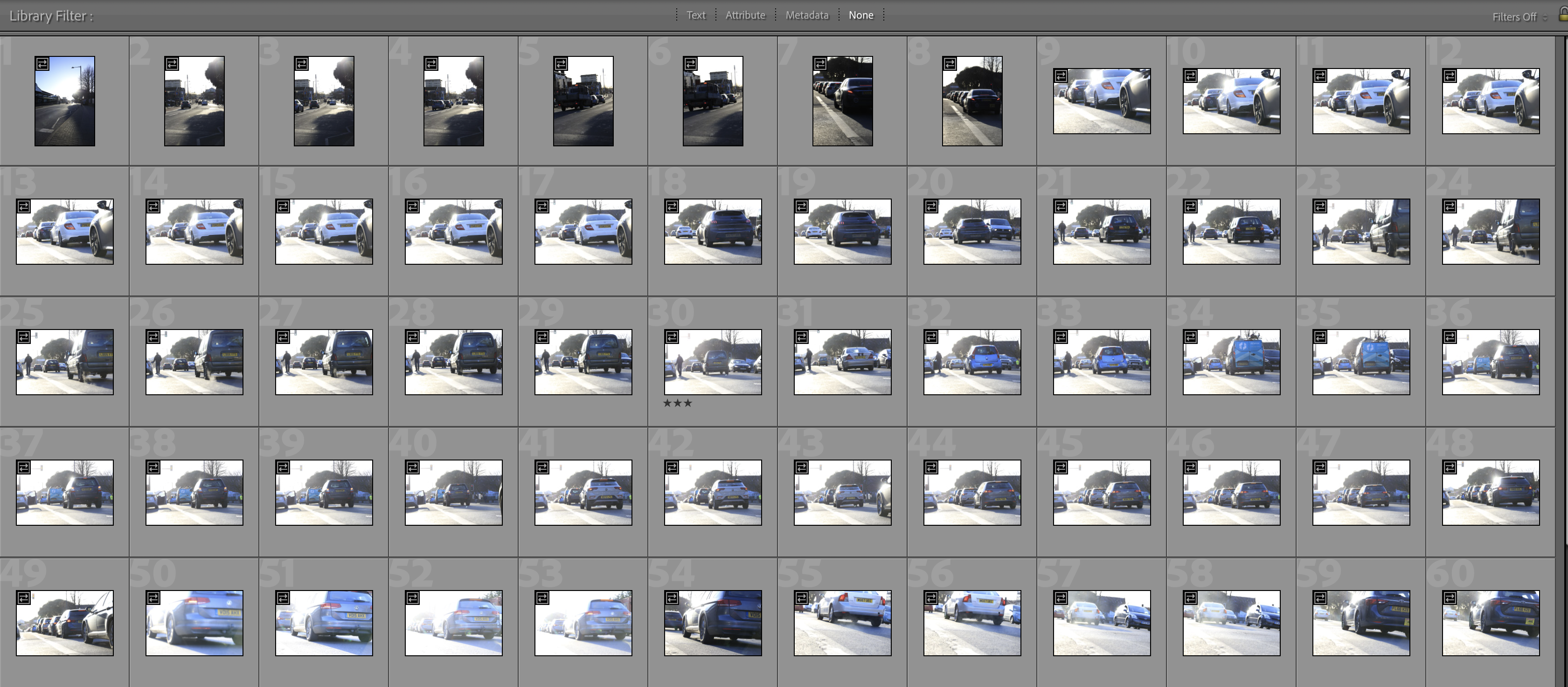
At this phase, I am attempting to take photographs of a few vehicles from behind as they line up in the form of a repetitious pattern, and I am also attempting to identify the vehicle that releases an excessive quantity of pollutants. I have highlighted the photographs that appeal to me.
Photographs five (5) contact sheet
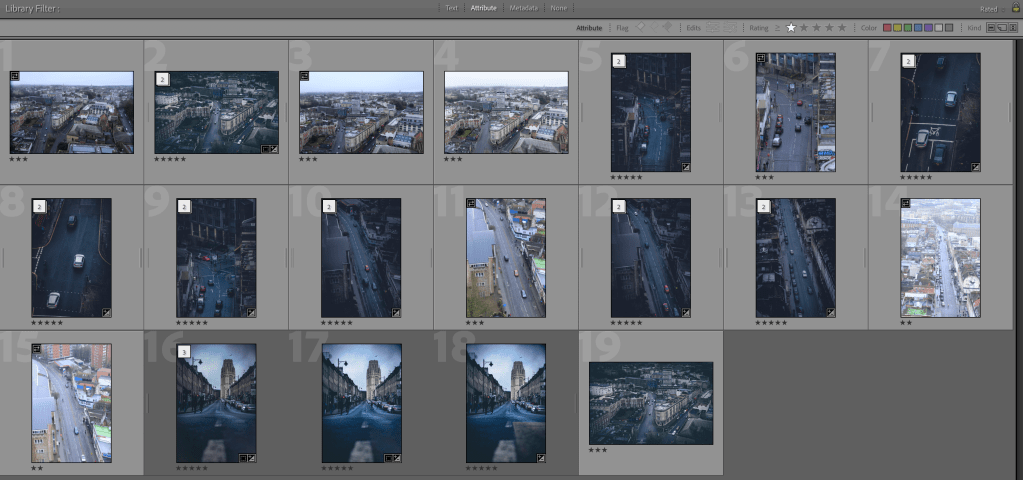
I attempted to capture an aerial view of vehicles and the atmosphere above the city during this session. I do like a few of the images, but I believe I need to photograph again at a time when there are many vehicles on the ground.
Photographs Six (6) contact sheet
Please view the images slide attached below, which range from all photographs to the best and most edited selections.
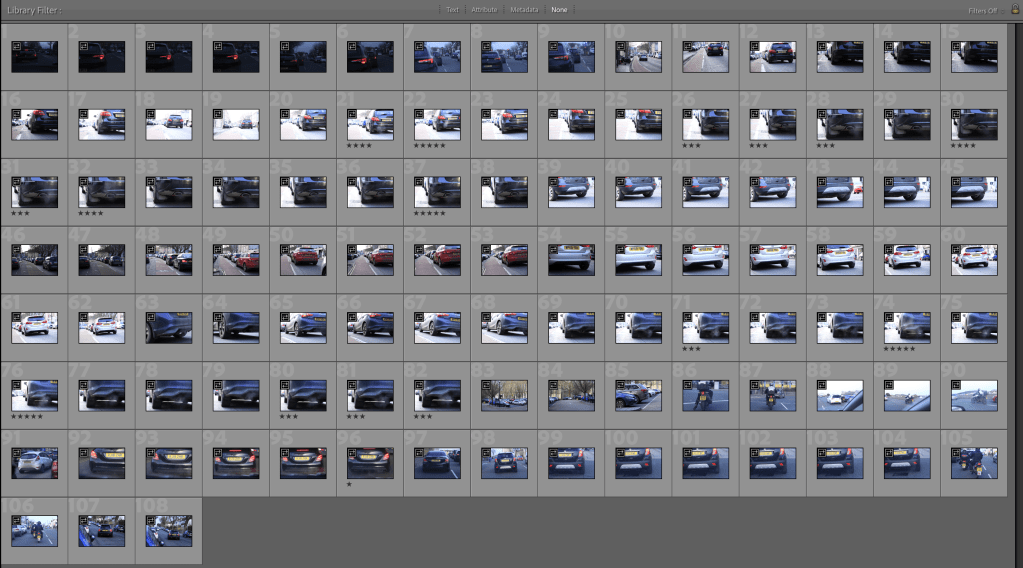
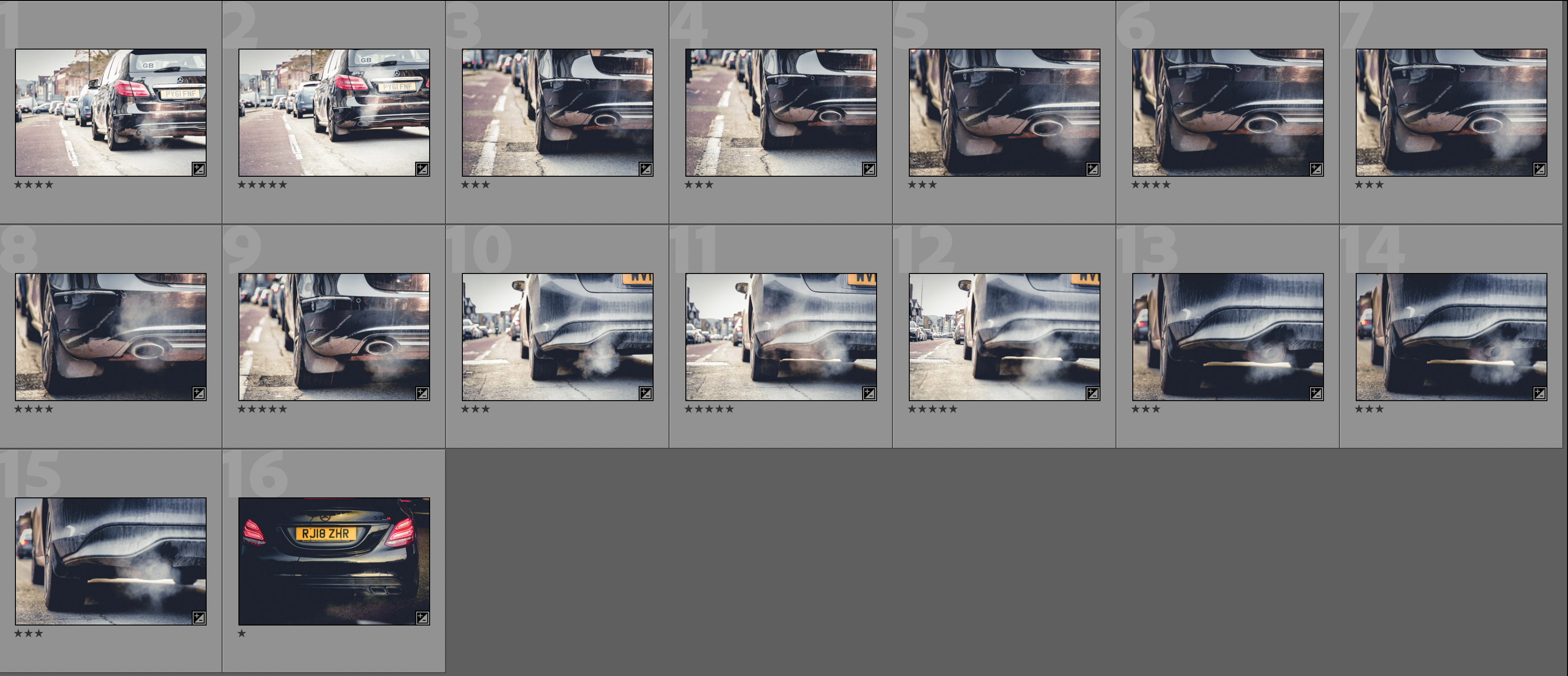
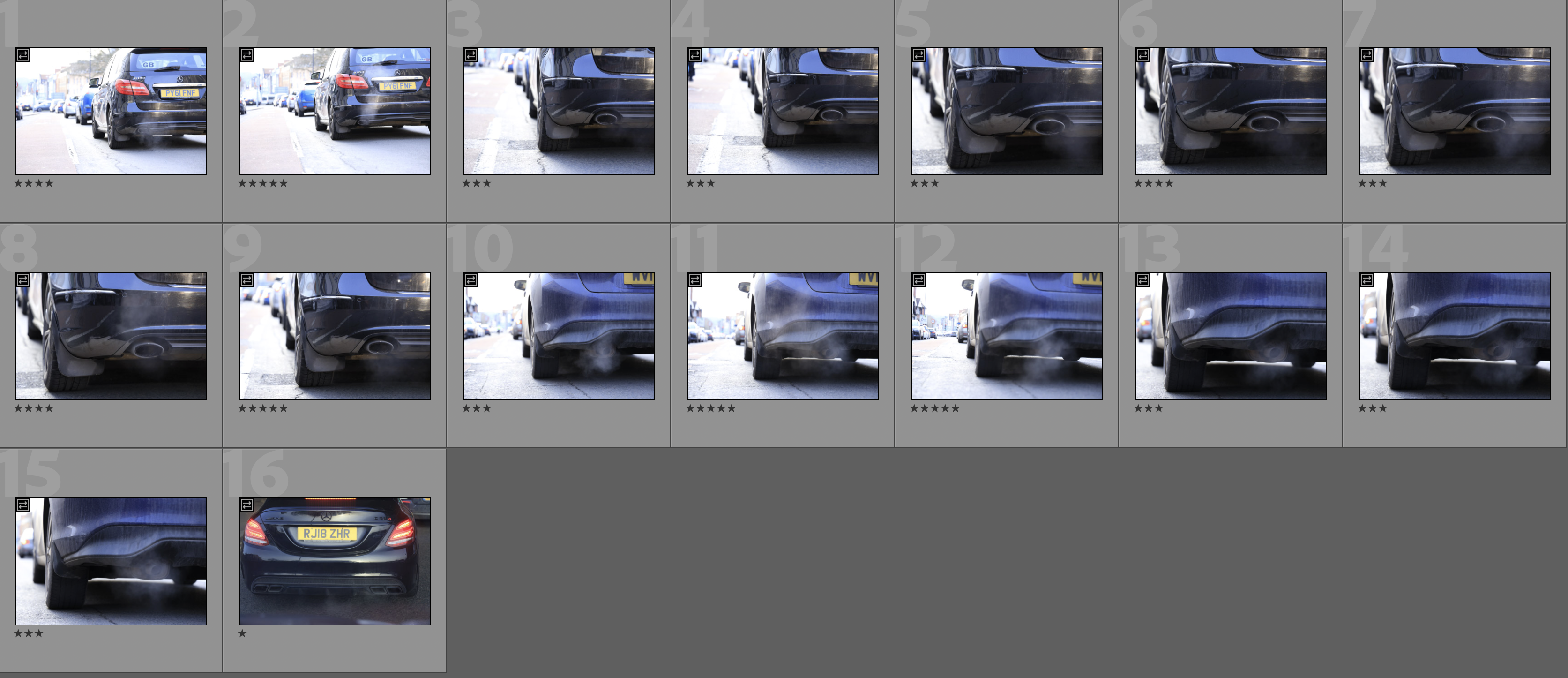
In this phase, I am trying to photograph I went near the traffic light with extra caution and managed to capture vehicles in close-up that have lots of emissions generated during their stationing in the traffic light.
Photographs Seven (7) Contact sheet
Please view the images slide attached below, which range from all photographs to the best and most edited selections.
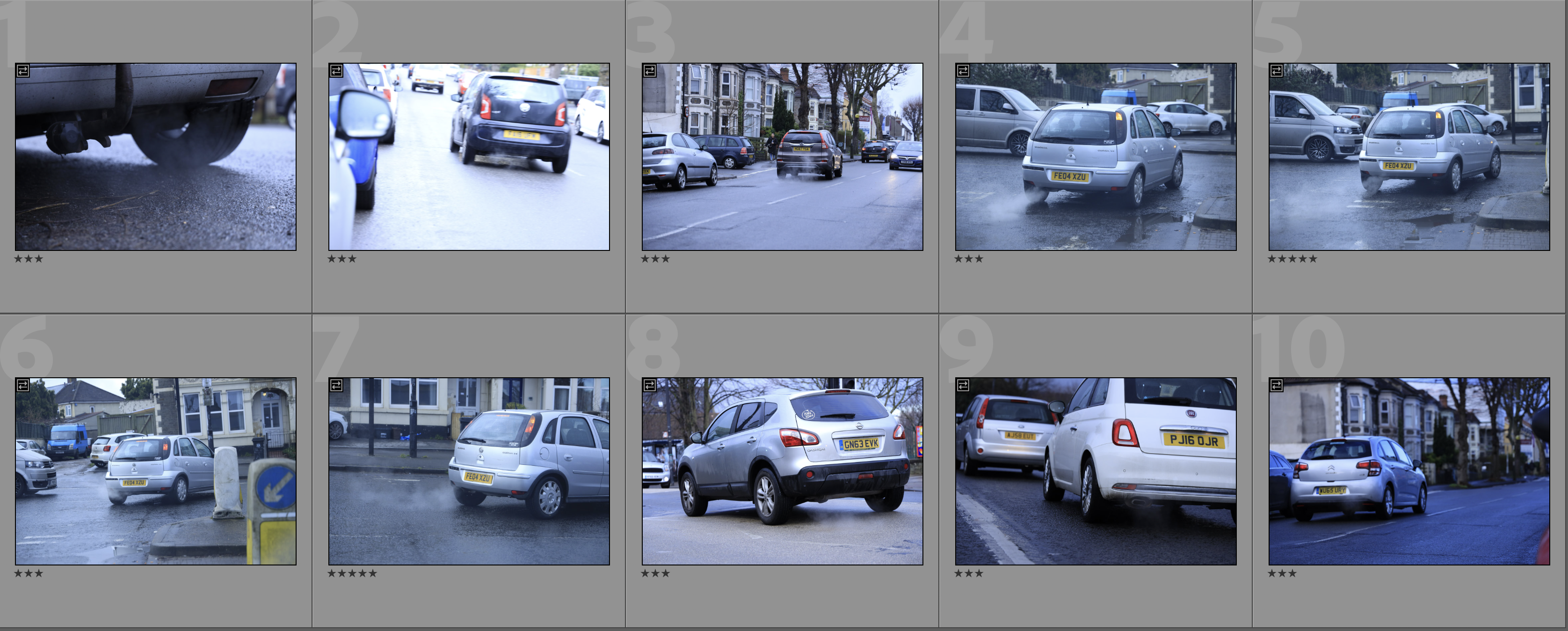
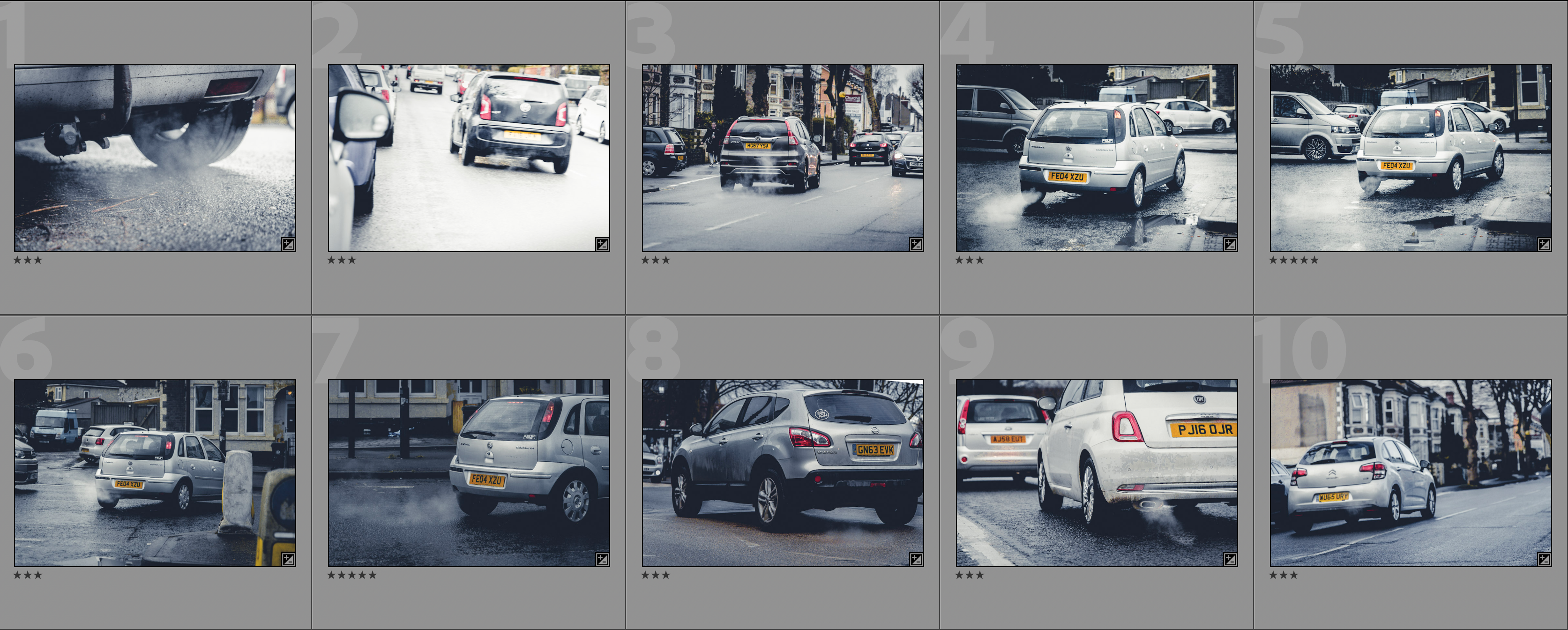
Moving forward from the previous pictures, I am still searching for a close-up image that generates a number of unnecessary emissions in the various angles of a single carriageway traffic signal.
I am impressed with this session, and I believe that I was able to locate some of the photographs that are powerful enough to serve as the foundation for my project proposal.
Photograph Eight (8) Contact sheet
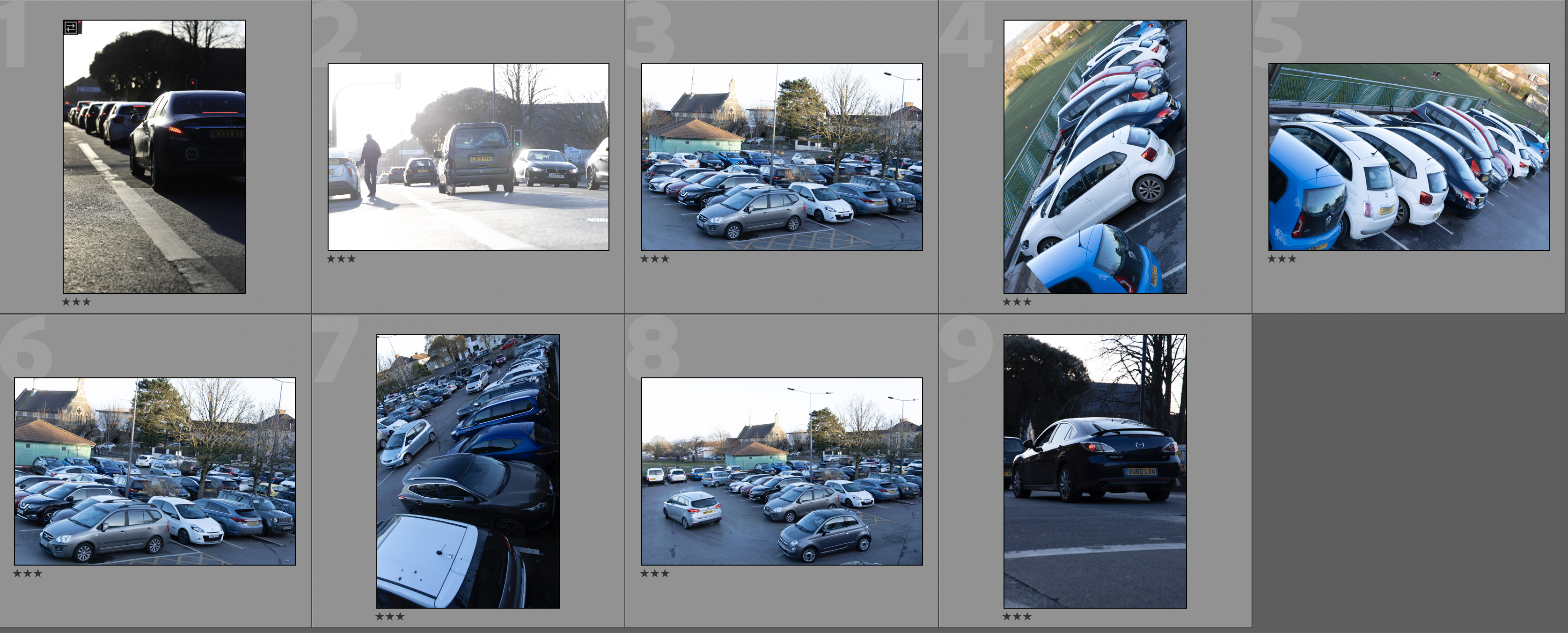
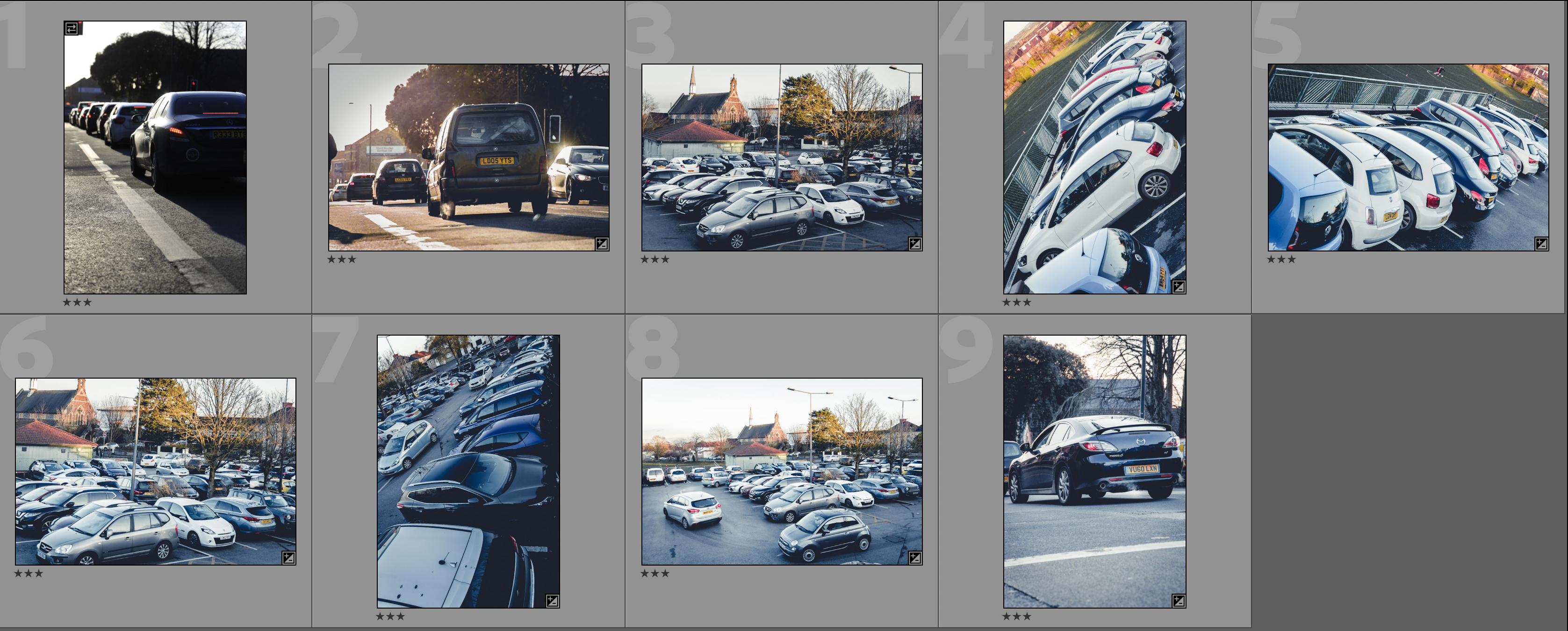
Photograph Nine (9) Contact sheet
Please view the images slide attached below, which range from all photographs to the best and most edited selections.
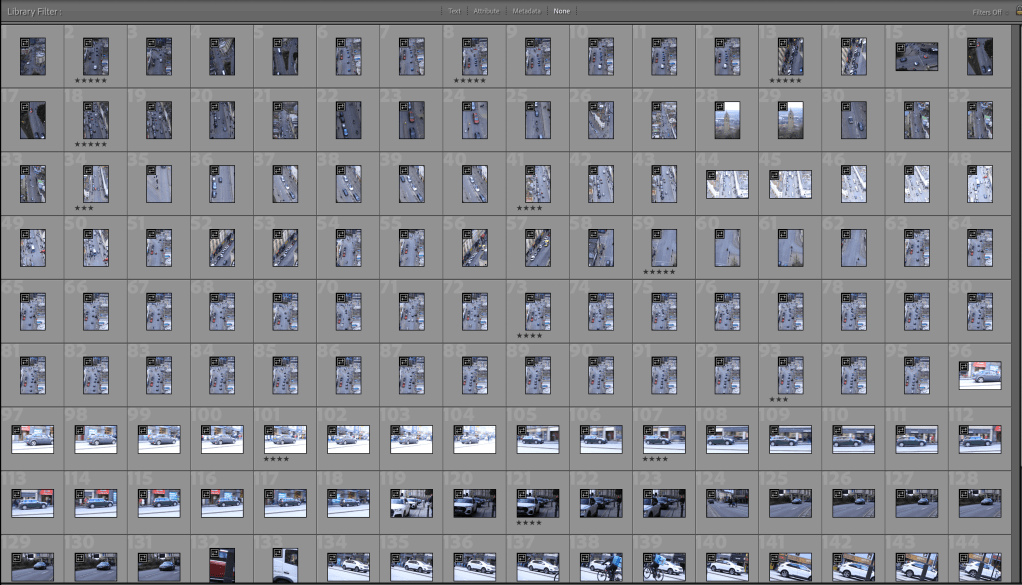
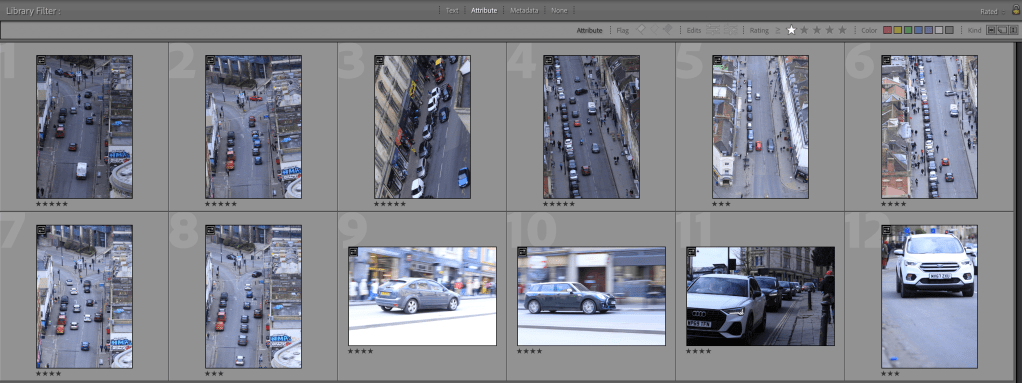
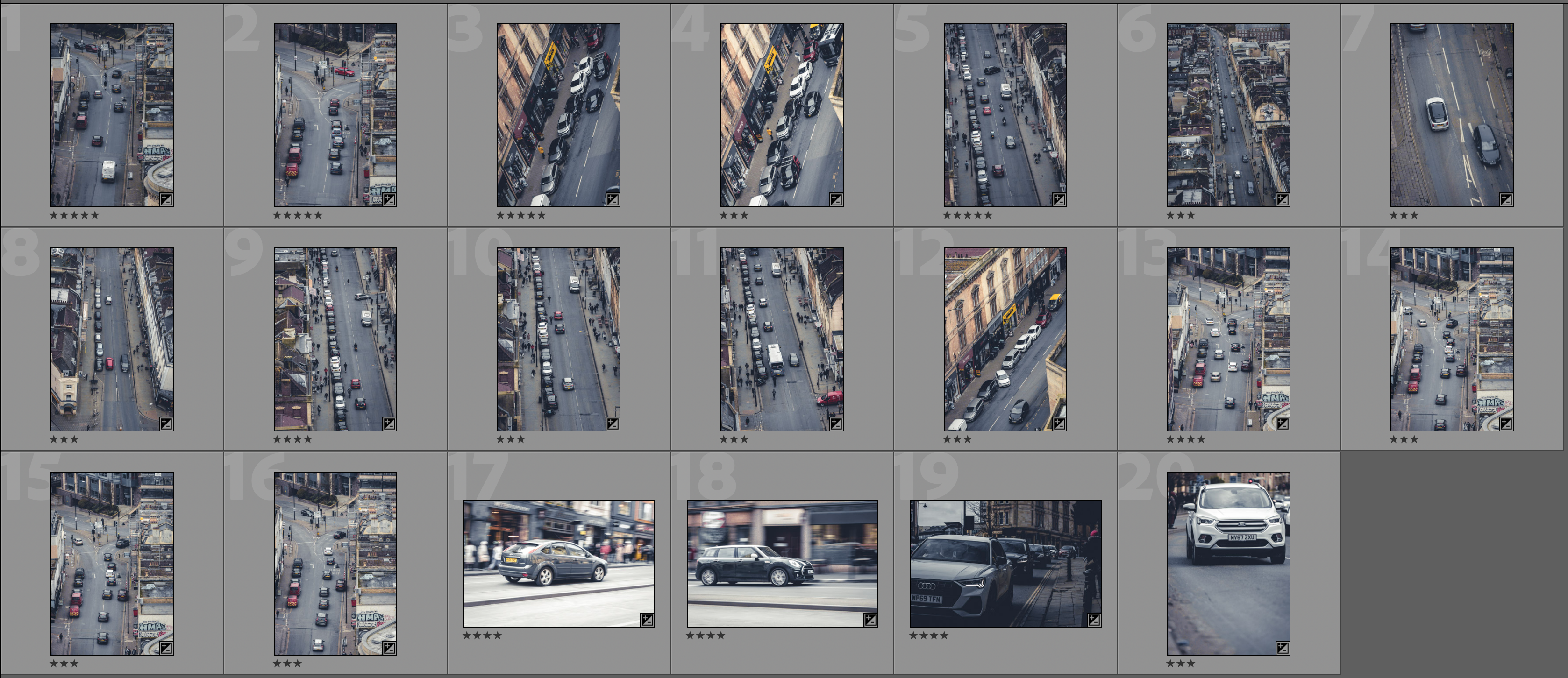
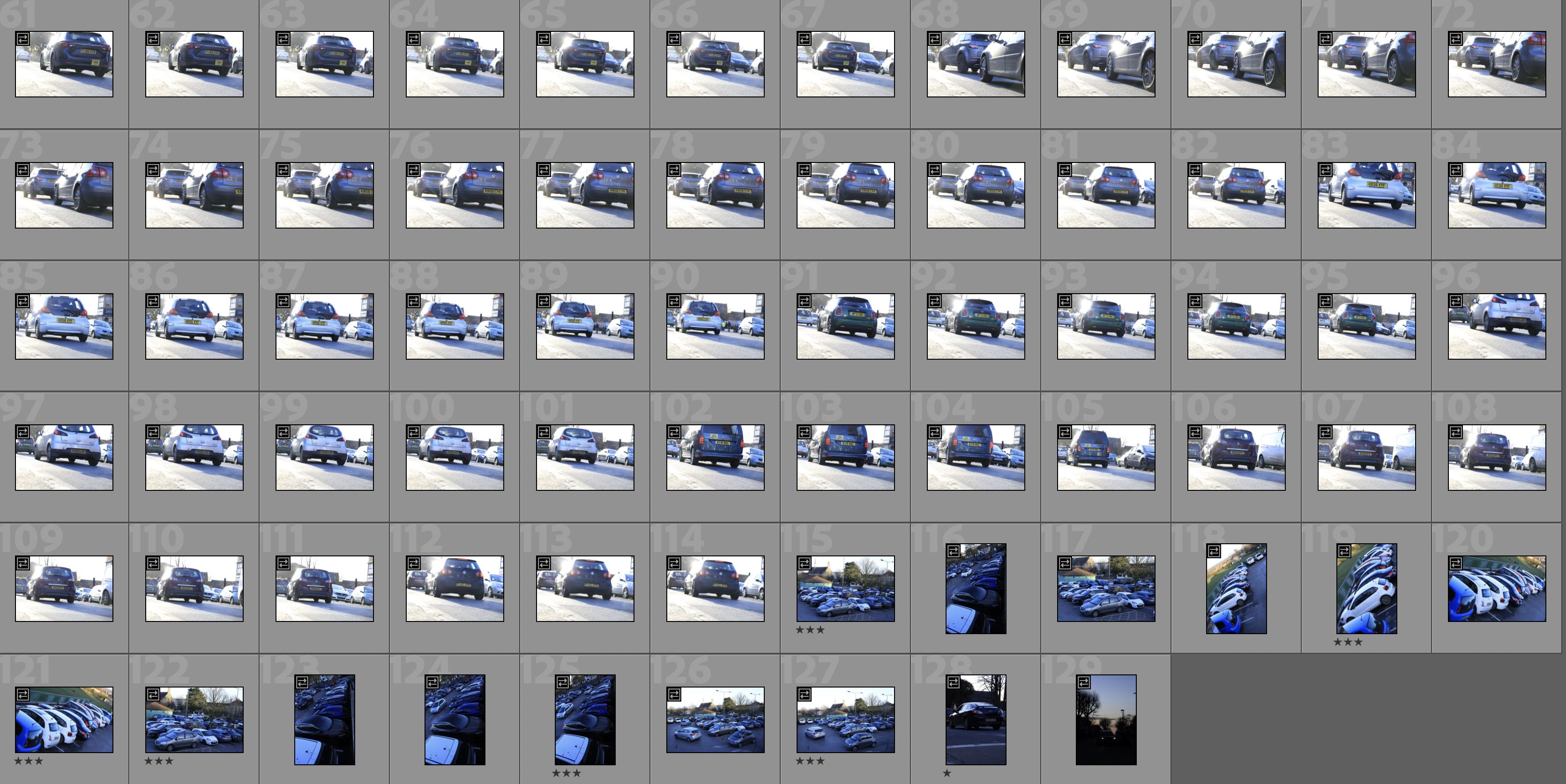
This is the second occasion I have visited the Wills Memorial Building at a different time. The last time I visited the location, it was at 2:00 p.m. This time, I returned to the same location, but at 12:00 p.m., in order to capture an image of a city filled with vehicles. I decided to mark the images I like so I can edit them later, and then I will make the final selection from this group of images.
photograph Ten (10) Contact Sheet
Please view the images slide attached below, which range from all photographs to the best and most edited selections.
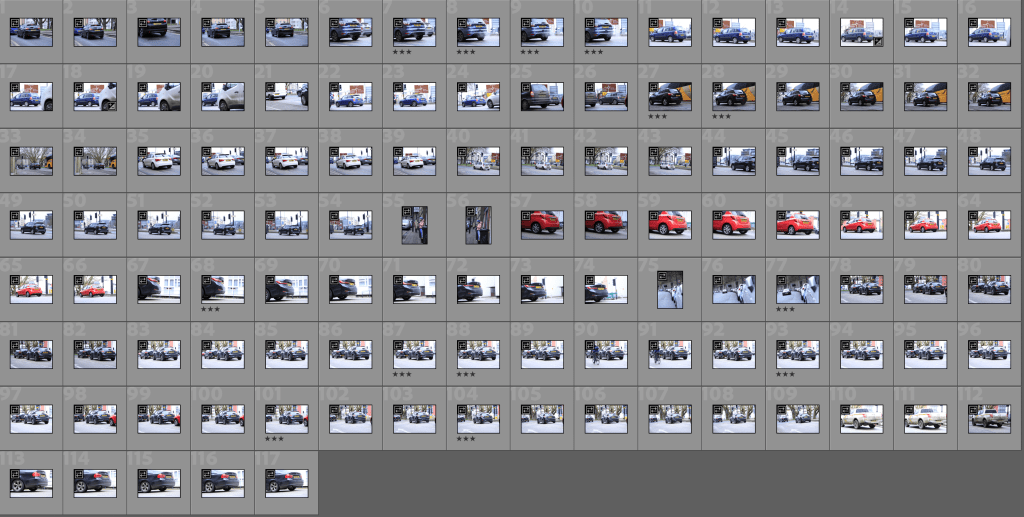
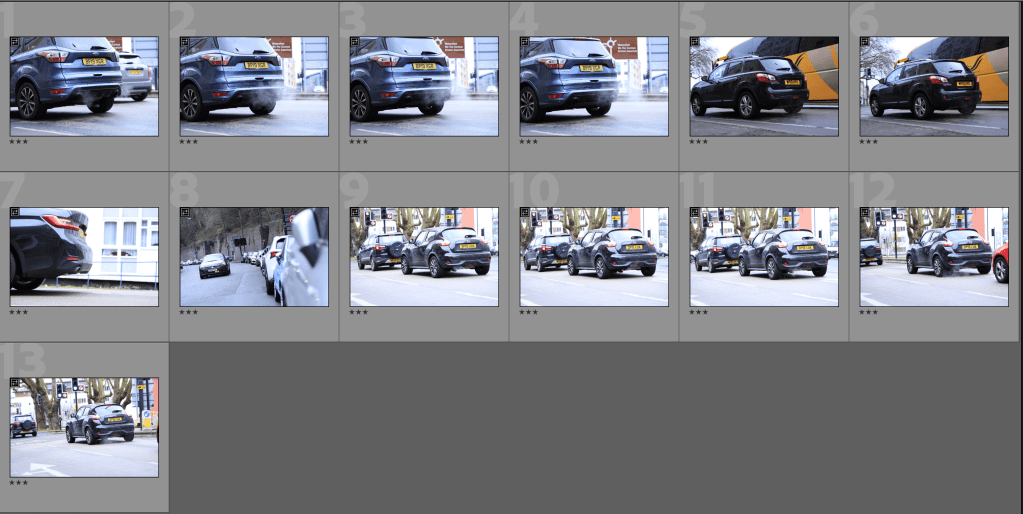
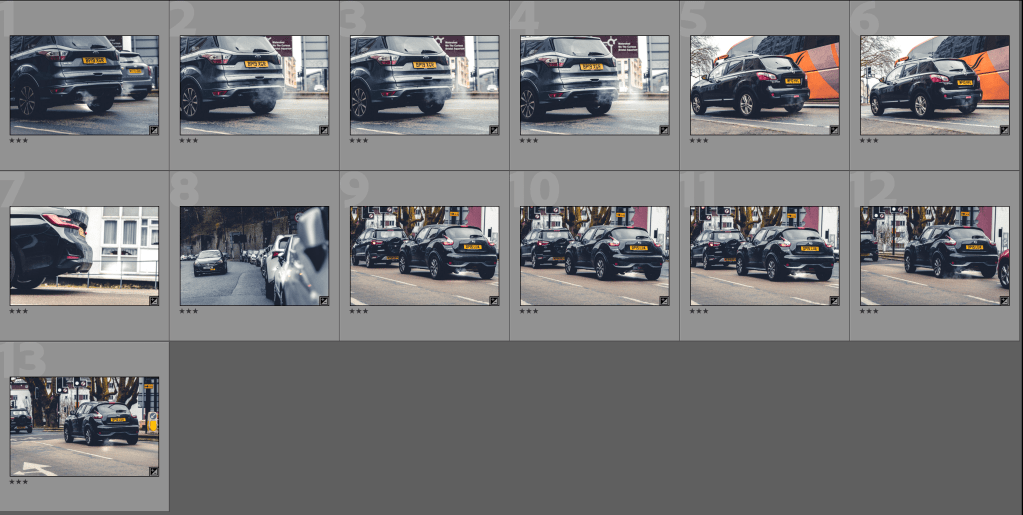
For this particular picture, I am simply experimenting with the same aspect as the previous shot while searching for a close-up view to enhancing my imagery projection.
Photograph Eleven (11) contact sheet
Please view the images slide attached below, which range from all photographs to the best and most edited selections.
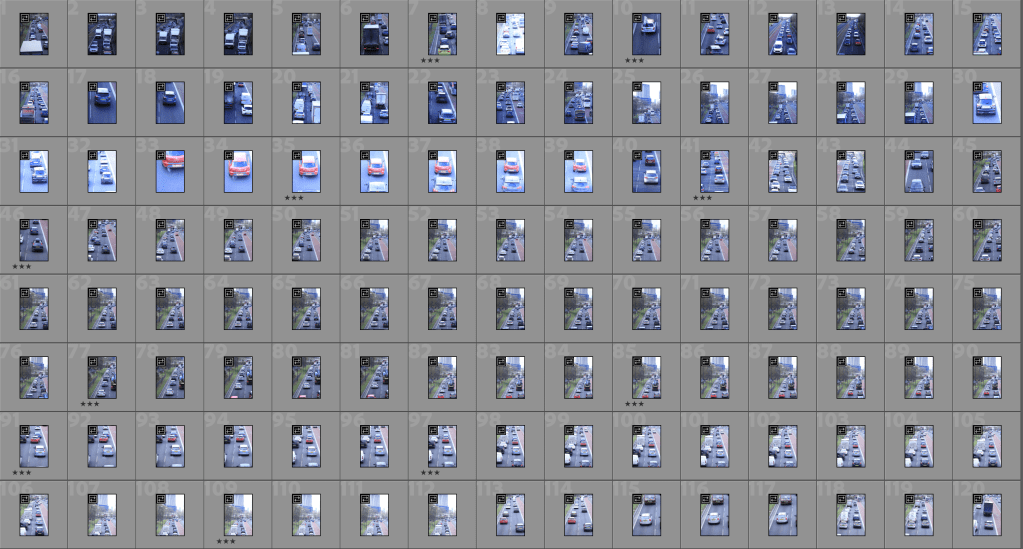
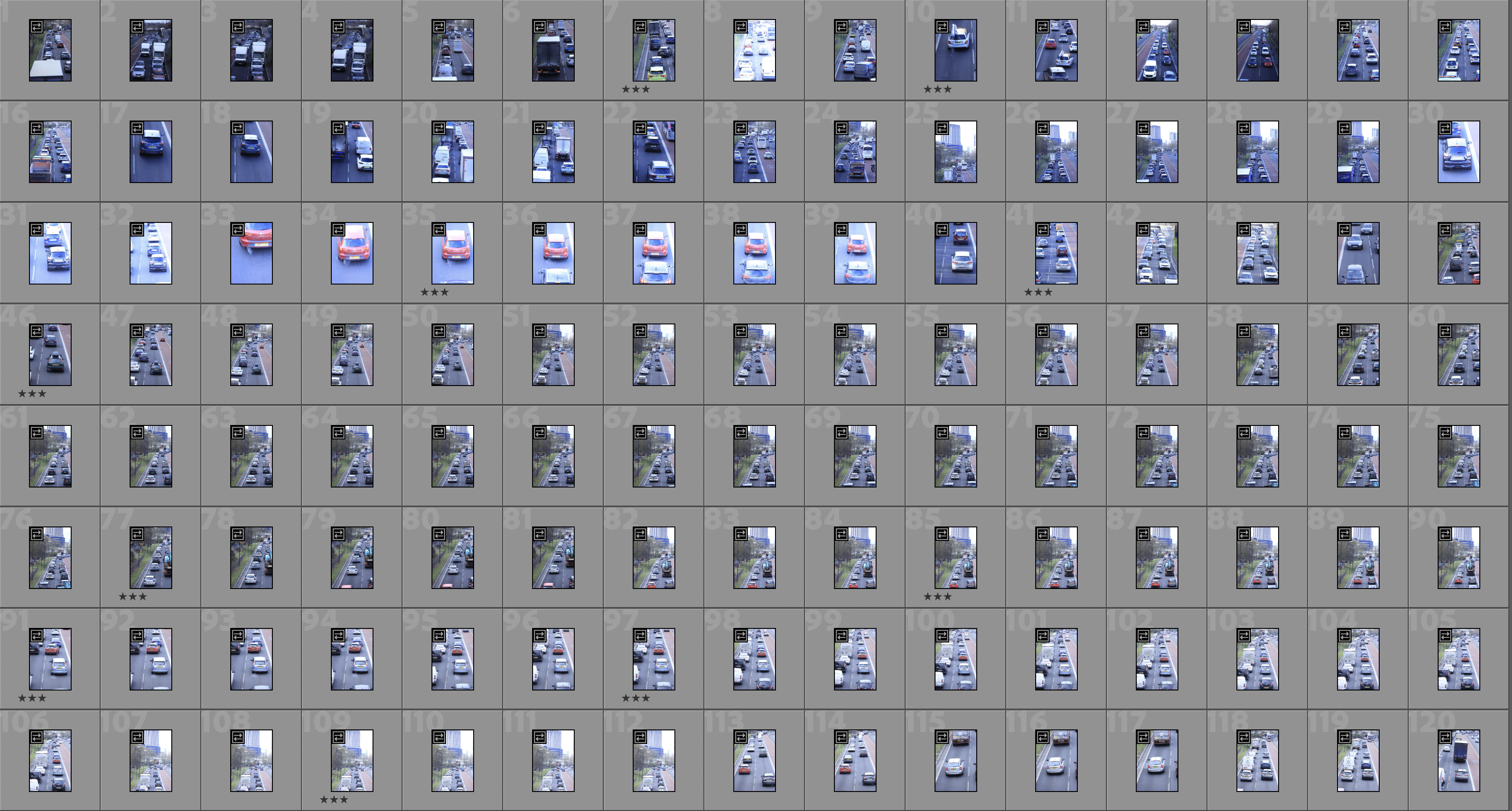
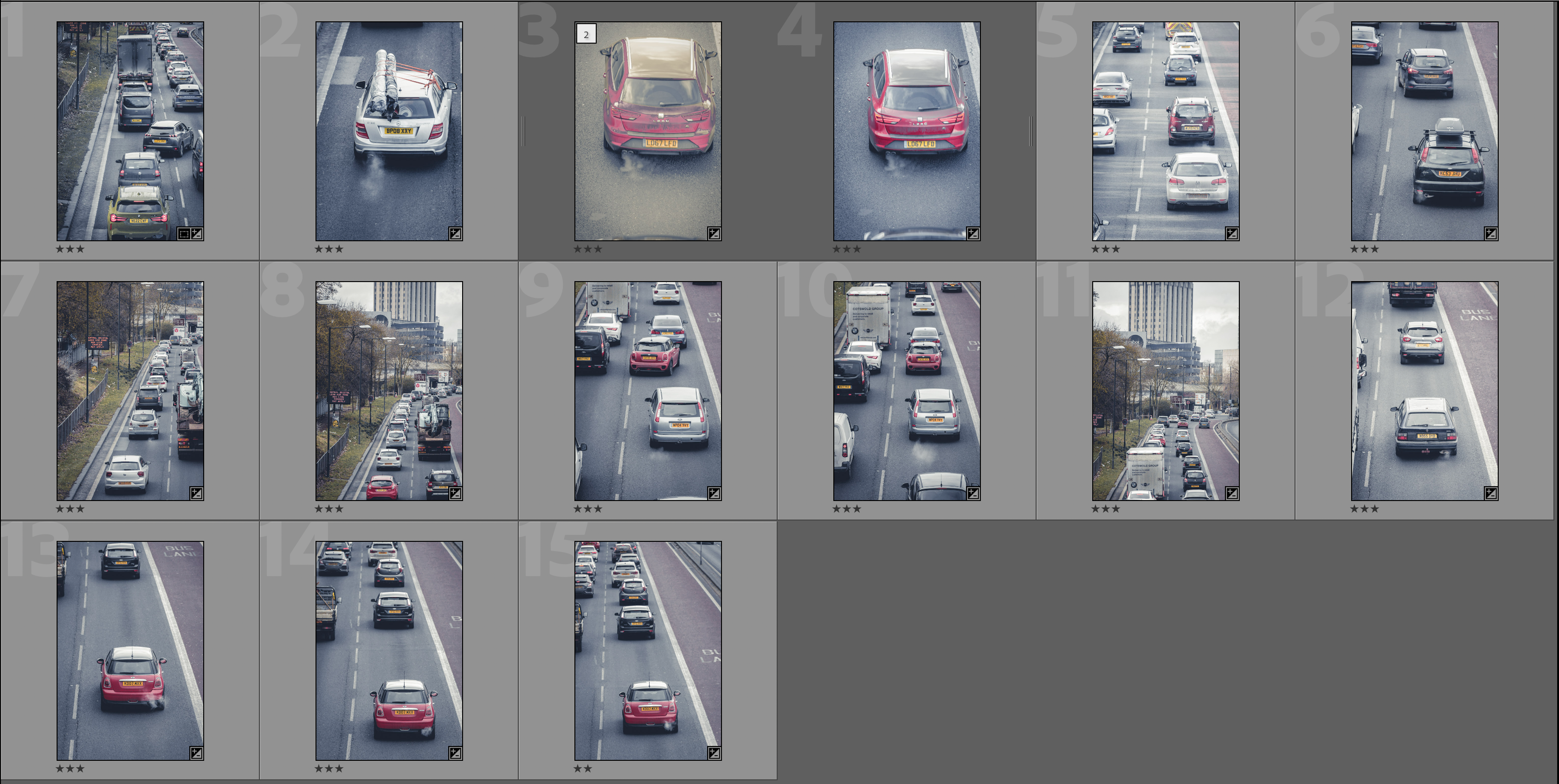
These are the photographs I captured from the bridge’s top. I’m seeking for visuals a perspective from above gazing down at vehicles in order to visualise how numerous visible and invisible emissions are produced by enormous vehicles lined up in traffic.
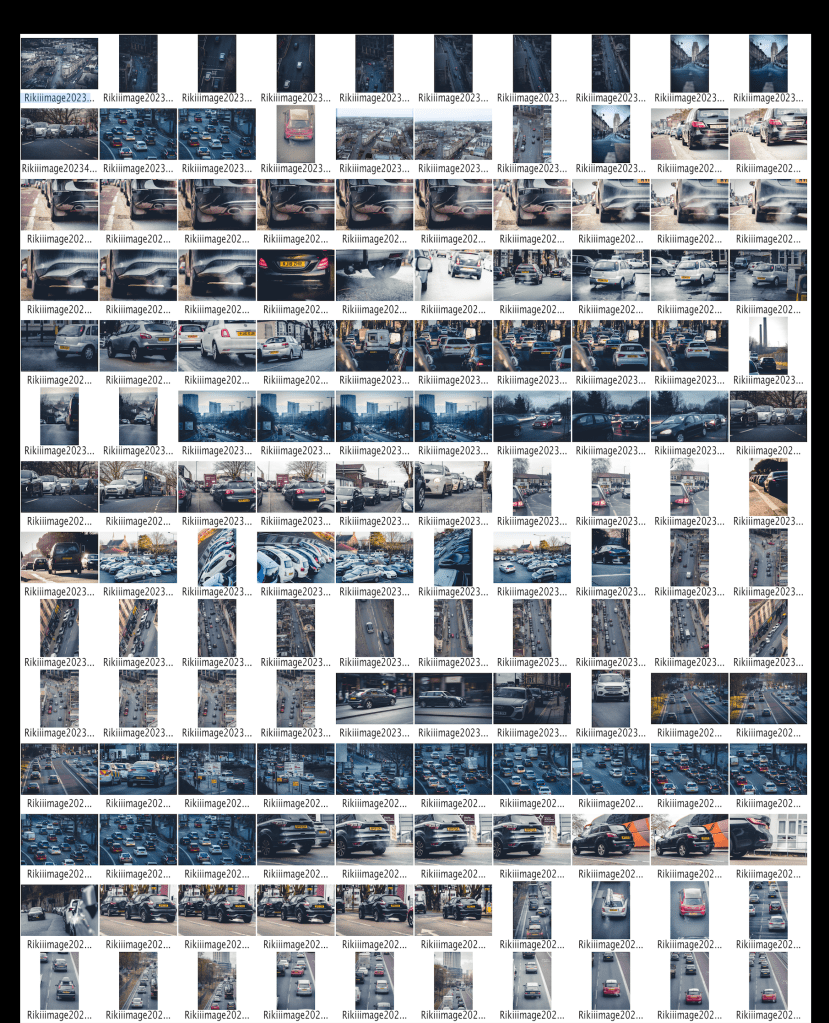
Range of collection from the first shot until the last shot regarding car emissions in two contact sheet images.
Photograph Twelve (12), humans, bikes and busses as alternative transport
Please view the images slide attached below, which range from all photographs to the best and most edited selections.
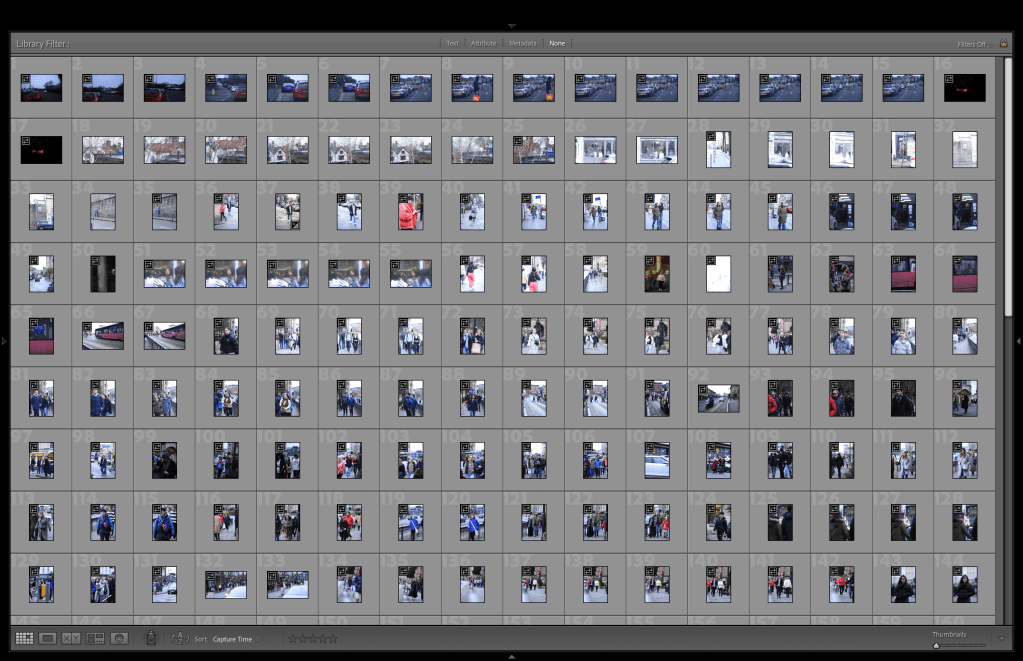
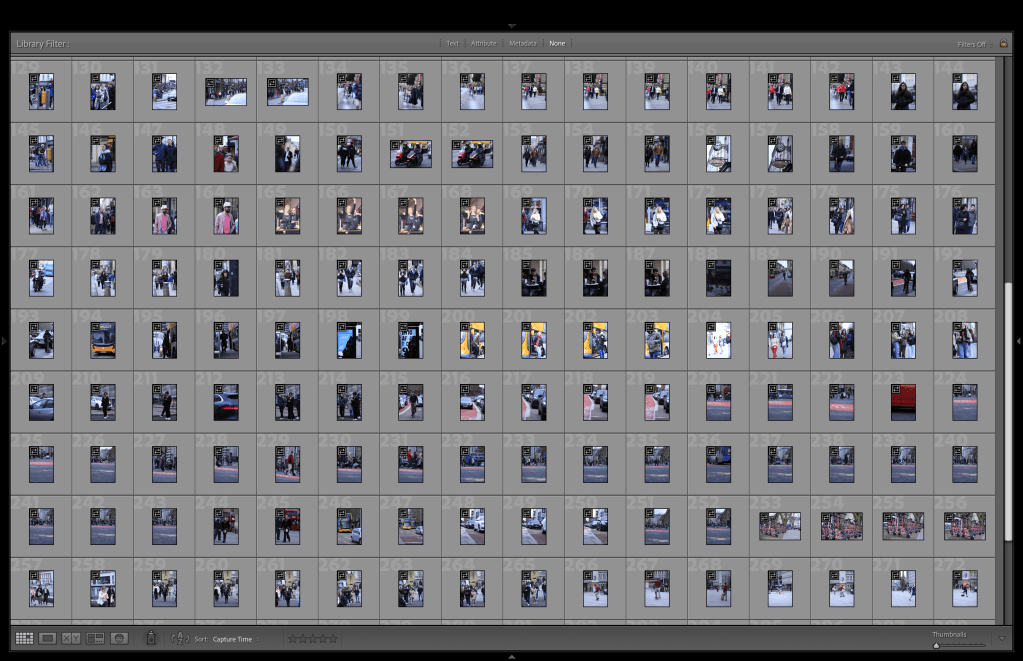
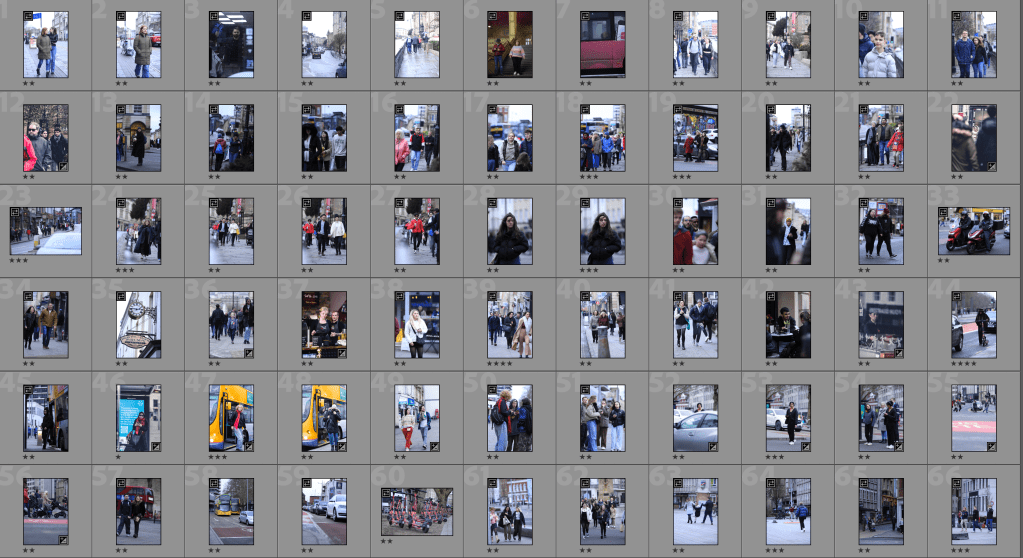
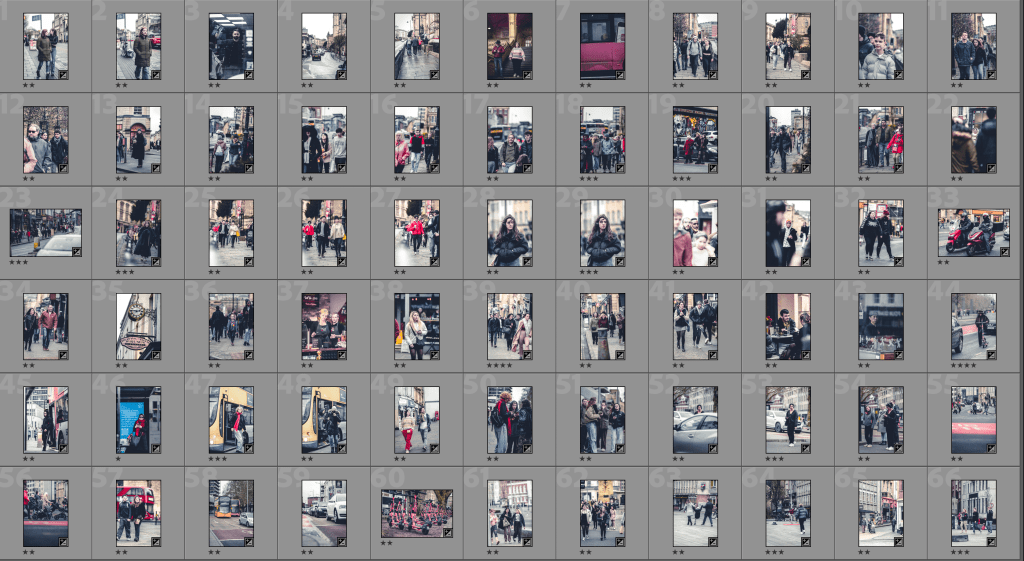
As one of the most popular tourist destinations, I walked to Park Street on a Saturday during lunch to photograph the crowds that gather there. I was able to capture a few images that I believe sufficiently demonstrate my project.
PHOTOGRAPH thiRTEEN (13), crowd, BIKES and busses AS AN ALTERNATIVE TRANSPORT CONTACT SHEET
Please view the images slide attached below, which range from all photographs to the best and most edited selections.
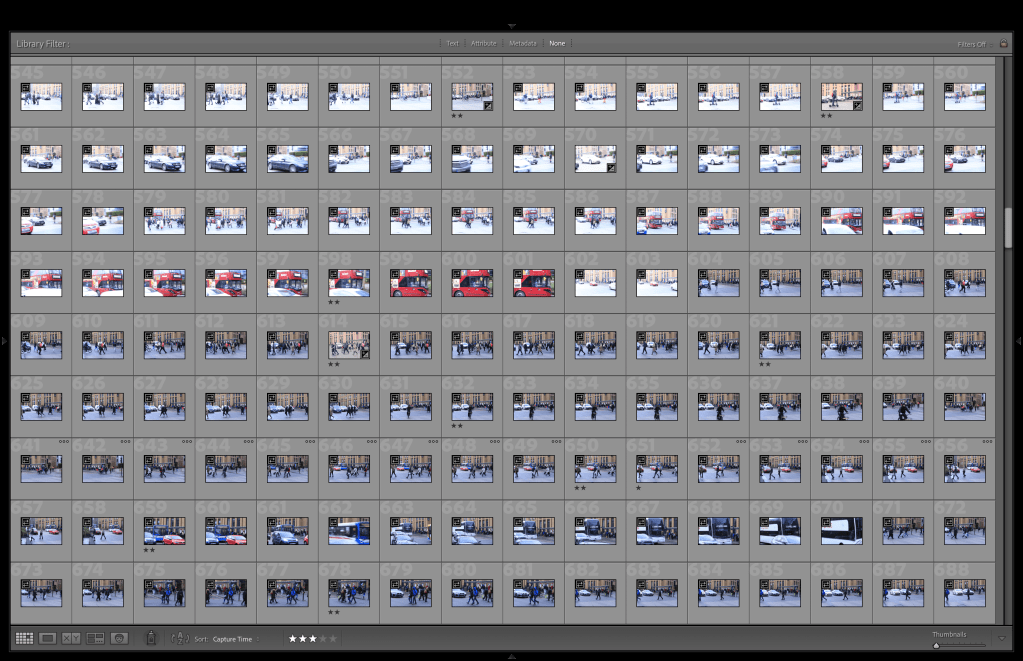
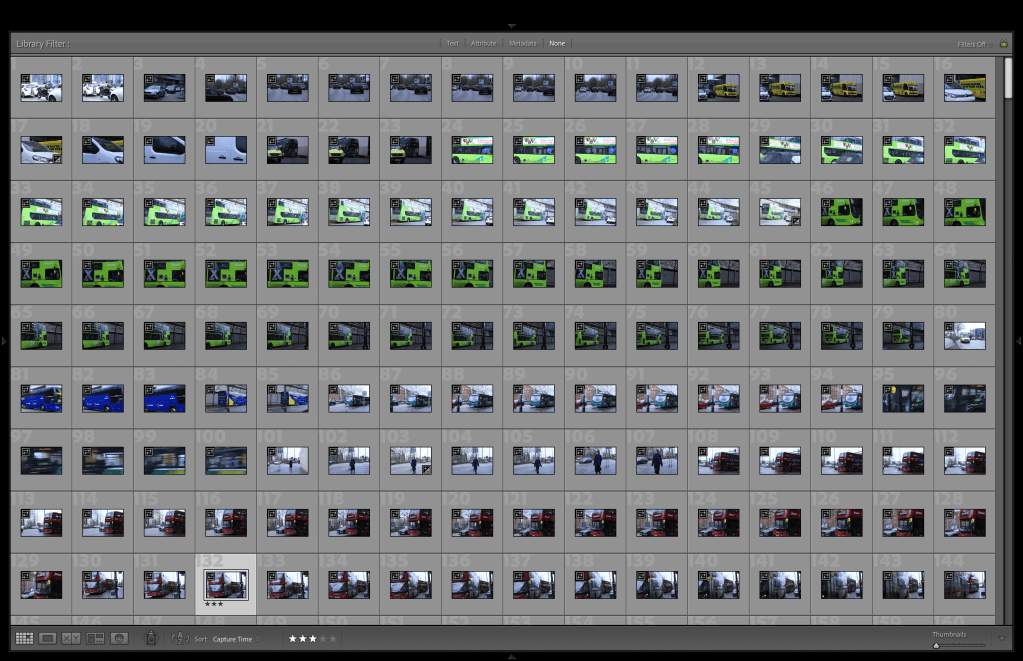
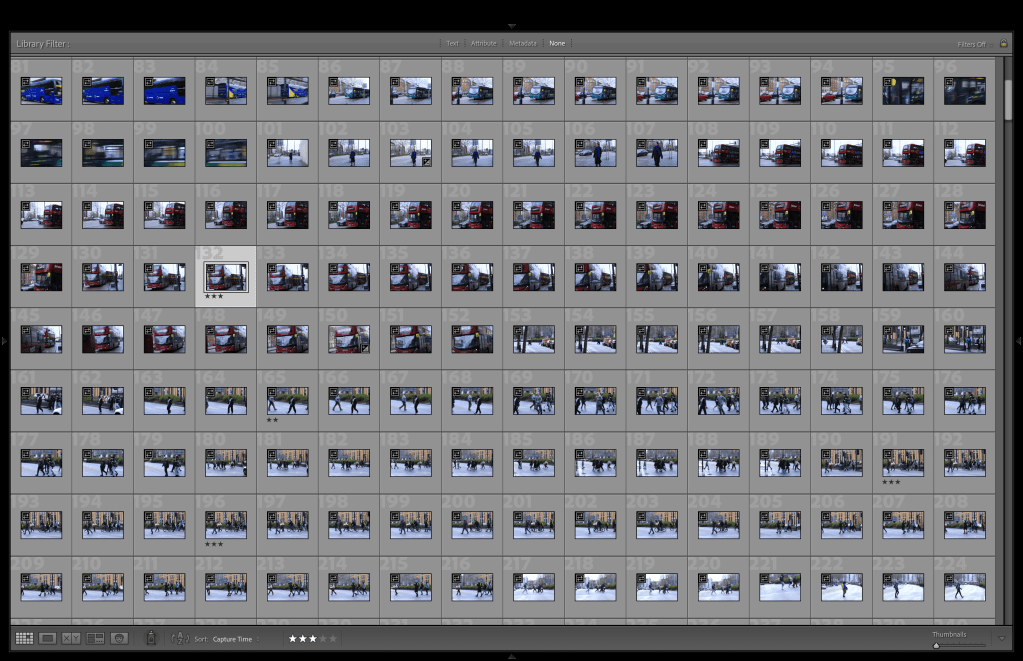
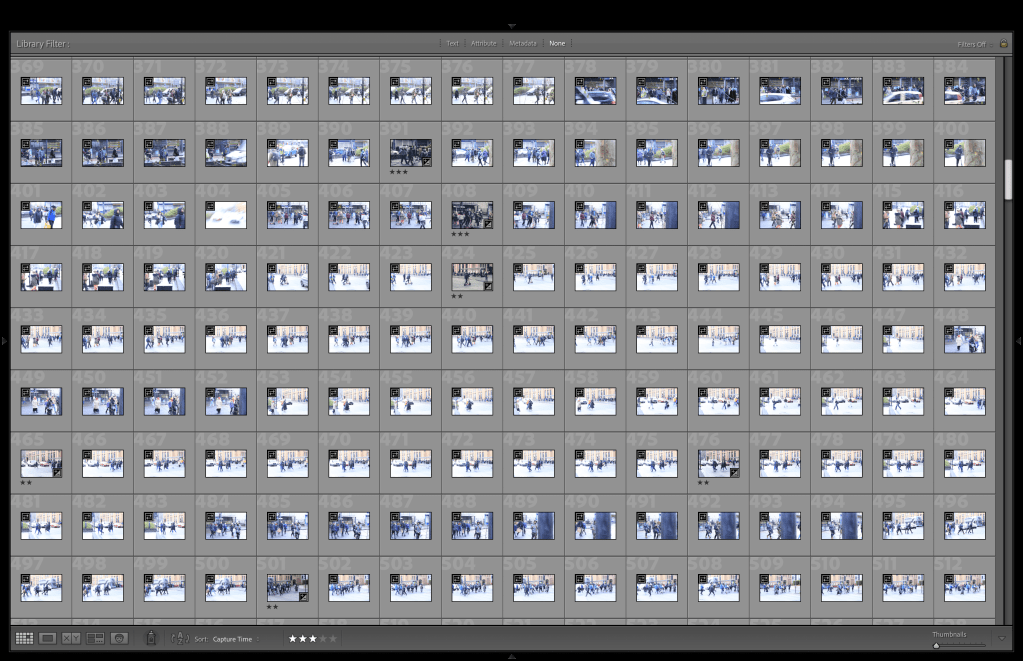
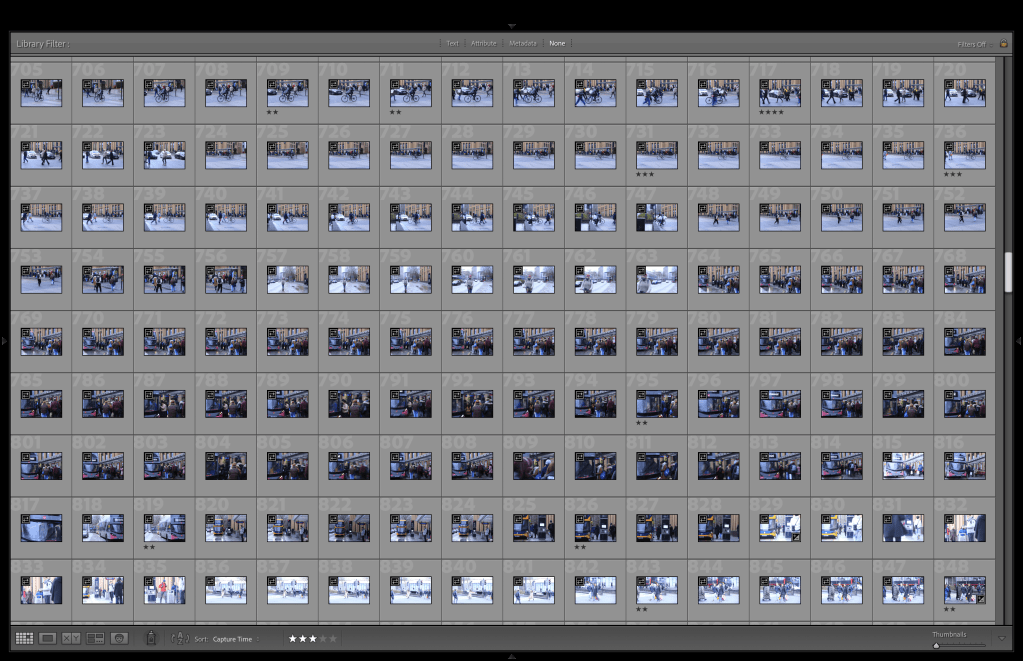
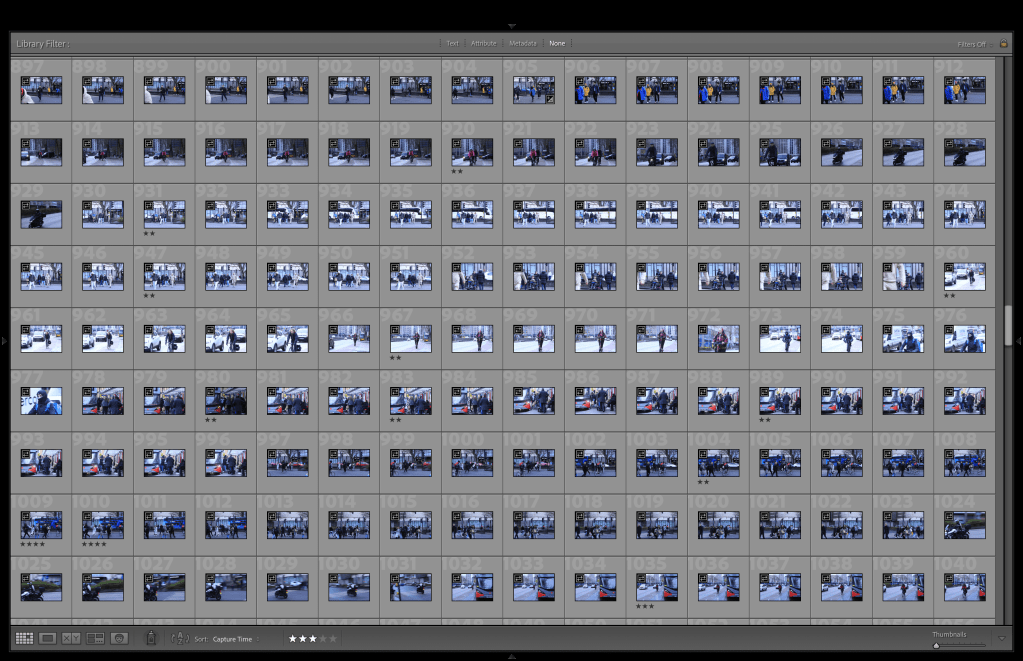
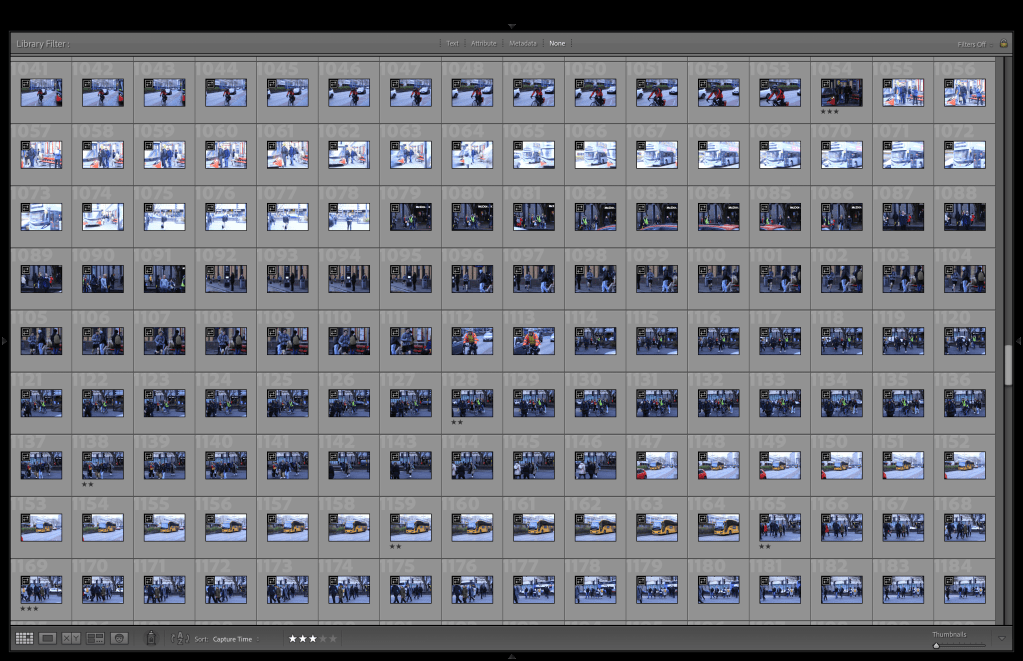
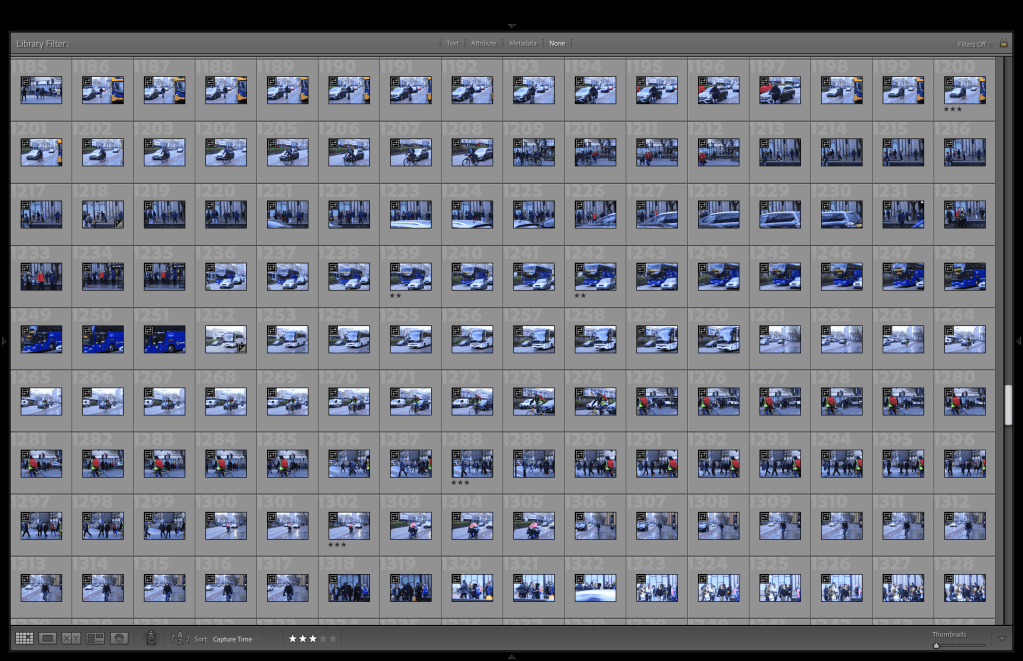
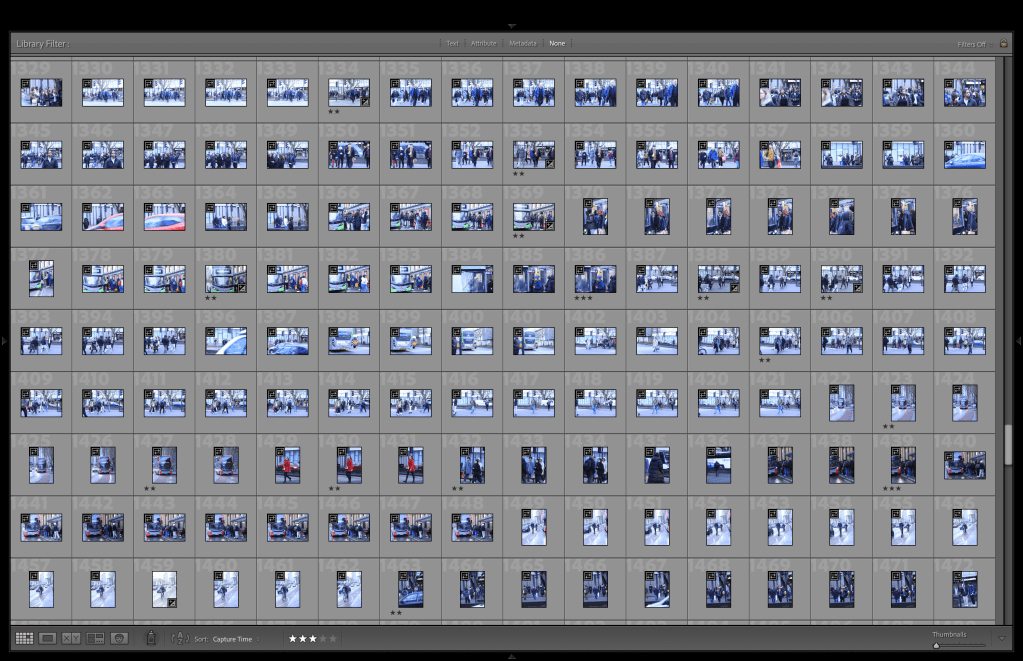
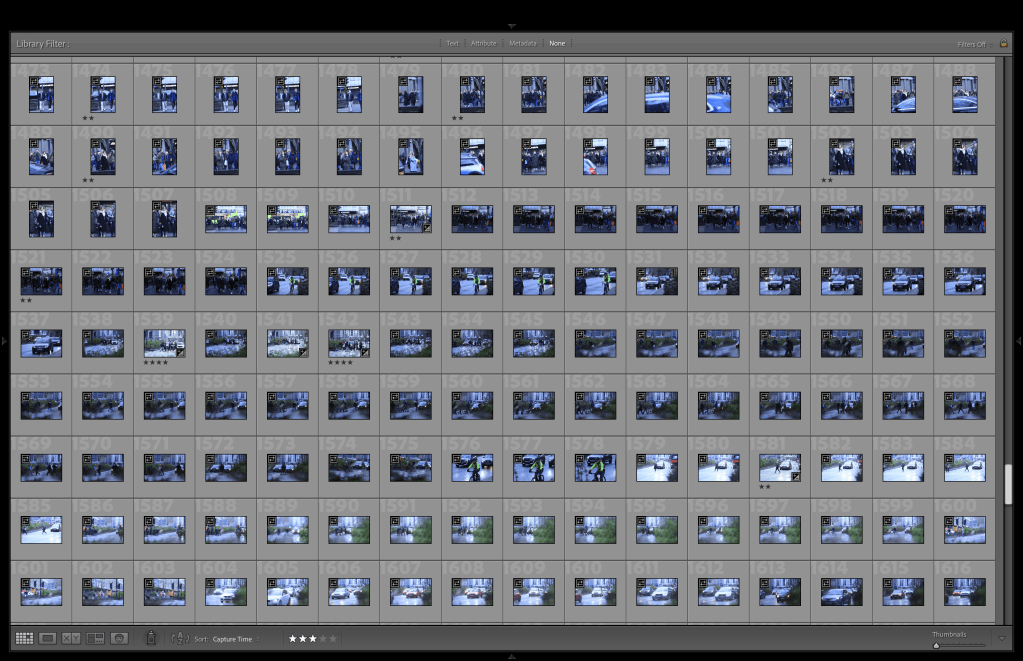
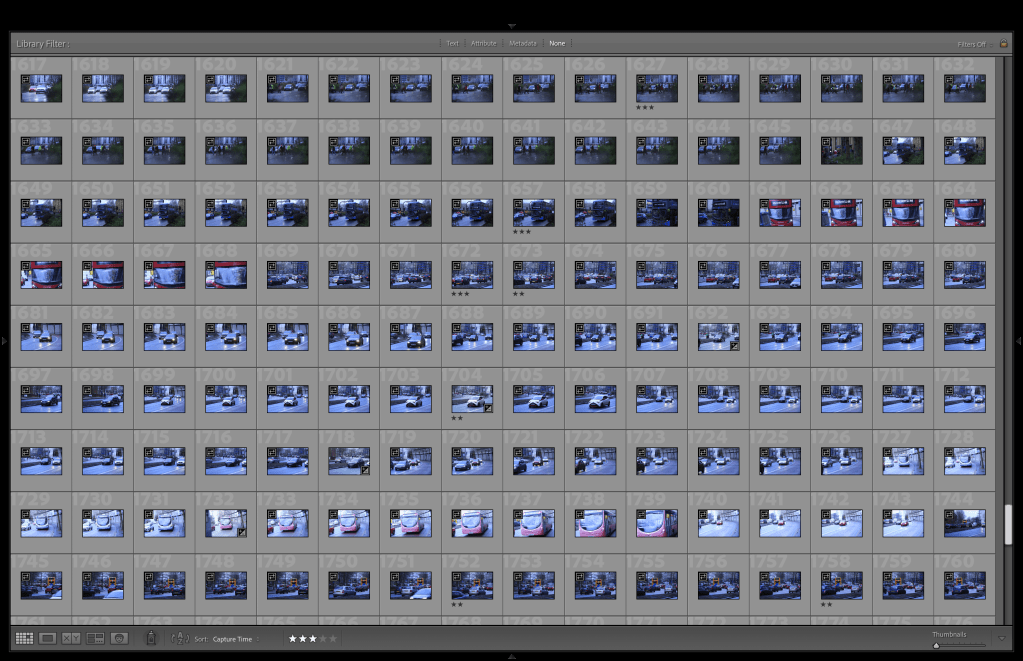
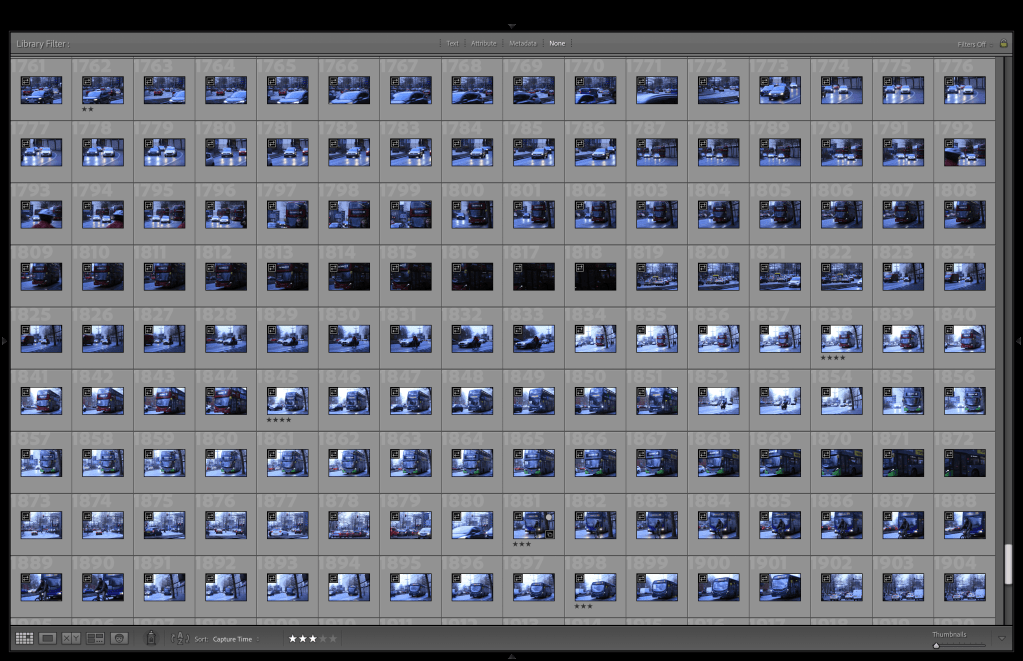
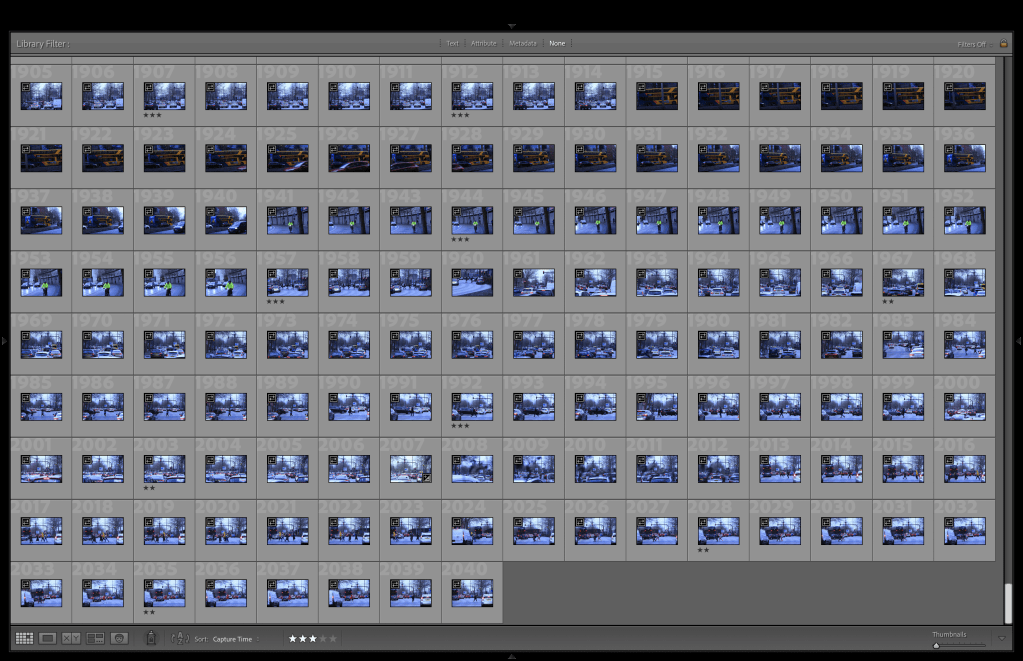
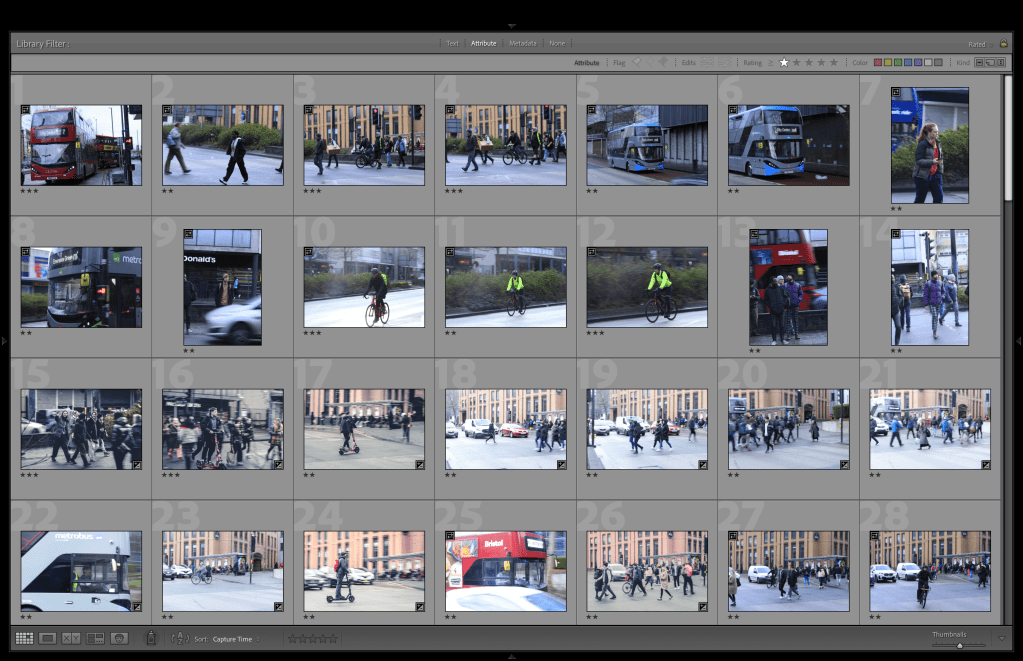
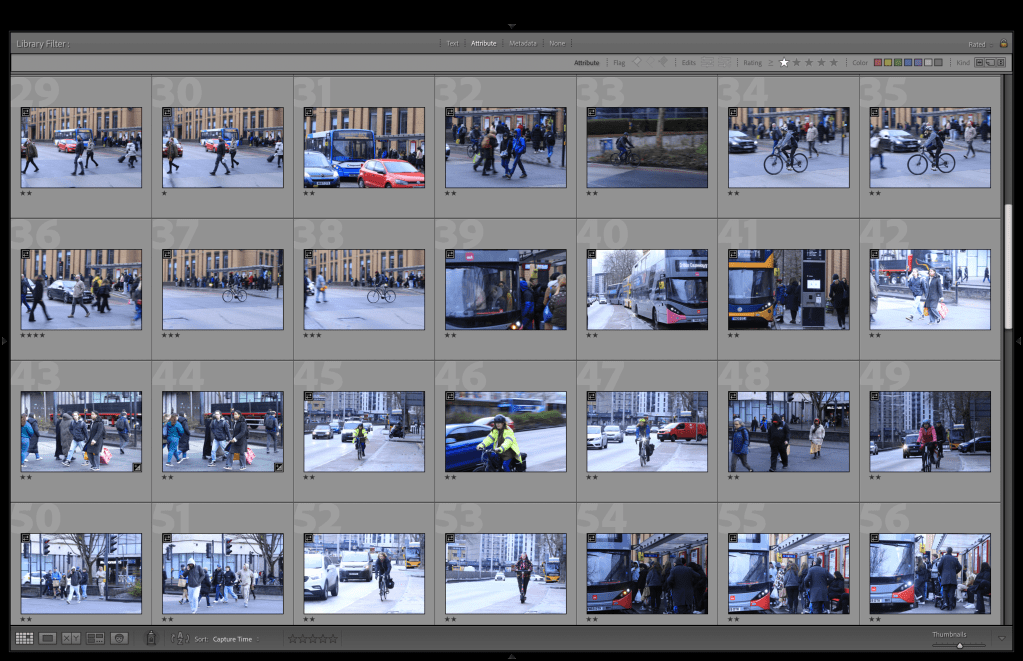
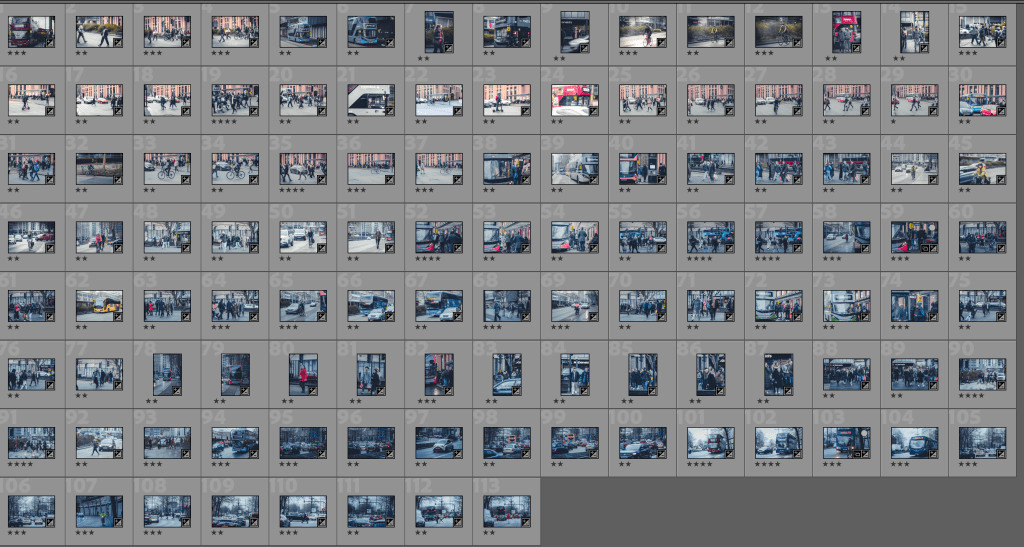
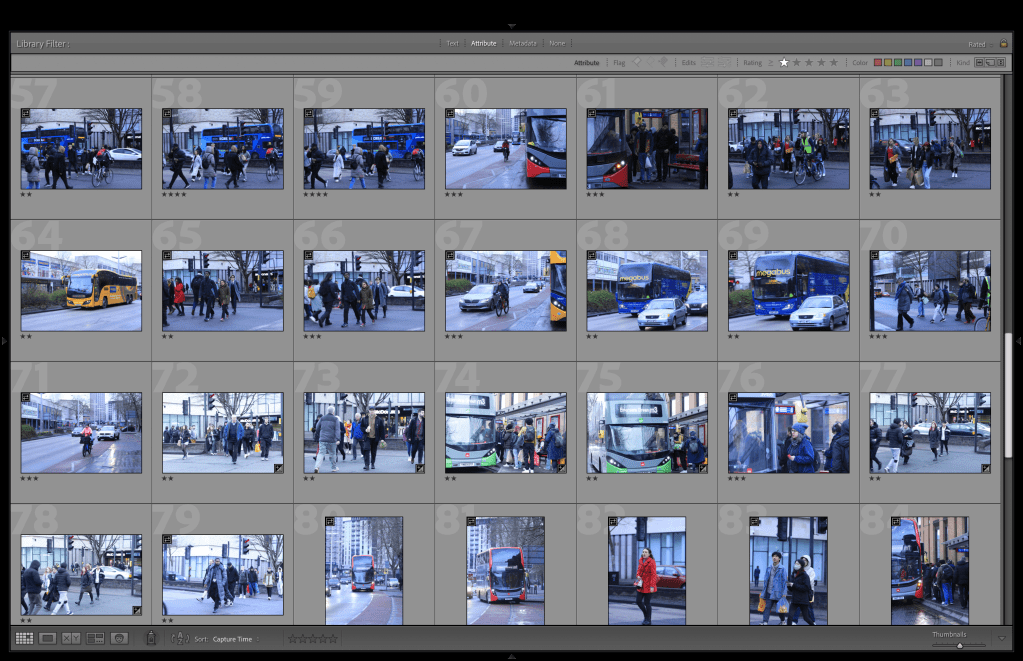
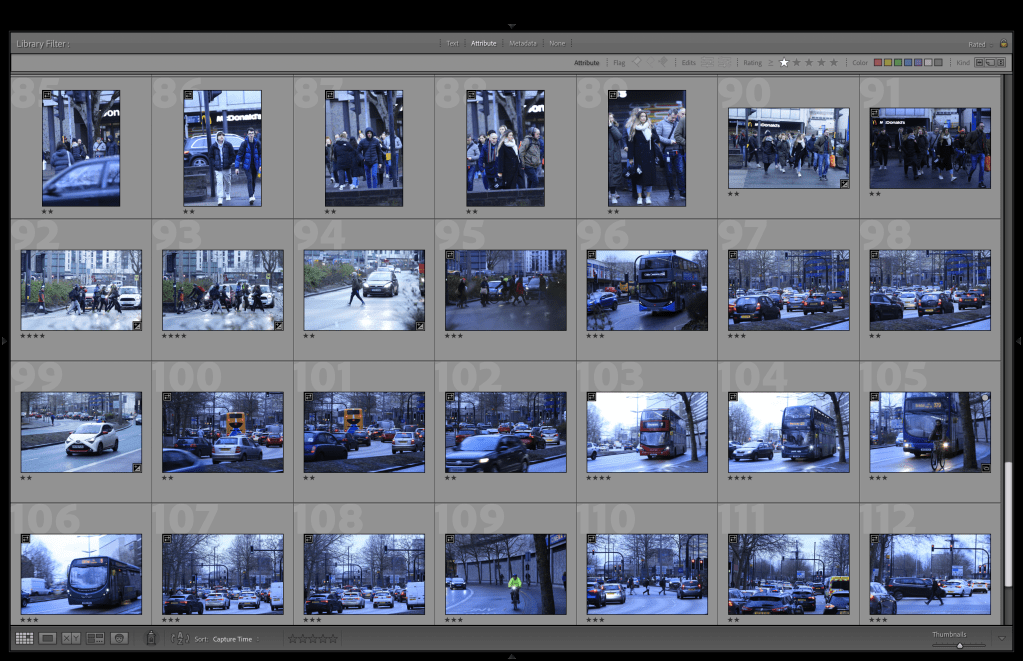
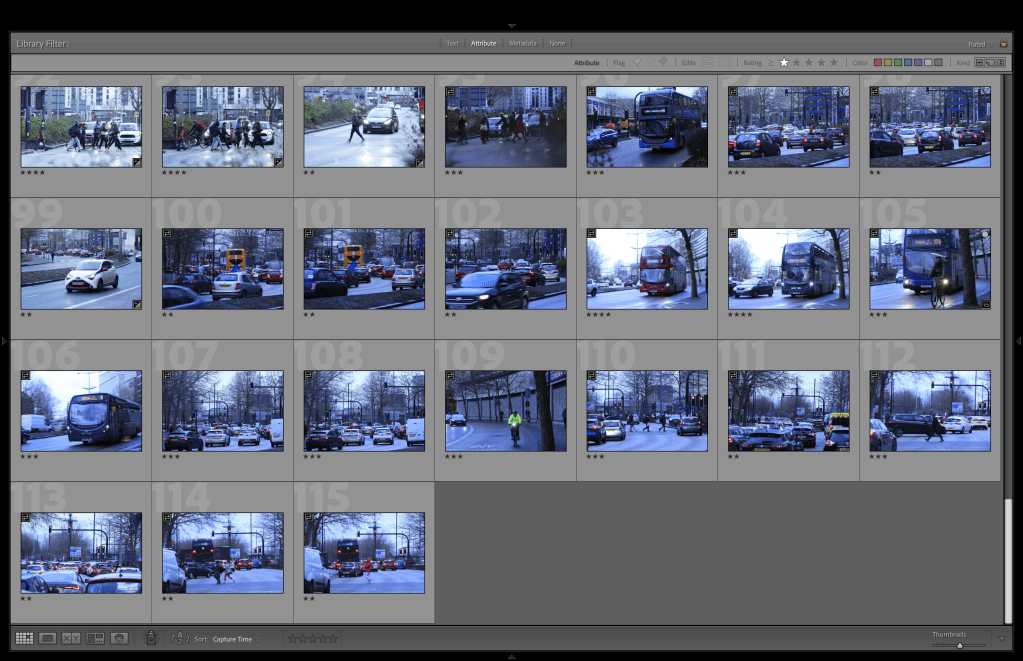
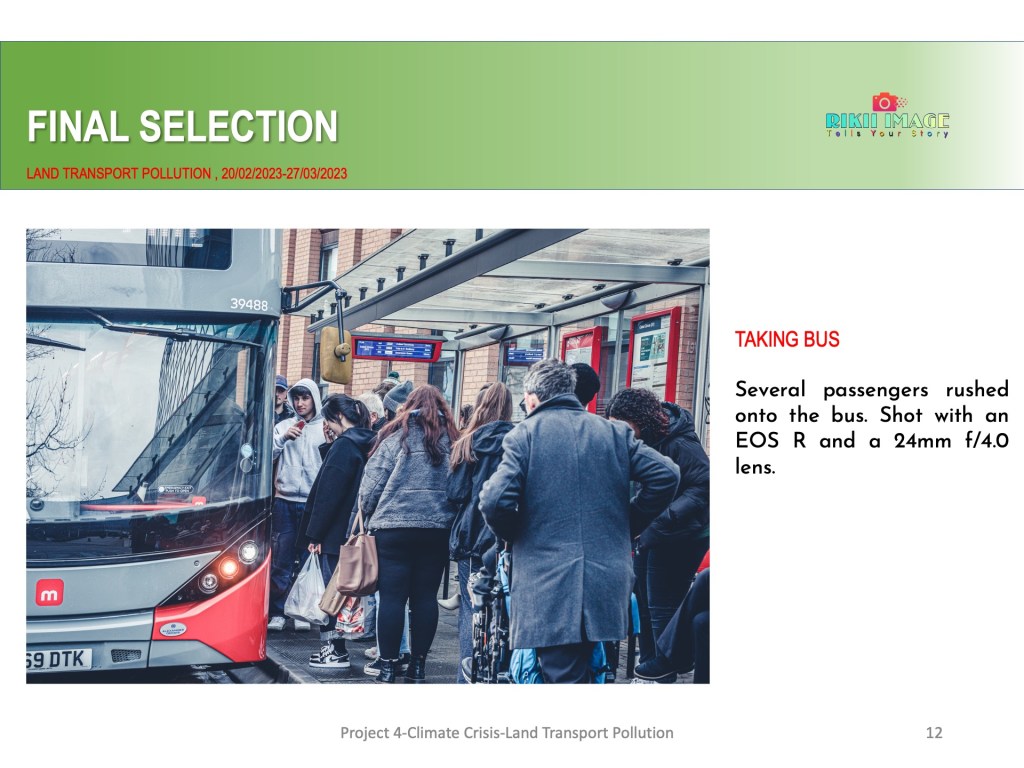
On Tuesday, March 28, 2023, I asked Mike to return home early so I could prepare my camera and photograph the Bearpit Bristol roundabout. I was thrilled to discover that many people in that area take the bus and walk home from work. If I went at the incorrect time, I would likely miss everything I intended to photograph for my project.
Photograph fourteen (14), Bikes as an alternative transport contact sheet
Please view the images slide attached below, which range from all photographs to the best and most edited selections.
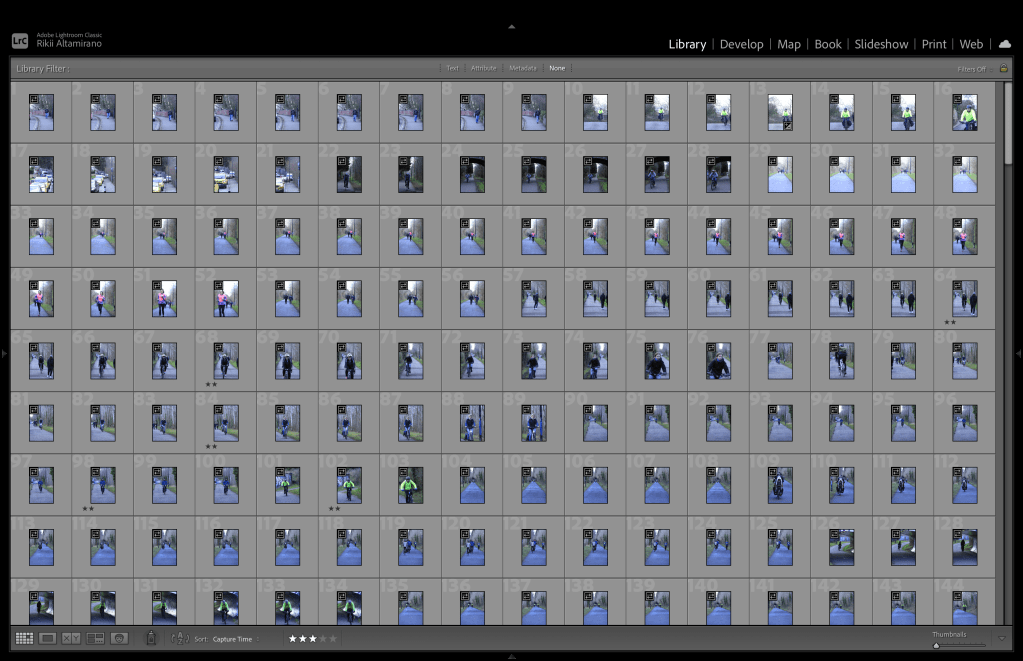
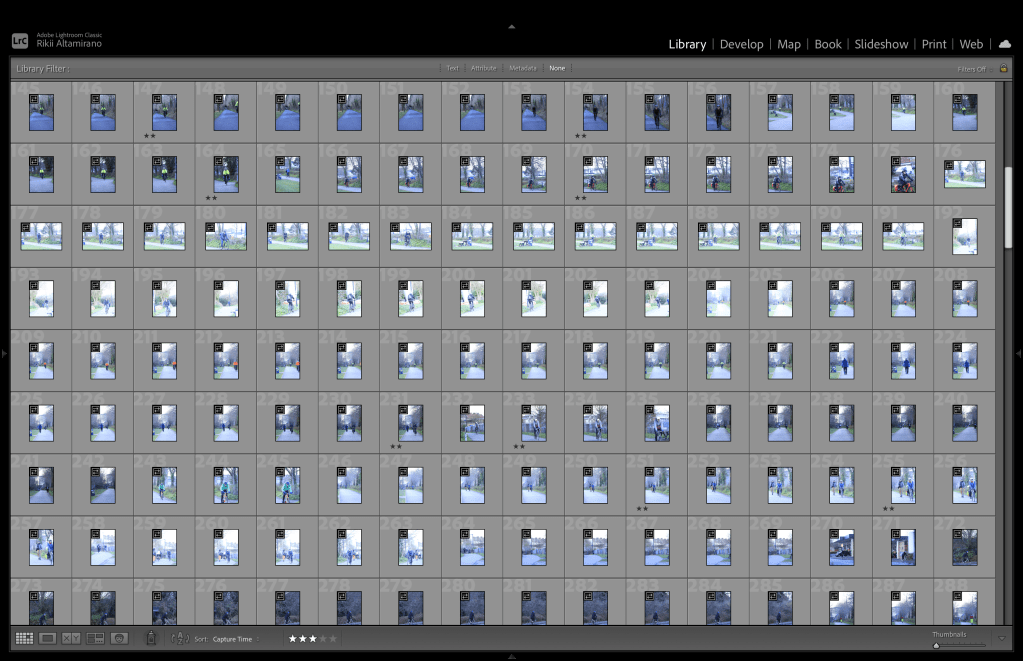
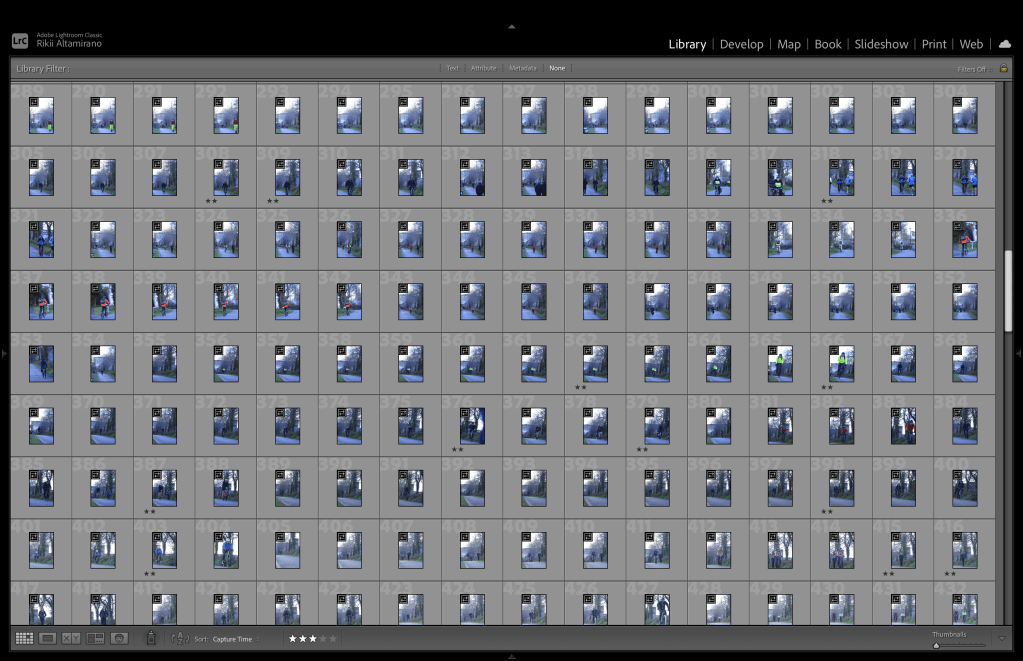
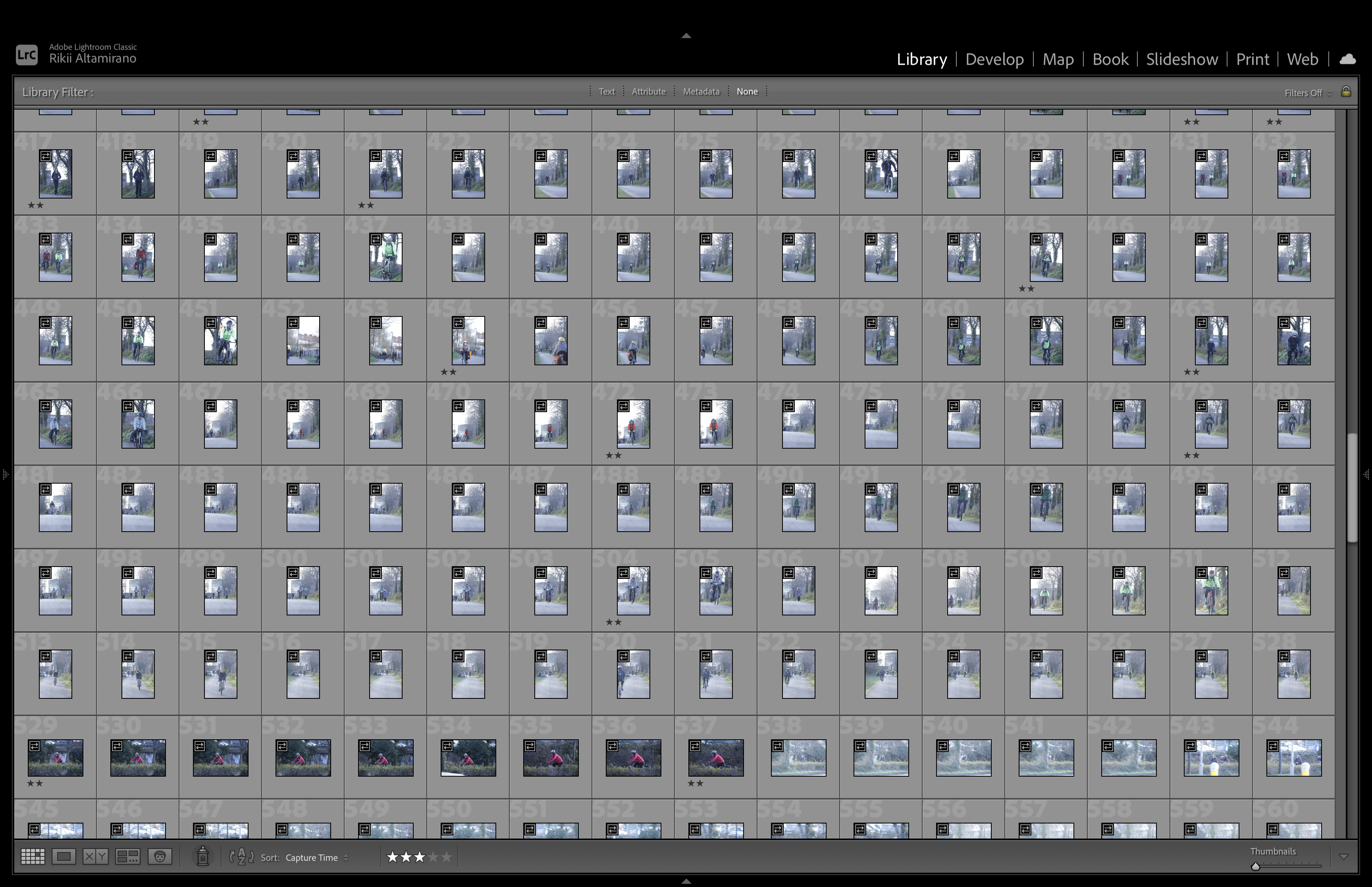
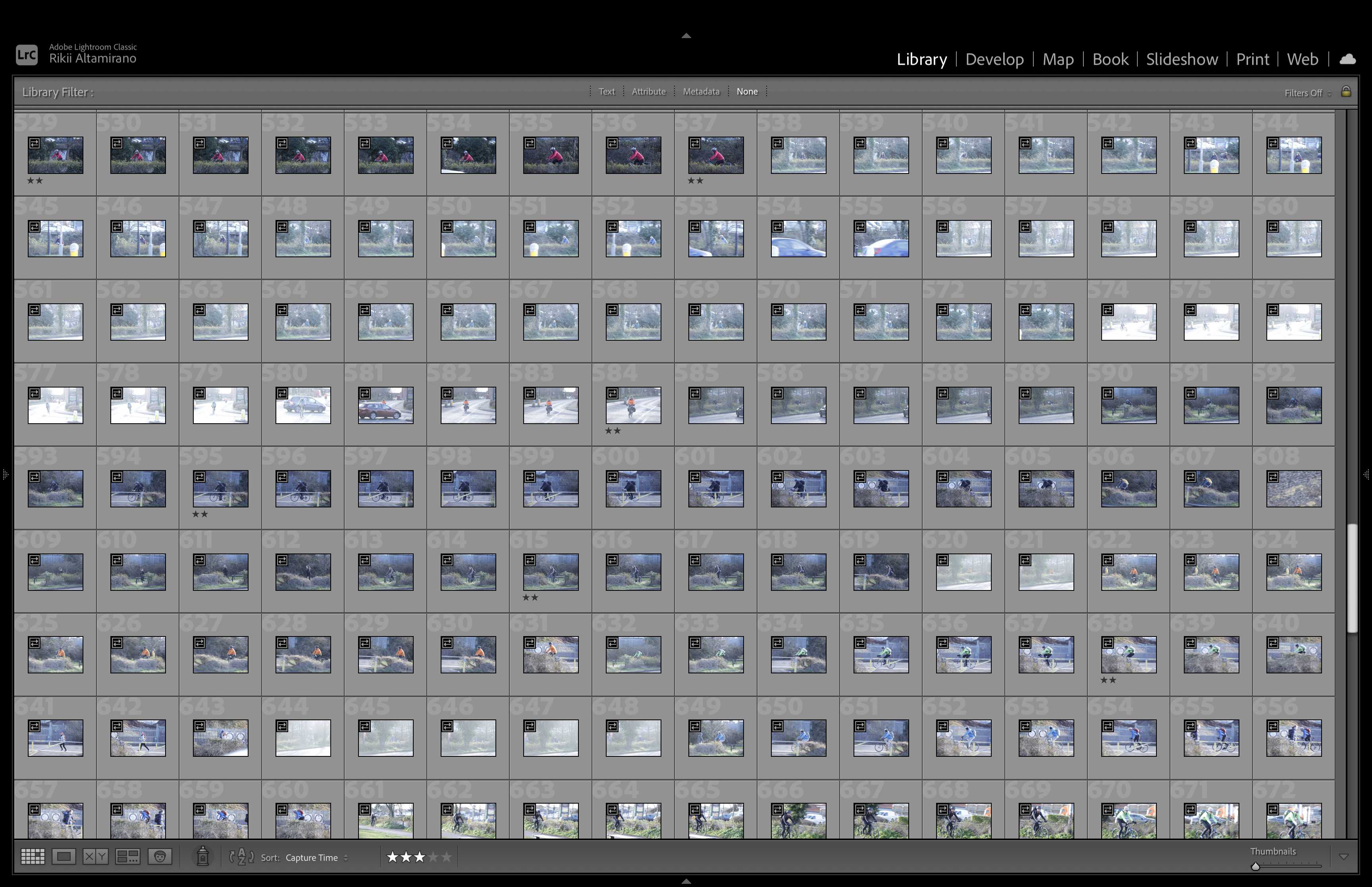
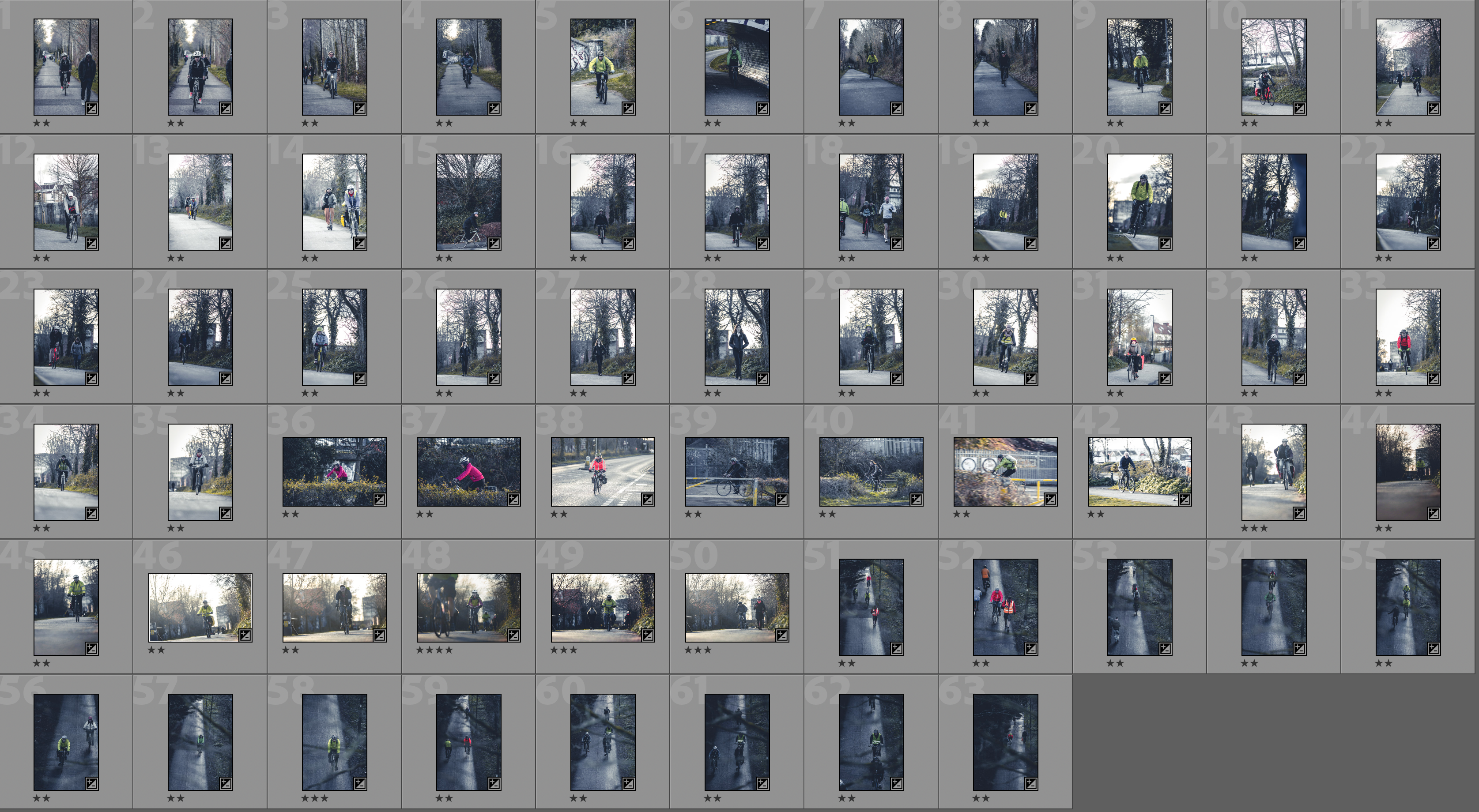
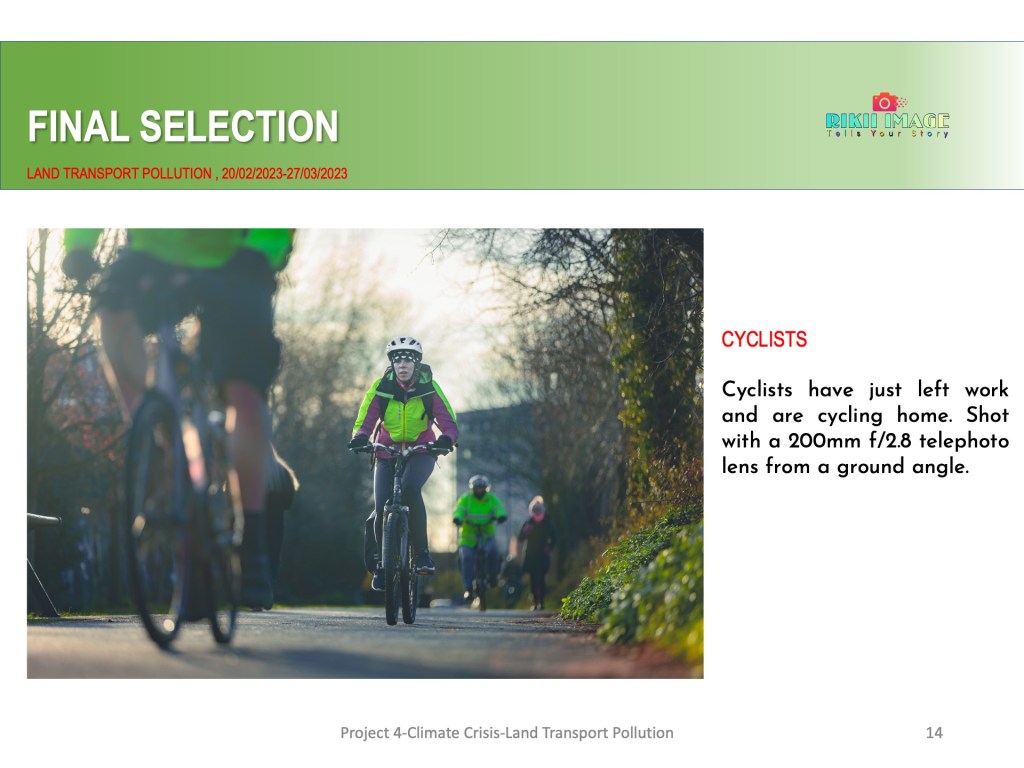
At this point, I went to the bicycle and pedestrian path connecting Bristol and Bath. I went there between 4.30 and 6 p.m. because that is when everyone returned home from work and I noticed a large number of cyclists using this path.
Photograph fifteen (15), Train station as alternative public transport contact sheet
Please view the images slide attached below, which range from all photographs to the best and most edited selections.
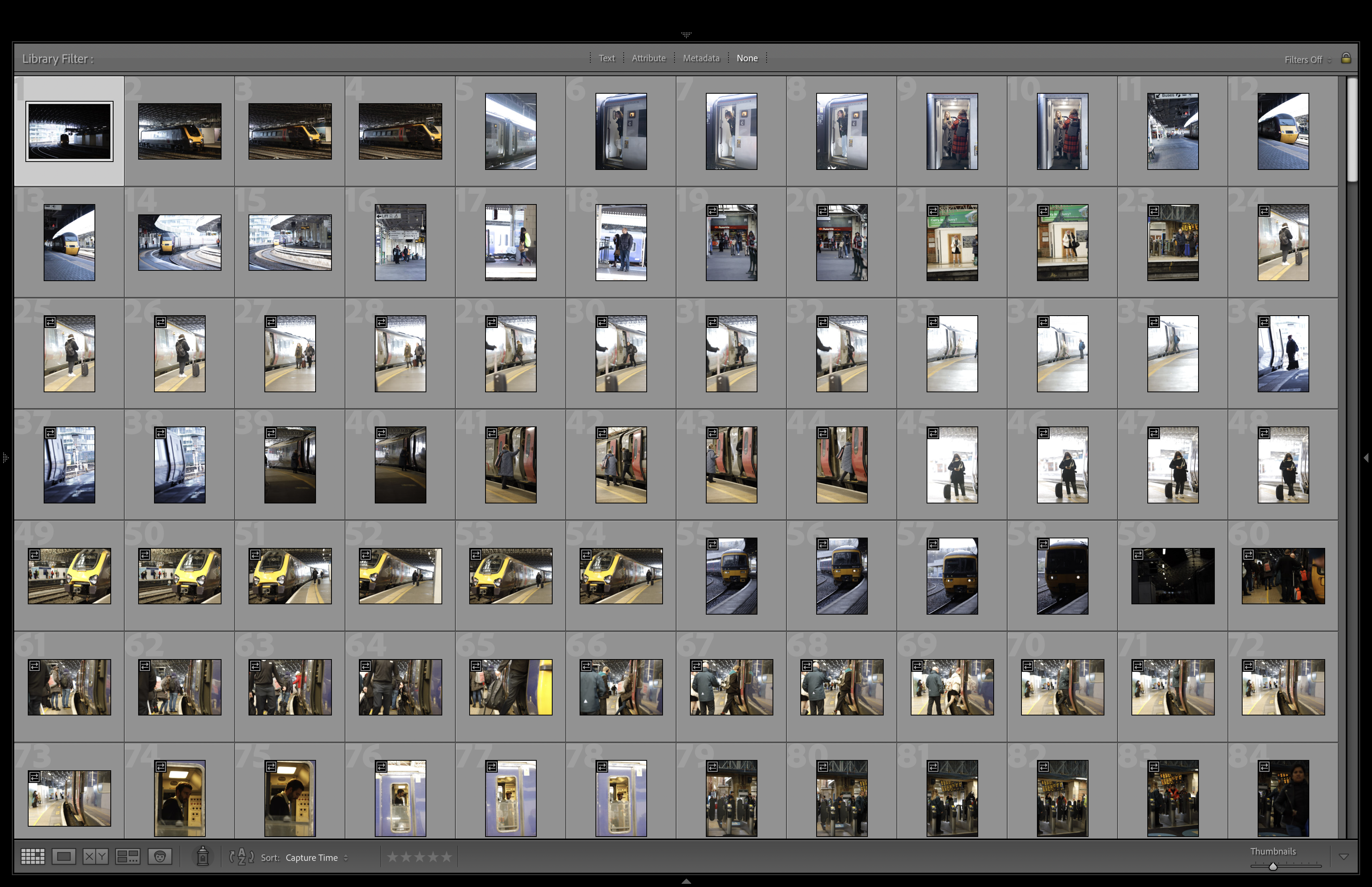
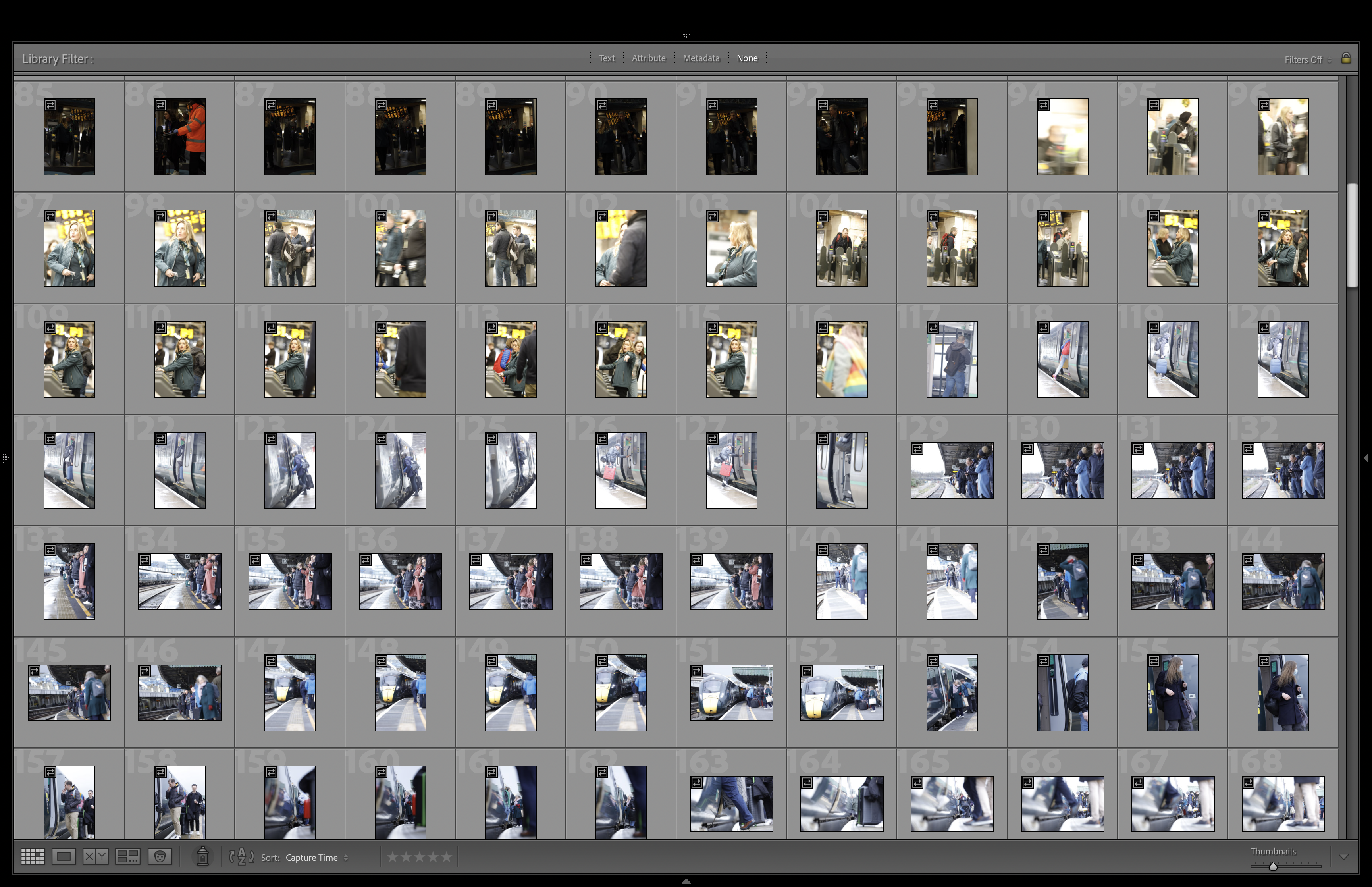
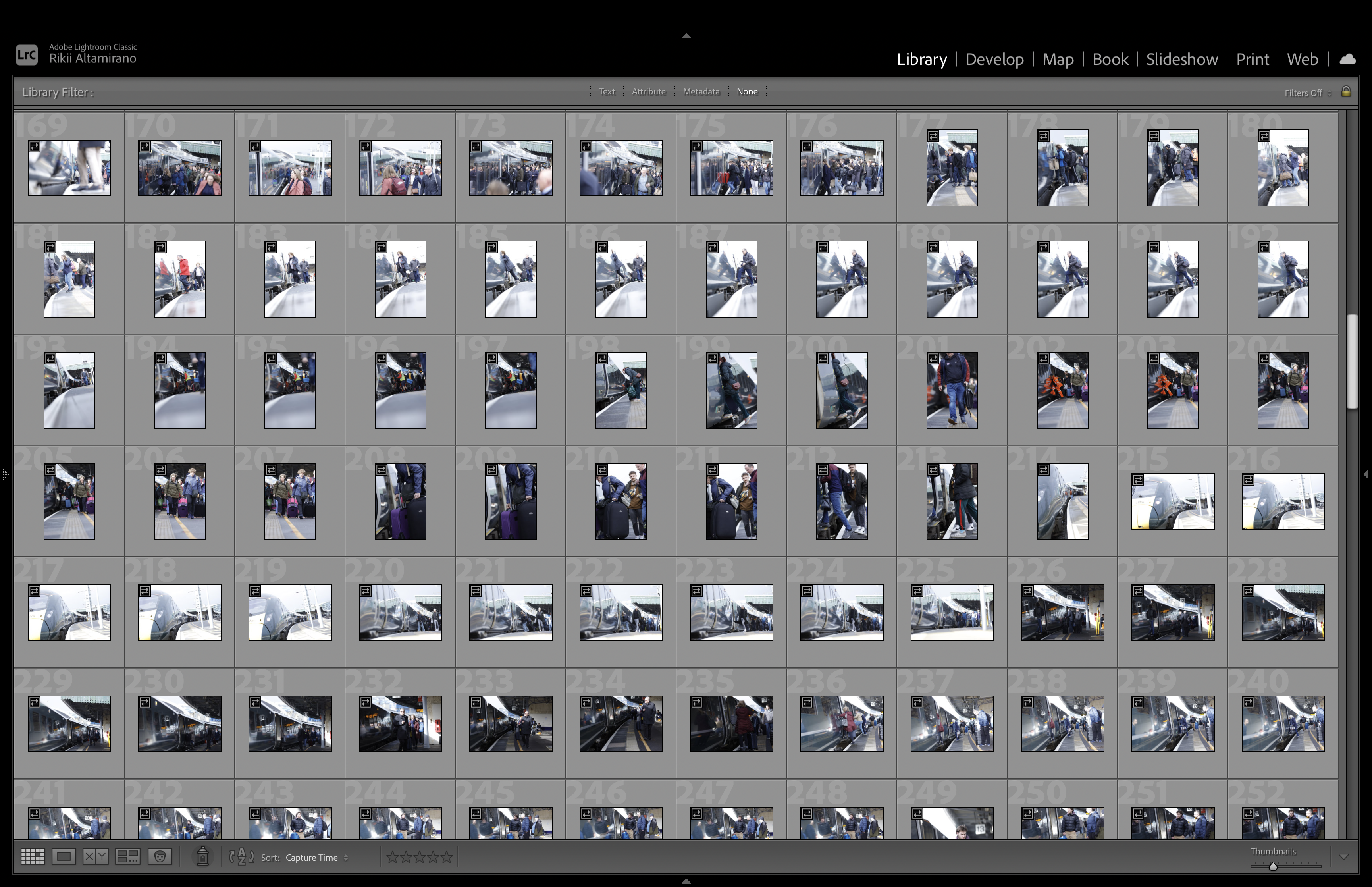
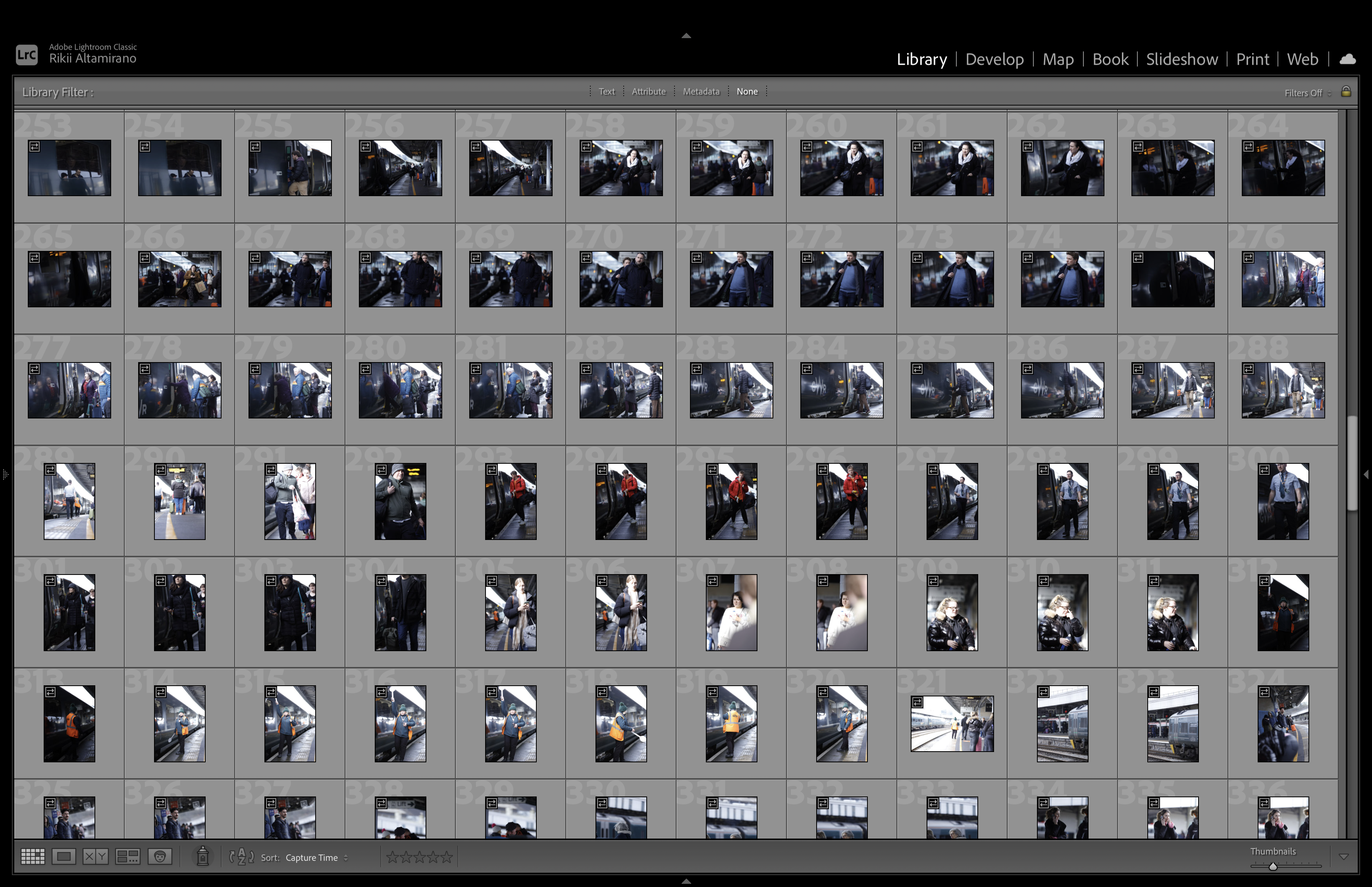
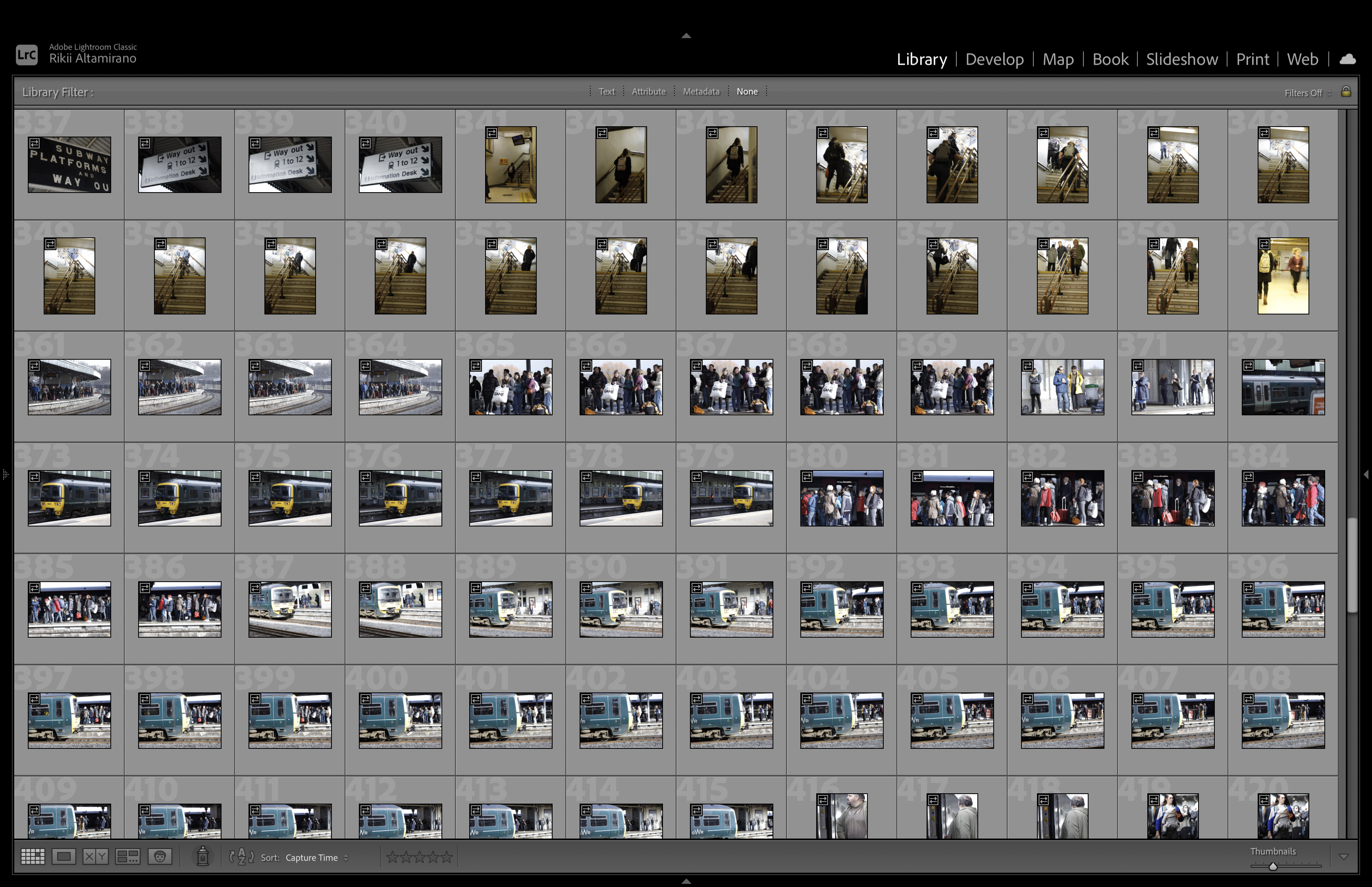
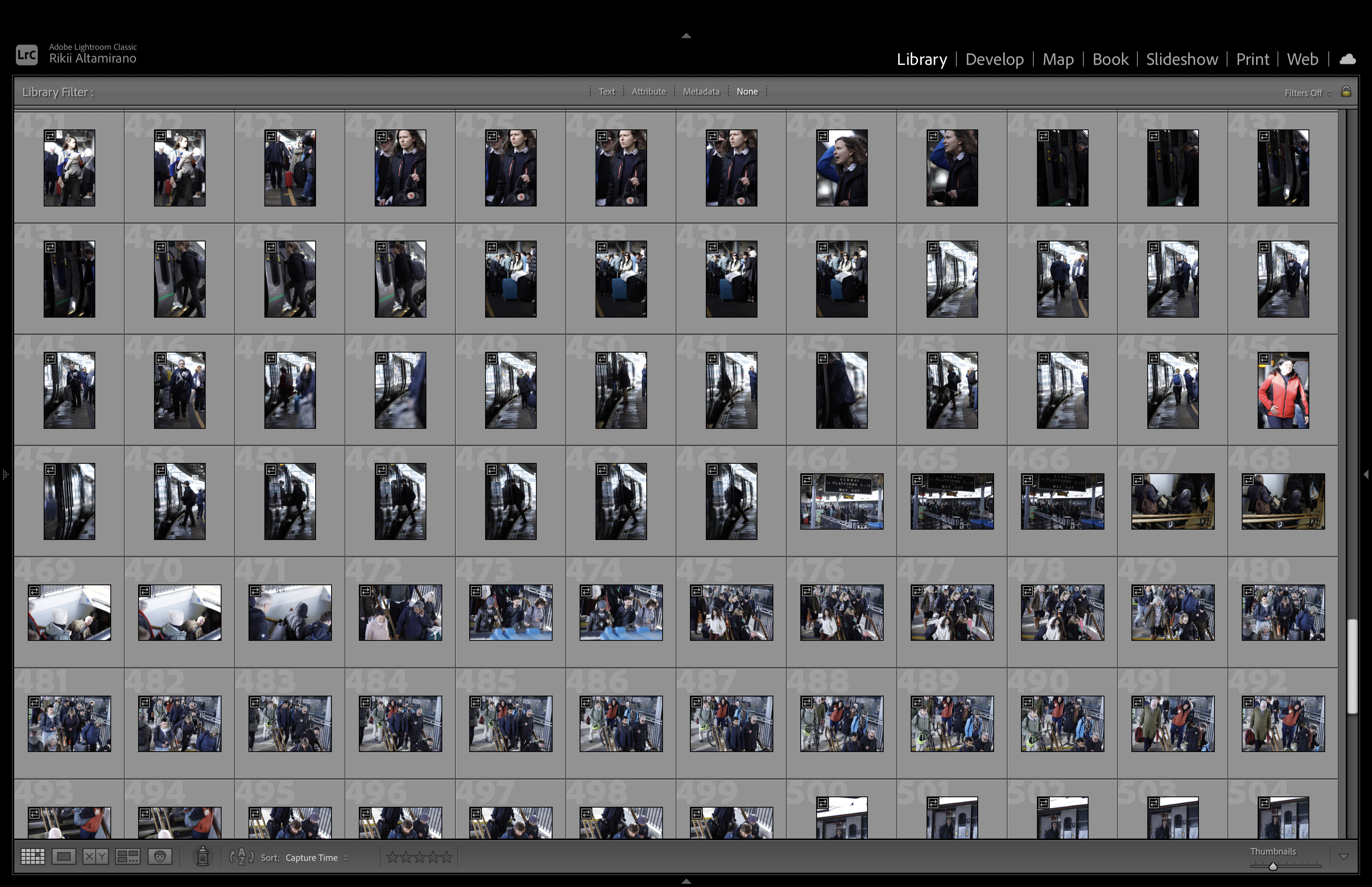
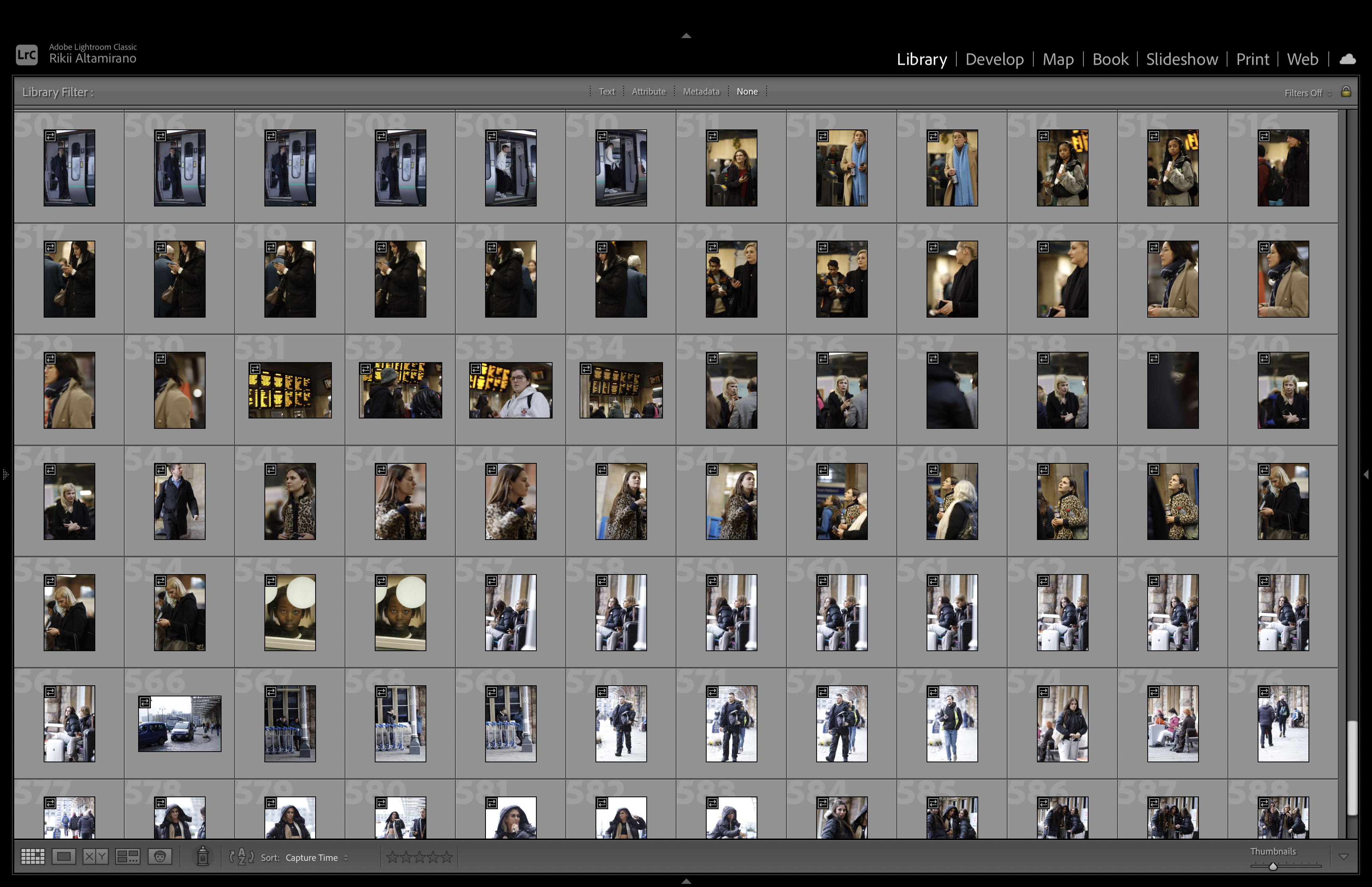
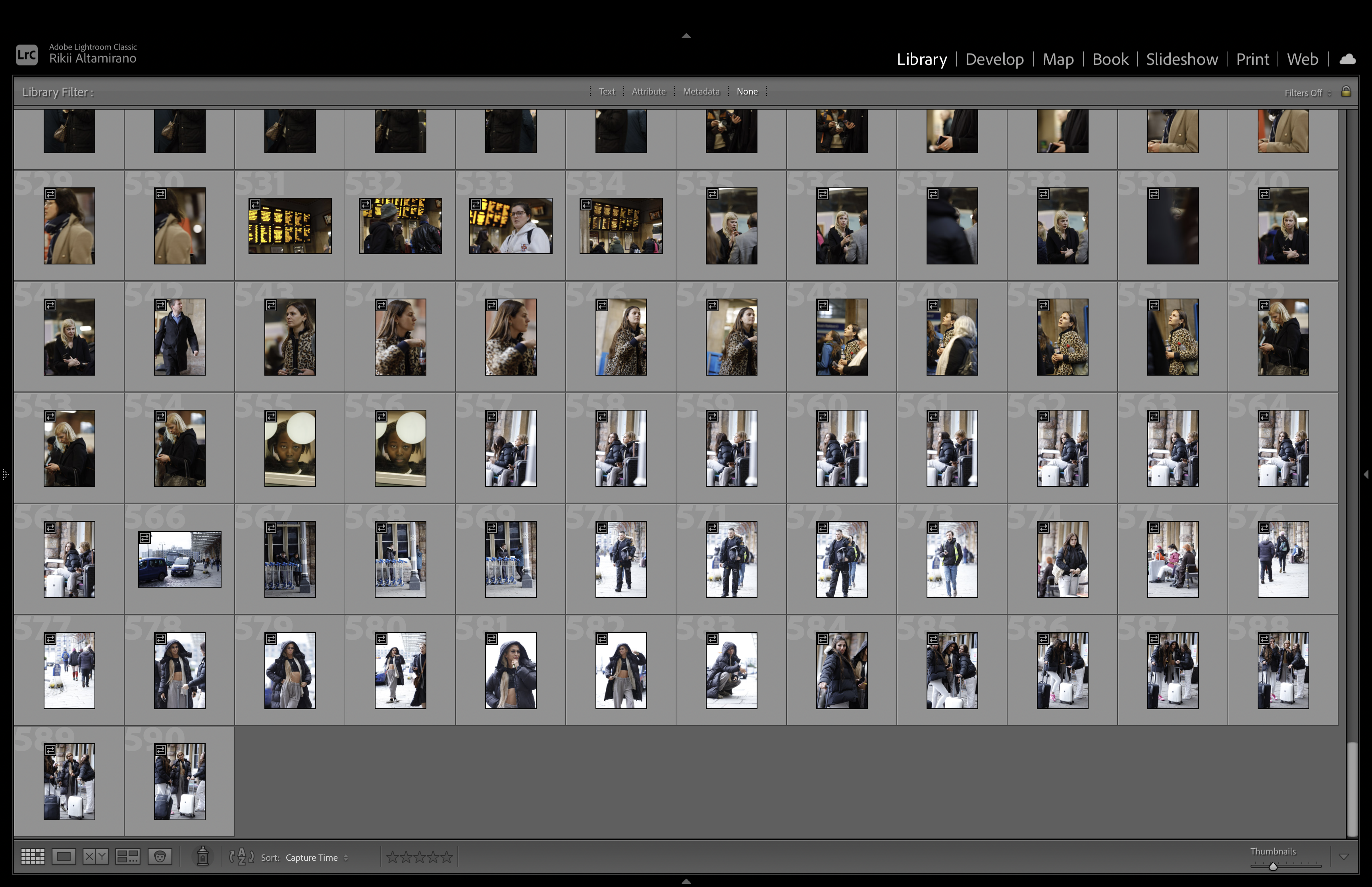
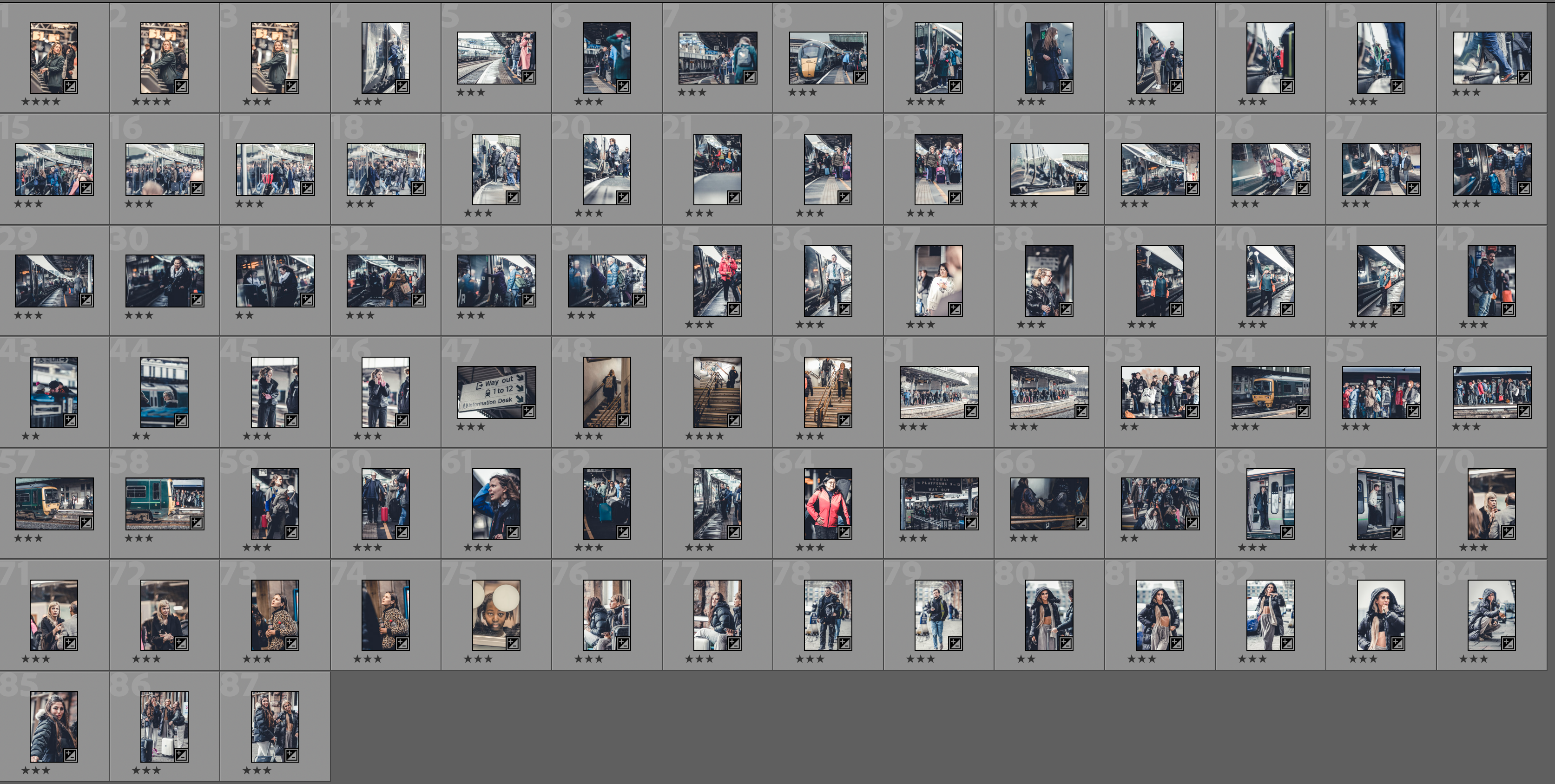
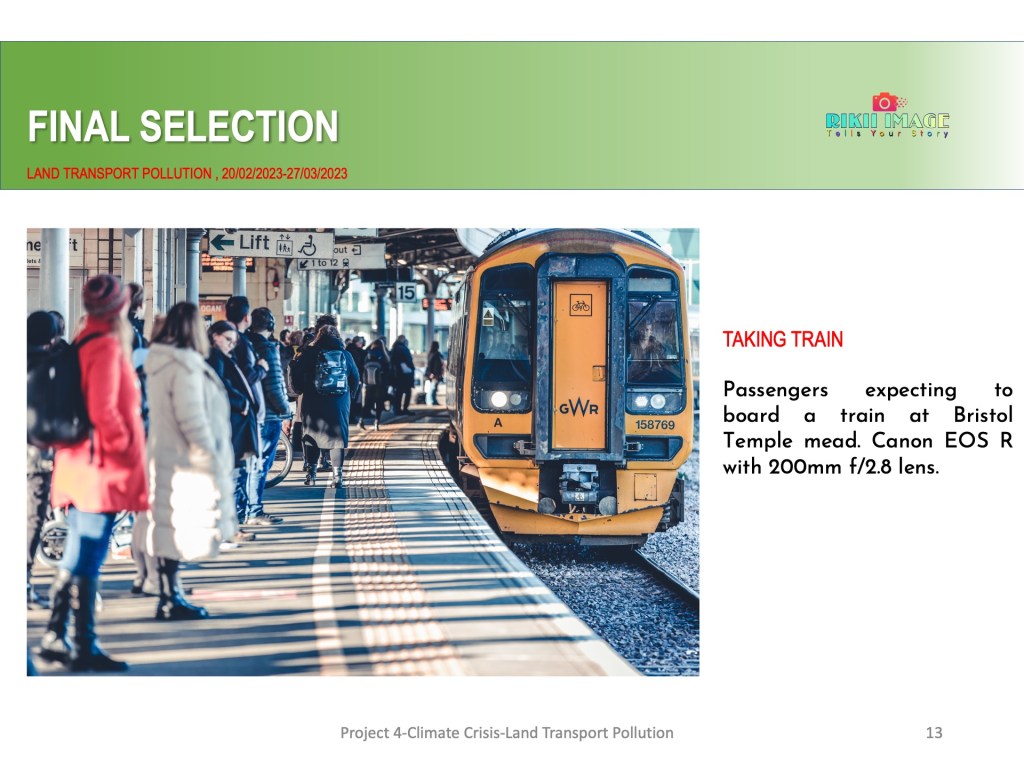
Because I’ve revised my proposal regarding vehicle emissions, I’ve decided to photograph a train station in order to provide another form of public transportation to encourage people to drive fewer private vehicles.
Photograph SIxteen (16), Train station as alternative public transport contact sheet
Please view the images slide attached below, which range from all photographs to the best and most edited selections.
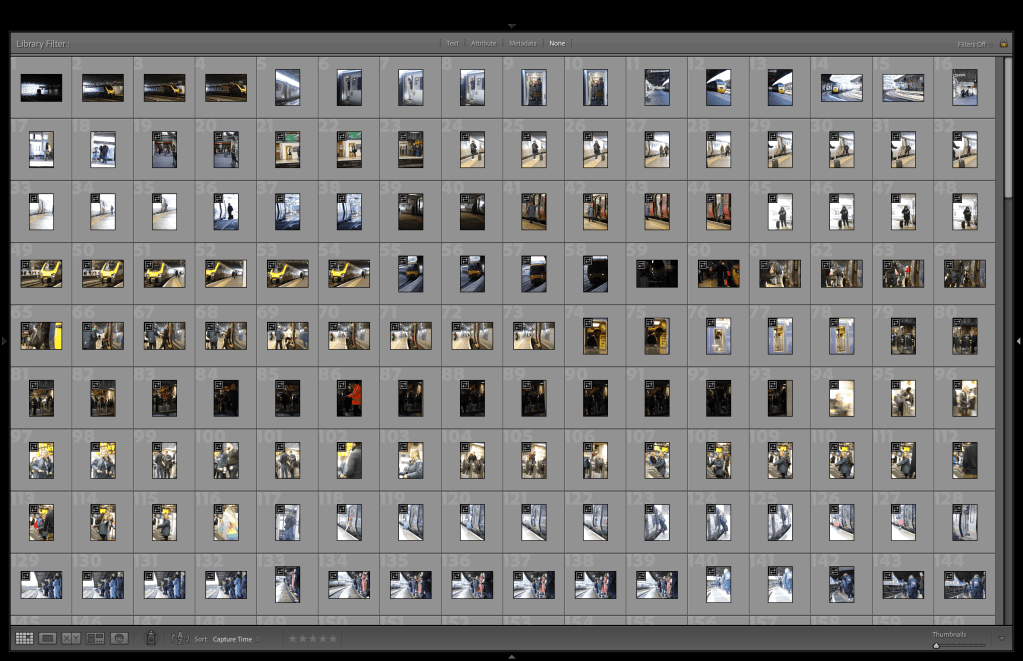
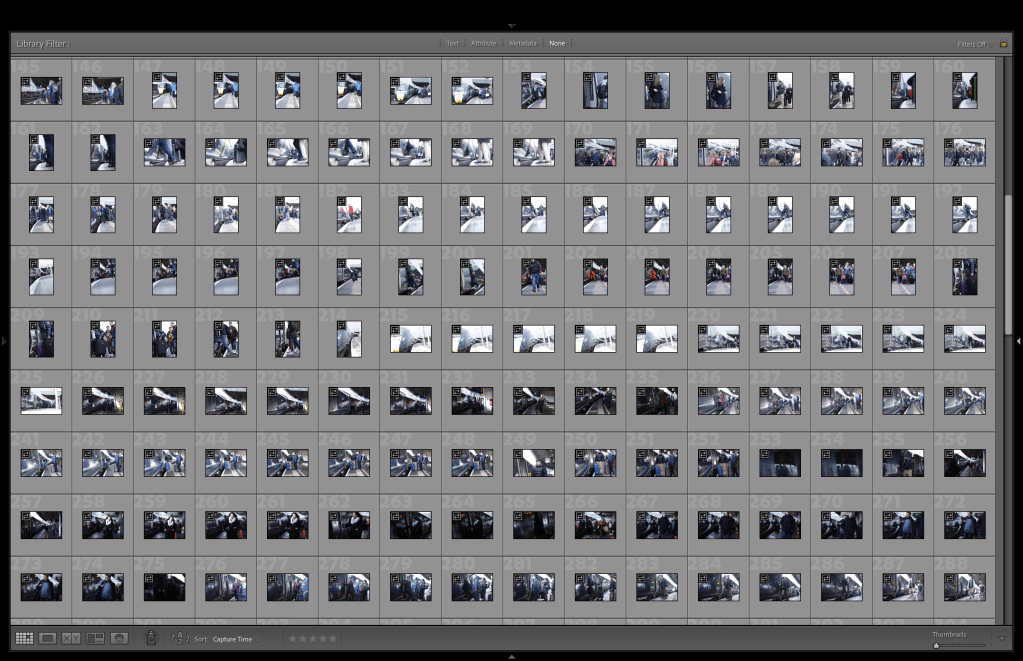
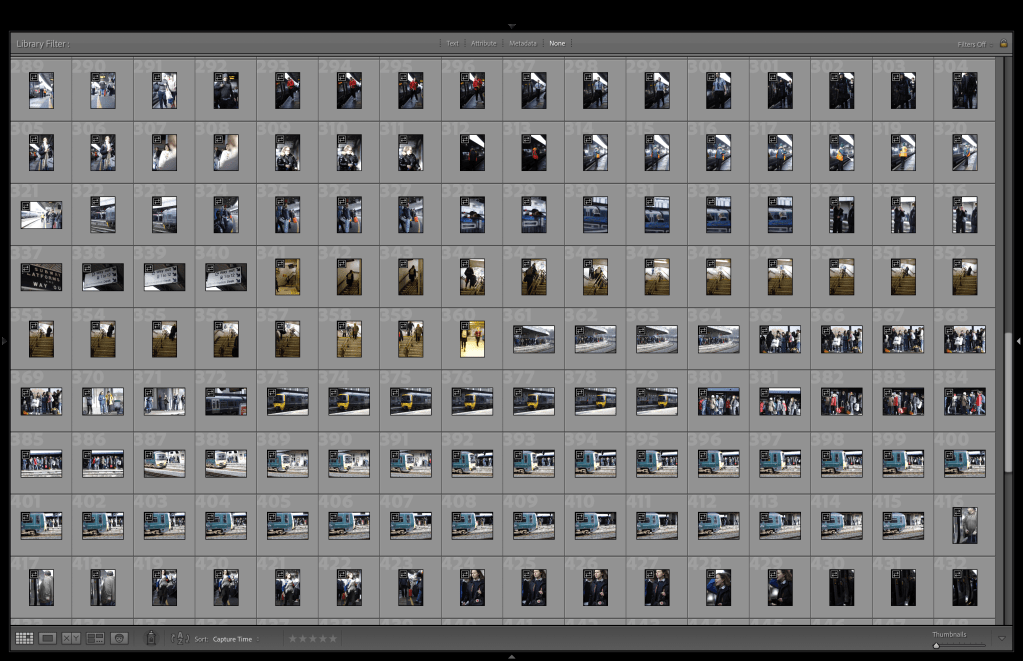
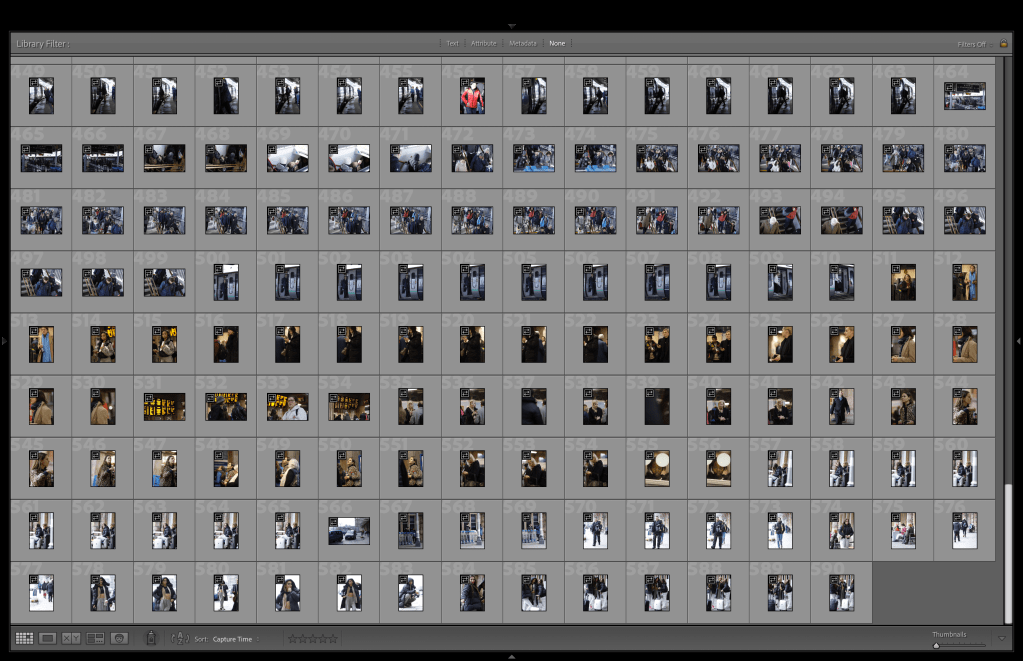
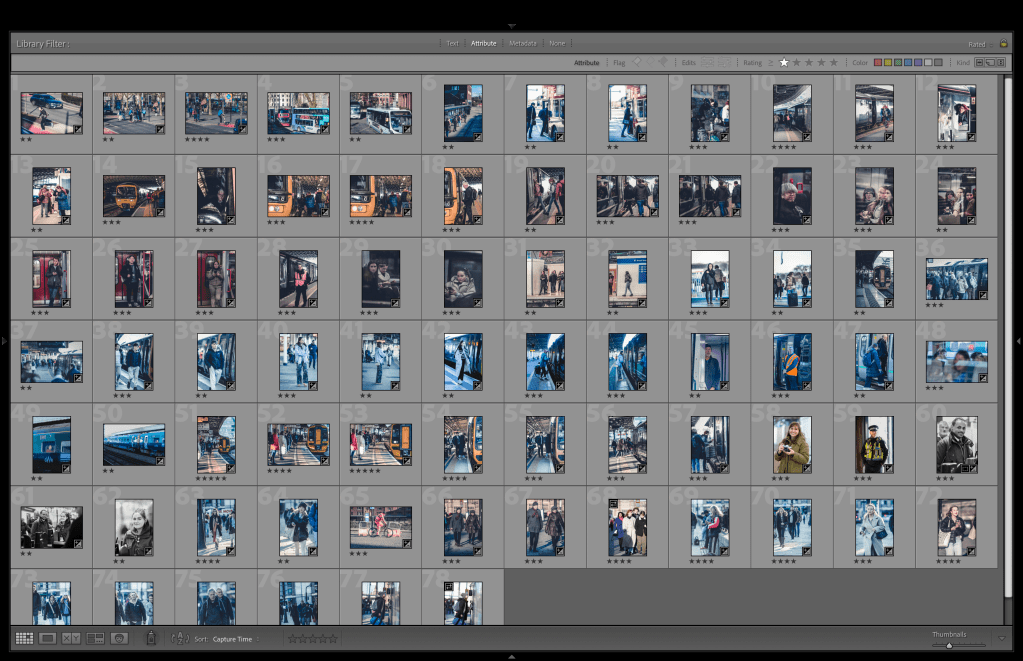
I returned to the train station after my previous photograph to capture more of the station’s massive crowd.
Photograph Seventeen (17), Street crowd contact sheet
Please view the images slide attached below, which range from all photographs to the best and most edited selections.
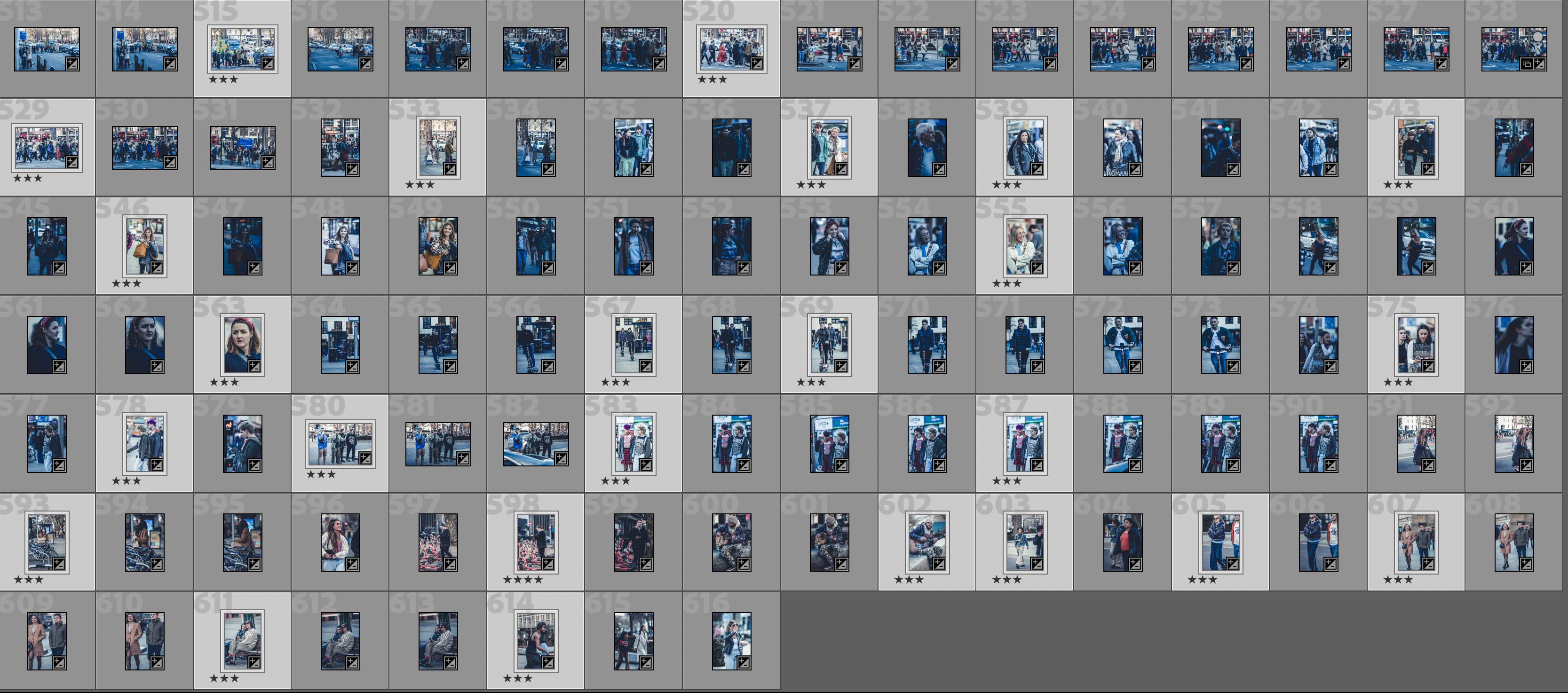
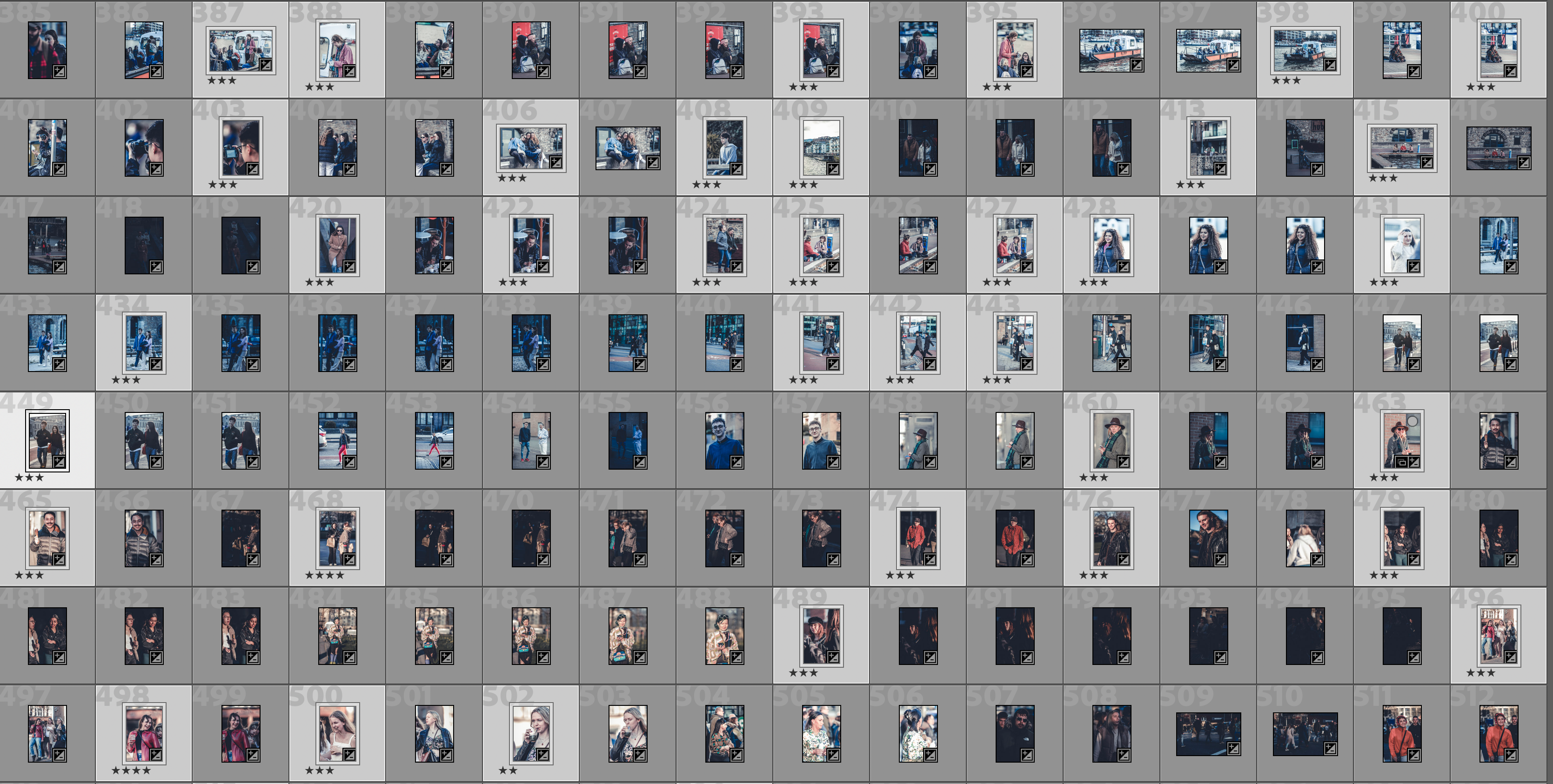
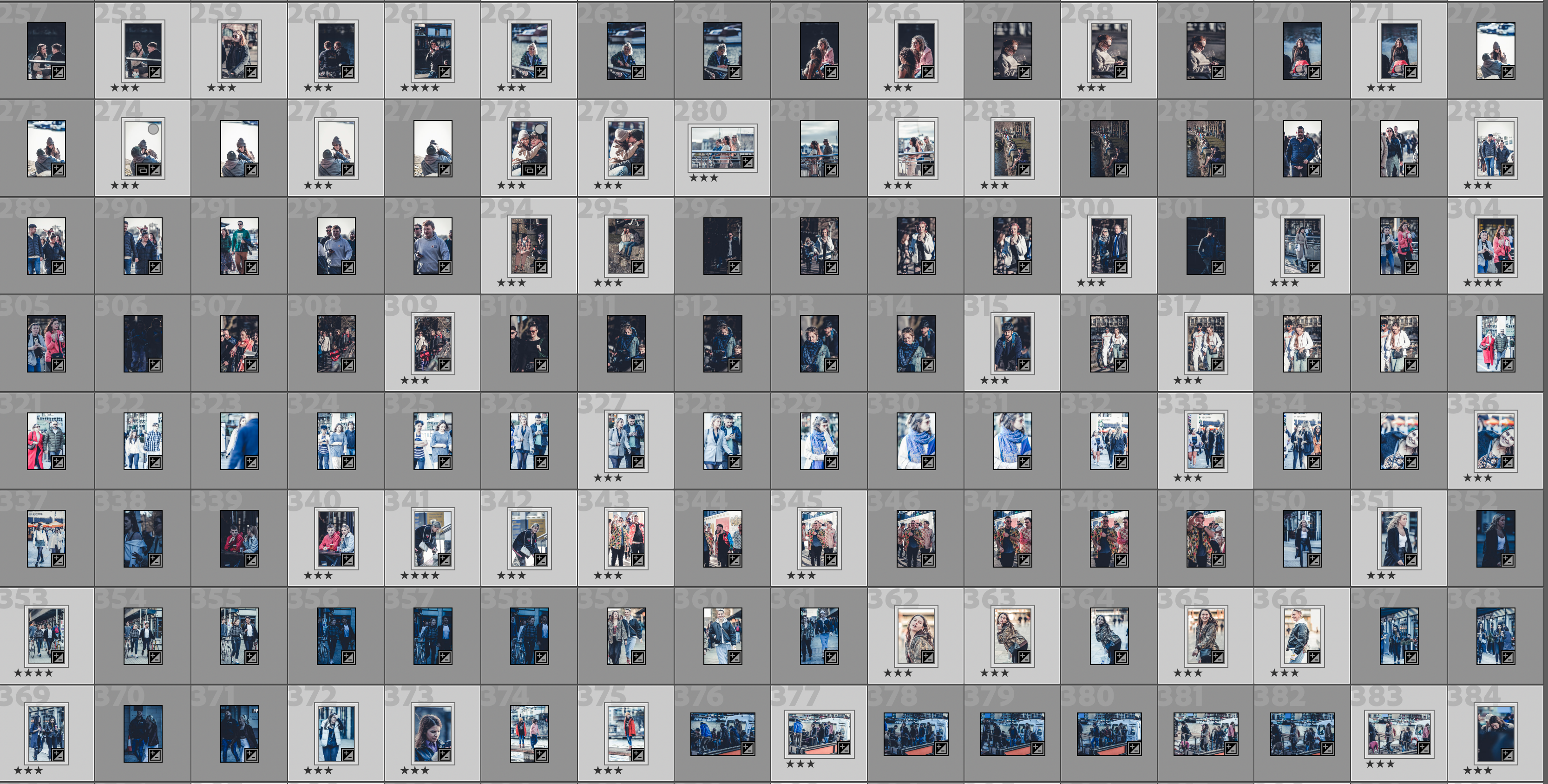
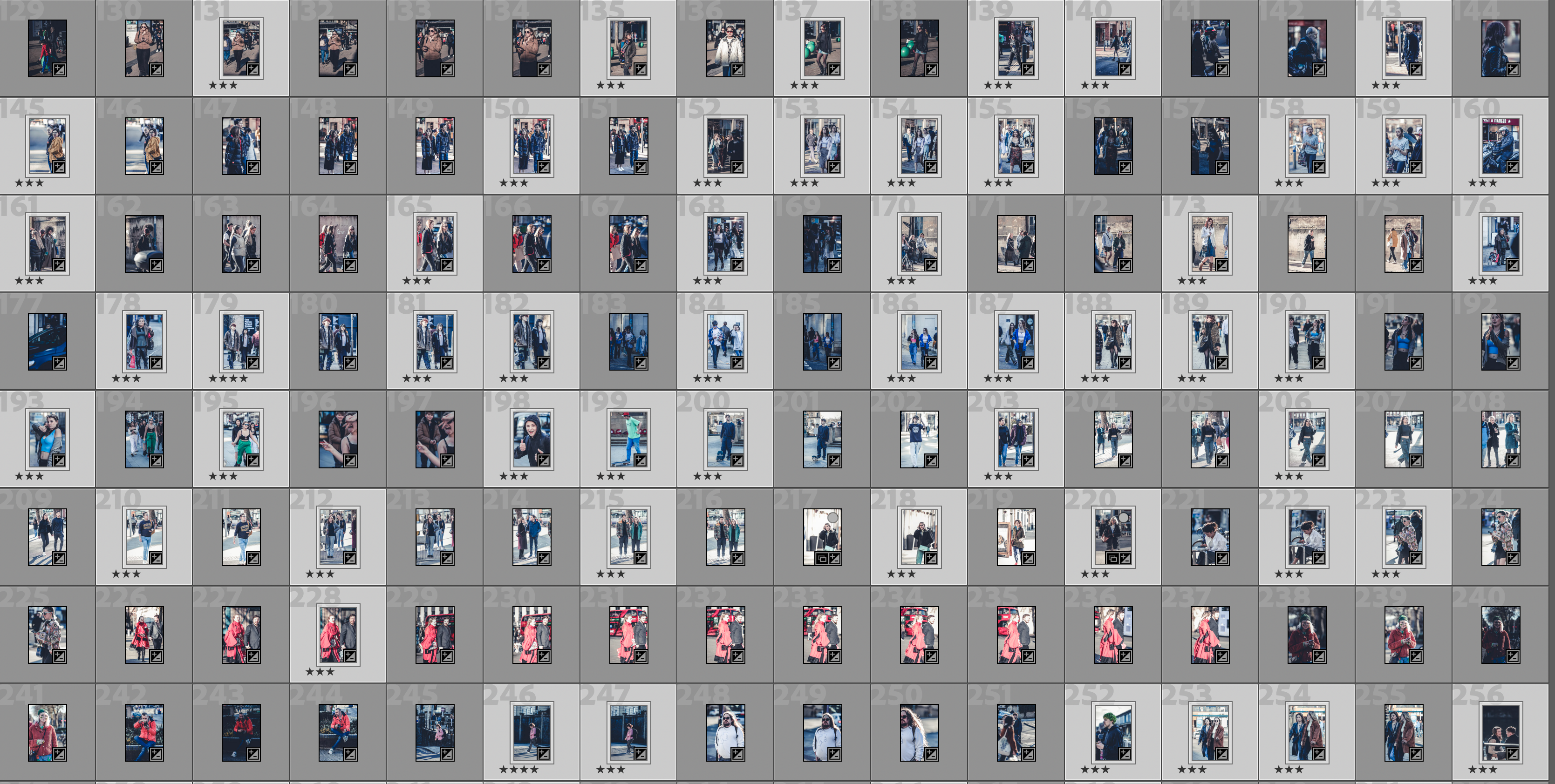
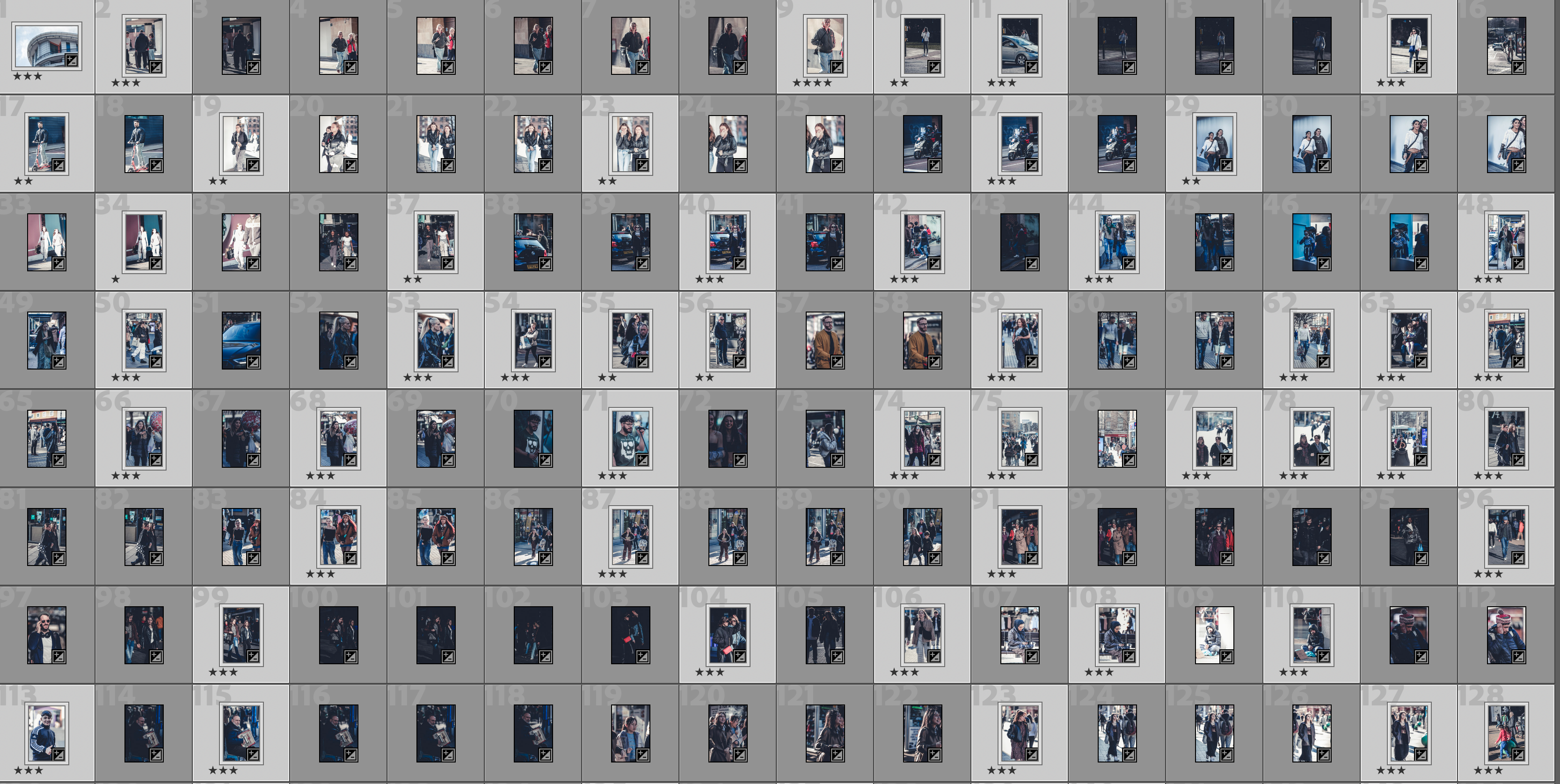
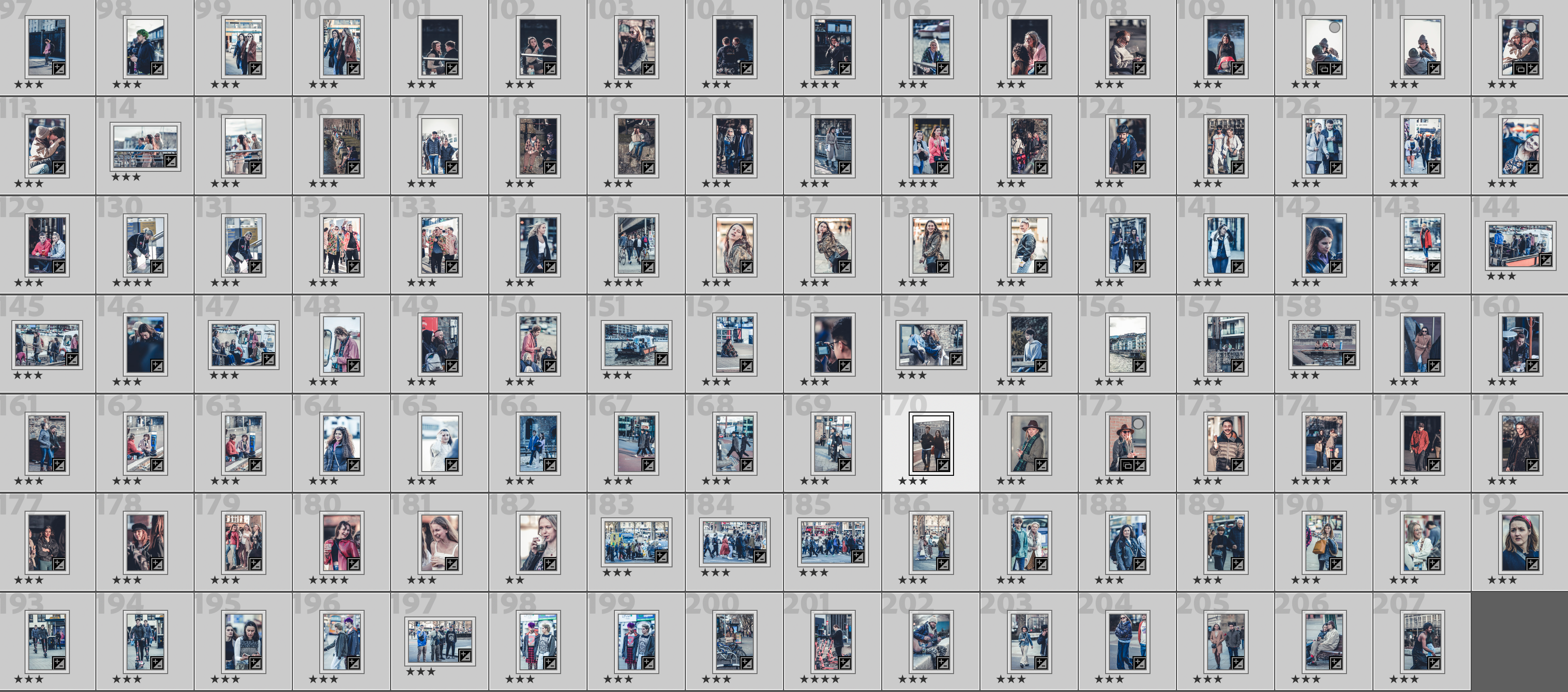
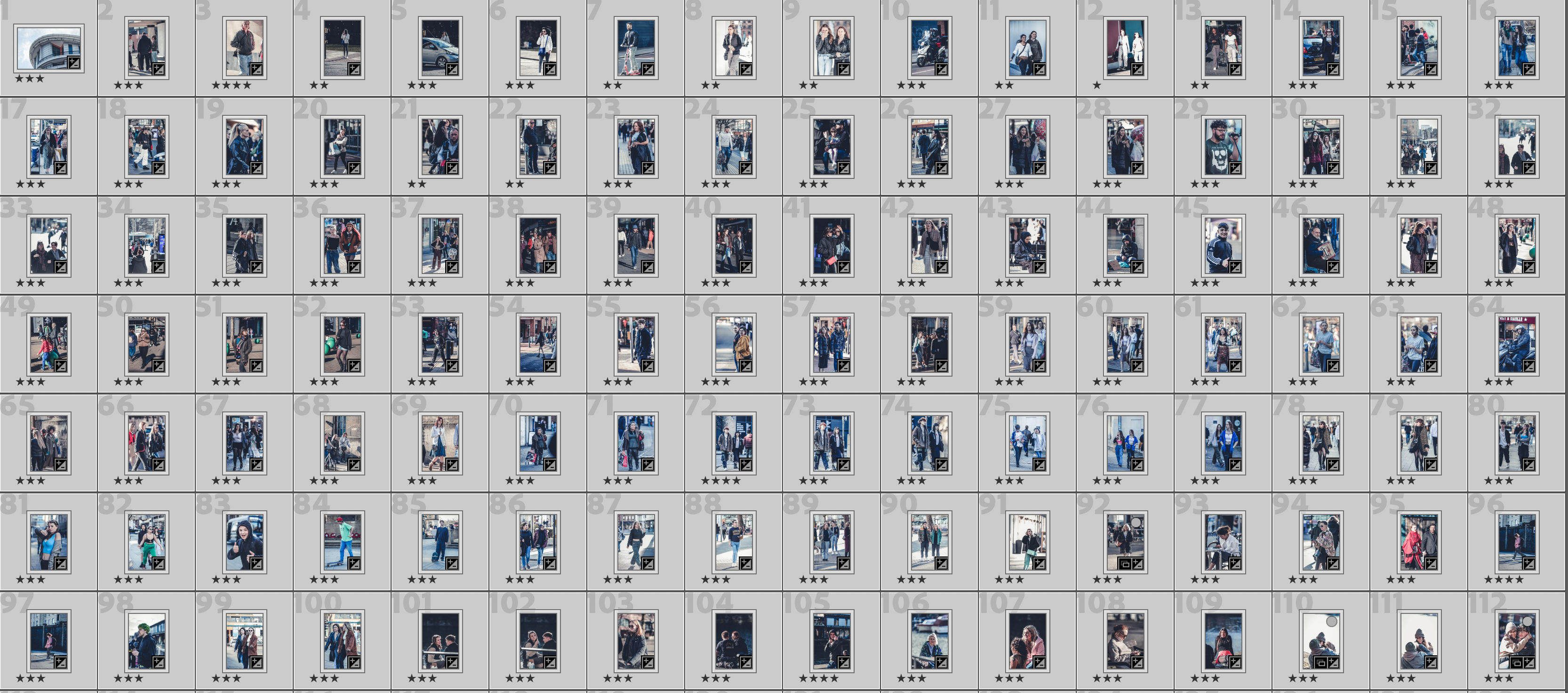
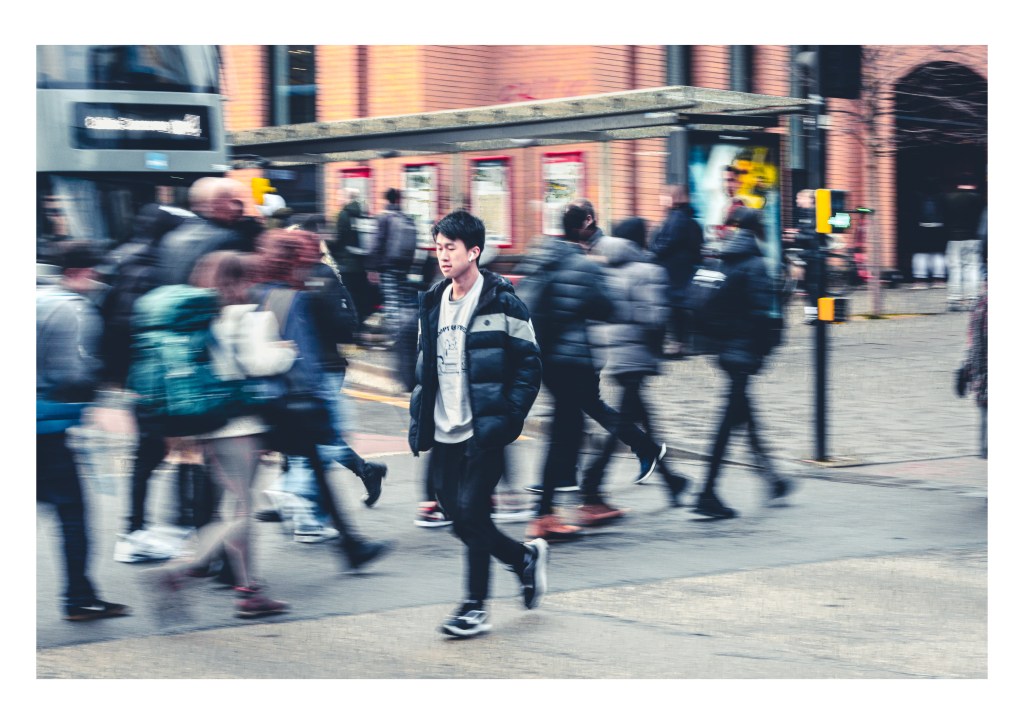


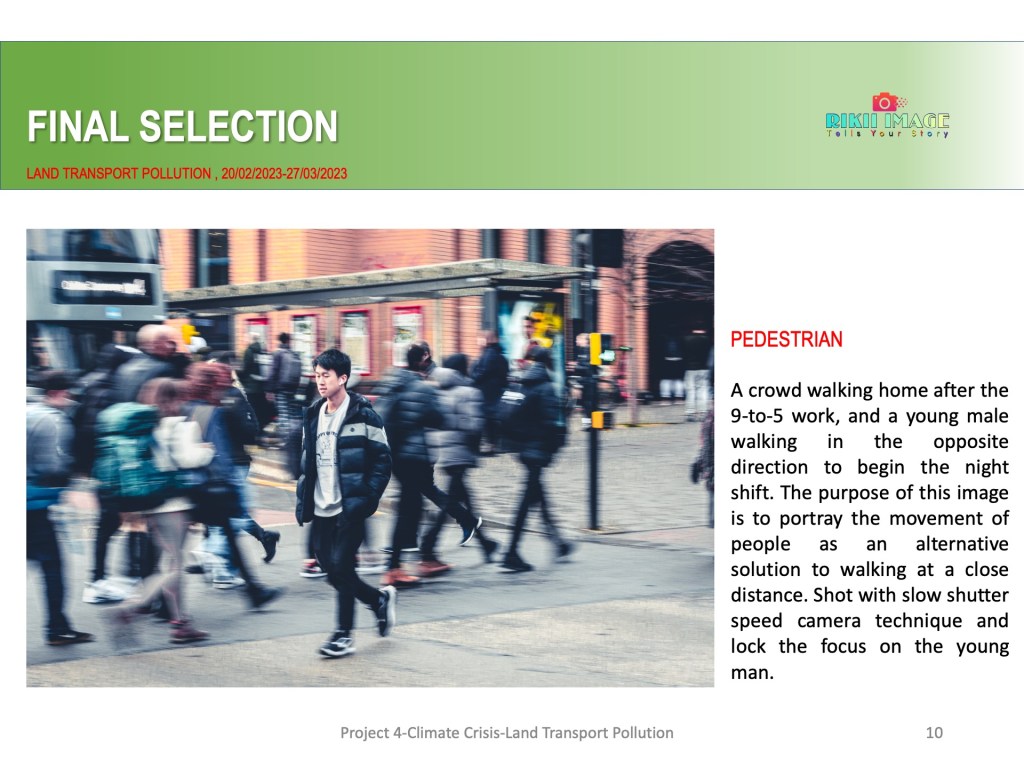
Due to the fact that some individuals always drive for less than a mile, I decided to photograph the crowds on the street once more to demonstrate that walking is an option for reducing emissions.
Images processing-LIGHTROOM AND PHOTOSHOP
I applied colour grading and added a white border to each of my photographs using Lightroom. I use lightroom over adobe bridge because my adobe bridge doesn’t function, so I use lightroom to create contact sheets overall and combine photoshop to create contact sheets for a selected range of images.
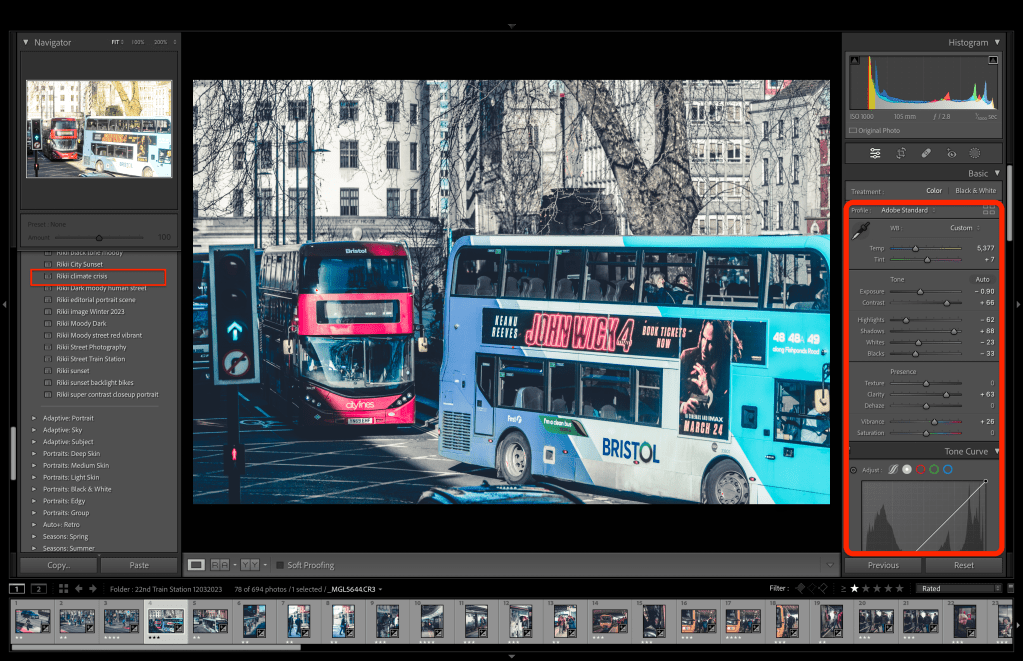
The reason I use White Border for my images is just to add a safe area to hold the images.
Range Selection of images
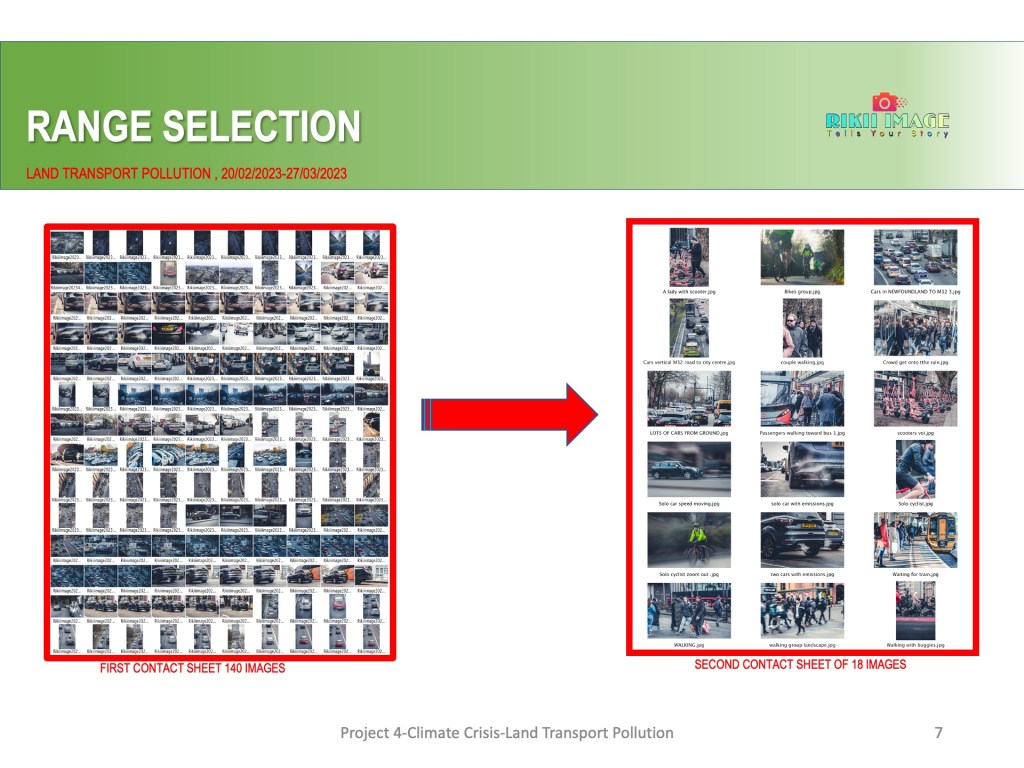
From 3000+ I sorted 140 images
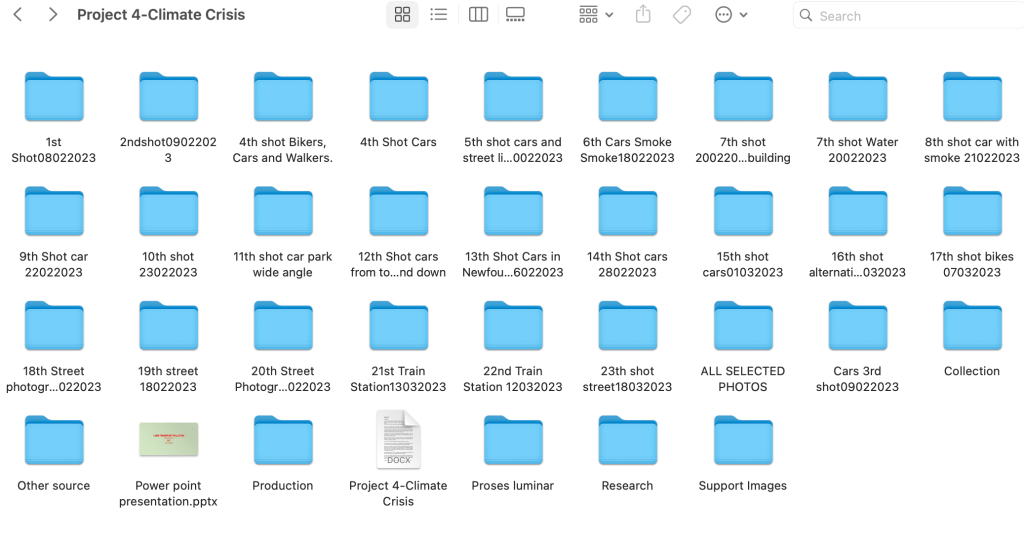
Twenty-three times shots (3000+) in total
Seventeen folders and contact sheets are appended to my blog as SELECTED SHOTS.
I did not choose a few of the folders because they lacked sufficient potential to convey my redevelopment proposal, only 17 folders were selected to convey my proposal of “Land Transport Pollution”.
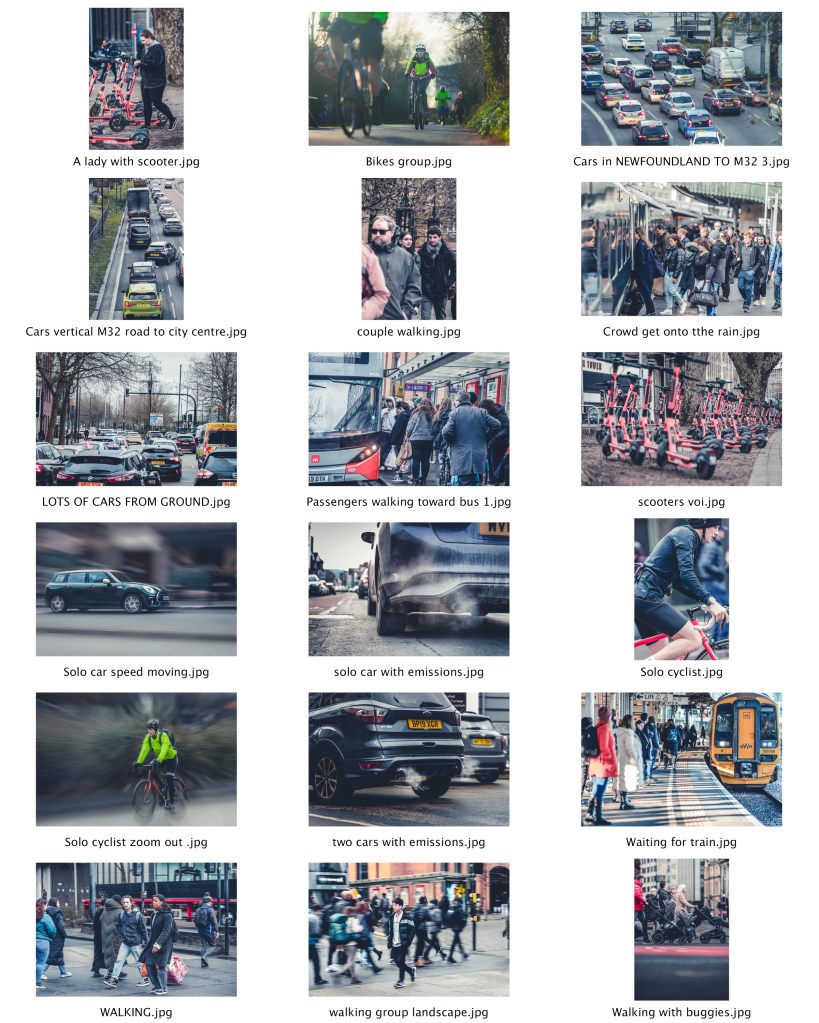
FROM 140 IMAGES I sorted to 18 Images
Final Selection
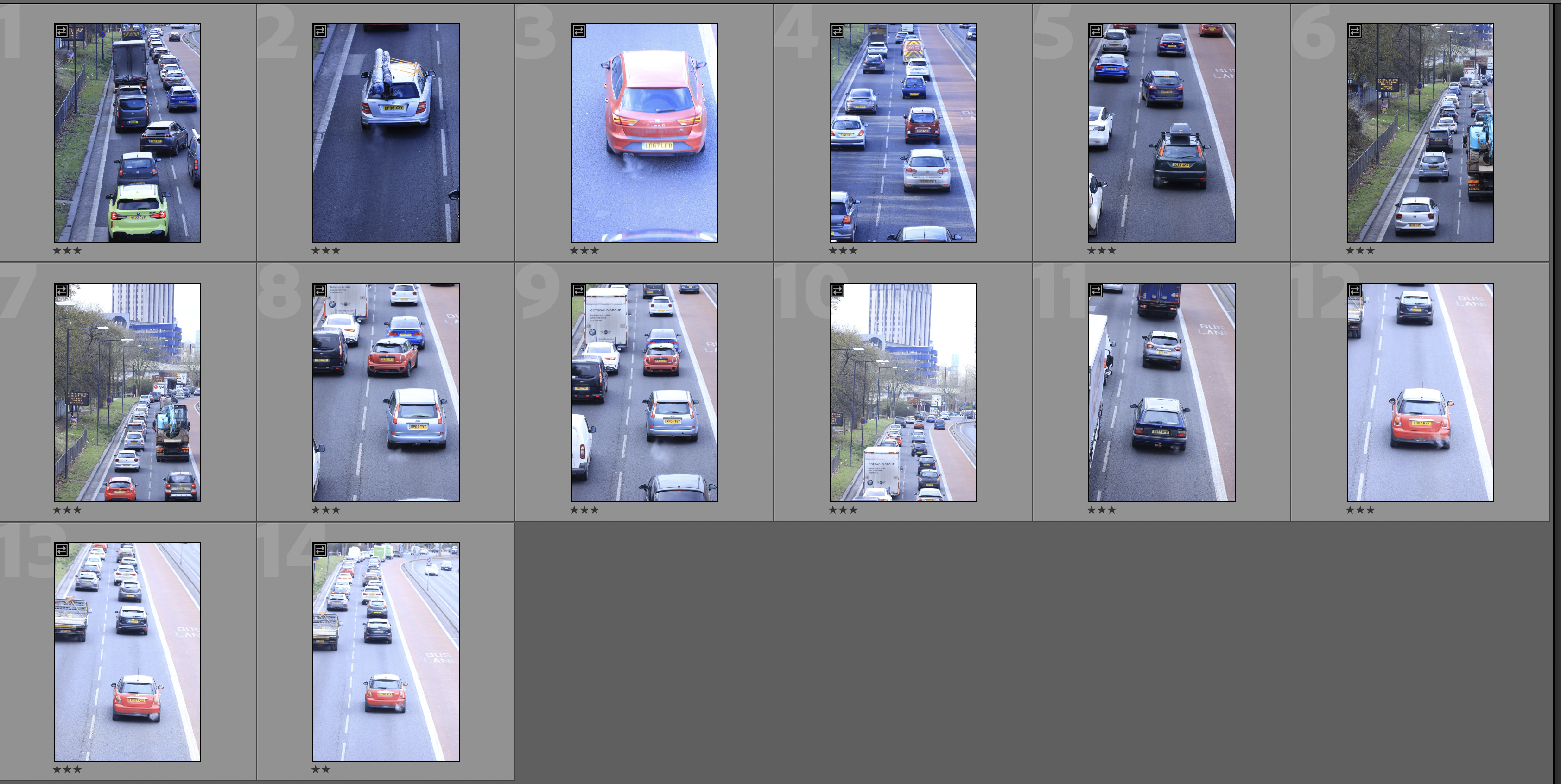
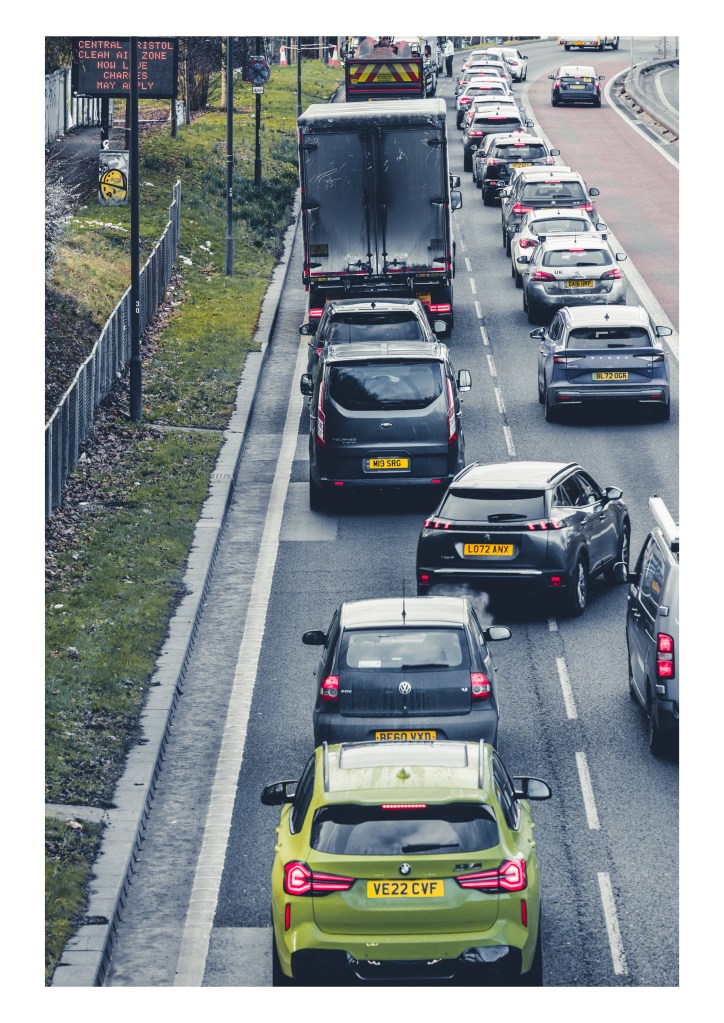
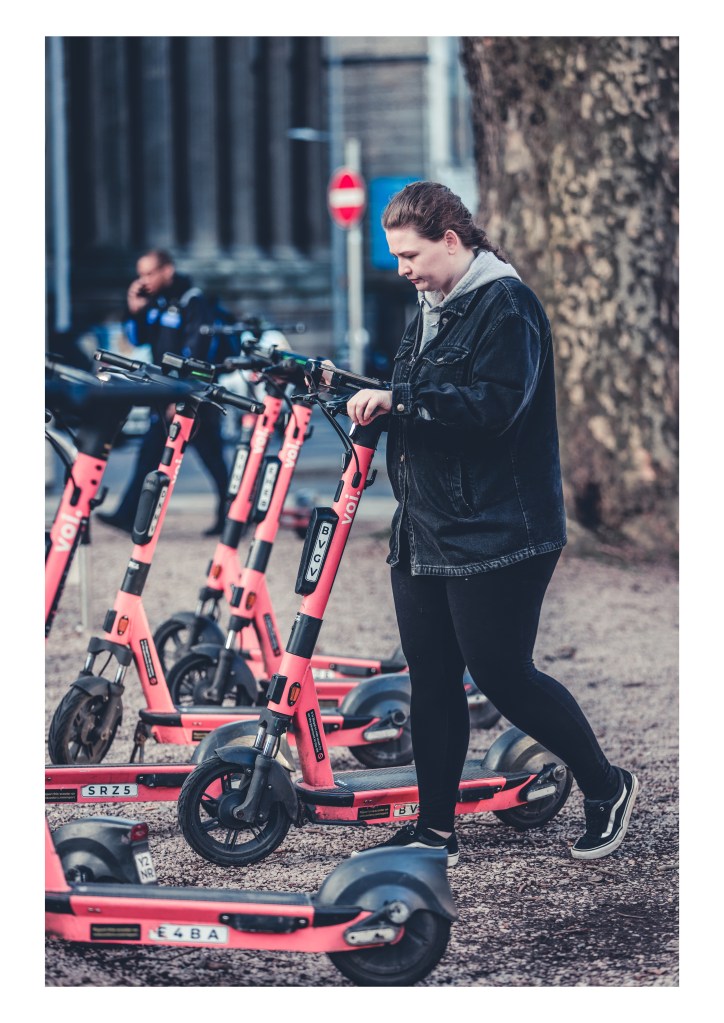
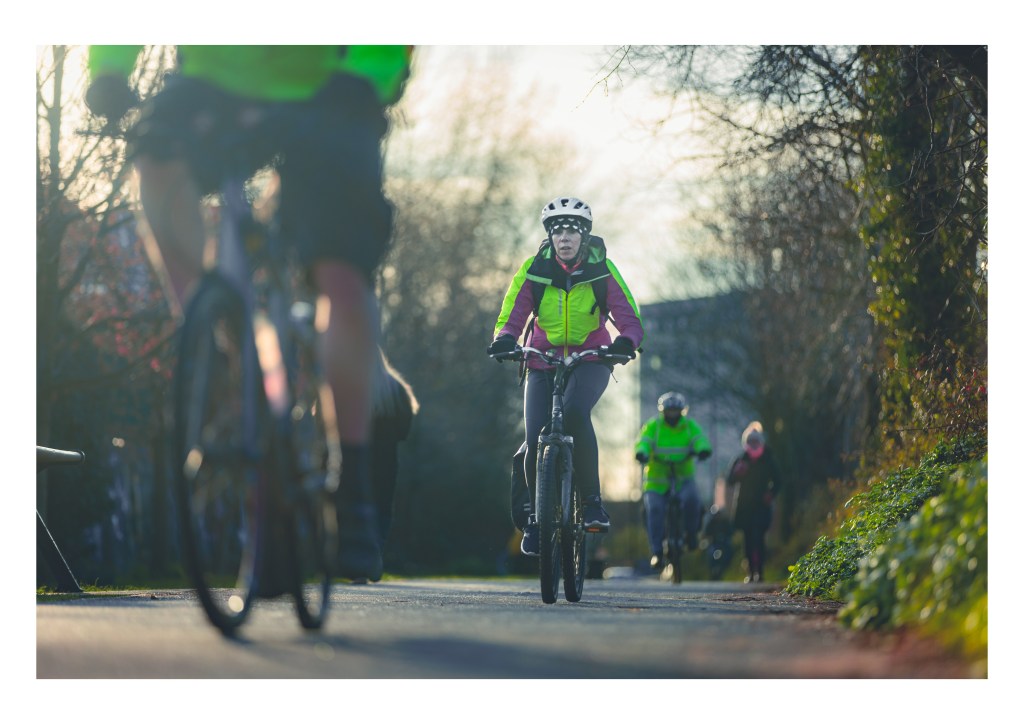


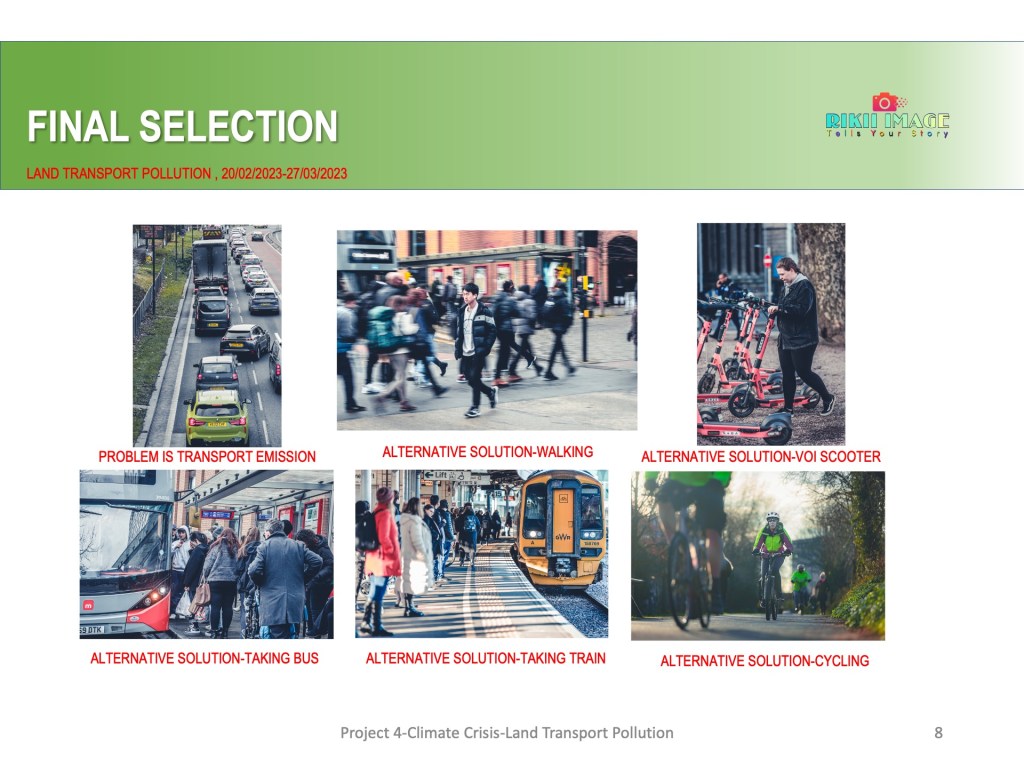
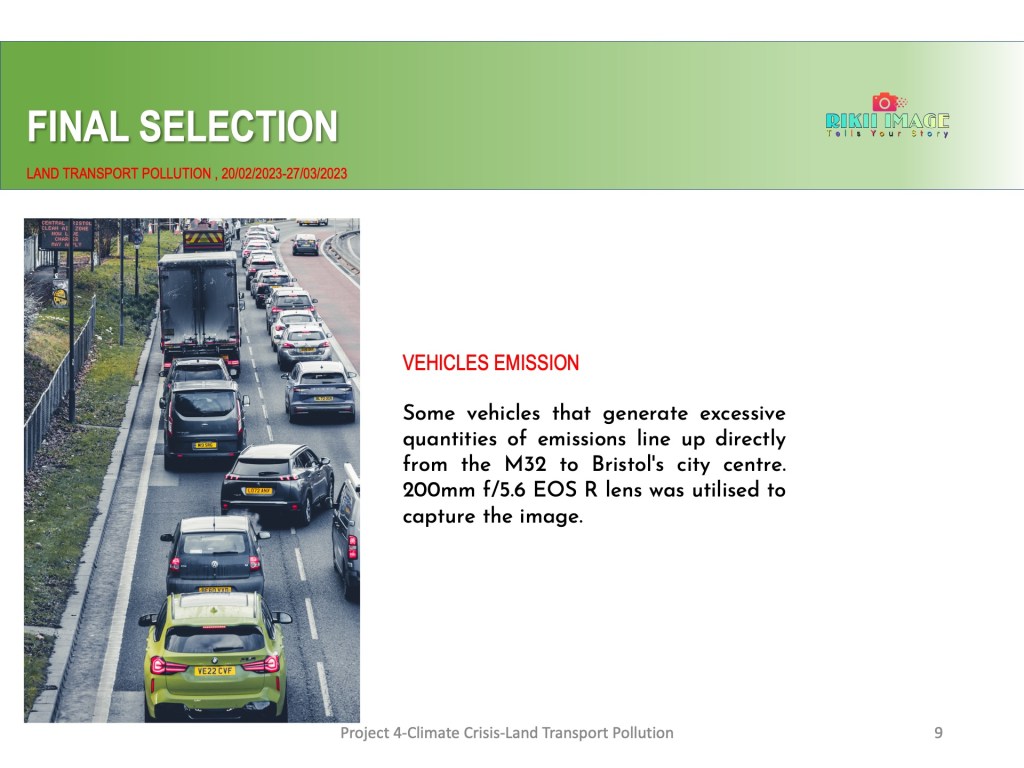
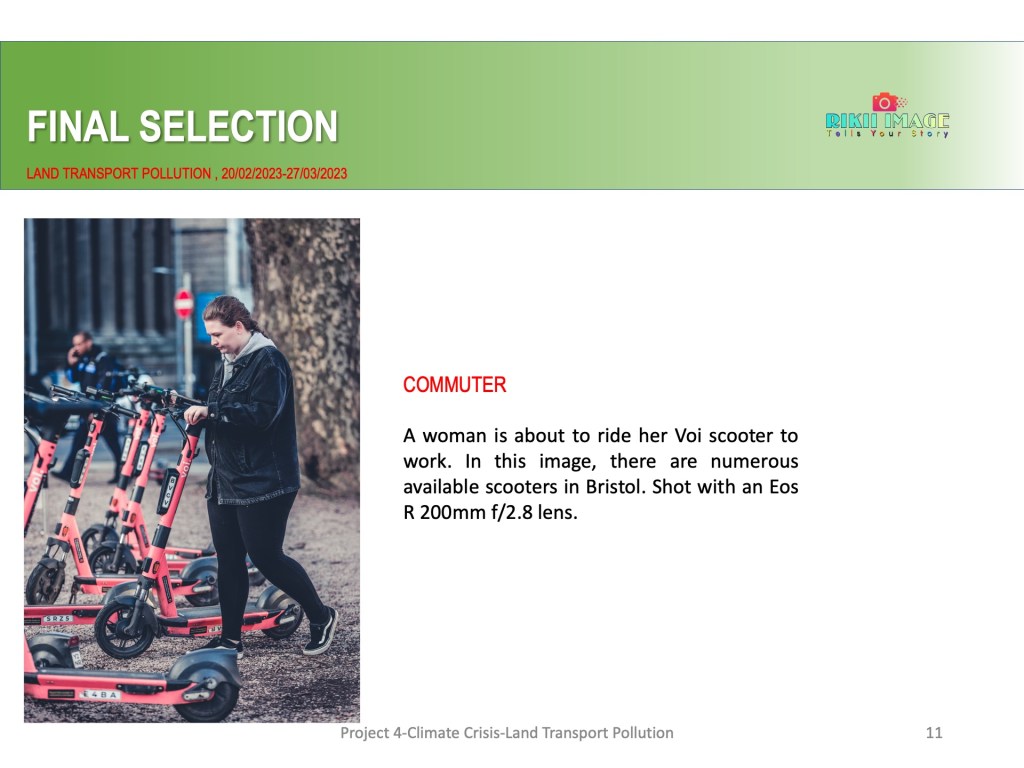
Here are the final six images are chosen. The selection of these six images is based on my desire to demonstrate the magnitude of the problem caused by vehicles in the city, which has a negative impact on human health and the environment. I also present images of large-scale solutions, such as how many people can take the train at once instead of driving a private vehicle, and how a crowd can take a bus or many voi scooters that are readily available. People can walk in other ways as well.
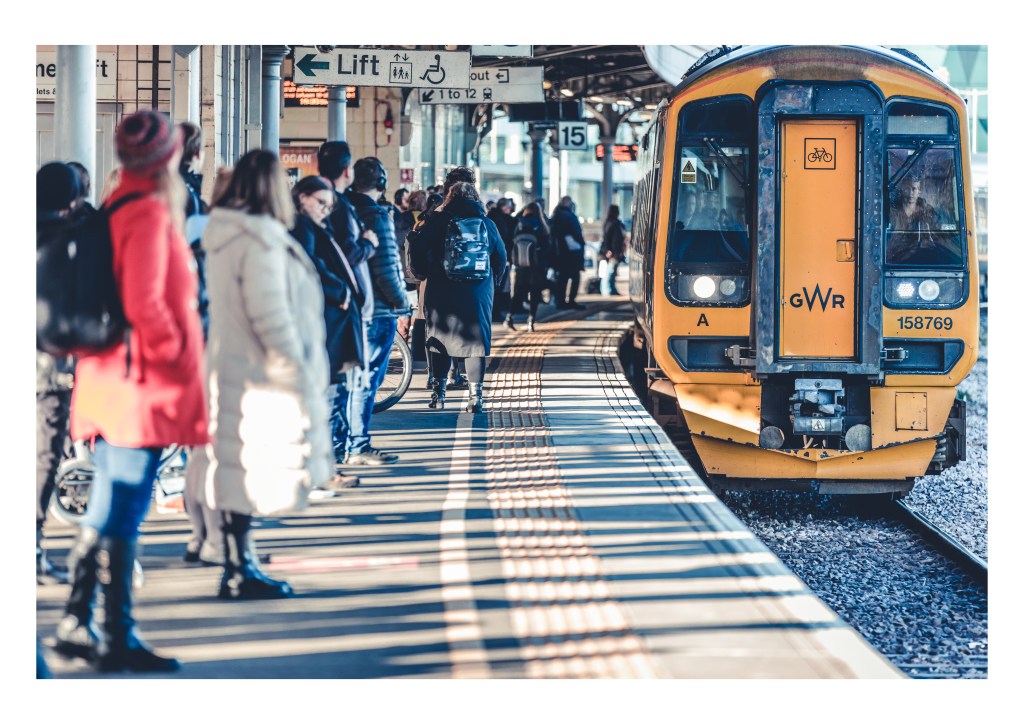
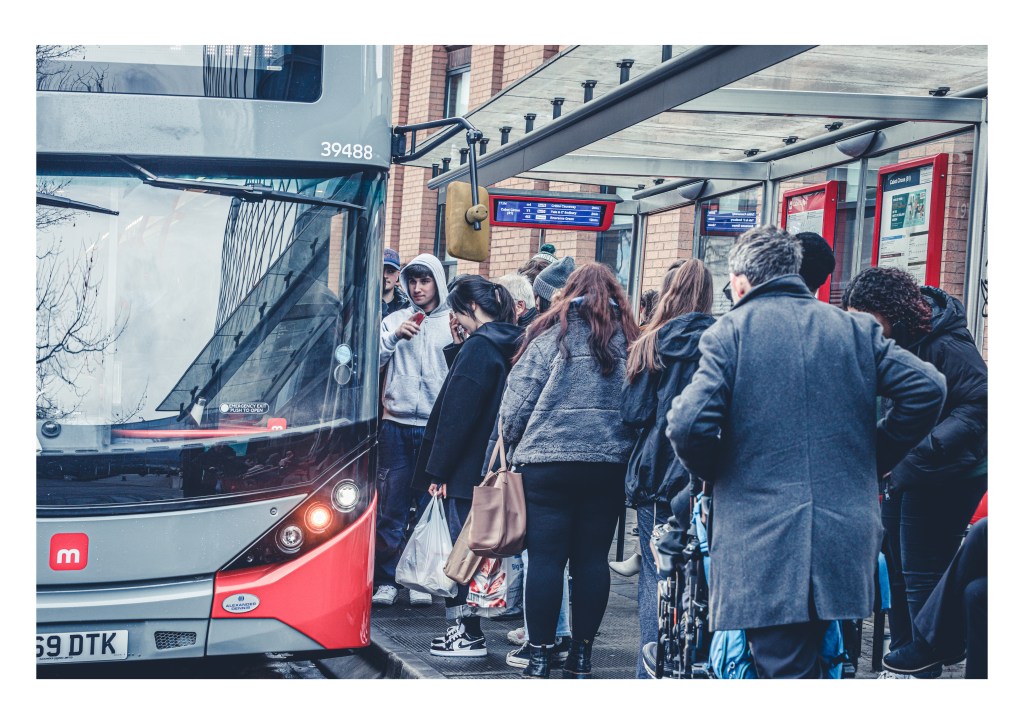
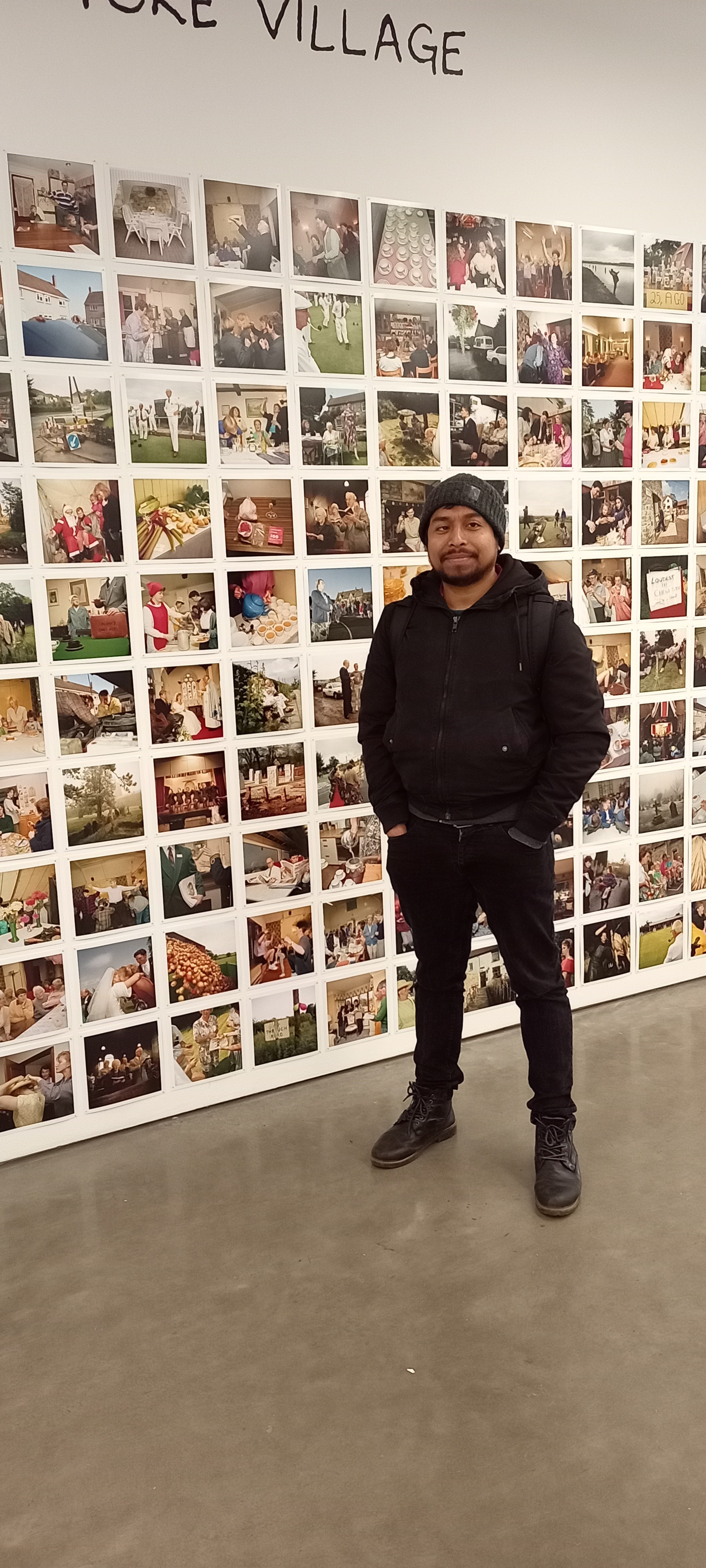
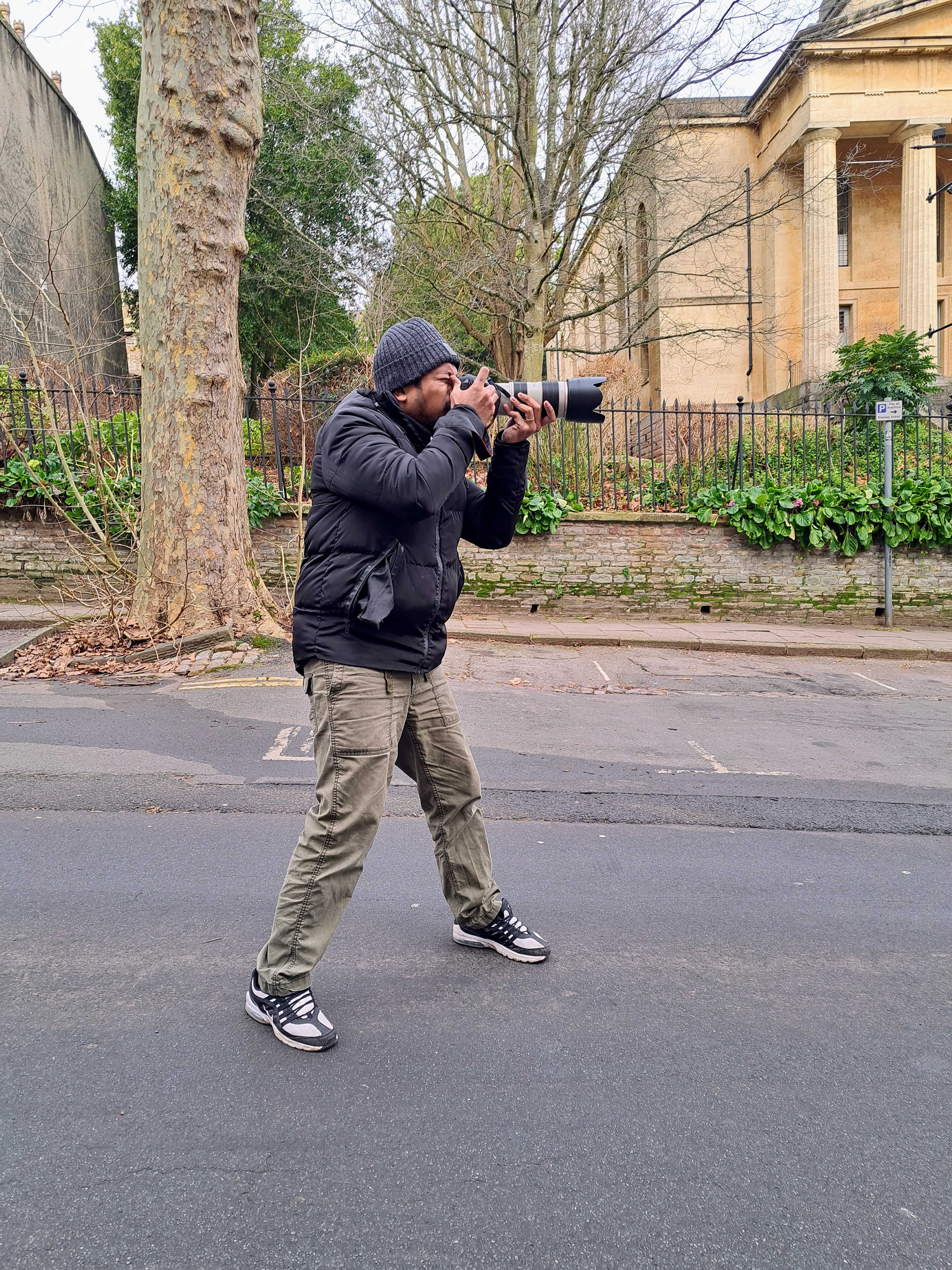
Evidence of my self executed the project
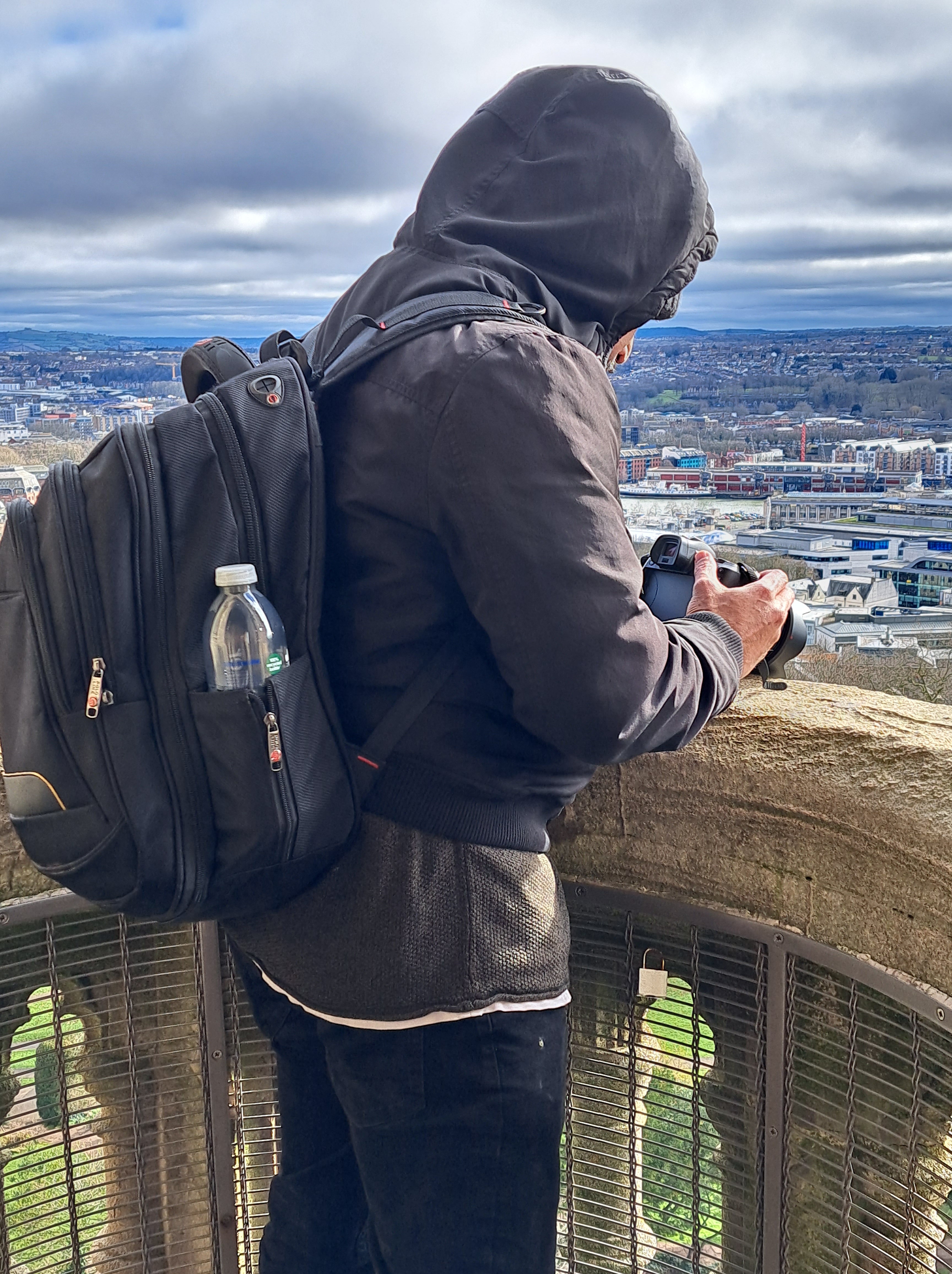
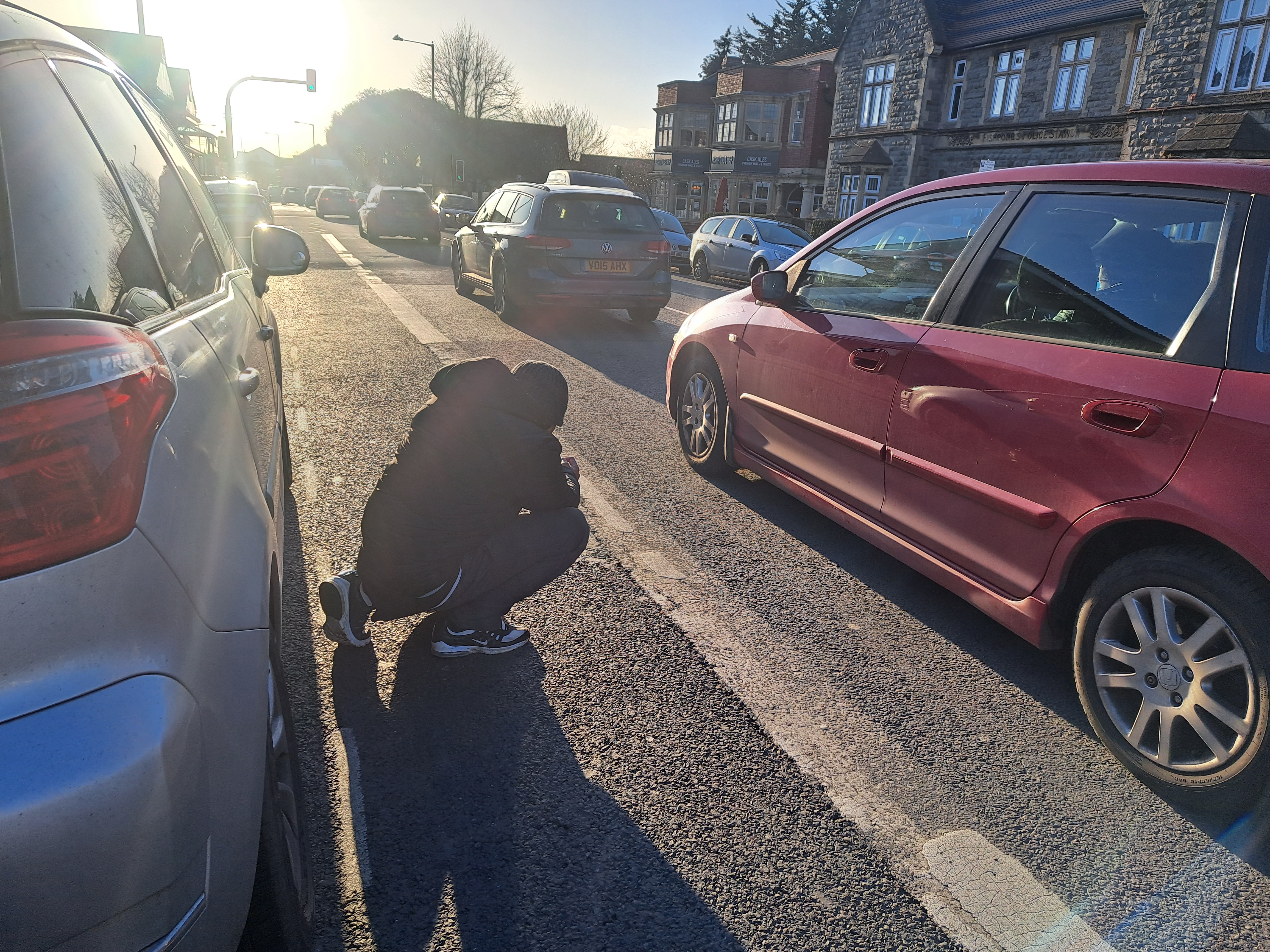
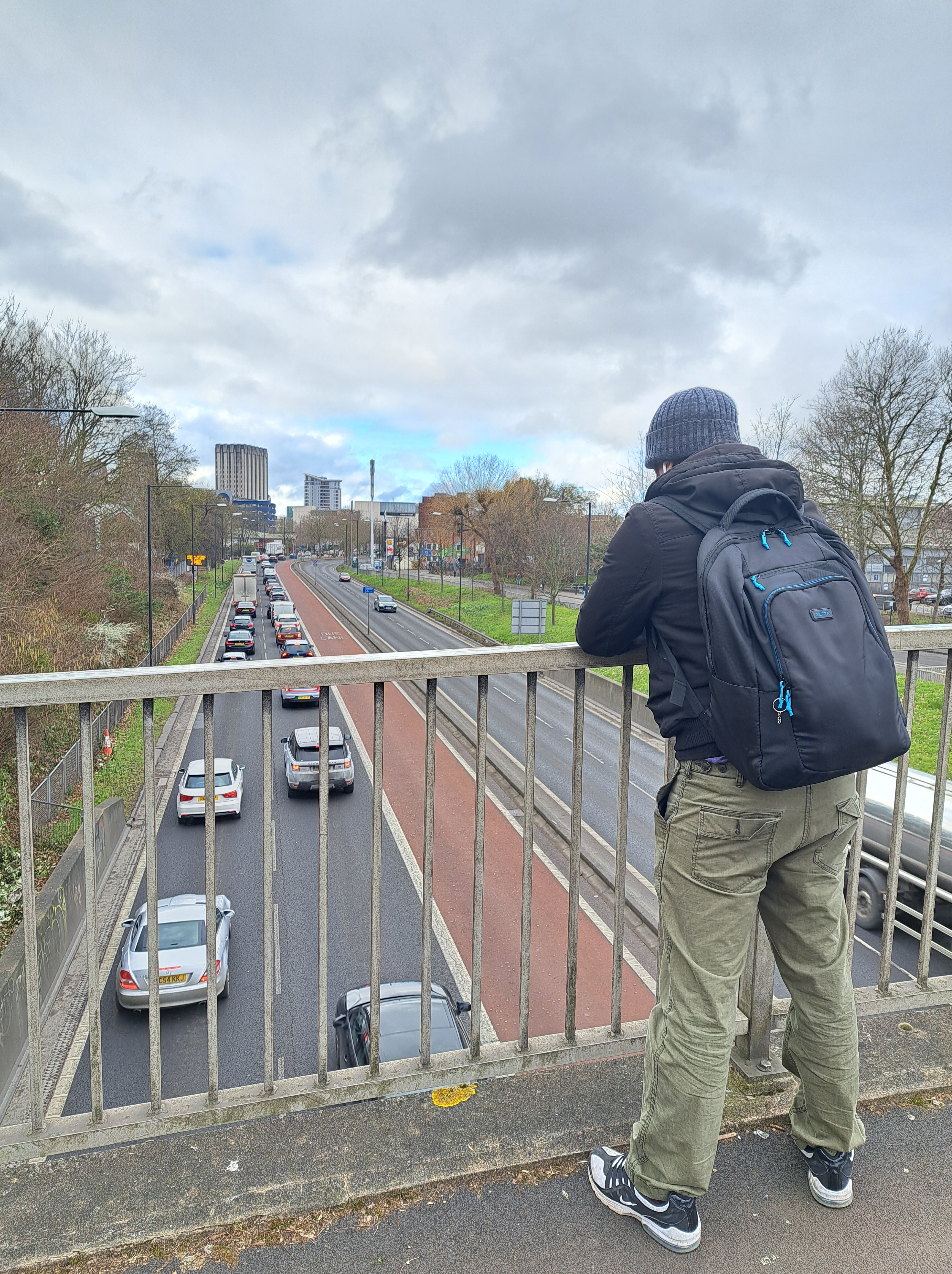
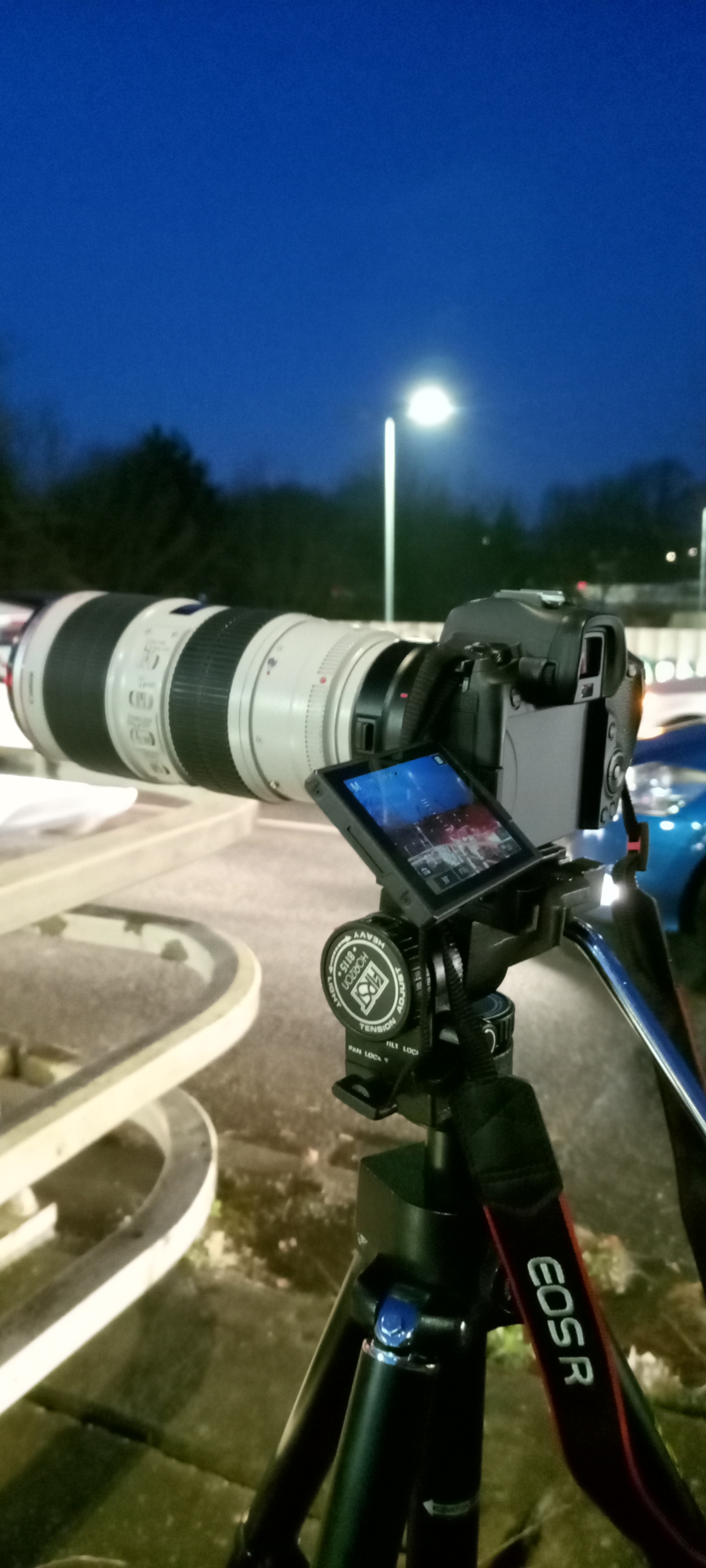
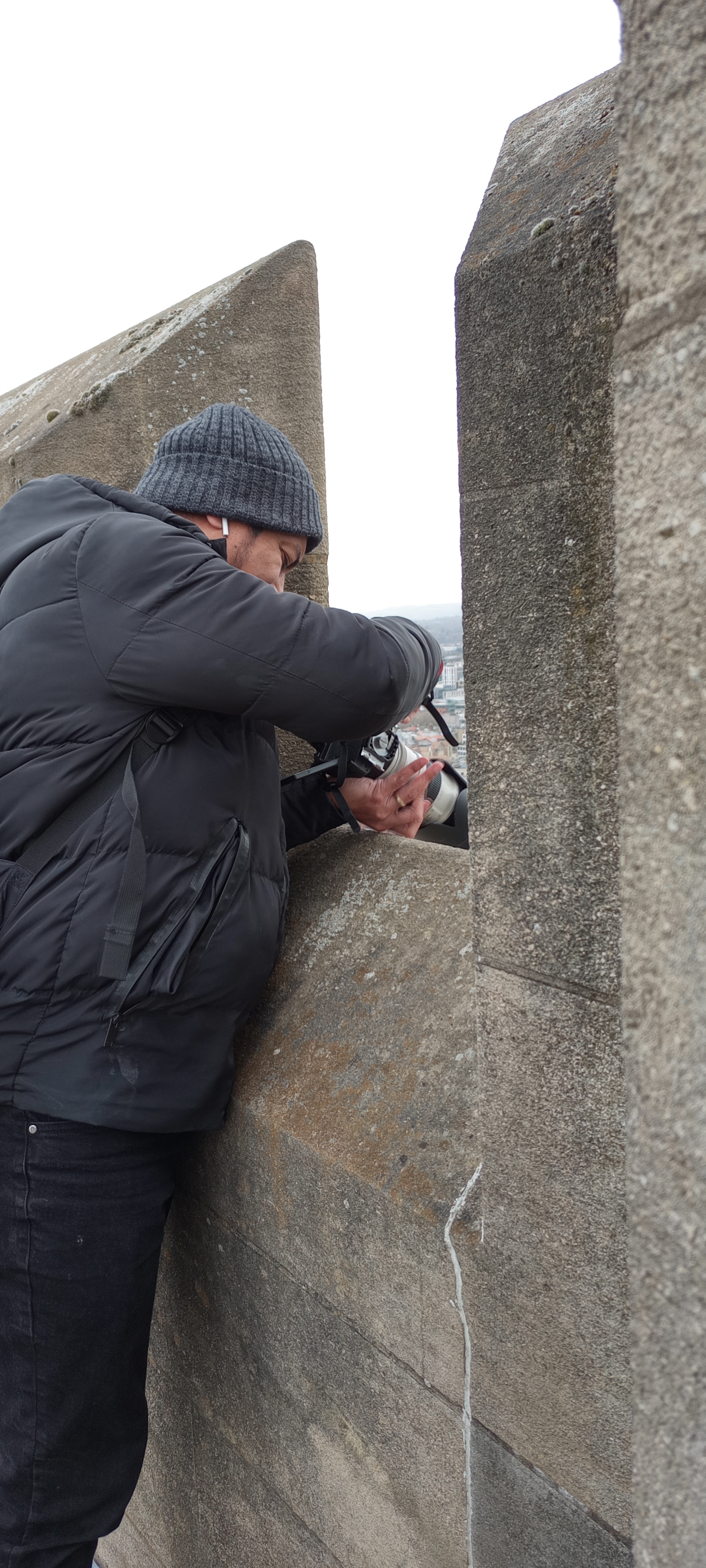
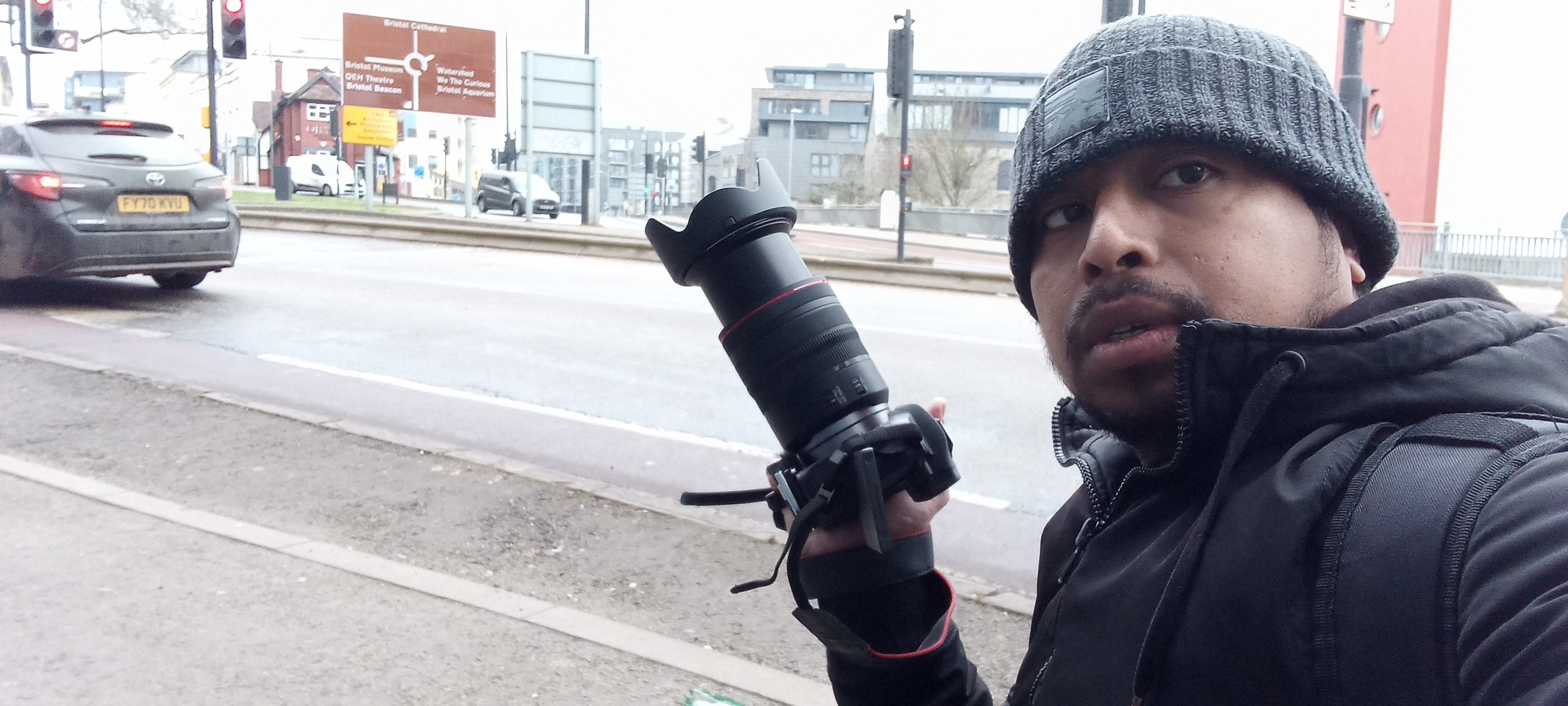
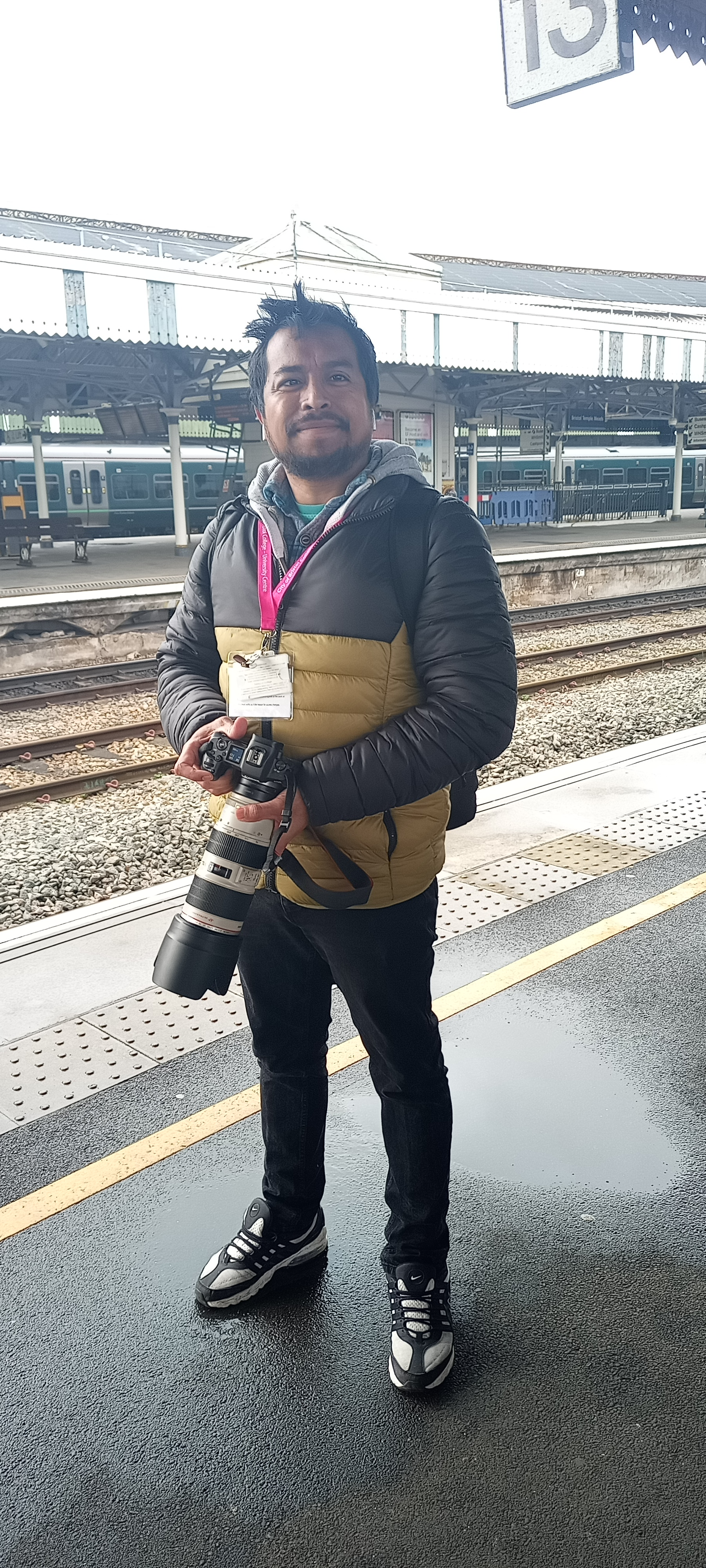
MY PRODUCTION RESUME (IN Powerpoint slide)
TOPIC BACKGROUND
First, I conduct some preliminary research on the assigned topic, and then I determine what to do about the Emissions problem.
Initially, I thought about “Aerosols”; however, many people always incorrectly interpret when they hear the term “Aerosols”; people frequently confused the spray Aerosols with the one I intended to highlight. Therefore, I revised it to highlight the larger topic of “Land Transport Pollution.”
I documented Land Transport Pollution because
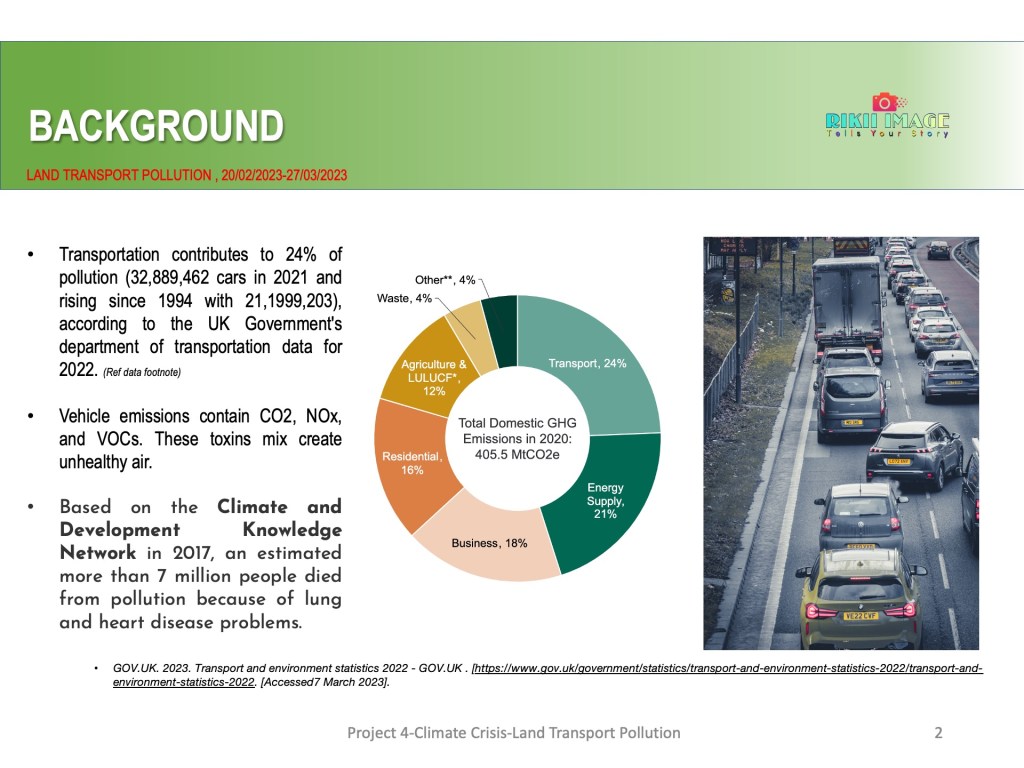
Air pollution is a serious public health issue. Transportation contributes to 24% of pollution (32,889,462 cars in 2021 and rising since 1994 with 21,1999,203), according to the UK Government’s department of transportation data for 2022. Transportation means only cars with tires and motor machines that produce power by burning fuel on the asphalt. Vehicle emissions contain CO2, NOx, and VOCs. These toxins mix with others to create unhealthy air.
Obviously, it poses a threat to human health and the environment in general.
PROPOSAL: “Land Transportation Pollution”
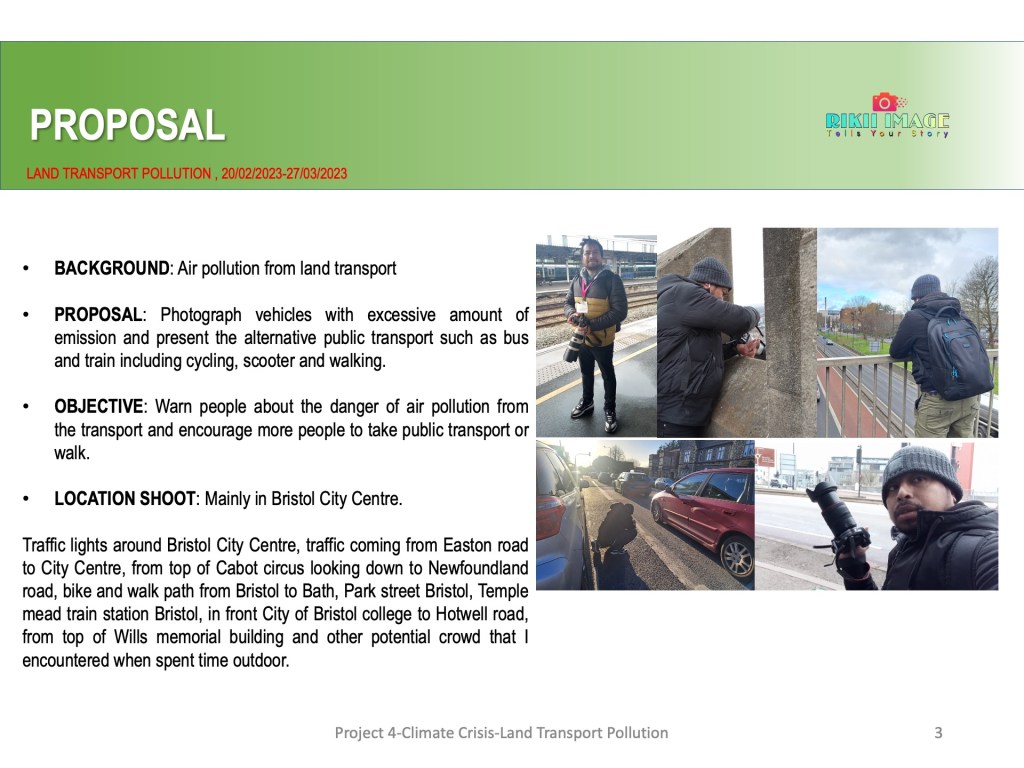
Photograph vehicles with an excessive amount of emissions and present alternative public transport such as buses and trains including cycling, scooter and walking.
OBJECTIVE: Warn people about the danger of air pollution from transport and encourage more people to take public transport, walk or use bikes.
RESEARCH ARTIST
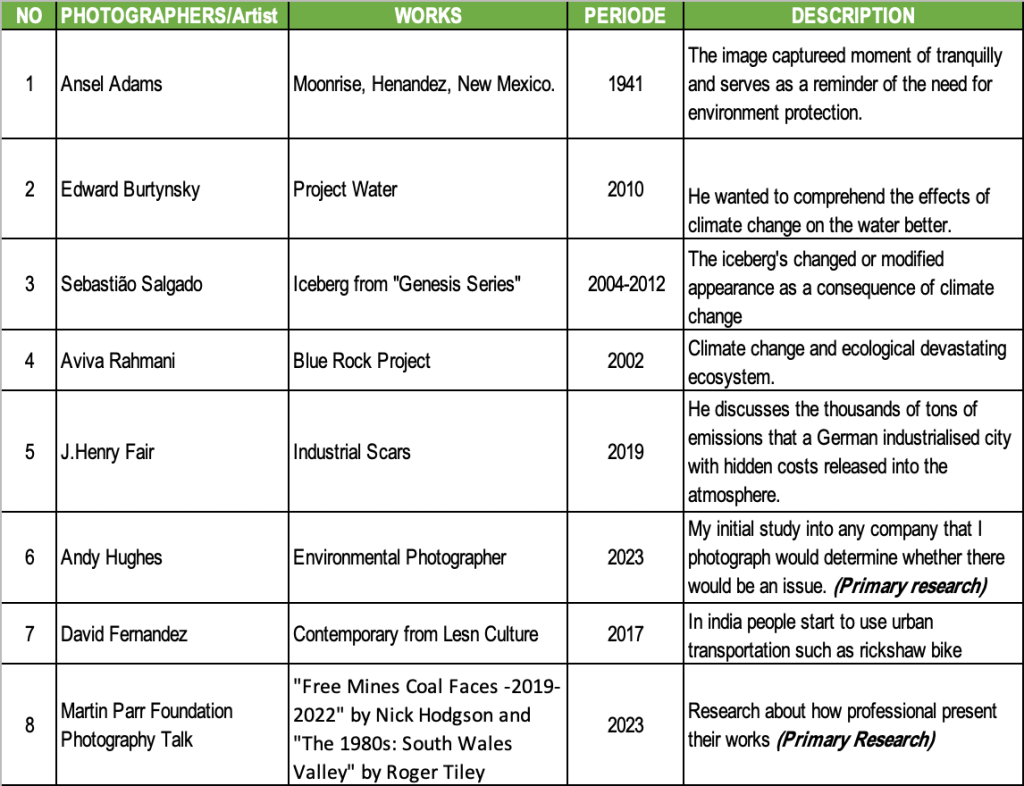
PRODUCTION
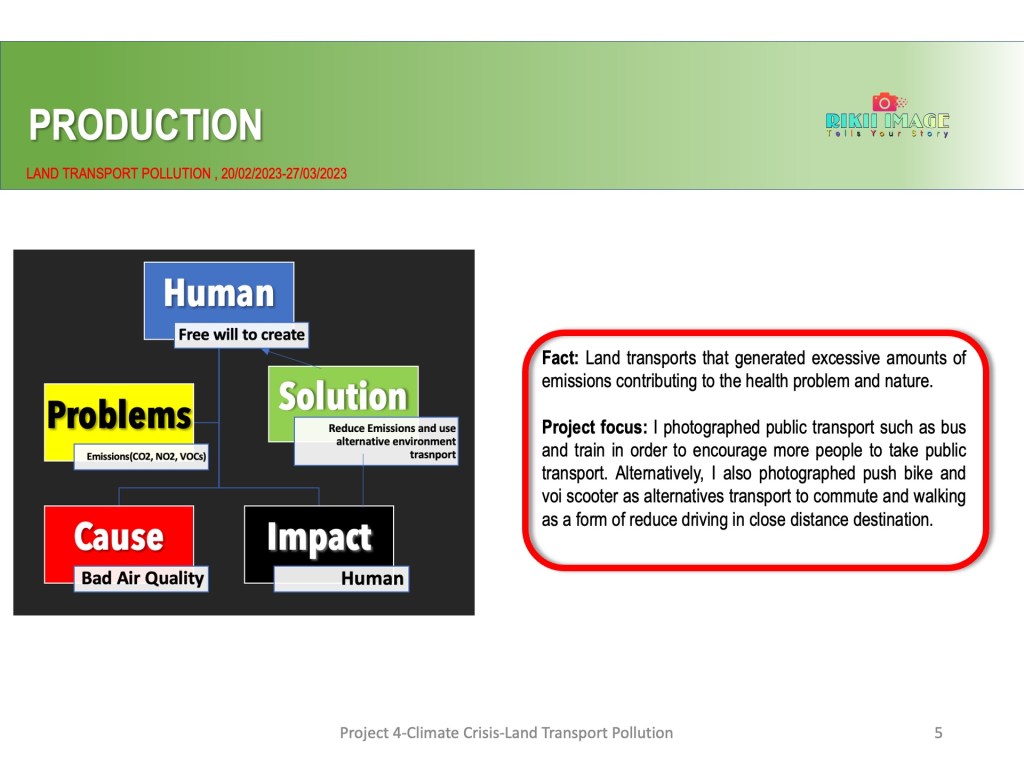
Fact: Land transport generated excessive amounts of emissions contributing to the health problem and nature.
Project focus: I photographed public transport such as bus and train in order to encourage more people to take public transport. Alternatively, I also photographed push bikes and voi scooters as alternatives transport to commuting and walking as a form of reduced driving in close-distance destinations.
MY RISK ASSESSMENT
FINAL IMAGES
From seventeen contact sheet images, I was able to select the six most powerful images that convey my proposal for “Land Transportation Pollution” including the proposed solution.
EVALUATION
Proposal feedback
I believe I have accomplished my goal of delivering the issue concerning the climate crisis in land transport; luckily, I have rewritten the proposal to concentrate more on the big picture of air pollution caused by land transport.
- The first version of the proposal about “AEROSOLS”
- The second version I the redeveloped proposal about the “LAND TRANSPORT POLLUTION”
Photograph Day
Because the brief outlines that I need to demonstrate how my project has evolved over time, I took 23 times photographs and submitted 17 contact sheets as evidence of how I have progressed my photographic technique in order to demonstrate the art.
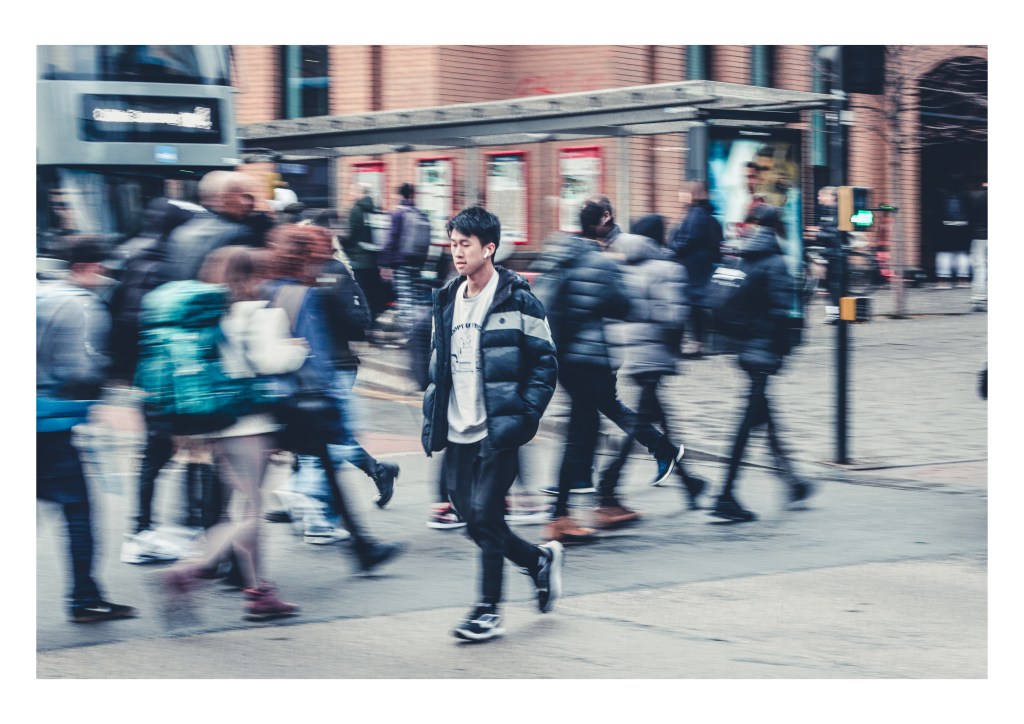
Processing The Images
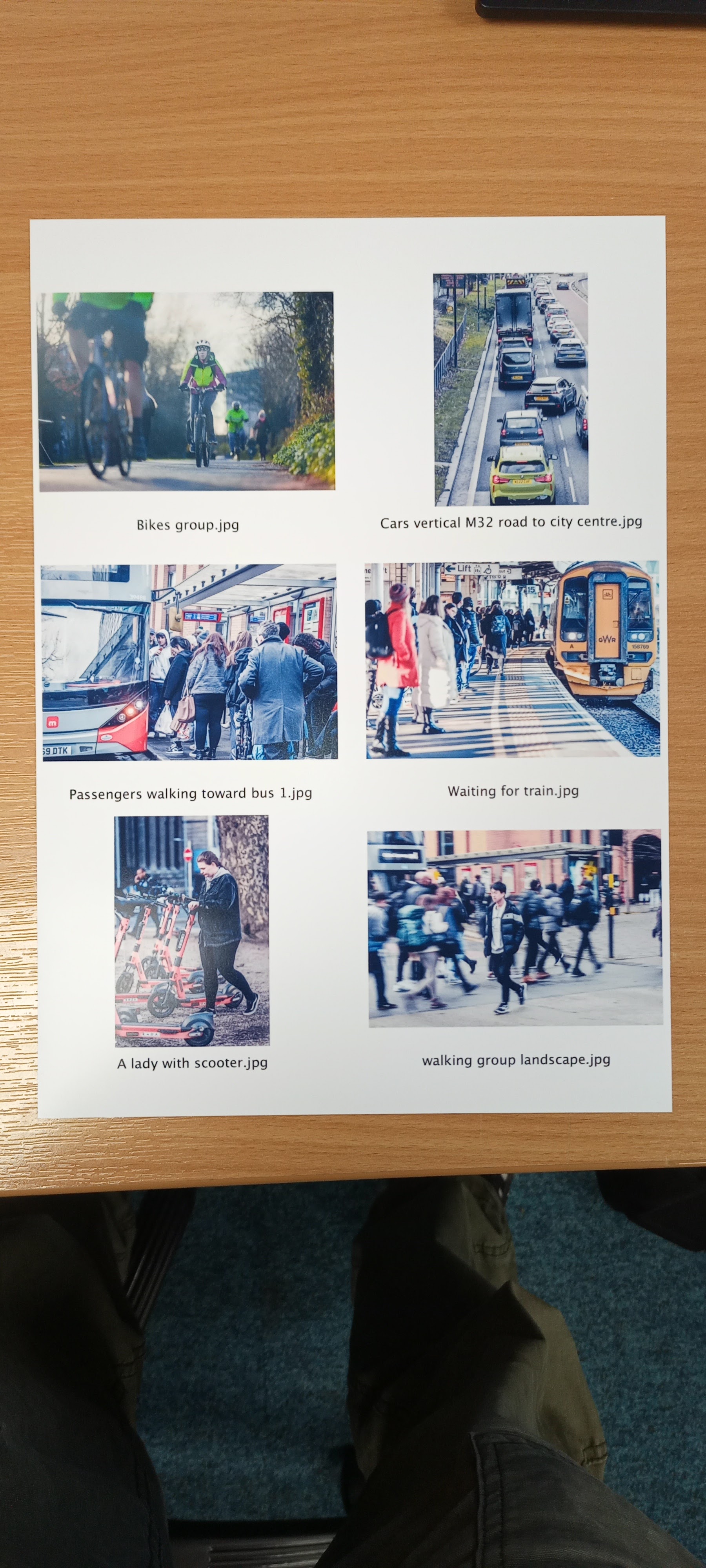
All of my photographs have a bluish tone, which I emphasise because, in reality, more people drive in the United Kingdom during the winter months exclusively to avoid the cold weather. Because they can use the vehicle’s heating while travelling. Therefore, I purposefully colour-grade my images for cold, bluish weather. However, If I compare the test print to the final large print size, the large size is bluer than the test print. I do not know if this is because when we print in large size, our eyes built up to the blue colour. If I had a little more financial support in the future, I could reprint it, and slightly desaturate the cold tone.
Paper
Because I colour-graded in a dark, very cold scenario, the only type of paper I used for this project was glossy paper so that I could bring out the details in the pictures.
My personal value with this project
As a result of my thorough research into this subject, my commuting habits and lifestyle have been altered. The only way I could get to college on time was by car from the school where my children were studying all the way there. After conducting extensive research on the subject, I came to the conclusion that, regardless of whether or not I am punctual to the college, as long as they are aware of the reason for my lateness, I will use public transportation to get there if there isn’t an essential or urgent matter that requires me to drive there.
Images I believe to convey with my proposal but I did not choose to include for the series of 6 images
If I were to create a photobook, I believe I would want to include these photographs, as I believe they effectively convey what I’m trying to communicate. However, for this print, I only need the images that really work together as 6 series to convey my proposal.

PowerPoint Presentation
Bibliography
- Met Office. 2023. Effects of climate change – Met Office. [ONLINE] Available at: https://www.metoffice.gov.uk/weather/climate-change/effects-of-climate-change. [Accessed 07 February 2023].
- Climate Reality Project. 2023. Who We Are | Climate Reality Project. [ONLINE] Available at: https://www.climaterealityproject.org/who-we-are. [Accessed 16 February 2023].
- Climate change impacts | National Oceanic and Atmospheric Administration. 2023. Climate change impacts | National Oceanic and Atmospheric Administration. [ONLINE] Available at: https://www.noaa.gov/education/resource-collections/climate/climate-change-impacts. [Accessed 16 February 2023].
- The Ansel Adams Gallery. 2023. Ansel Adams Photographer, Video – The Ansel Adams Gallery. [ONLINE] Available at: https://www.anseladams.com/ansel-adams-photographer-video/. [Accessed 17 February 2023].
- The Ansel Adams Gallery. 2023. The Ansel Adams Gallery – Welcome To The World Of Fine Arts. [ONLINE] Available at: https://www.anseladams.com/. [Accessed 17 February 2023].
- Encyclopedia Britannica. 2023. Ansel Adams | Biography, Photography, & Facts | Britannica. [ONLINE] Available at: https://www.britannica.com/biography/Ansel-Adams-American-photographer. [Accessed 17 February 2023].
- Aviva Rahmani. 2023. Nibbling On Hope at the Edge — Aviva Rahmani. [ONLINE] Available at: https://www.avivarahmani.com/blog/nibb
- Edward Burtynsky. 2023. Photographs: Water — Edward Burtynsky. [ONLINE] Available at: https://www.edwardburtynsky.com/projects/photographs/water. [Accessed 16 February 2023].
- Prix Pictet. 2023. Edward Burtynsky | Prix PictetPrix Pictet | The global award in photography and sustainability. [ONLINE] Available at: https://prixpictet.com/portfolios/growth-shortlist/edward-burtynsky/bio/. [Accessed 17 February 2023].
- Sebastião Salgado: Genesis & Climate Change – David Kutz. 2023. Sebastião Salgado: Genesis & Climate Change – David Kutz. [ONLINE] Available at: https://davidkutz.com/sebastiao-salgado-genesis-climate-change/. [Accessed 17 February 2023].
- International Center of Photography. 2023. Museum | International Center of Photography. [ONLINE] Available at: https://www.icp.org/facilities/museum. [Accessed 17 February 2023].
- World Meteorological Organization. 2023. Aerosols | World Meteorological Organization. [ONLINE] Available at: https://public.wmo.int/en/our-mandate/focus-areas/environment/aerosols. [Accessed 20 February 2023].
- GOV.UK. 2023. Transport and environment statistics 2022 – GOV.UK. [ONLINE] Available at: https://www.gov.uk/government/statistics/transport-and-environment-statistics-2022/transport-and-environment-statistics-2022. [Accessed 20 February 2023].
- Our World in Data. 2023. Sector by sector: where do global greenhouse gas emissions come from?. [ONLINE] Available at: https://ourworldindata.org/ghg-emissions-by-sector. [Accessed 20 February 2023].
- Number of Cars in the UK 2023 | NimbleFins. 2023. Number of Cars in the UK 2023 | NimbleFins. [ONLINE] Available at: https://www.nimblefins.co.uk/cheap-car-insurance/number-cars-great-britain#nogo. [Accessed 21 February 2023].
- David Fernandez | LensCulture. 2023. David Fernandez | LensCulture. [ONLINE] Available at: https://www.lensculture.com/david-fernandez. [Accessed 08 March 2023]
 Rikii Image