
PROPOSAL
LUIS
“A Happy Boy With Cerebral Palsy”.
The story is about my partner’s nephew who lived with his only mum when his dad passed away in 2019, and two siblings who decided will leave home soon.

“The untold, the unseen, and the unheard stories sometimes are meant to discover and inspire.
Use your shutter to sequence the stories”. Rikii Altamirano.
RESEARCH
The projects that I have produced many years ago were not professional projects considerably as my current ongoing project, as I would have to adjust myself on how to tell the story in my photo.
In this project, I allowed myself to absorb as much information about being a good storyteller and put myself directly experience with Luis and Sandra as Bruce Davidson quoted “If I am looking for a story at all, it is in my relationship to the subject – the story that tells me, rather than that I tell” this is one project that quite challenging, will be my focus.
Each day we are seeing more and various of storyteller photography presents their works through online website and photo book that emotional felt. As we all acknowledge, that family is one of the most important parts in life that everyone born with in any health condition. What I am highlighting at is to create a project that telling story about a family struggle with one of the family members strengthens them to love unconditionally and attached.
While surfing the lens culture website, I discovered a phenomenal photographer Iva Zimova from Czech Republic who photographed a life of a young man 31-year-old with cerebral palsy condition that really inspired as the young man with CP condition showed his successful study by getting a degree from a university despite his complex and difficult health condition. This exceptional project was not an easy assignment since the photographer had to maintain great work of ethics to remain professionalism when interacting with individuals who had cerebral palsy.
A neurological ailment called cerebral palsy affects how the body moves and balances, among other symptoms. Numerous Cerebral Palsy conditions exist, and they vary from person to person. Some people cannot speak or walk, while others simply have slight symptoms that make them uncomfortably move or speak.
Since my goal is to draw attention to the narrative that will inspire others, I have carefully evaluated whether to work on this project and have assessed its needs because disability in a family is not something we select; it is an unavoidable condition that we were born with or that occurred during our lives. according to the experts at Nottingham University pointed out it’s the most common form of childhood sensory impairment. NICE reports that 2%-3.5 per 1000 births in the UK are affected by CP (Shaunak and Kelly, 2018).
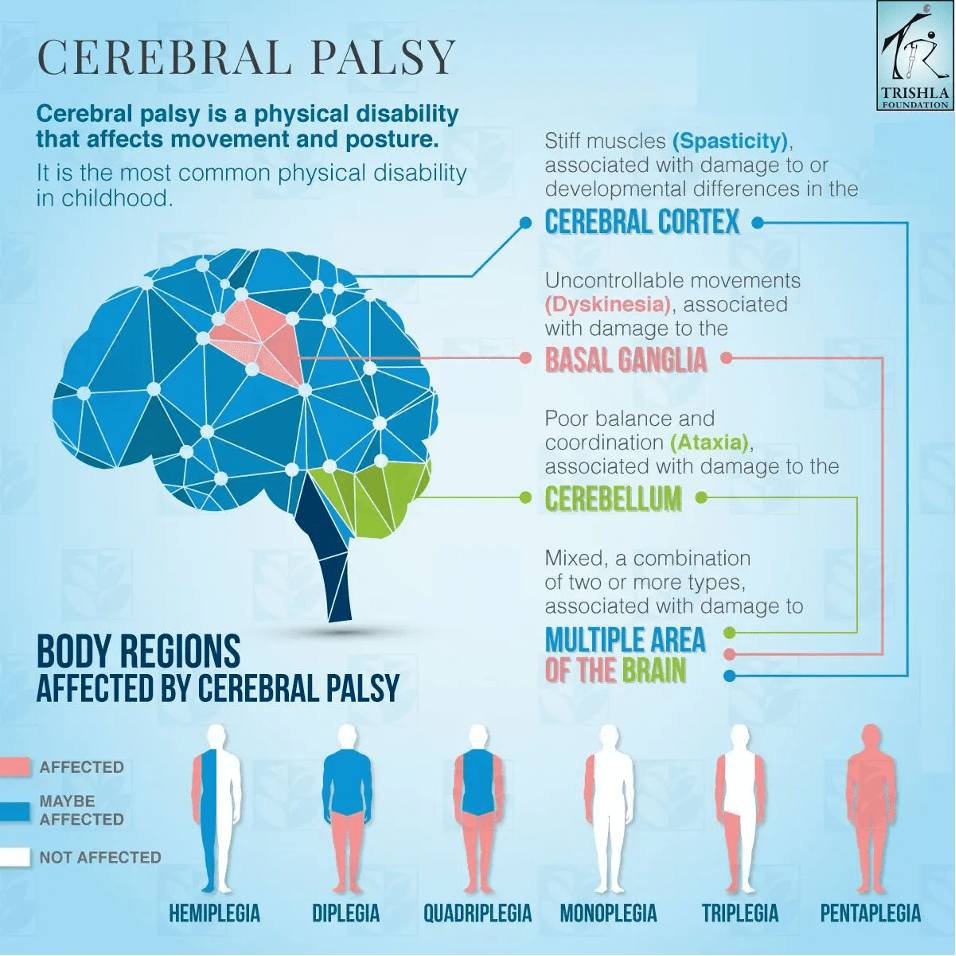
https://www.christopherreeve.org/living-with-paralysis/health/causes-of-paralysis/cerebral-palsy
People who have Cerebral Palsy (CP) must continually maintain their health throughout their life. I have always seen Luis (CP) and Sandra at Oxford. Sandra seemed to understand what Luis desired, and she even offered Luis more of what he could have.
According to the NHS Child Protection Plan tutorial video issued in 2015, Luis’s mom also has enrolled Luis into the Child Protection Plan (CPP) since he was a child. In order to balance Sandra’s daily activities, his mum assigned him to spend three days at a care facility or school.
When I was looking over the works of a couple artists that tell stories like my project this time, one artist who motivated me to get in contact to be a photographer storyteller was Alice Dempsey. I’ve seen her works, and the one that stands out the most to me is “Born into Silence.”
She mentioned in her works that they cancelled her photographic employment, and she was then ordered to travel to a home where she works part-time with deaf and disadvantaged individuals. She spent her three months of confinement with the pair, during which she photographed them. (Alice Dempsey, 2019)
Another photographer that has produced incredible impact photojournalist works with a documentary skill that massively influences the worldwide community is Mary Ellen Mark. Since at the beginning of her career as a photojournalist, she actively travelling around every country to tell the story of the voiceless. “It’s not when you press the shutter, but why you press the shutter”-Mary Ellen Mark. I have looked into her work specifically, “Camp Good Times” YOUNG CANCER PATIENTS CAN BE JUST KIDS AT CAMP GOOD TIMES” September 1984.
Andrew Sweigart, one of the photographers who is also looking up to Mark’s works, once wrote an article called “under the influence of “Mary Ellen Mark” think that being authentic is the only way for him to achieve genuine joy in her photography. The world should be photographed as he perceives it, not how he imagines another photographer would have seen it. Observing through her own eyes, not those of another. He can be true to who he is and where he is going if she does that. (Andrew Swigart, Sep 2015).
Those photographers’s story inspires and motivates myself personally to relay my experience to interact with people and specially Luis.
Luis and Sandra have the same limitations that limit their life as normal people because of Luis’ illness, “Cerebral Palsy.” So, I joined Luis and Sandra to discover furthermore about how Luis is getting on with daily activities indoor and outdoor. It was a remarkable time that we have spent together to get to know more each other for their safety and risk, and allowed me to have conducted a significant observation and assessment.
As we all know, every image has a unique narrative that may inspire and empower. However, for me, being a photographer that can tell an incredible story that inspires people and maintain the commitment professionally is more of a lesson to myself so one day, I can be the inspiration to others such as Mary Ellen Mark, Alice Dempsey, Iva Zimova and many more astonishing photographers out there.
To ensure myself on this project, I spent a couple of hours in Bop Exhibition 2022 only for looking out all the works in the exhibition. What I have done was explore the physical work of how the printing process and also had some conversation with the artist.
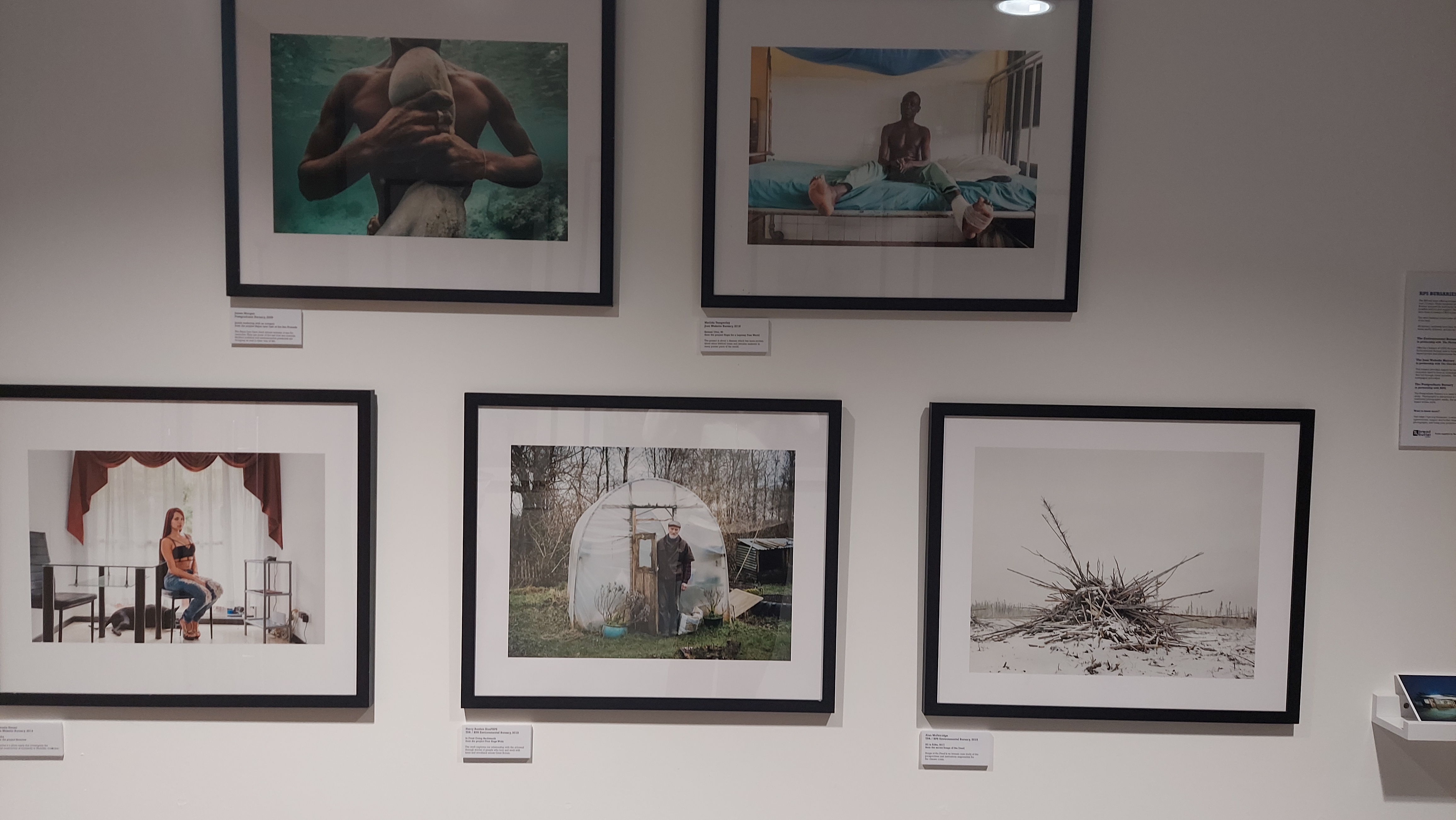
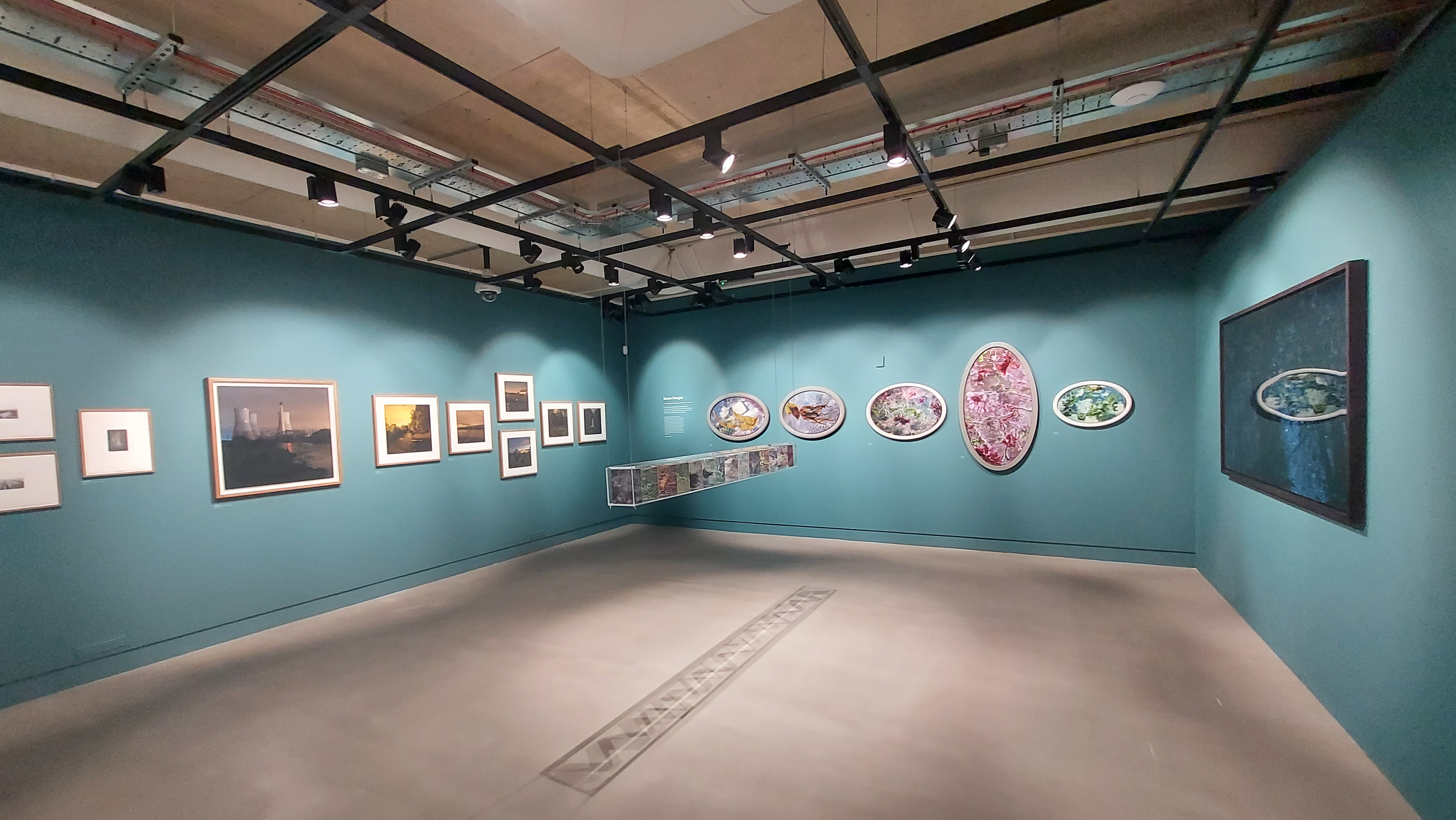
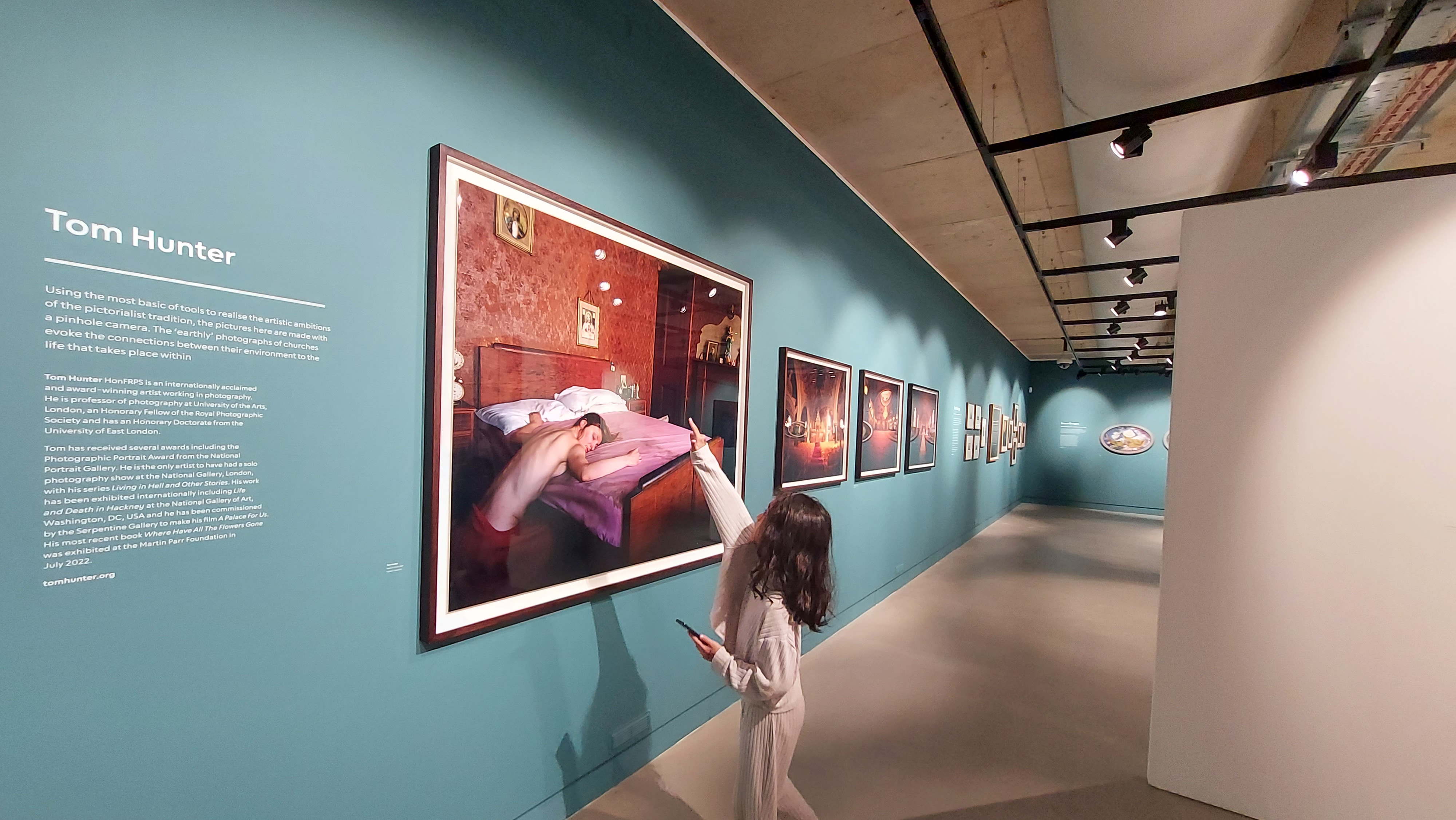
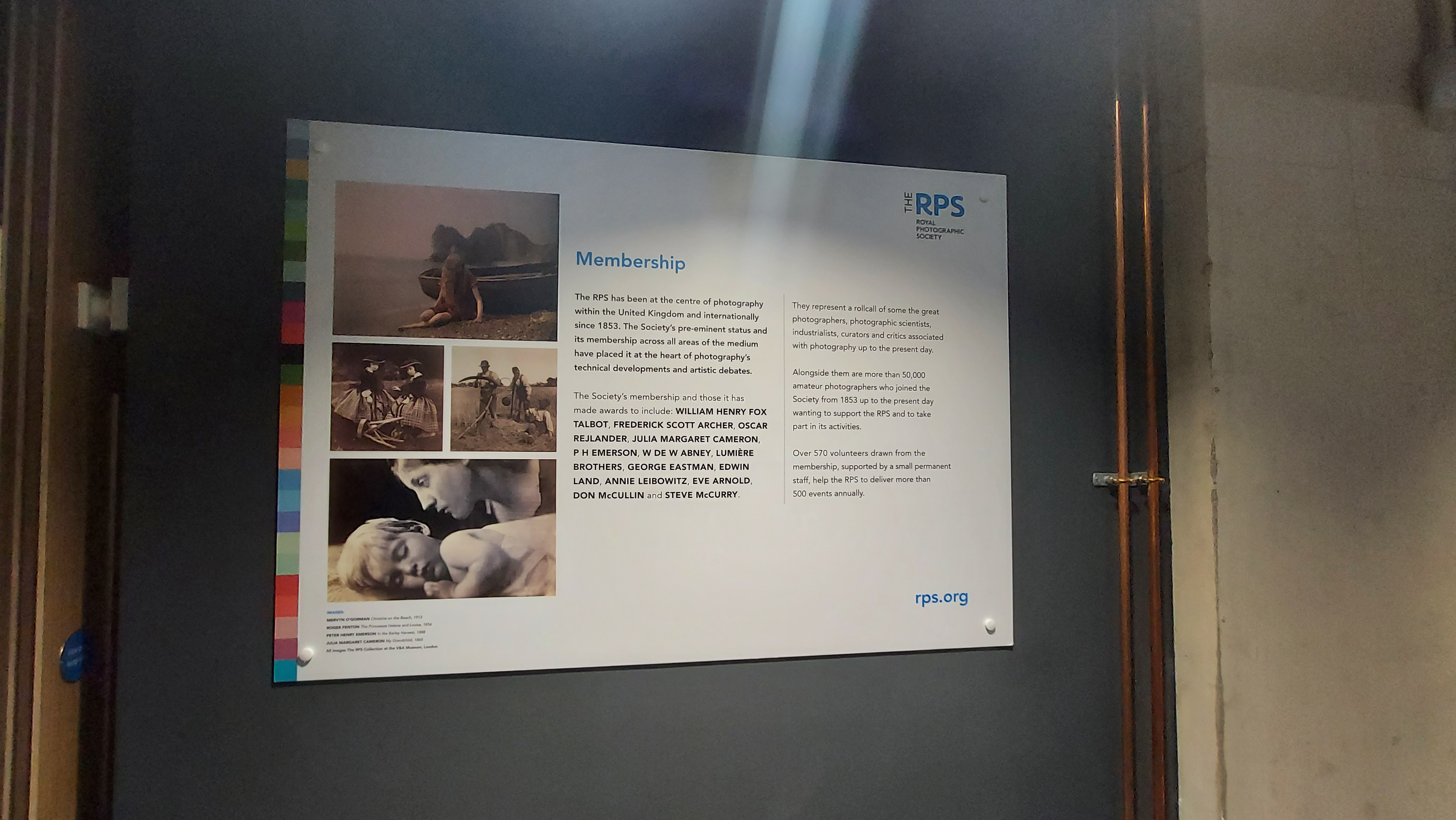

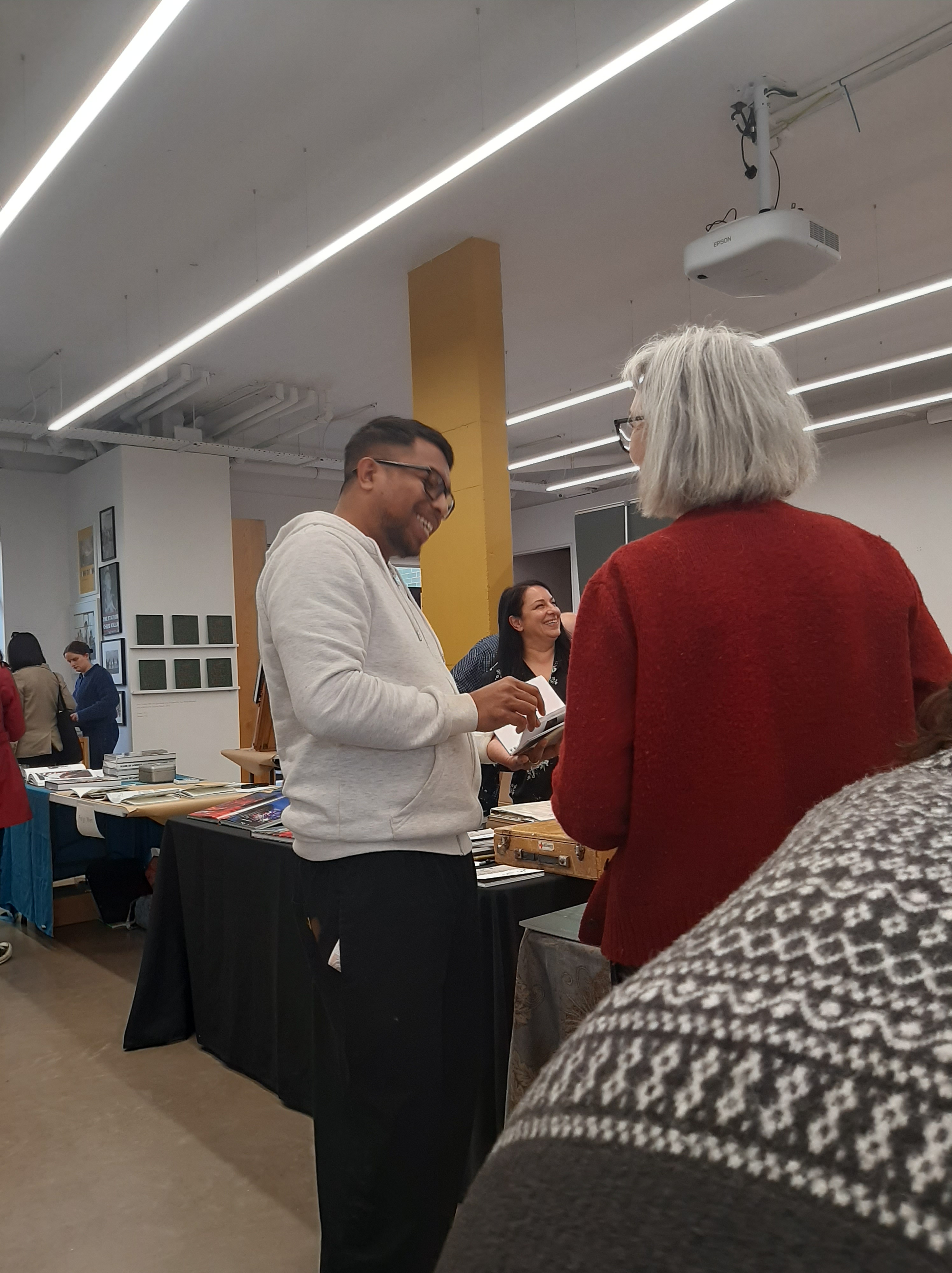
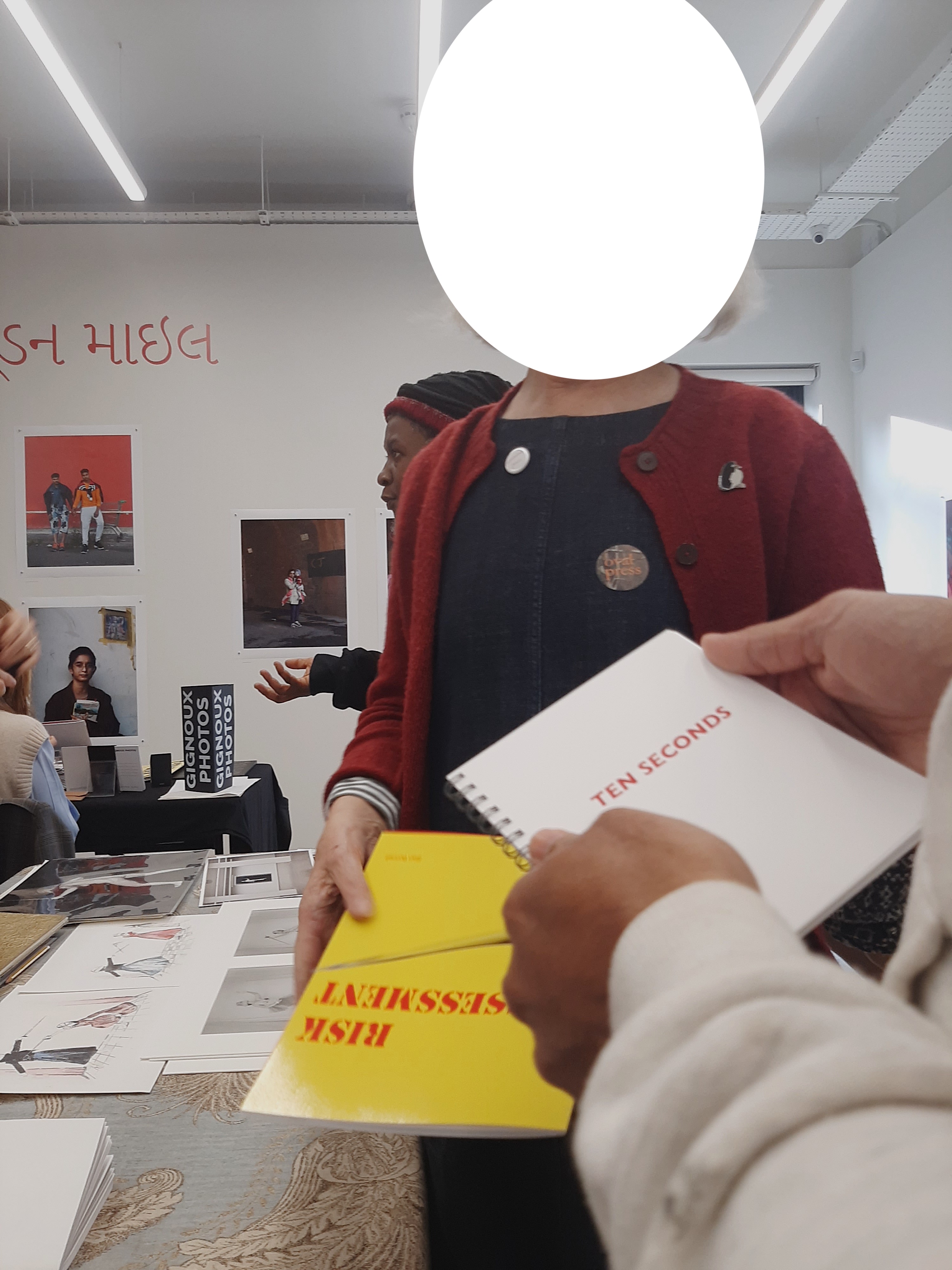
By talking to them and asked a few questions, I felt confidence to bring up my project to the presentation.
With all of that research, I believe my book can be a success and also I can get many references as many as I can for future needed.
PHOTO BOOK REVIEW-The Photo Essay published by A Smithsonian Series
I would like to discuss more about the work of Mary Ellen Mark called The Photo Essay. However, first of all, let’s get to know more about her.
Mary Ellen Mark is an incredible and successful photojournalist, and an artist from America (1940-2015). Through her various publications, exhibitions, and editorial magazine work, MARY ELLEN MARK attained global notoriety. In magazines including LIFE, the New York Times Magazine, the online websites and many more platforms, she published her works, such as photo stories and portraits. She travelled widely for more than decades in order to produce works of art that are incredibly humanistic. She is regarded as one of the most esteemed and significant photographers. In the realm of documentary photography, her pictures of the various civilisations throughout the world have become iconic to the present.
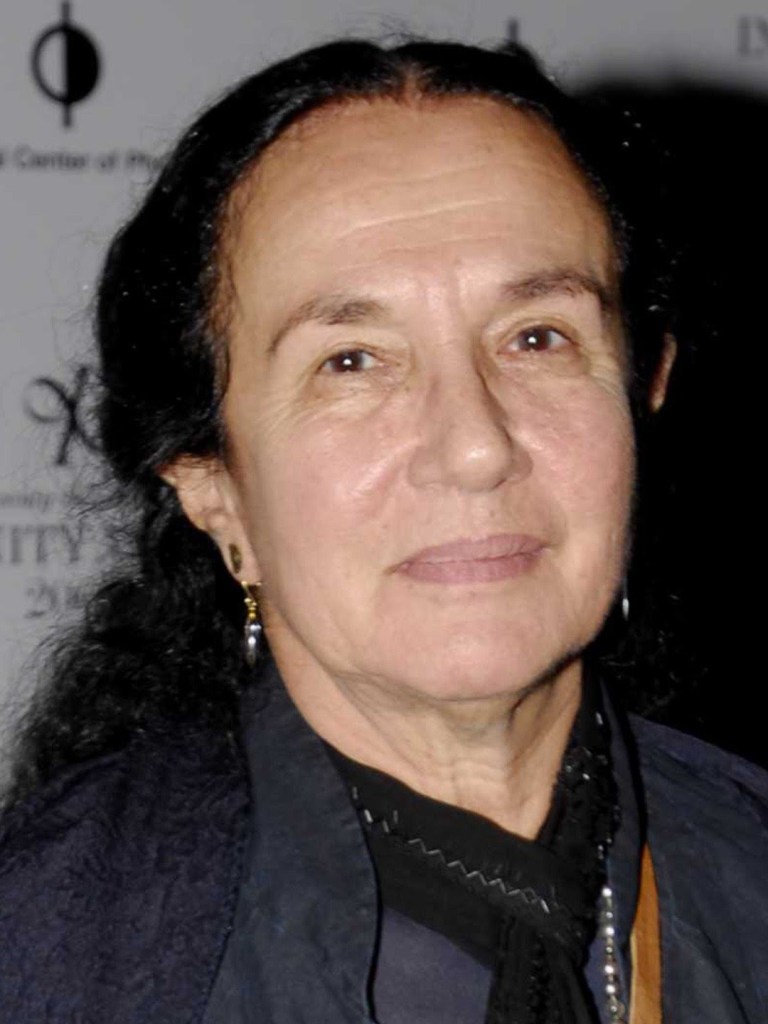
I photograph people in difficult situation-people who have difficult lives-but I never feel threatened by the people I photograph. They have a story to be told. I want to tell; I want to be a voice for the infamous people. Those are the people who interest me. Whatever it’s a guy in Miami Beach who goes to a dance or it’s someone who’s dying in Ethiopia, they’re the infamous people that I care about. I feel a certain purity in them that’s real, and I want to document their lives.-Mary Ellen Mark.
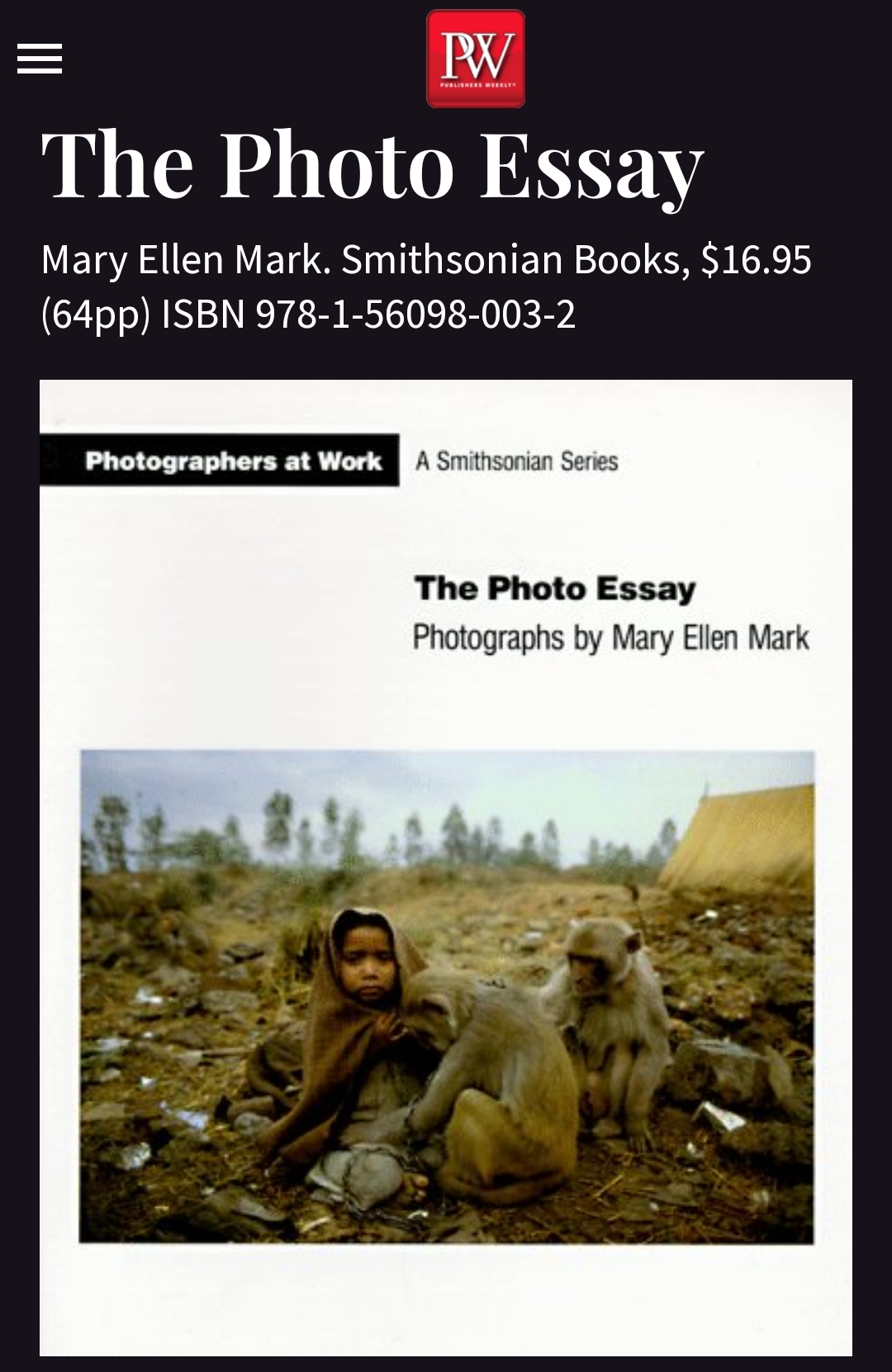
Let’s get into the one of the book that compiled by Smithsonian Institution Press regarding her works in a book called The Photo Essay.
This book is extraordinarily recommended, which we could see the outline of her works and how to interact as a photojournalist. It demonstrates how Mary Ellen Mark find the subjects different socially in real life and managed to photograph with enormous of limitations to capture the story. It’s a contemporary photographer series produced by A Smithsonian Series where we could comprehend how she travelled to India, Zimbabwe, Brazil, Ethiopia, and a few places in America such as Ohio, California with Florida to photograph peoples in low standard of life economically socially and infamously.
Socially, her works are really into the humanism that telling the untold story to empower people in more of awareness the surrounding communities in contextual reality.
In cultural influences, The Photo Essay book compiles the characteristics, beliefs, sexual orientation, ethnicity, language and geographic origin of the subject, including gender, to tell the story of its own contextual life.
The Photo Essay book has an impact historically for people to look at from past and future where people can actually reflect on how humanism develops in a certain situation of life. The book is unique to some people as it is appears surprisingly to audience related to the issue of humanism being exploited by the rules of society from the beginning until now in small minority societies. “There is nothing more extraordinary than reality” –Mary Ellen Mark.
In one of the publishers’s website called publishersweekly.com stated Mary Ellen Mark describes her working process and her commitment to the craft, especially to her subject.
PRODUCTION
How I suggested Luis in my book.
I was on the other side of how to narrate the story while talking to my partner about what kind of story that will heat my project after a first day at college. Simply, I have no clue at that point, as I have done nothing like this before.
The idea of getting Luis out in the book is something that pops up in my mind at the last minute of brainstorming in class group discussions with Alice Dempsey on the second day of college.
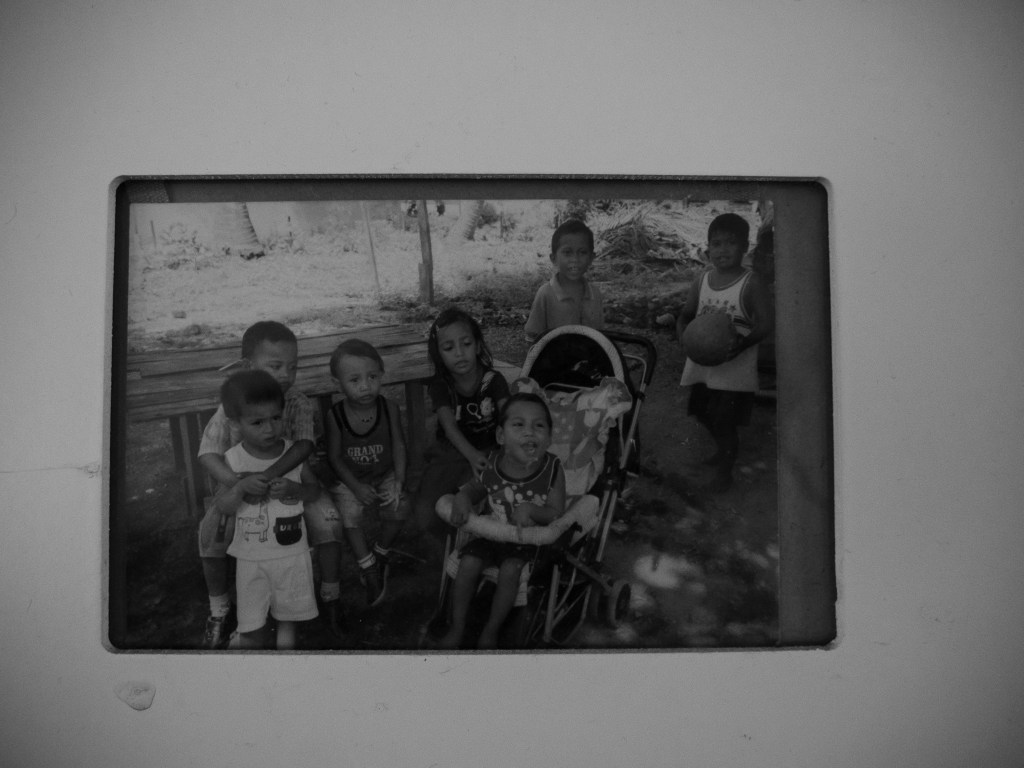
Alice mesmerised me with her work presented to us on the second day, especially with the story of “Born into Silence”. Born into silence is a story that she worked it out during the pandemic with a disabled couple and it is incredibly phenomenal.
I learned how she tells the story based on the real life and condition but still preserves the safety of the couple’s identity. From that, I shared the story with my partner about how amazing to capture real-life story and turn into inspiration by making a photo book. Because if you can sequence the story built upon the event, then you can tell the story only with the pictures putting no words in the picture. “Every Picture tells a story”-Anastasia Hollings.
Second week of college I presented my images that I photographed to Emilie, and she indicated how my images coherent with my proposal after I reviewed and how easy for the reader to comprehend the story. She pointed out a few pictures that were strong and presentable with the story. With that, encouraged me on how I would go with the sequencing the pictures.
I also sent a message to Alice Dempsey about how I should proceed to the next step and how I should approach to the subject. She shared with me was a stunning story about “Looking for Alice” from Sian Davey, 2015. I opened the link, and the story was a shocking inspiration that putting together the pieces of me into a whole intention for my project.
Considering this work is my first time and as I mentioned, this is into the unknown for me. I absorbed lots of guides from mike, Alice and Emilie Williams during the preparation for this project.
Finally, the idea of getting Luis into my book, I managed how to expose Luis’s daily life as “A Happy Boy with Cerebral Palsy”.
Planning
When I wrote the proposal, I was not on point about how I should narrate the story and how to guide the reader to focus on my goal. The story was cloudy as I described two characters Luis and Sandra (the boy’s mum) on the same spot instead of focus only the boy (Luis). And then I remember Mike on the first-time group discussion stated, “Keep it simple”, I briefly realised my story is baffling and I think I must go back to narrow the story for reader so I can get to point out why I wrote about this story.
- Preparing the gear
I only shoot with Lumix GH5 and 12-60mm f/2.8. these are the gear that I am using to shoot the entire project. The reason I shot with 12-60mm f/2.8 is because it gives me flexibility to move around indoors and serves me fast enough to zoom out or in when I needed to capture a moment that we are required to act quick.
- Notify Luis’s Parent
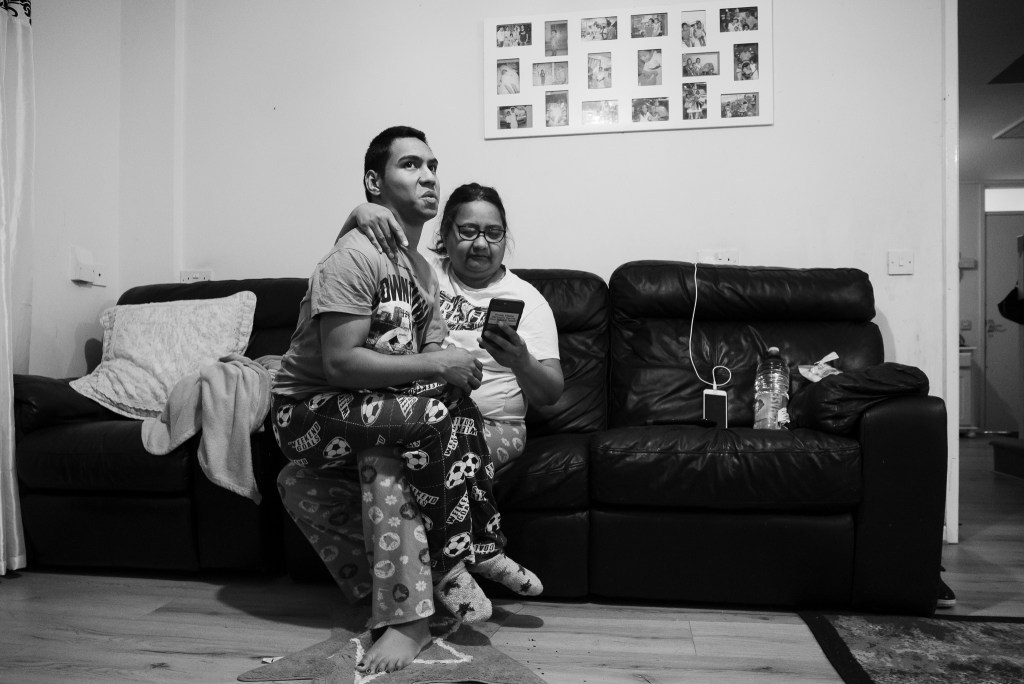
After deciding Luis is the one I will write about, I called Sandra in the second week of college to discuss with her about I would like to create a project about her son. I explained the story, and I also deliberated with her about how Luis’s daily life is, how is Luis’s health and all basic concerns are. She literally was in tears because she felt so honour and proud with his son that Luis gets to inspire others. So, she allowed me to stay with them as I proposed and take all the pictures I needed for the project. Discovered her reaction that way, I knew I get to experience how Luis was getting along with his routines for this project.
- Referencing
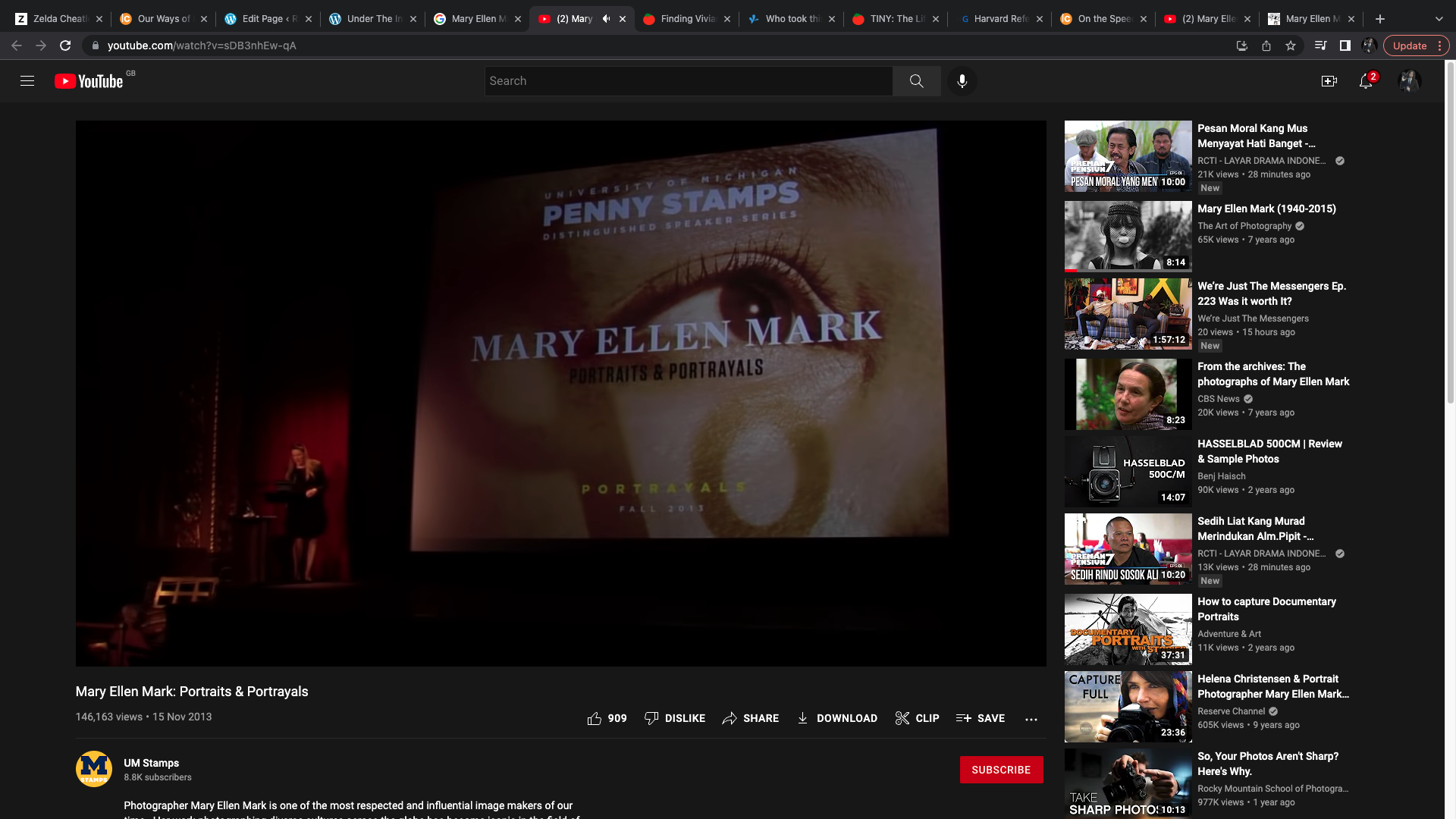
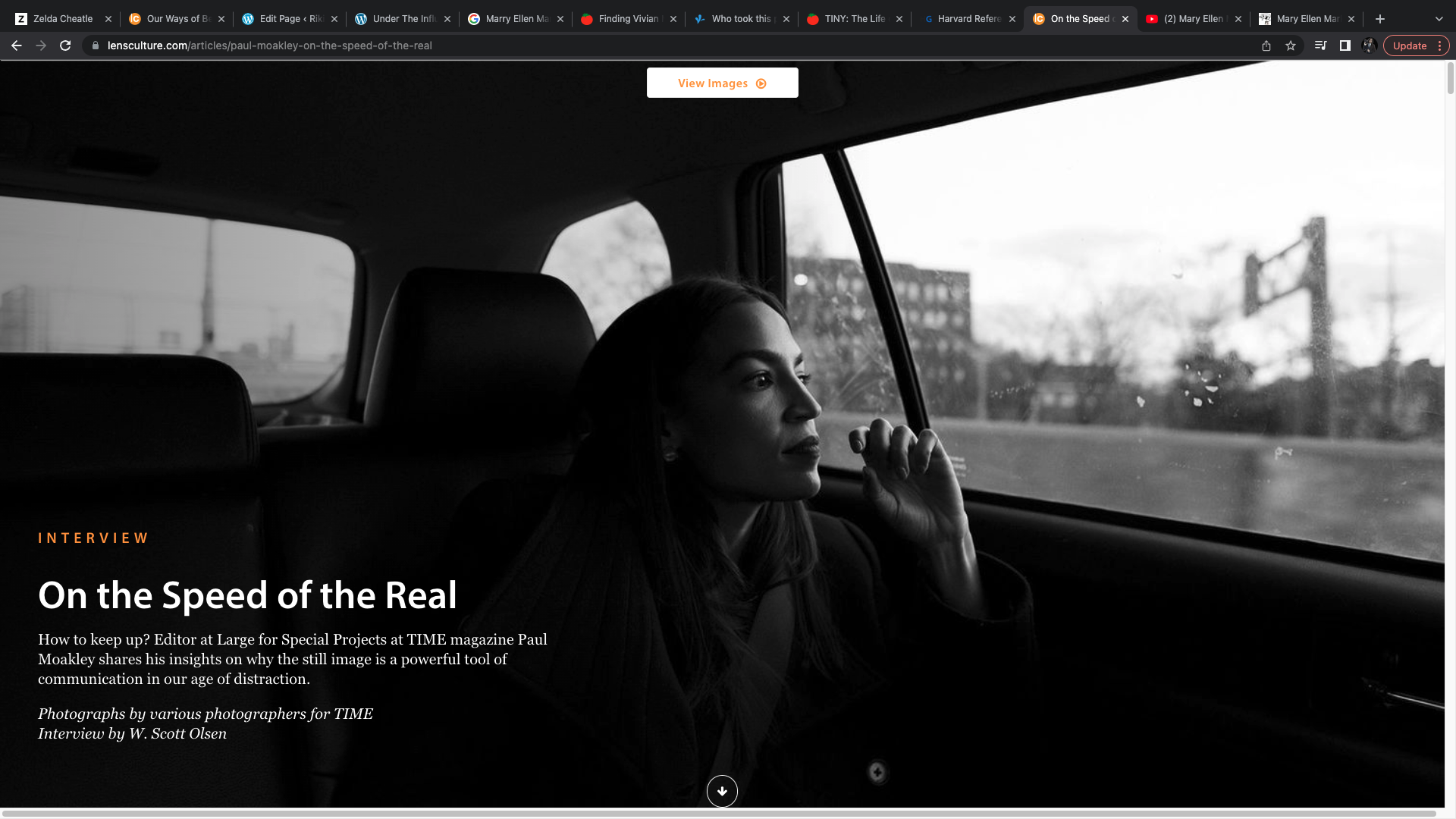
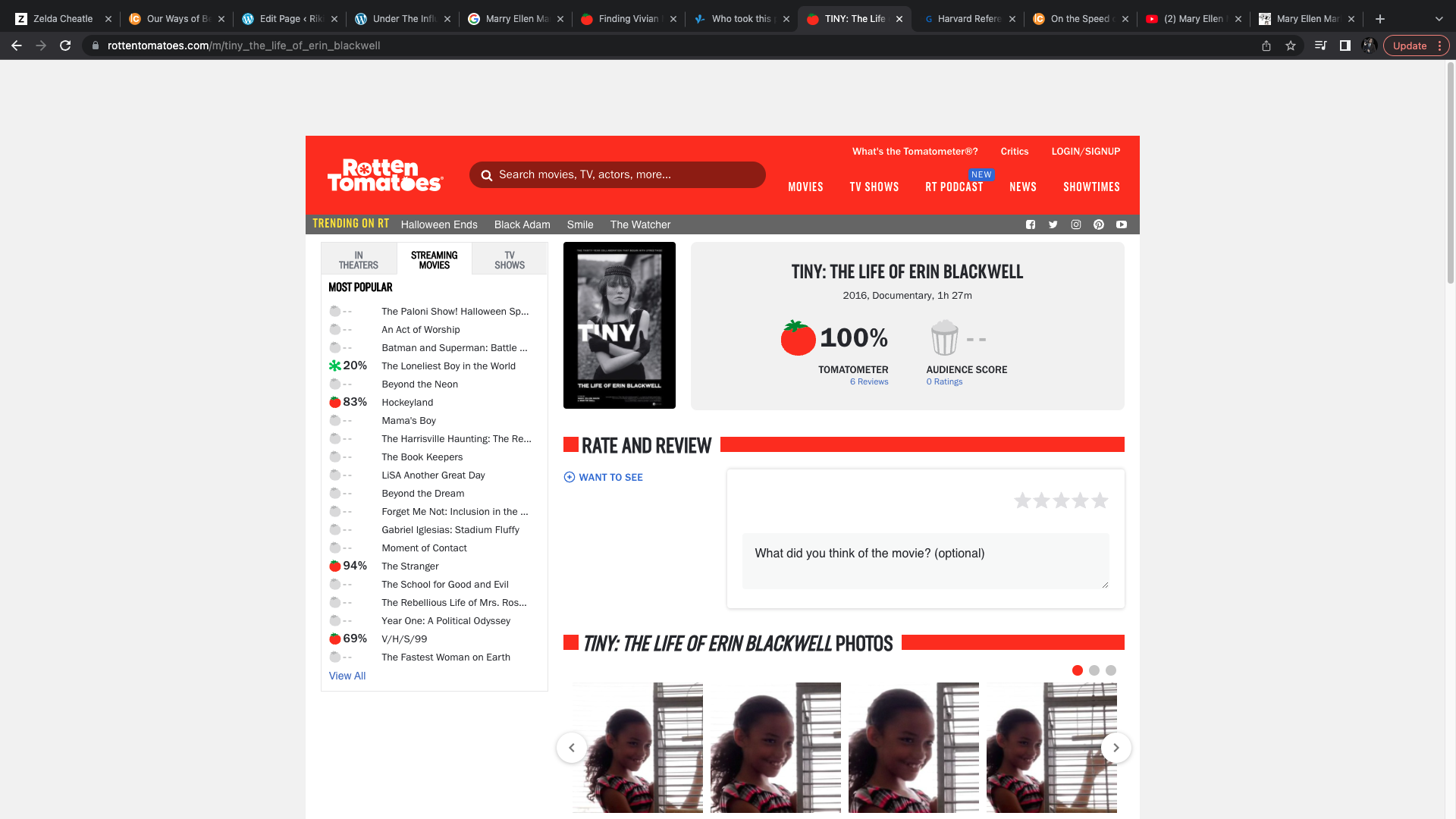

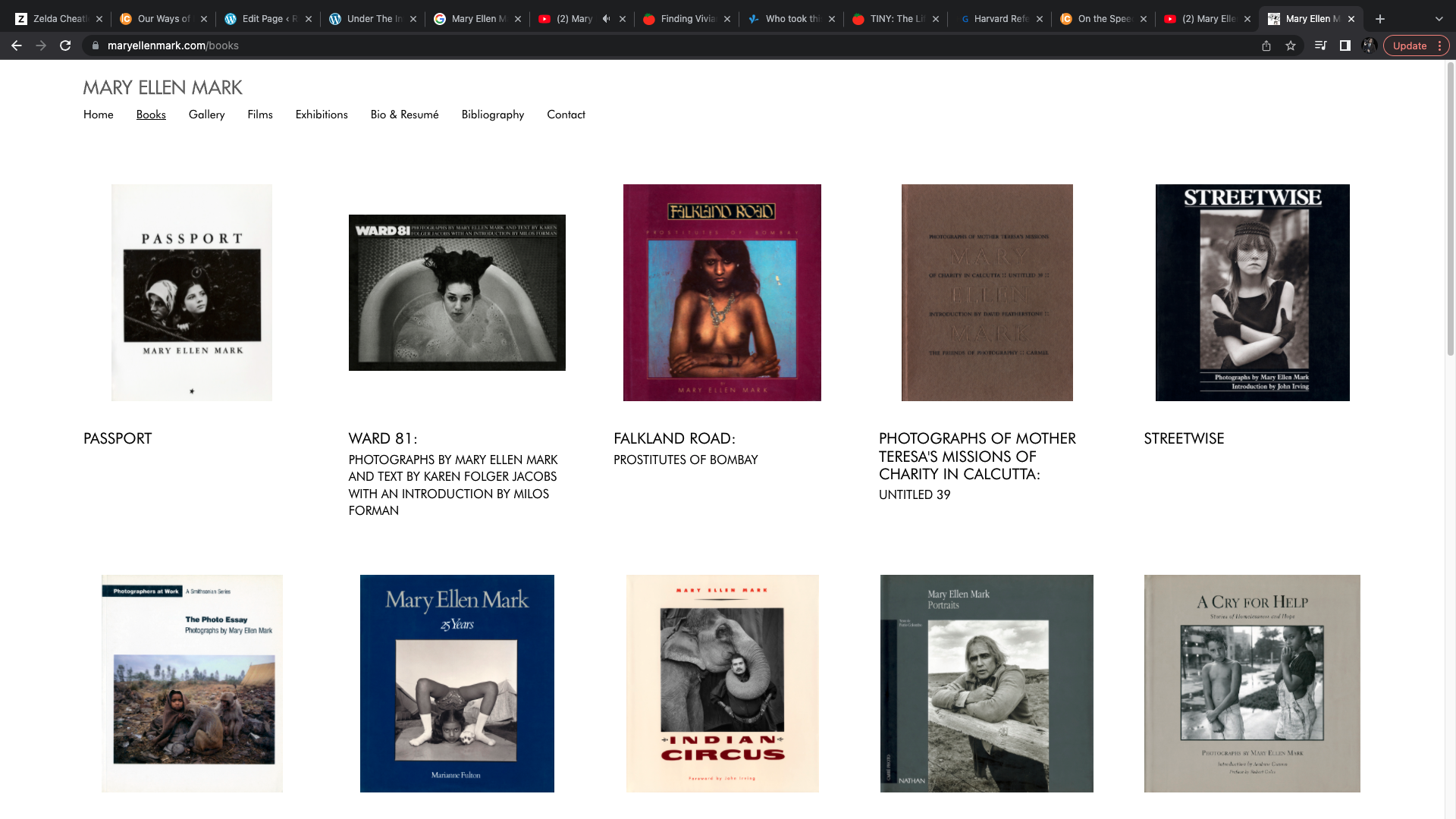
I reference my project from trusted online website such as Lens Culture, British Journal Photography, Mary Ellen Mark, Alice Dempsey, and many more around the globe that I can access to get my project done. All my references listed in my bibliography.
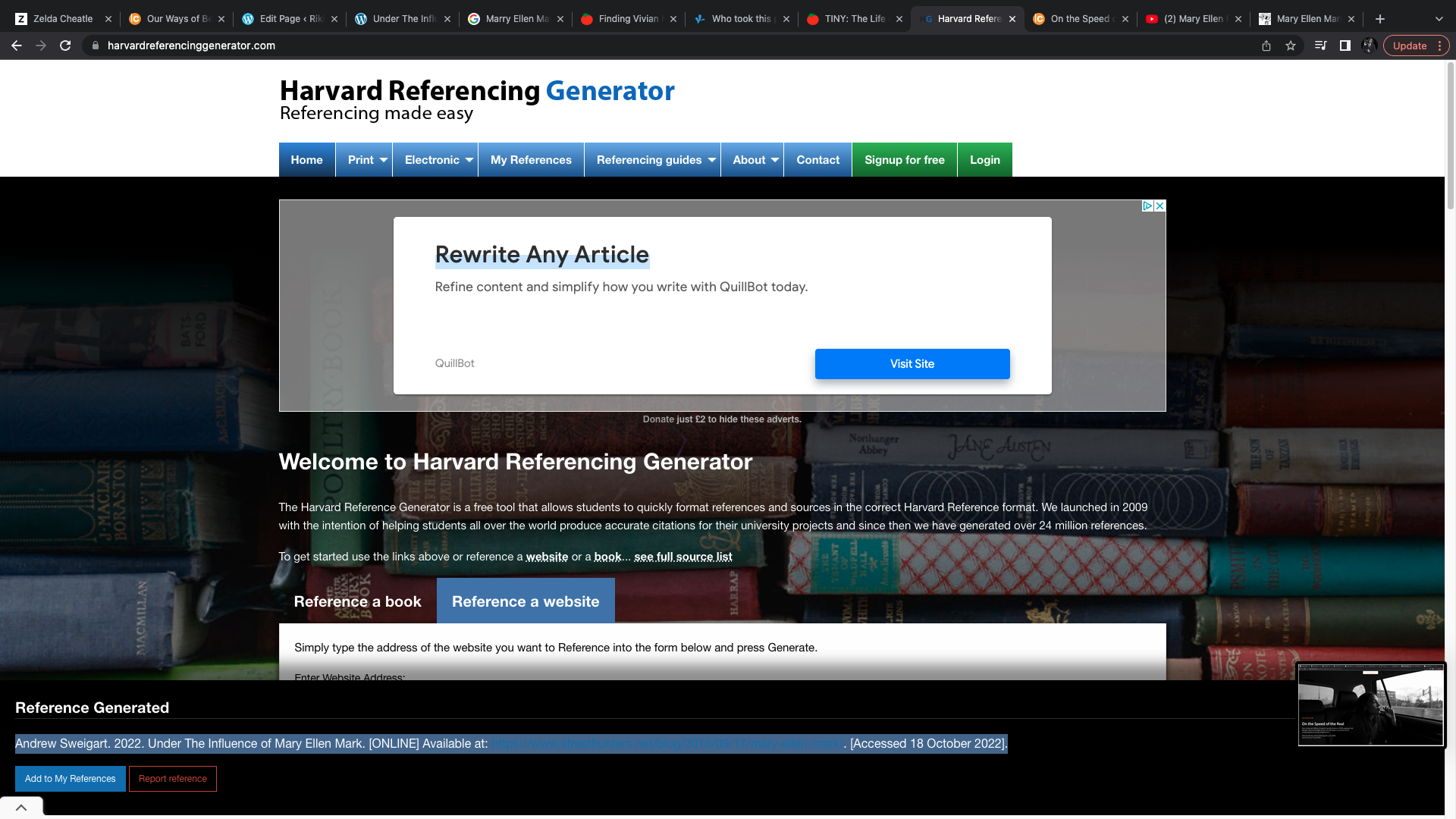
I use Harvard Referencing to generate all my website references. Harvard Reference Generator helps us saved all the reference required immediately to bibliography section.
Implementation
- The photographed moment
This is where I stay with them and really take into my account regarding Luis’s health. I was with them only indoor activities; we did not have time to spend time outside as Luis’s health was not too good at that time. I have done some research about this regarding people with cerebral palsy condition; based on the health department recommendation for cerebral palsy condition needs to always stay fit most of the time to avoid unnecessary anxiety.
By the time I arrived there, I shot straight away with my Lumix GH5 and 12-60mm f/2.8 lens with no scene setup as I wanted it to look natural as daily life with no flashlight or speedlight.
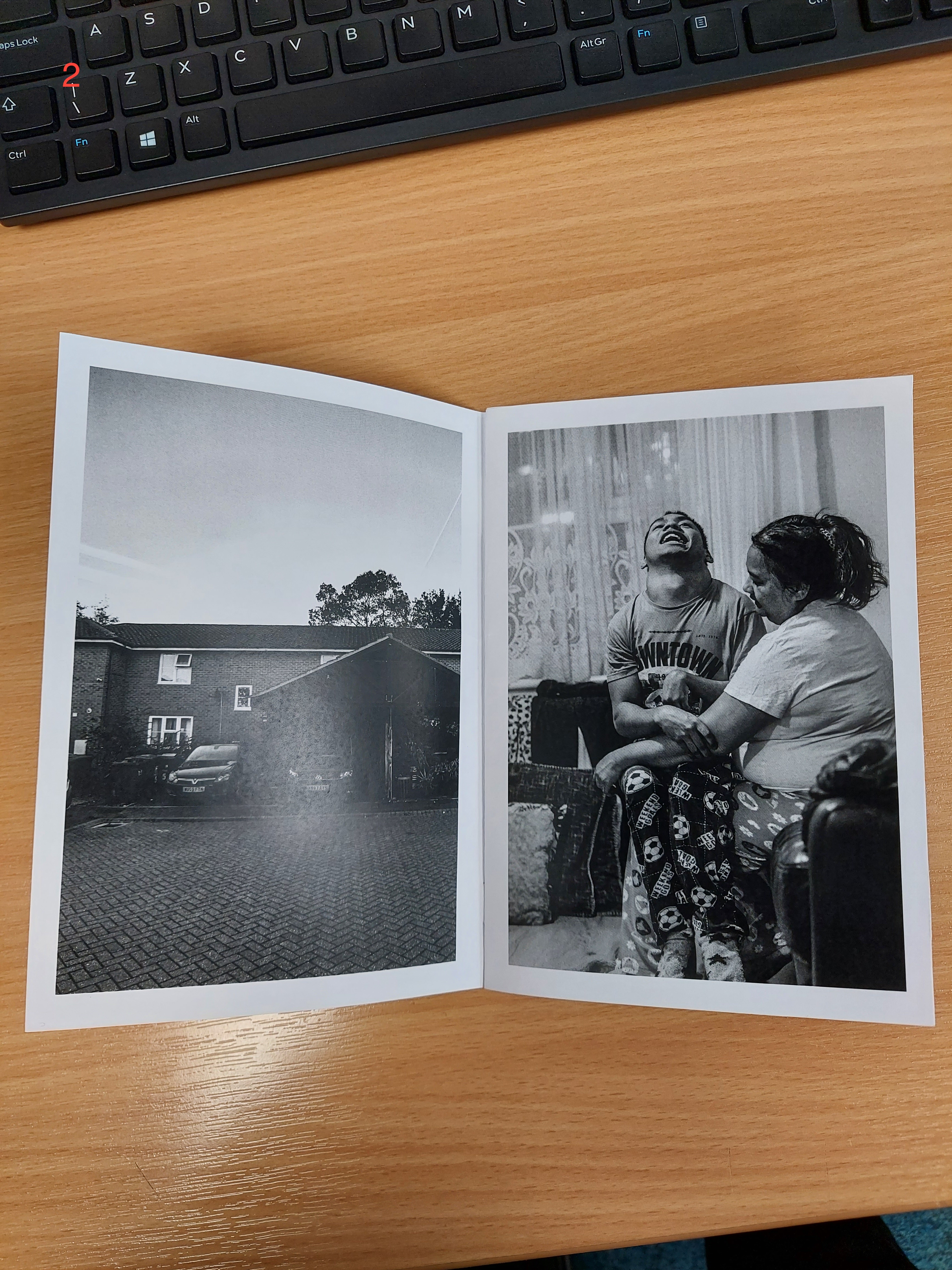
Most of the time Luis is always being Luis that is known to local as “A happy Boy”. He constantly smiles, giggles and laughs. I was lucky because I accomplished to capture his happiness moment in his house.
I stayed with them; I cocked for them, well, to his mum. So, I can get a conversation about Luis. I remained actively communicate with Luis’s mum to every aspect of their life as details as possible to reveal the body of story itself.
I always carry my camera while having the conversation only because I can capture the moment as soon as possible whenever I saw Luis’s reaction to surrounding.
The way I photographed was with an electronic screen live view. I did that over and over to not to distract Luis’s attention instead of lifting the camera to my eyes whilst having conversation.
- Process the images
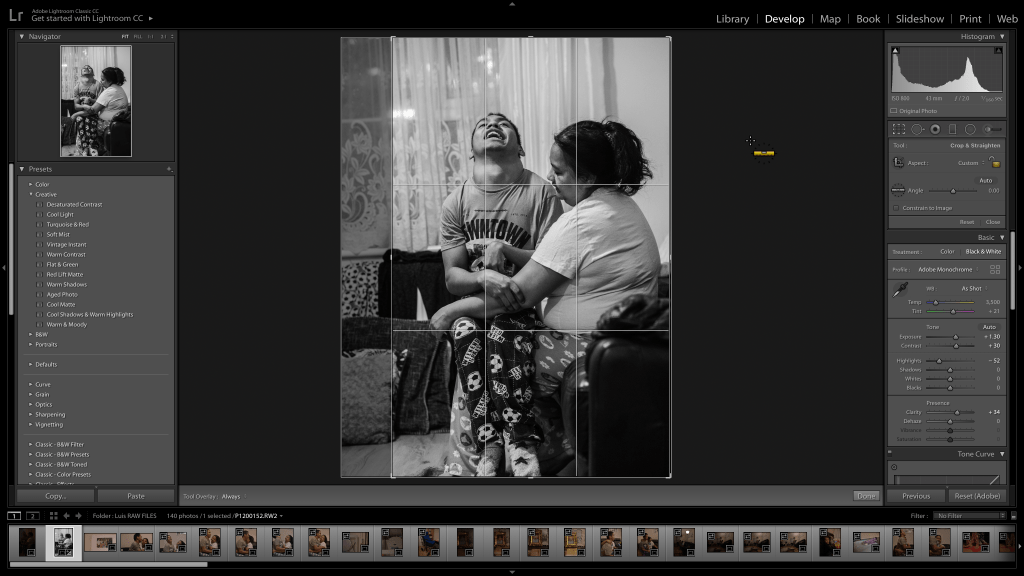
I selected all my images with lightroom classic that I succeeded from Luis’s photoshoot. But after time to time and reviewing, I ran out ideas on how to find the perfect colour for this kind of project. I researched on every online photography website and social media to discover the perfect colour for the images. I discovered Iva Zimova from the Czech Republic. She photographed a young man with cerebral palsy that succeeded degree level education in Black and white colour. So, I decided two colours for my project were moody faded colour and black and white colour.
- Contact sheet (Adobe Bridge)
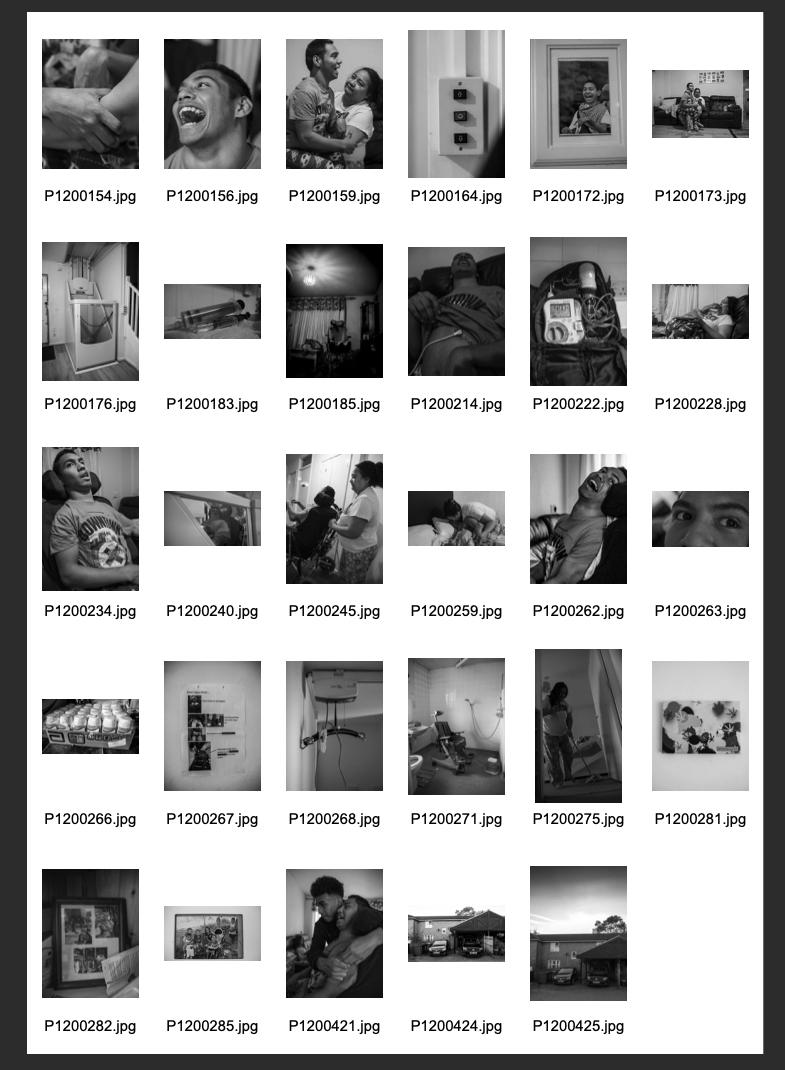
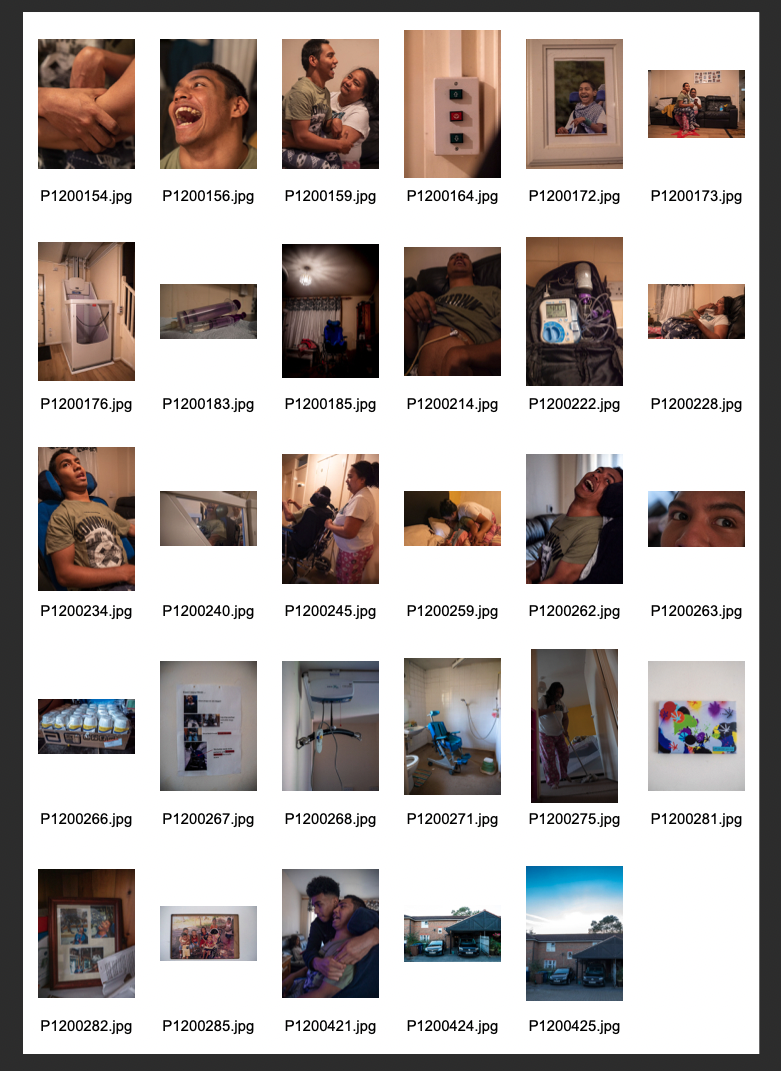
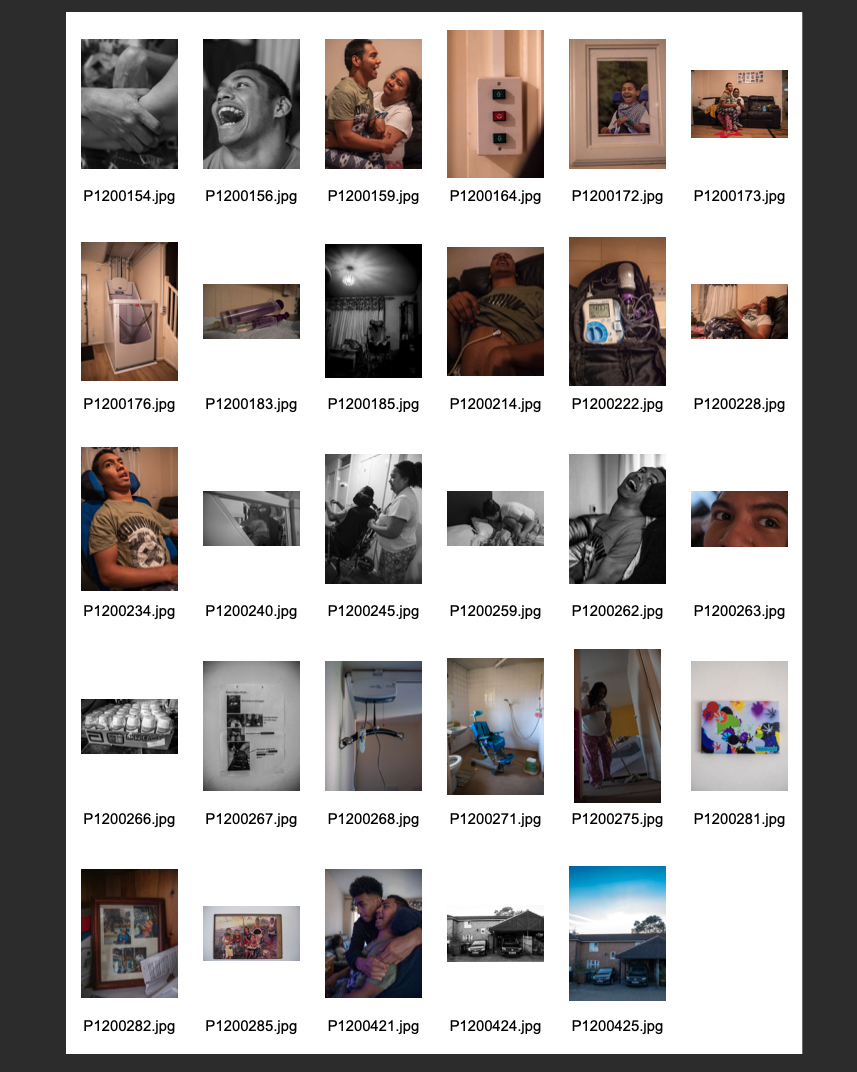
I photographed 217 images to produce this 8 pages photo book. I selected only those images that represent the powerful side of the story to sequence Luis’s life. When I process through the contact sheet, I have also provided in three versions of colour. I have the B&W version, colour version and Black & White mixed with colour version.
- Creating the book’s front cover and back cover.
I have no experience with Adobe InDesign at all. However, the project must design with the InDesign because this is the proper software that is prepared from college for many work that related to pages to pages.
From the zine sample that created by Mike, I experimented with it and the appearance like CorelDRAW and Photoshop.
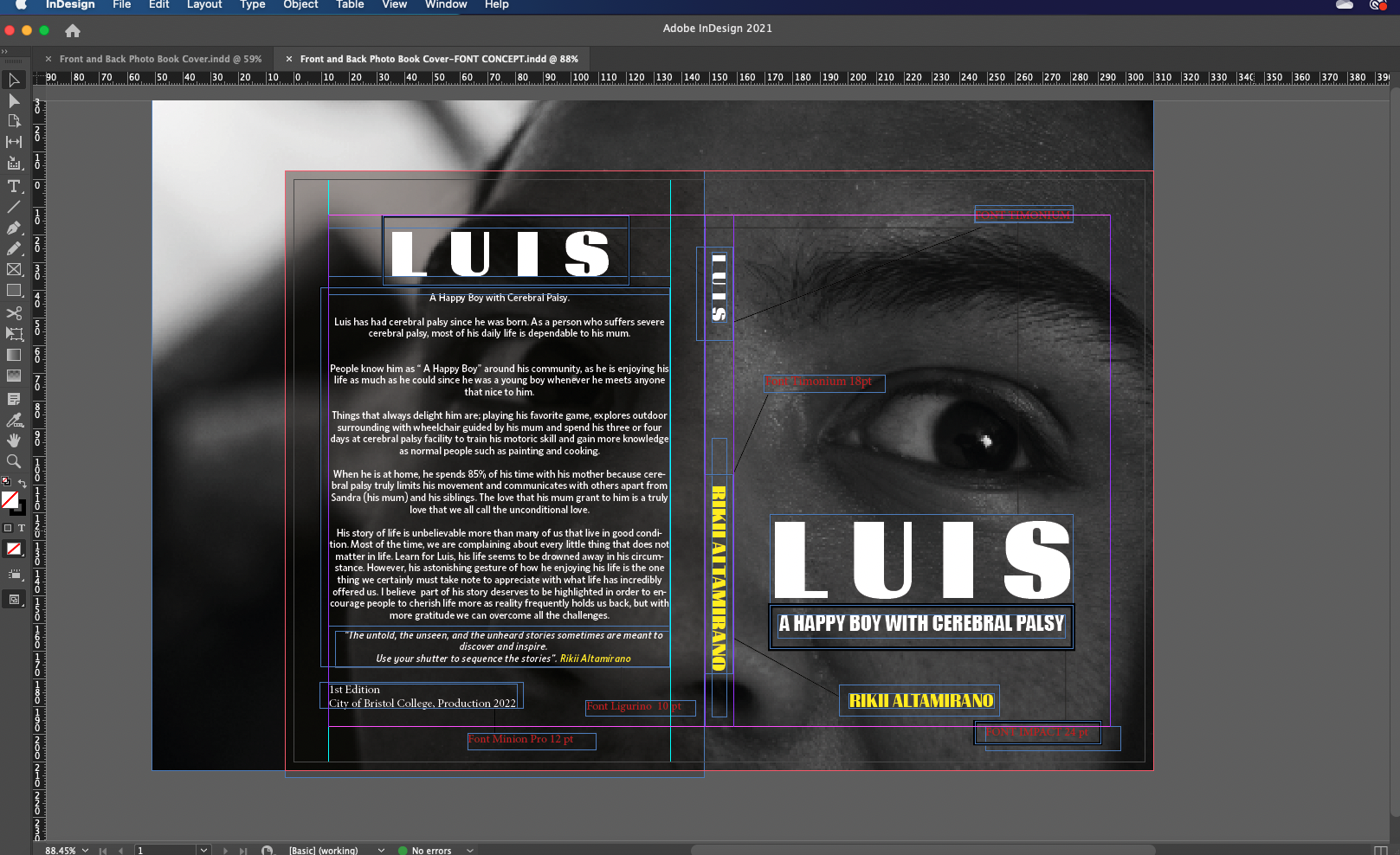
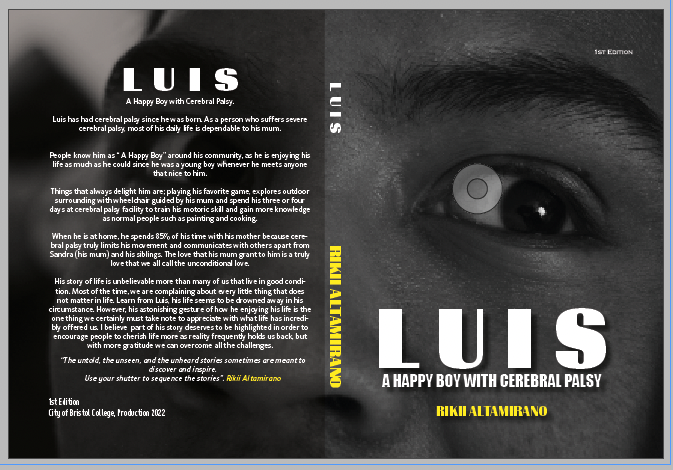
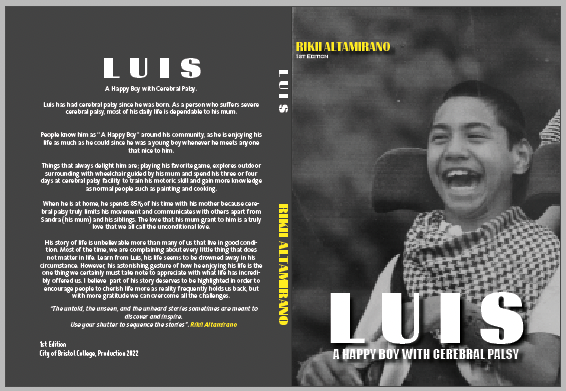
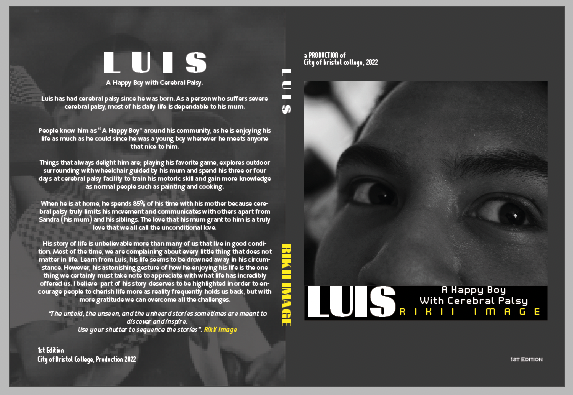
There are 3 version of covers that I have created, but I had not decided it yet as I must request more guided from my lectures regarding design. I stored all the design’s information, including all the fonts into the college’s oneDrive and opened in the next session with mike to decide it.
Sampling
- Redo the images processing
As I need to prepare contact sheet and sequencing the images to fit the 12 pages photo book story. I must reprocess all the raw images again to get the quality from the pictures because the photos need to be clean, sharp and clear to print on the paper. The software that I used was Adobe Raw Photoshop to adjust the colour tone and Adobe Bridge to create the contact sheet.
- Printing the sample
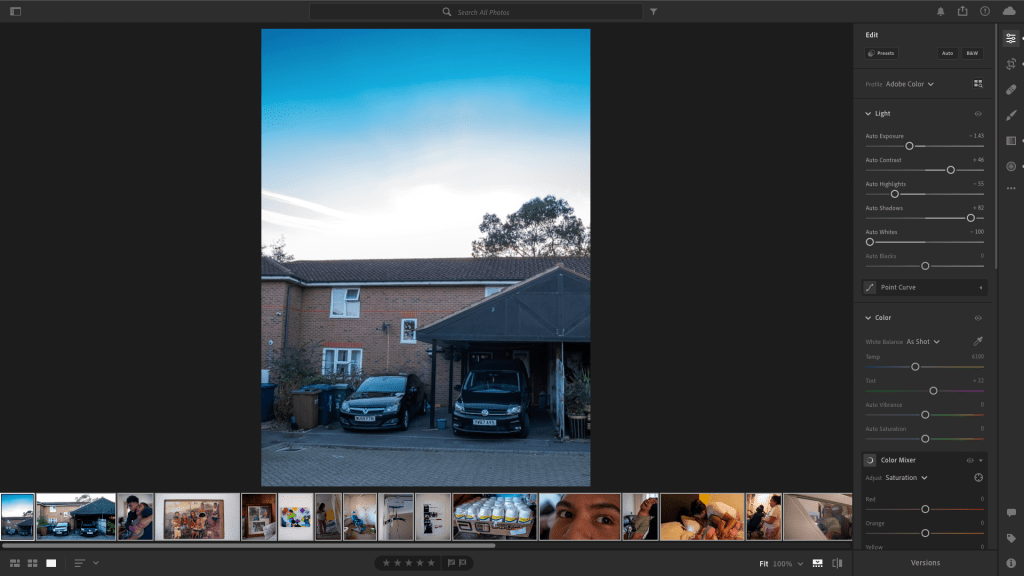
I was with Mike to walk me through all the possibilities, and we noticed I cannot present the images with colour as I captured some pictures at night where lots of noise, colour fringing and chromatic aberration involved in the images. We are left with the only option to go with black and white option.
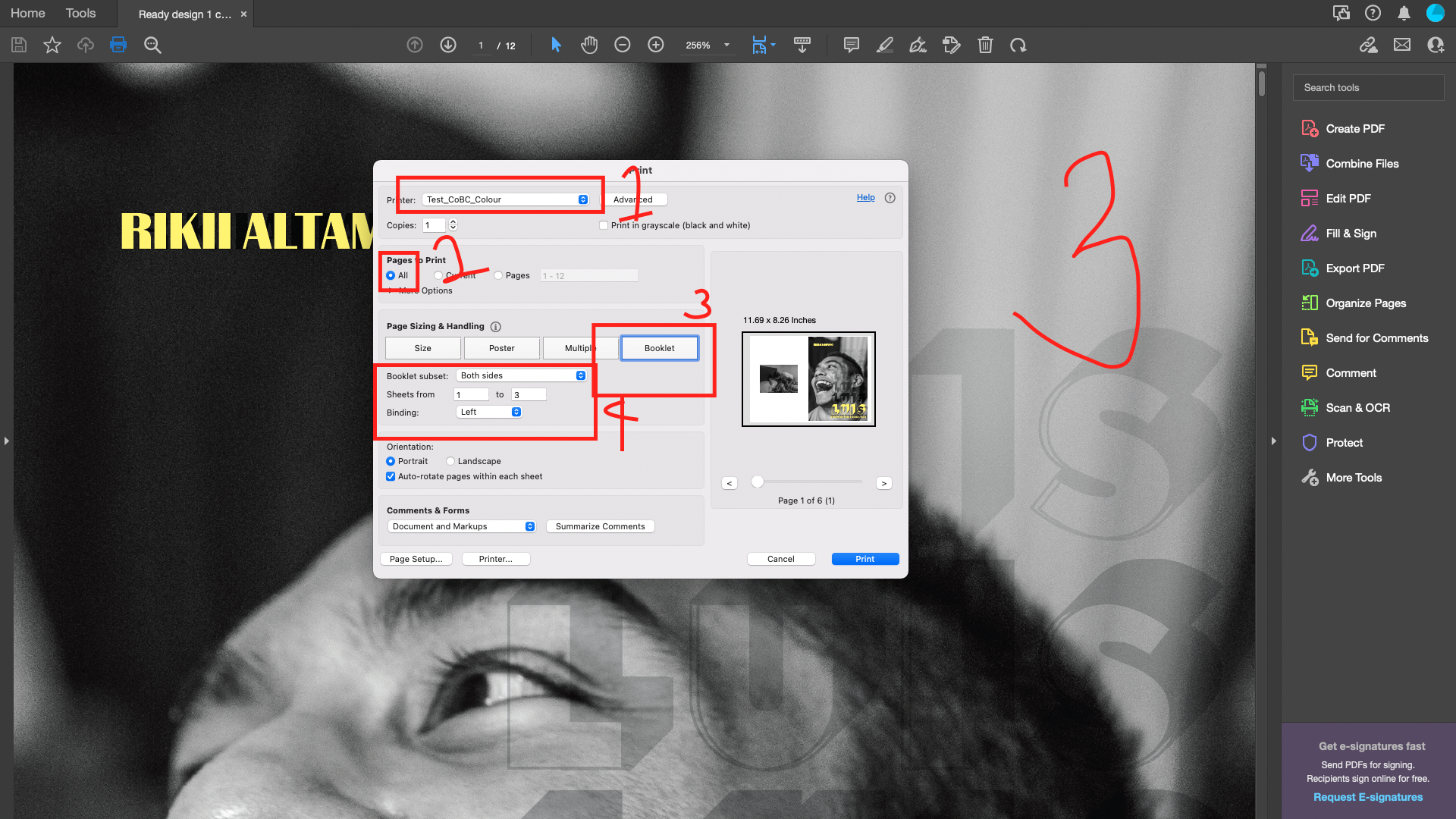
We printed the images accordingly as layout inside InDesign. The process was Layout all images on the 12 pages, saved as PDF, open it with Adobe reader and press print, select booklet, all pages, select print machine, hit enter on the print.
Final Process
- Reposition the layout and Re-designed the Title
I am on the edge of finishing this book. However, I have found some issues in this photo book sample.
I have repositioned the title graphic a little more to the right side edge of the book so I can add more some effect to represent the story from the graphic title.
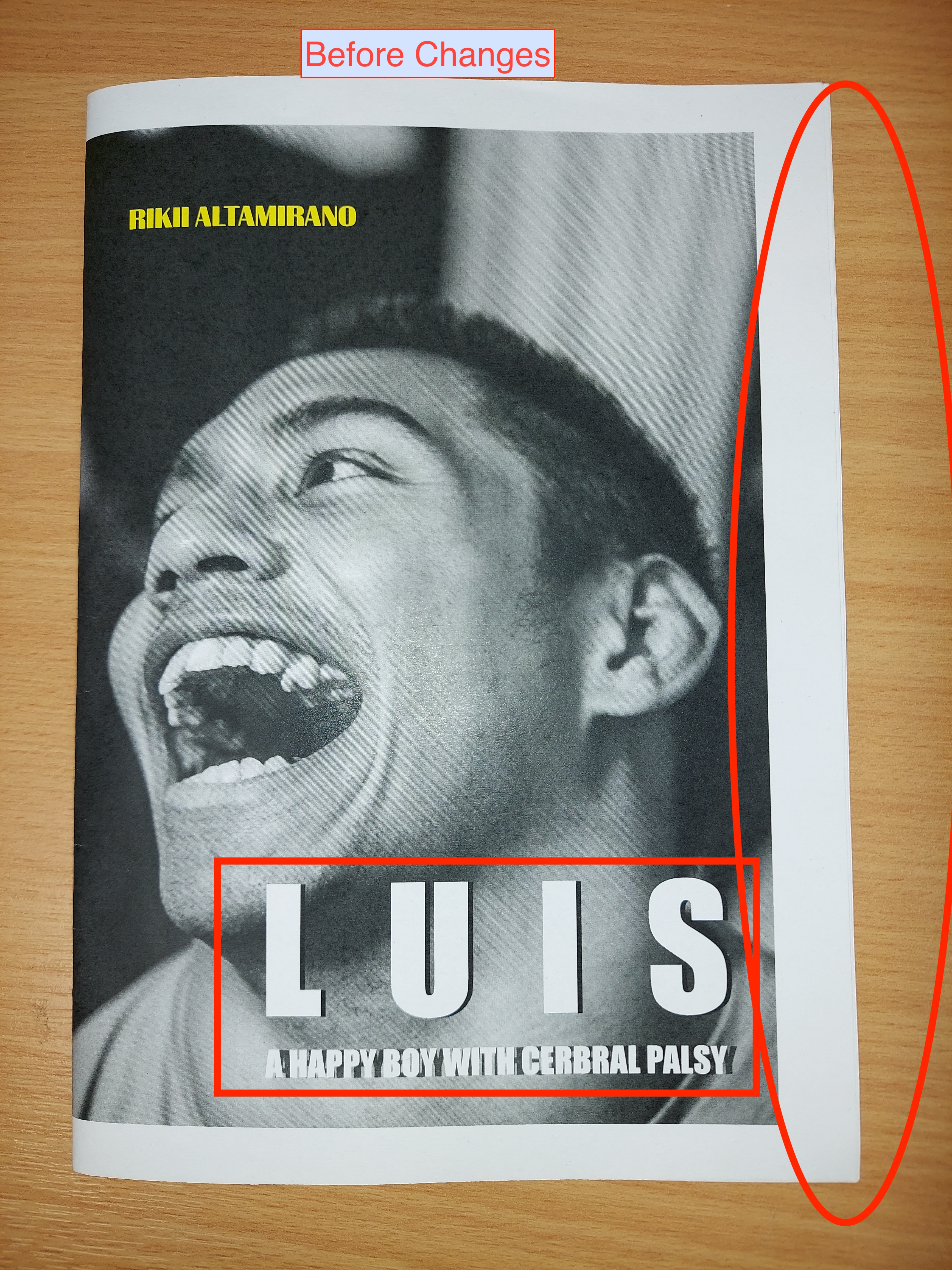
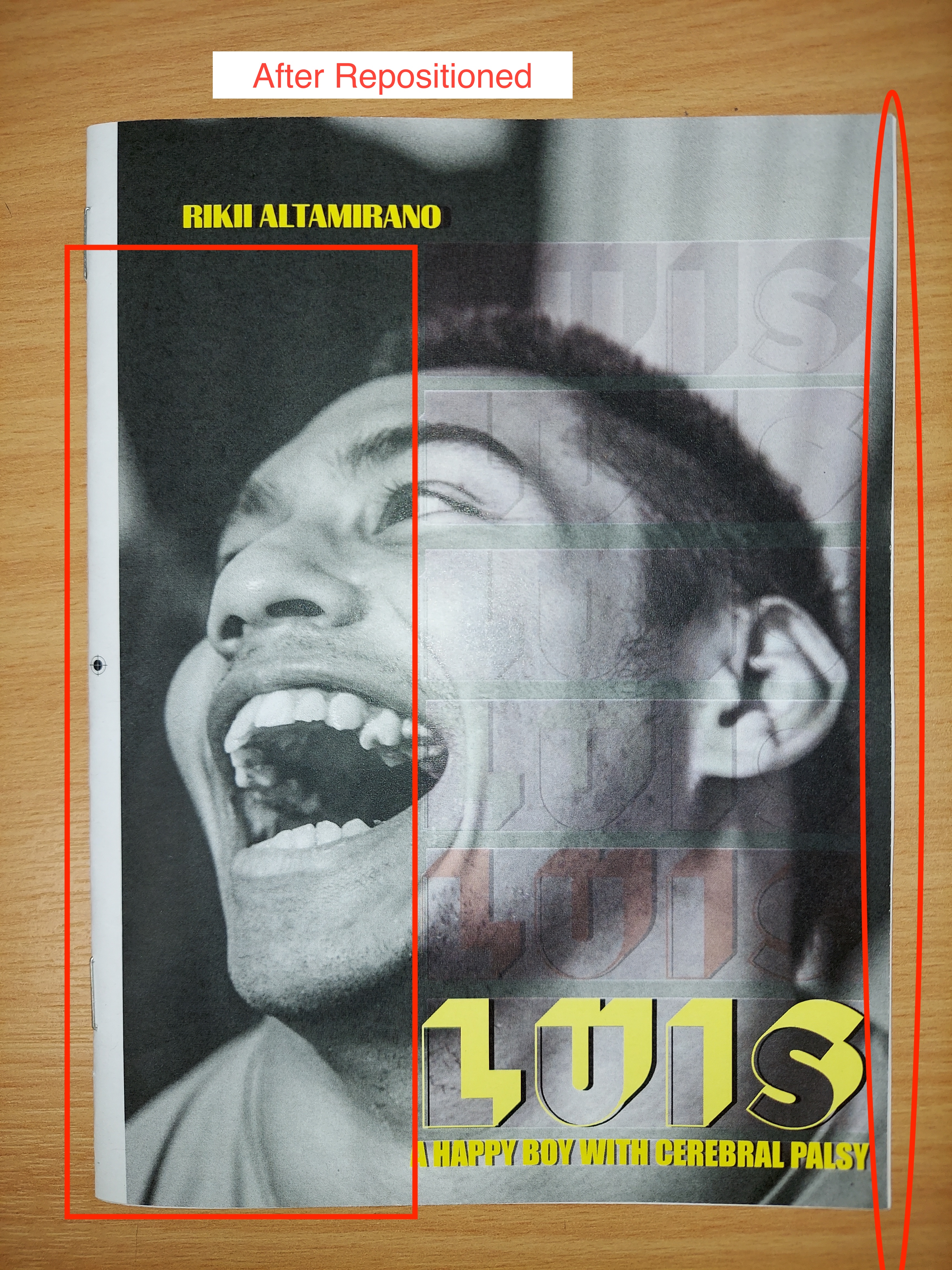
Those changes I have made, gives me more story to tell just by looking at the cover picture and the title of the book. I created a symbol in the title of Luis’s life.
As I am excited about absorbing new things every day, because my aim is to be a professional and an expert in my accomplishment as a photographer. Finally, I have made a slight change with my photo book cover by observing every possibility that I can explore to get it better than previously did .
- Printing Session
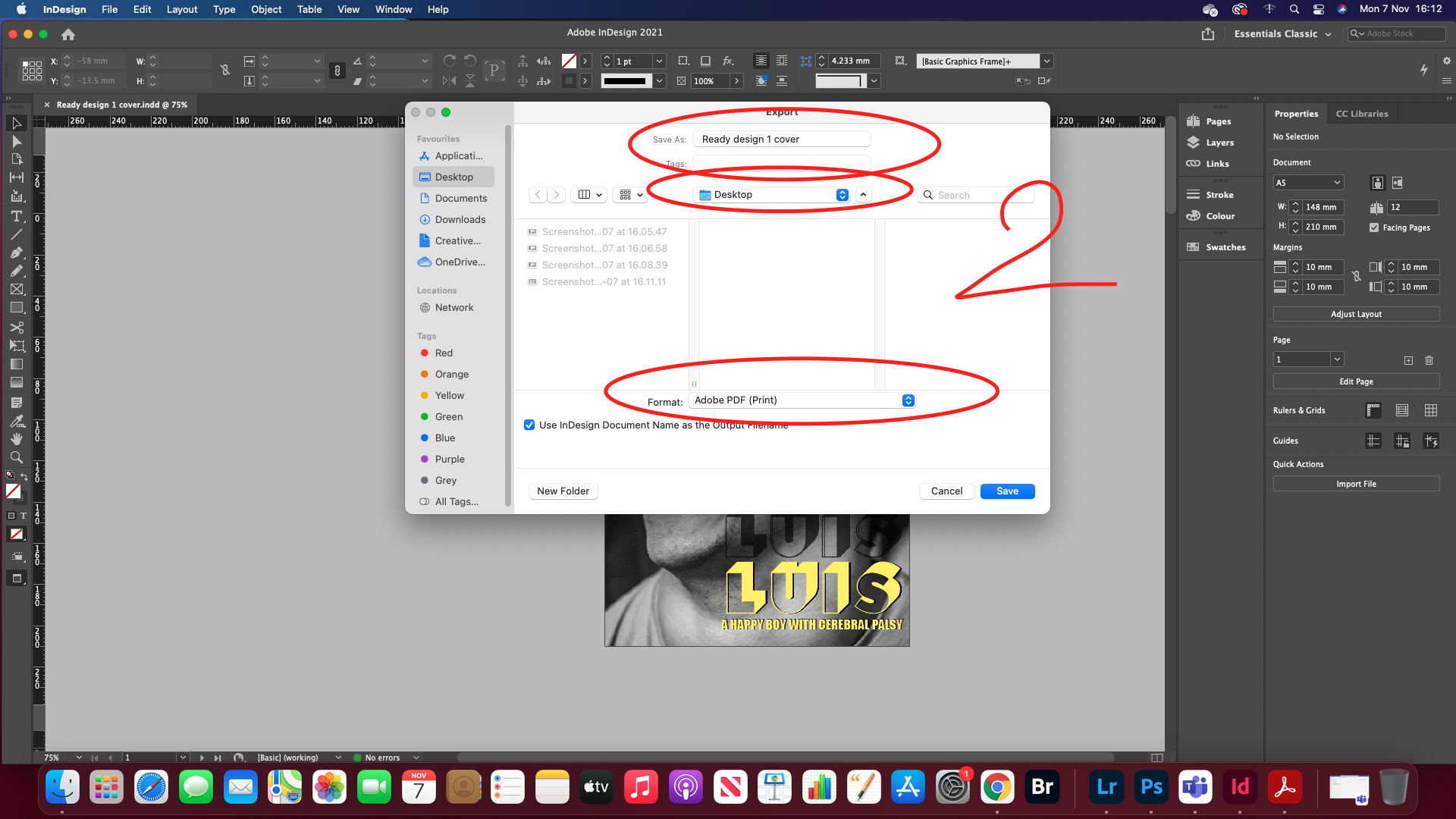
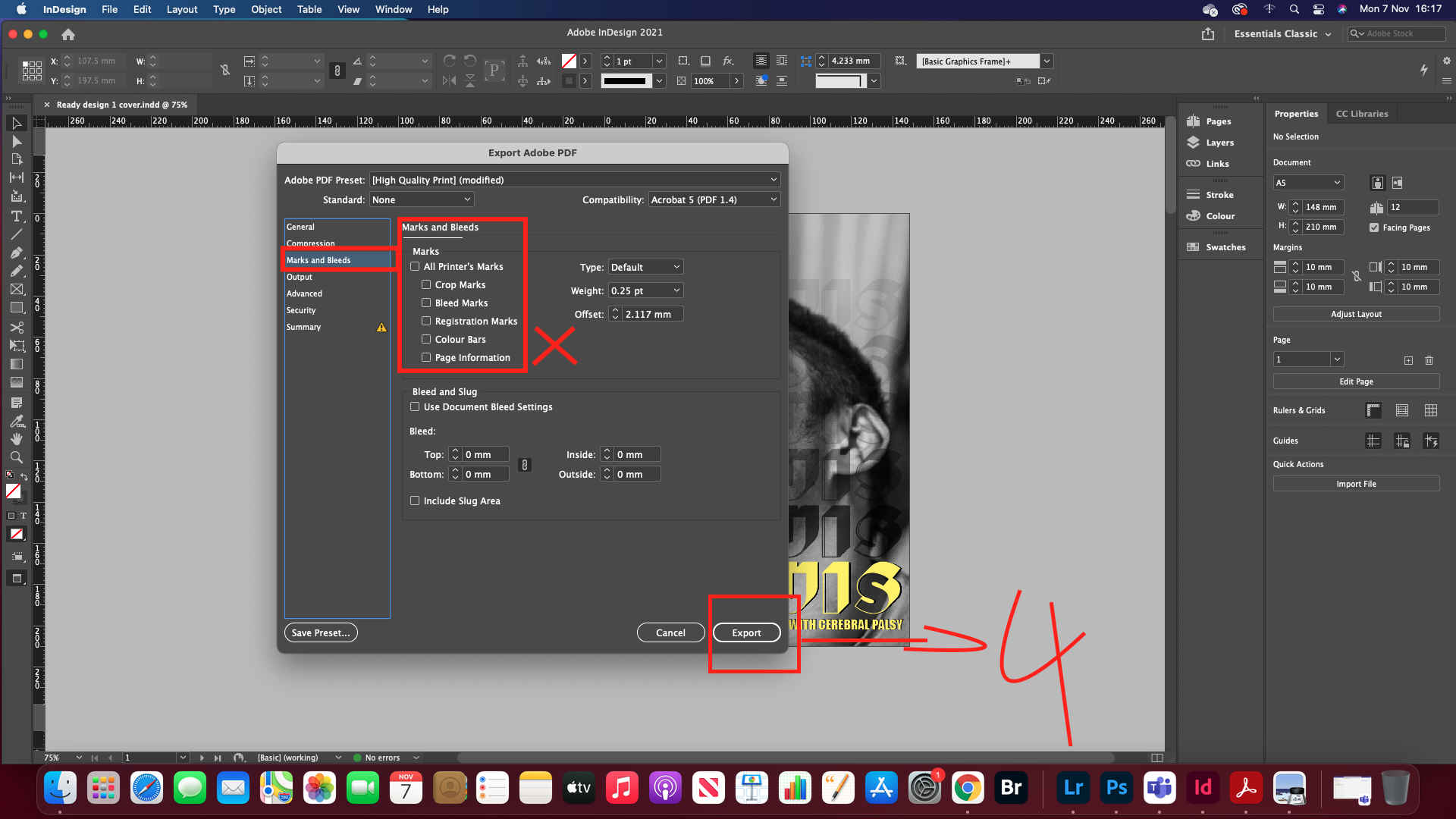
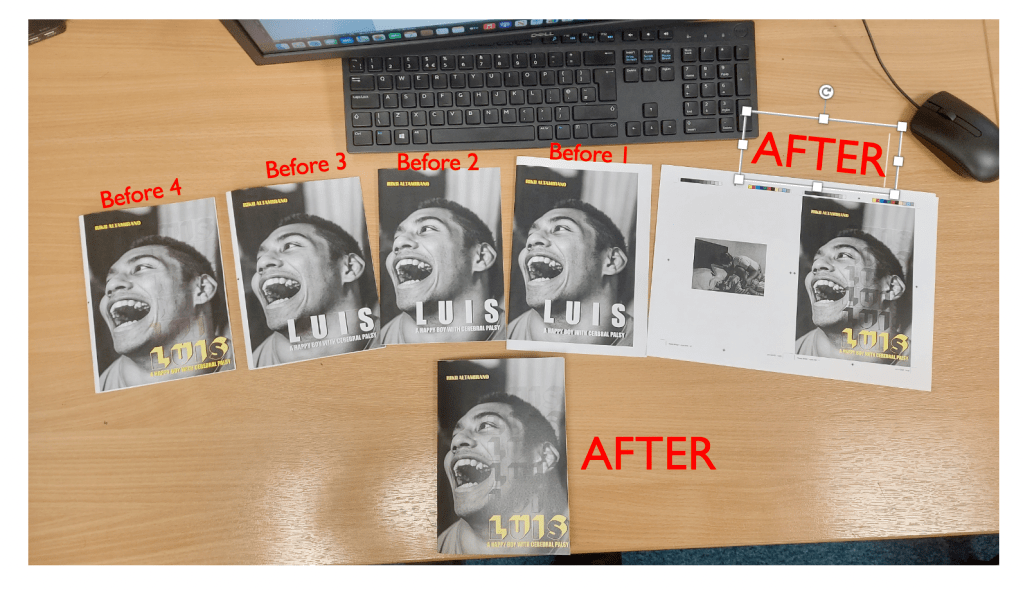
In this section, I will show you a few mistakes I have done during the production process. I have discovered the printing setting that I must set up before sending the files to the printing machine.
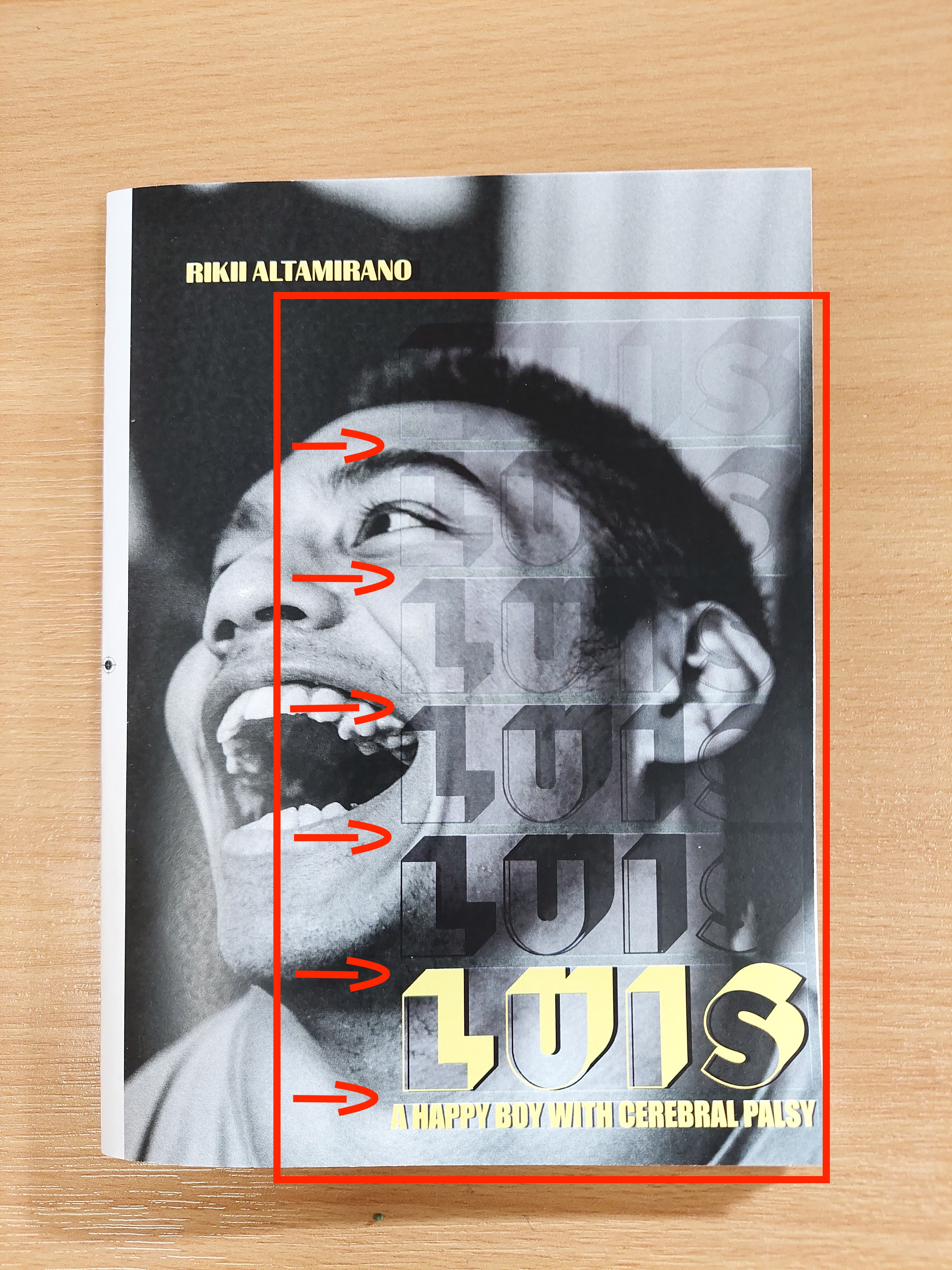
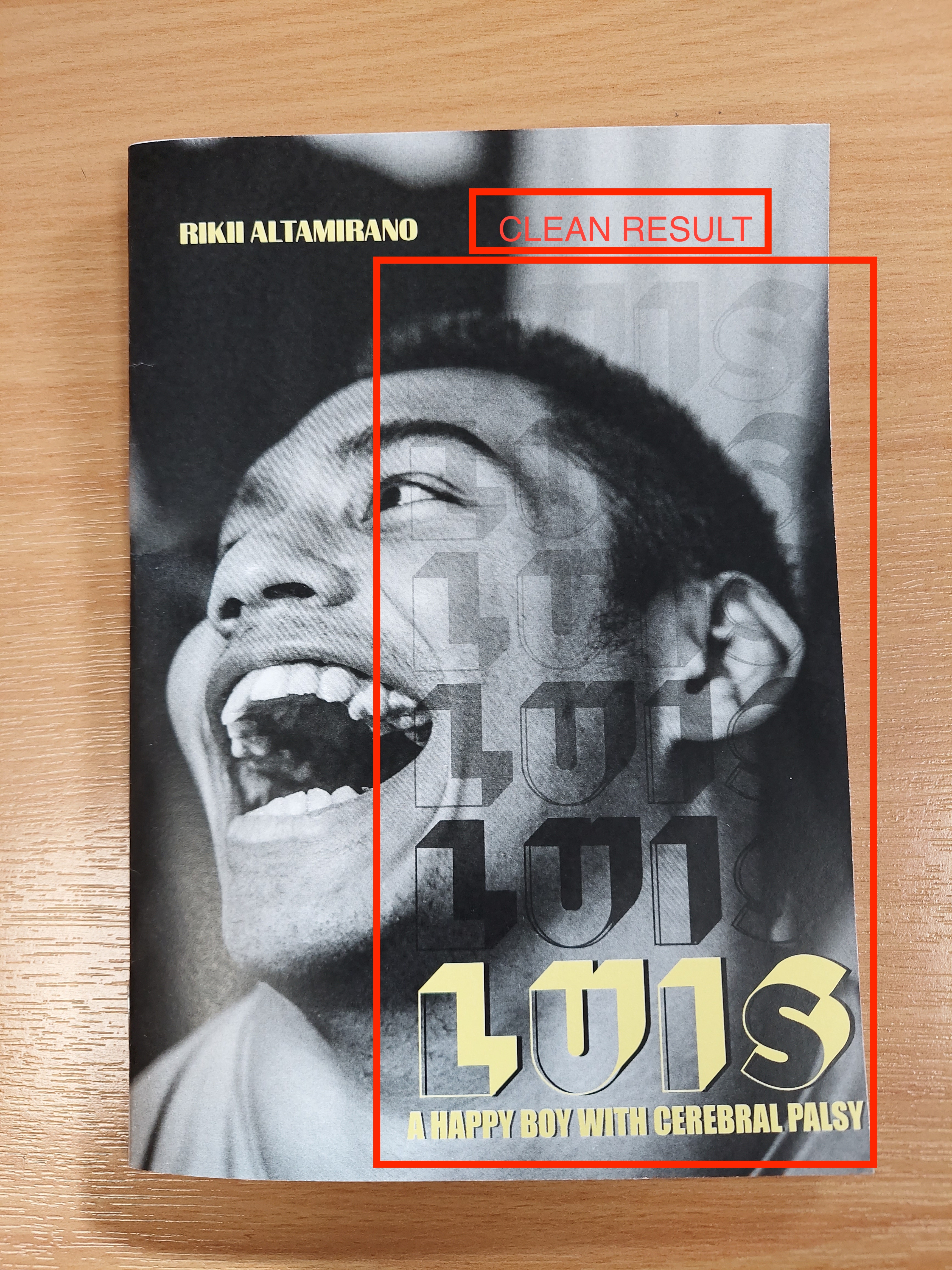
Please see two versions of printing setup and the result of two versions. (before and after)
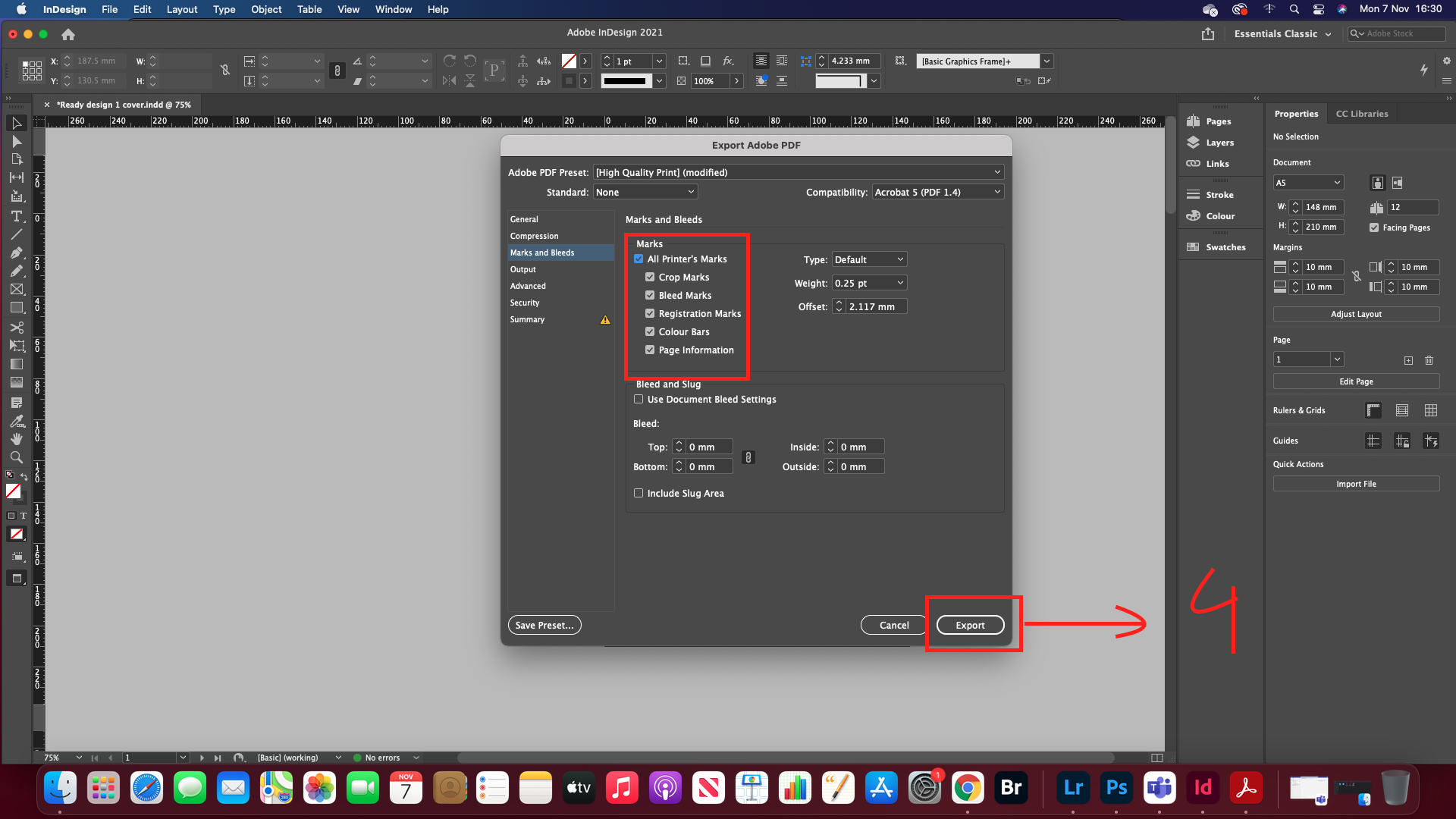
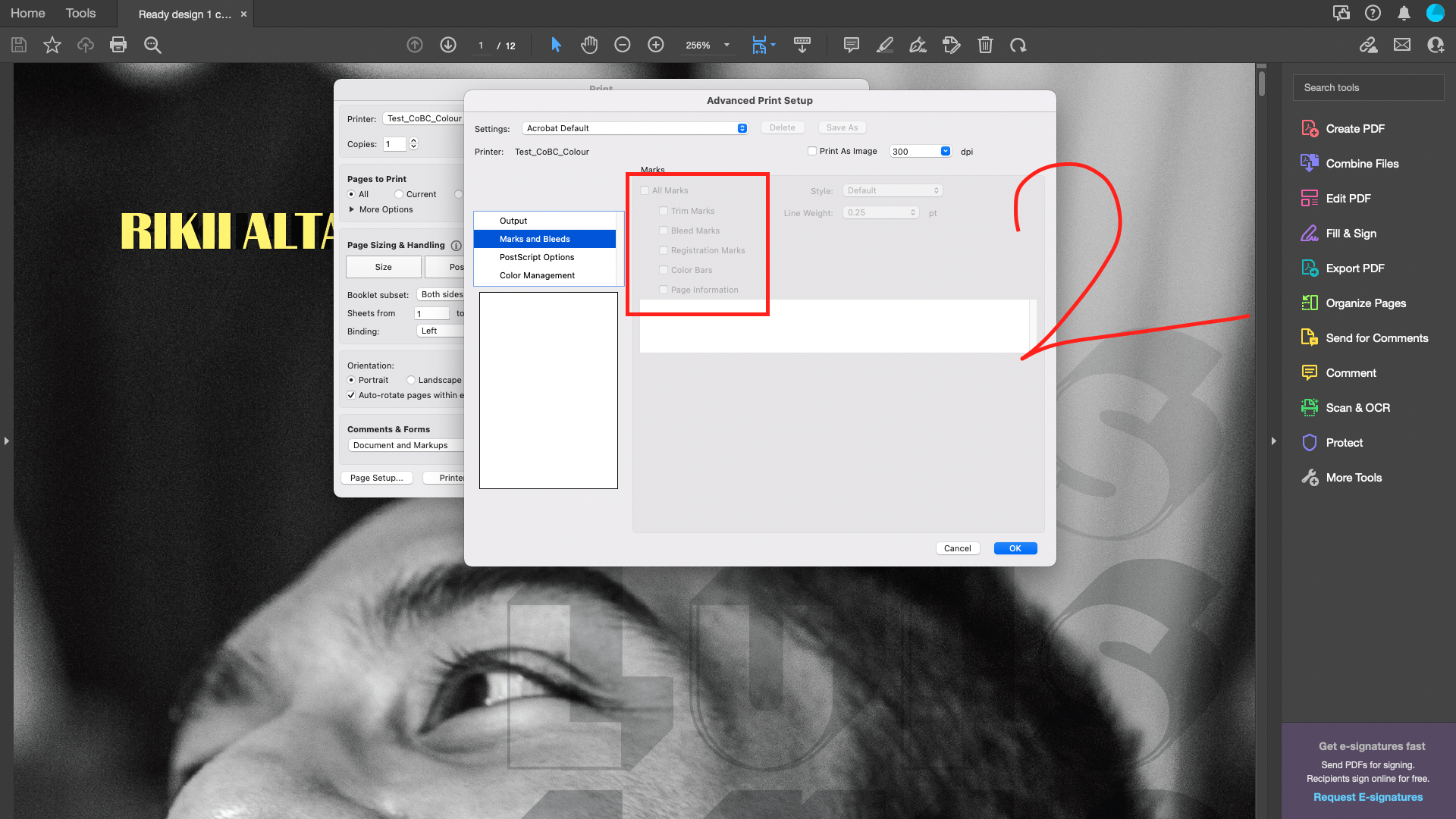
a. Before (Imperfect) setup.
All you have to do is from your InDesign go to File-package- save-Create folder and file name-package-print pdf folder. marks on it and find the file you have just created to print the pdf file from the package folder.
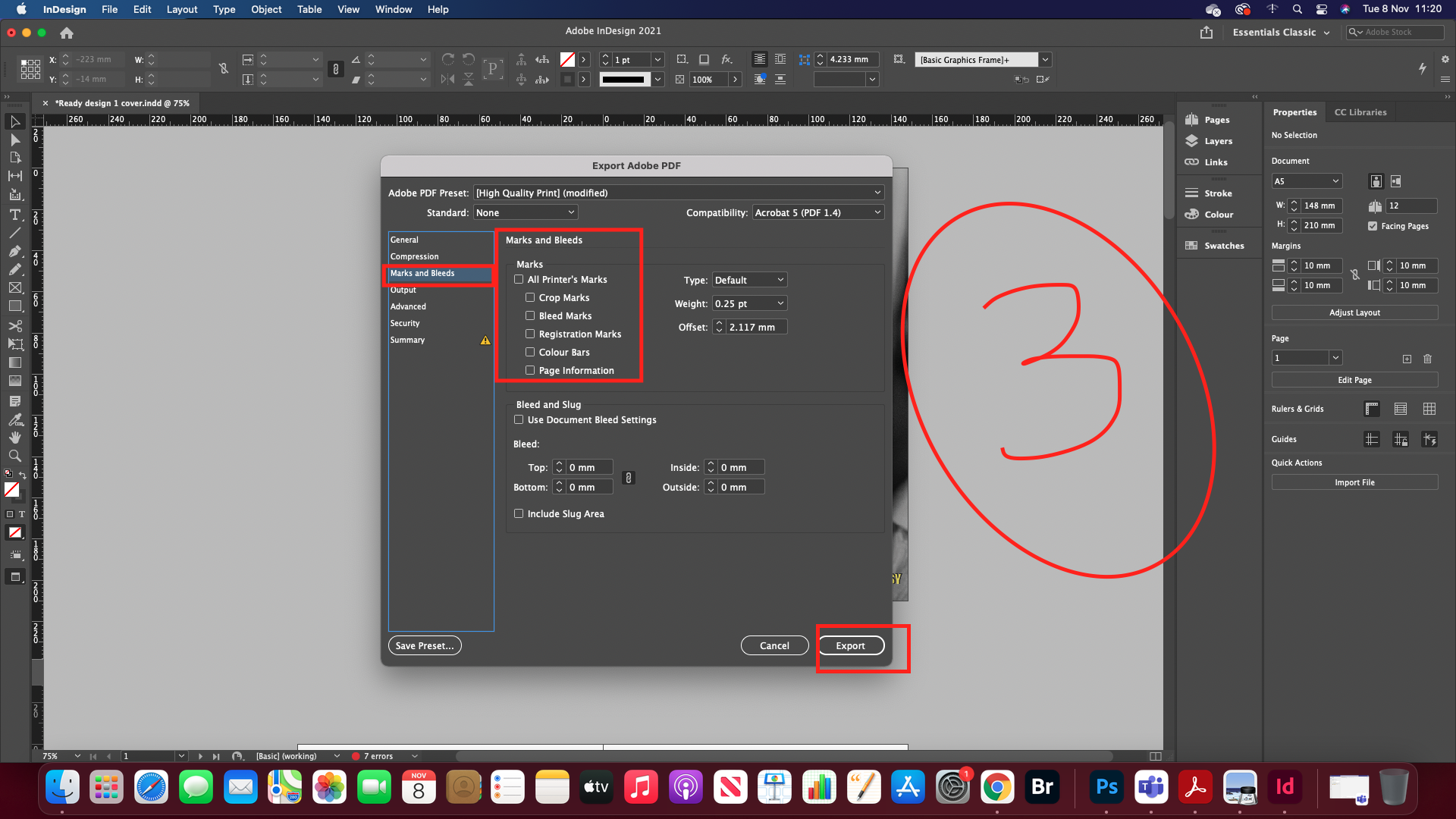
If you tick all the marks and bleeds section and follow along the process to the end of export, then you will have the result with all the marks and guidelines in all of your writing position.
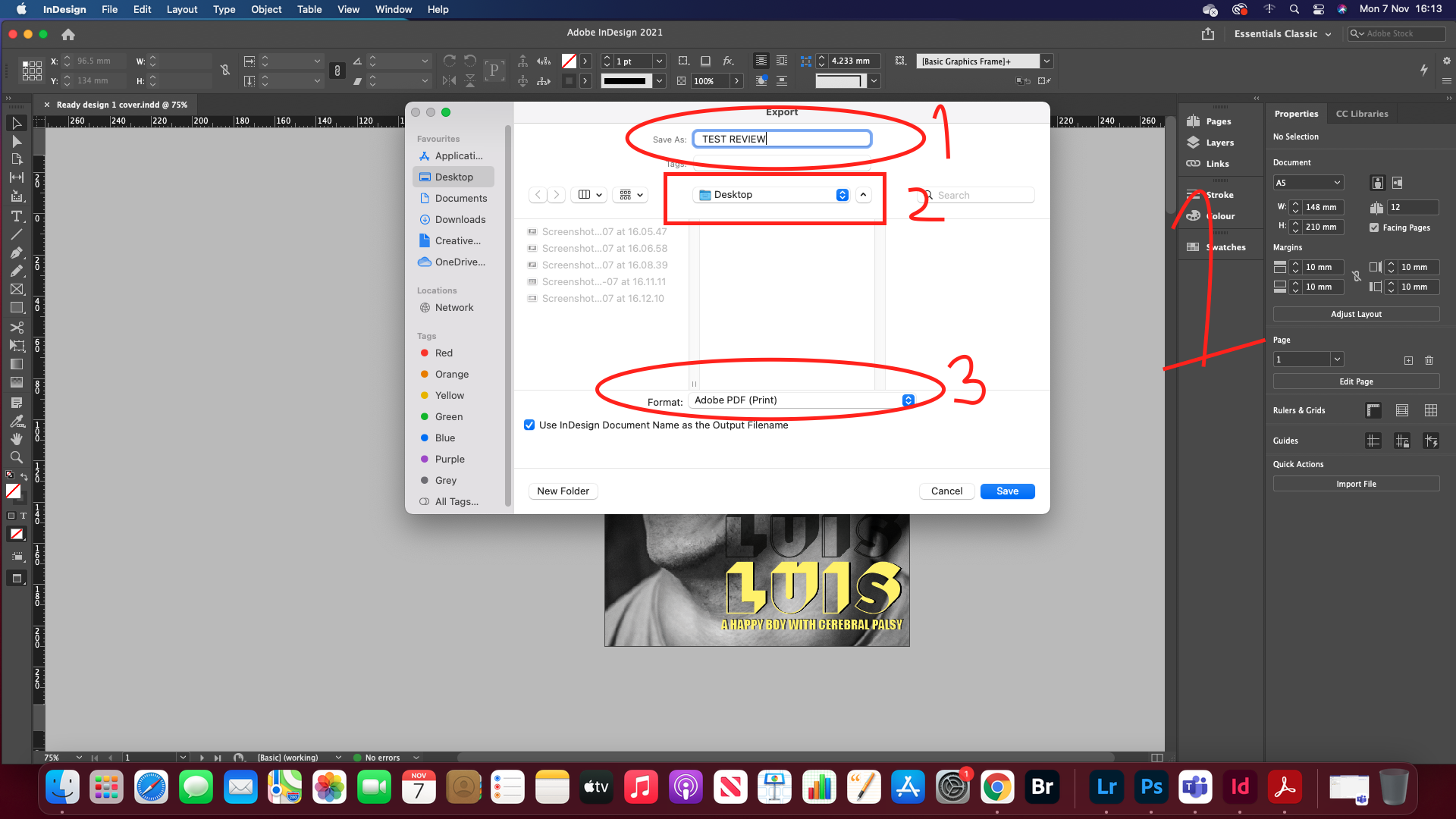
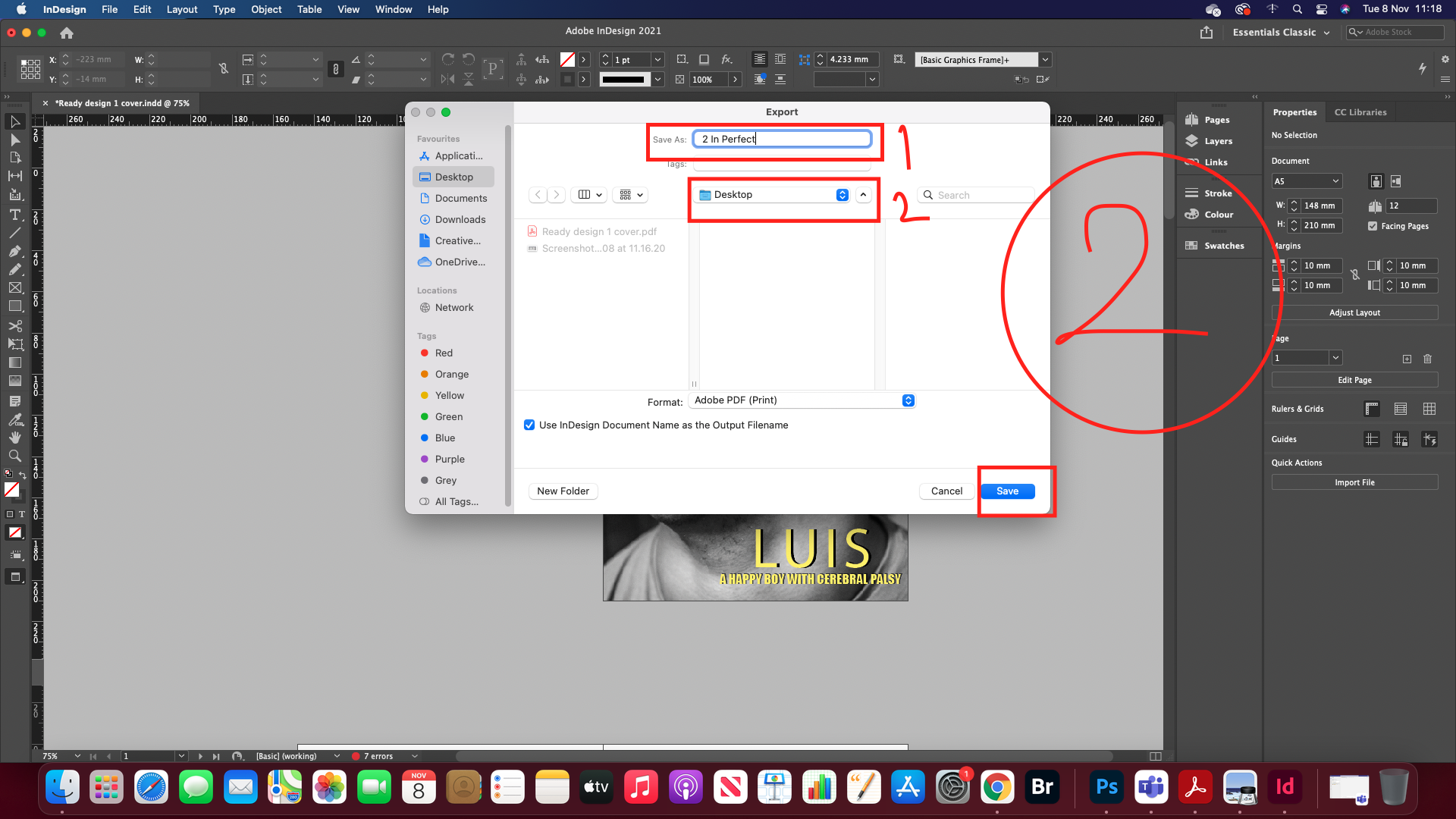
b. After (Perfect) setup
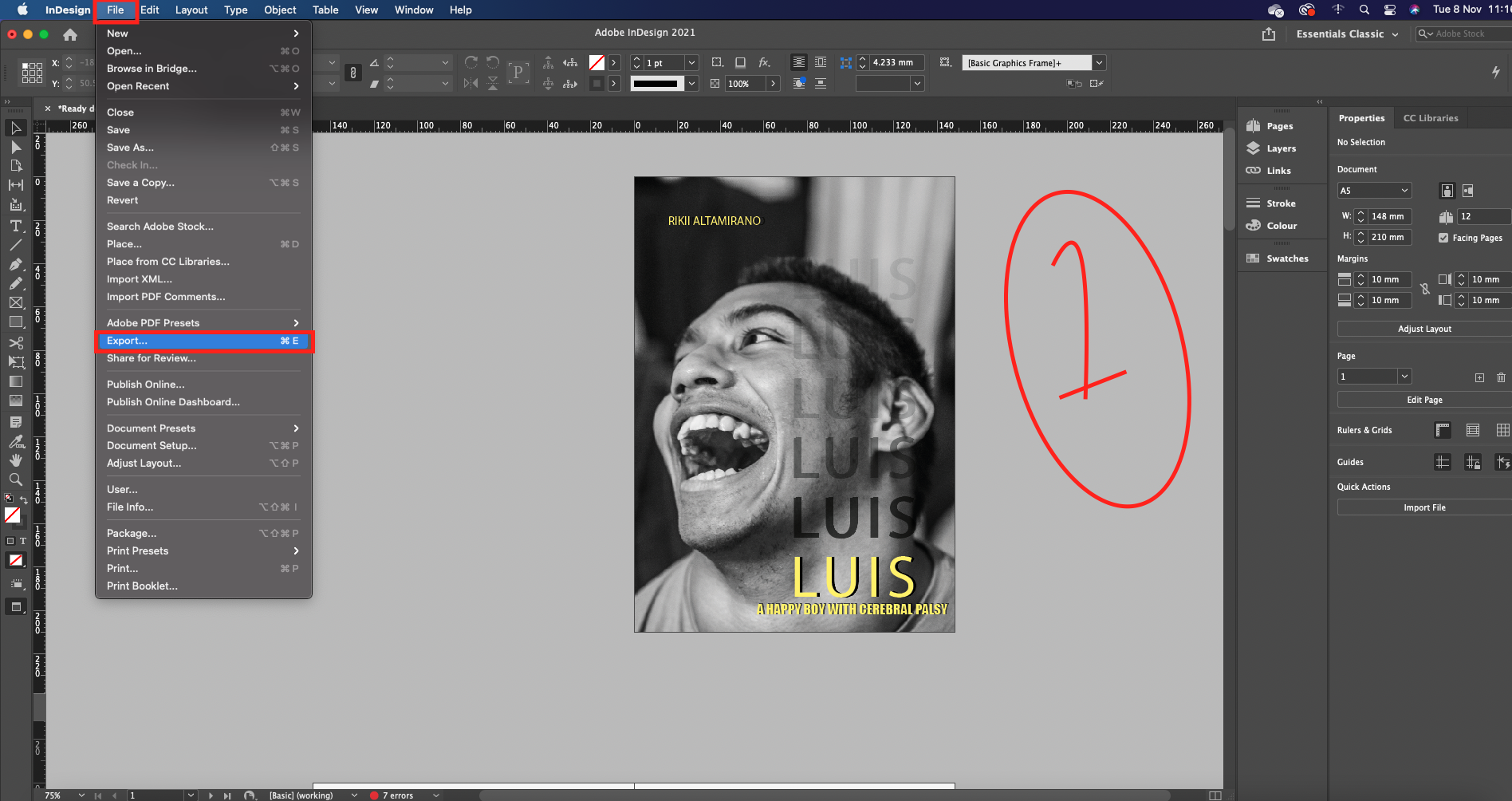
From InDesign go to file-Export-name file and create folder to save it-make sure uncheck all Printer’s marks and bleeds section-Export-Find your file you named and folder your created-select and open the pdf files–select print–select all pages-booklet and print.
- Cutting Session
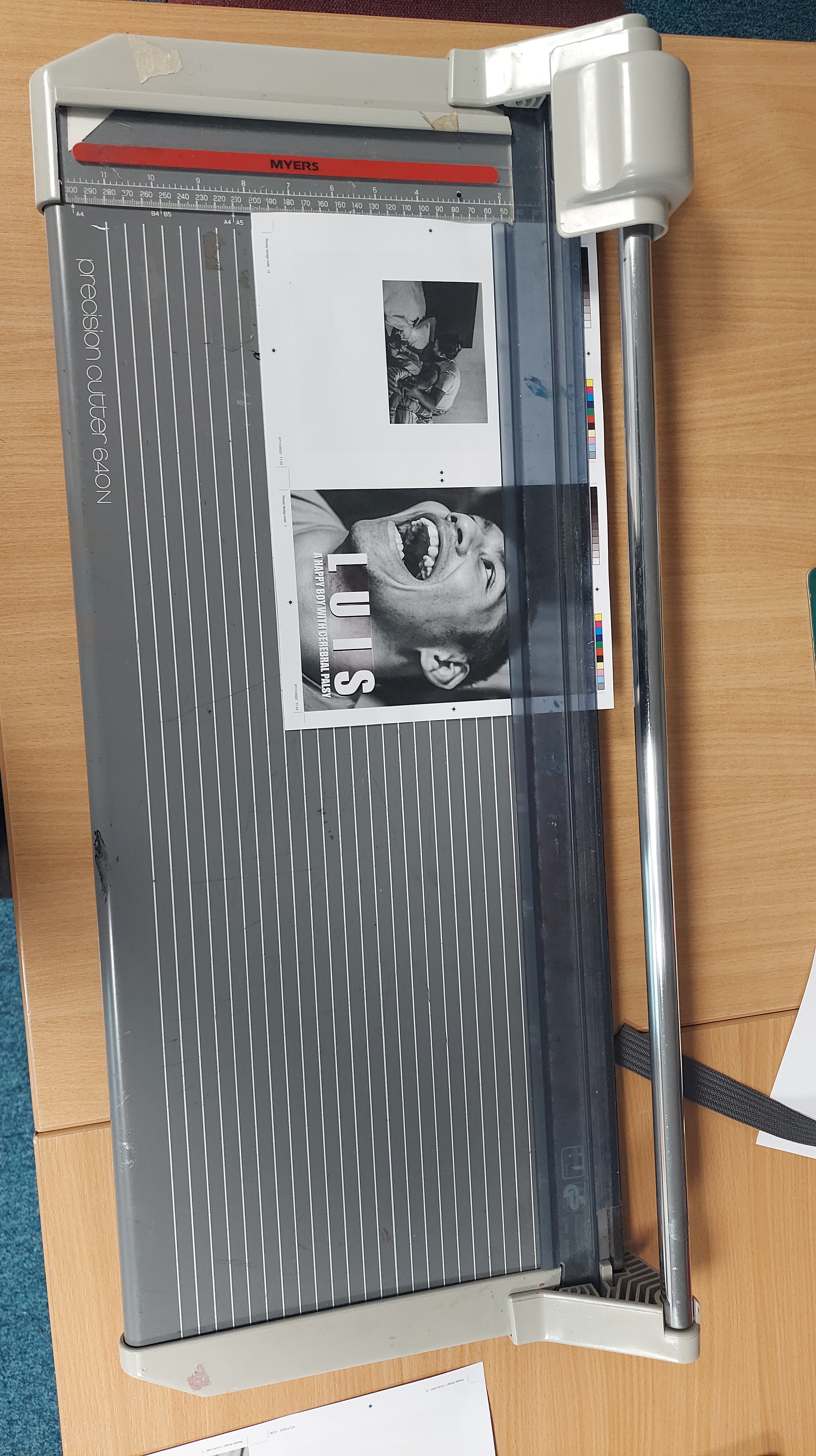
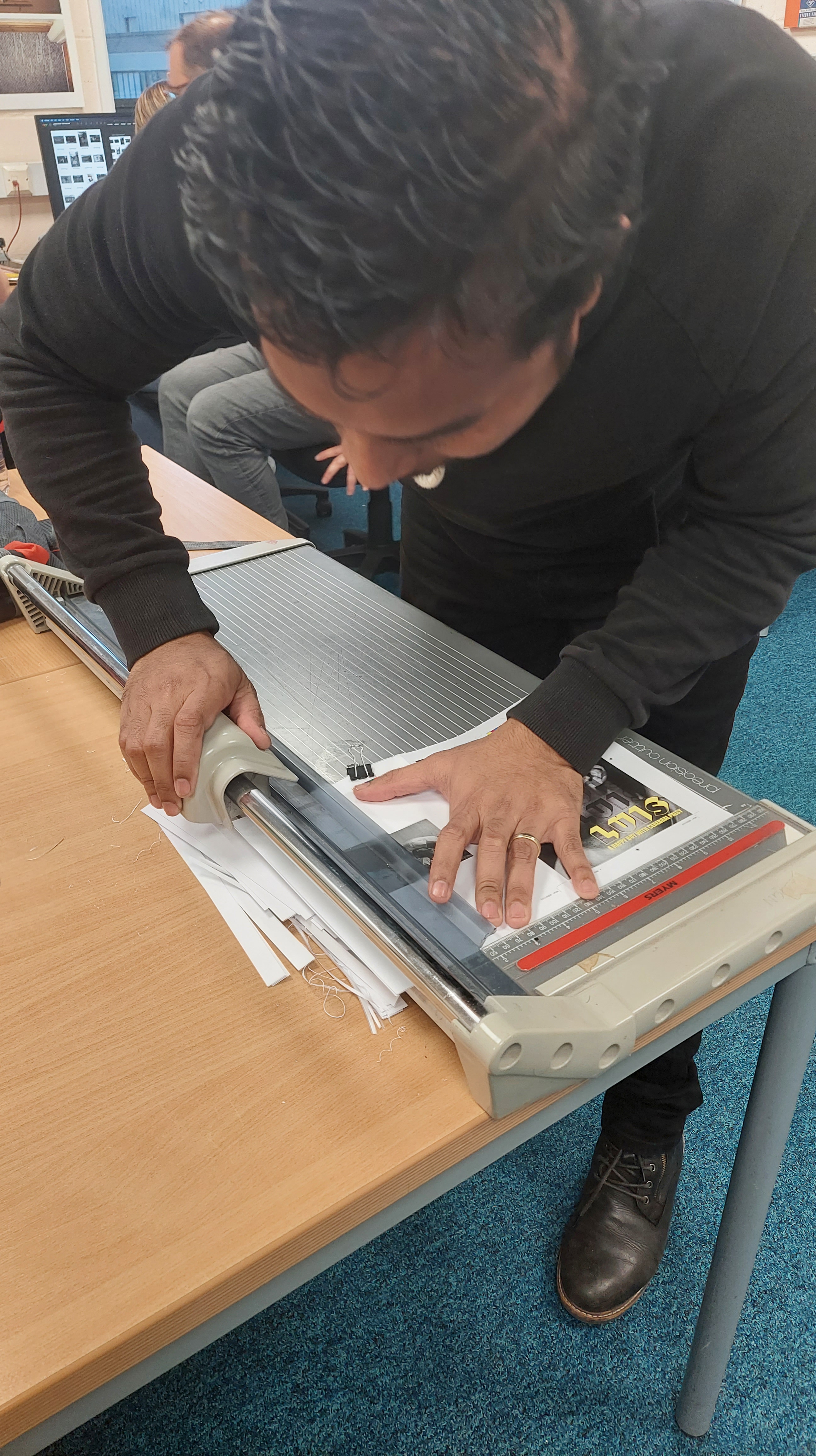
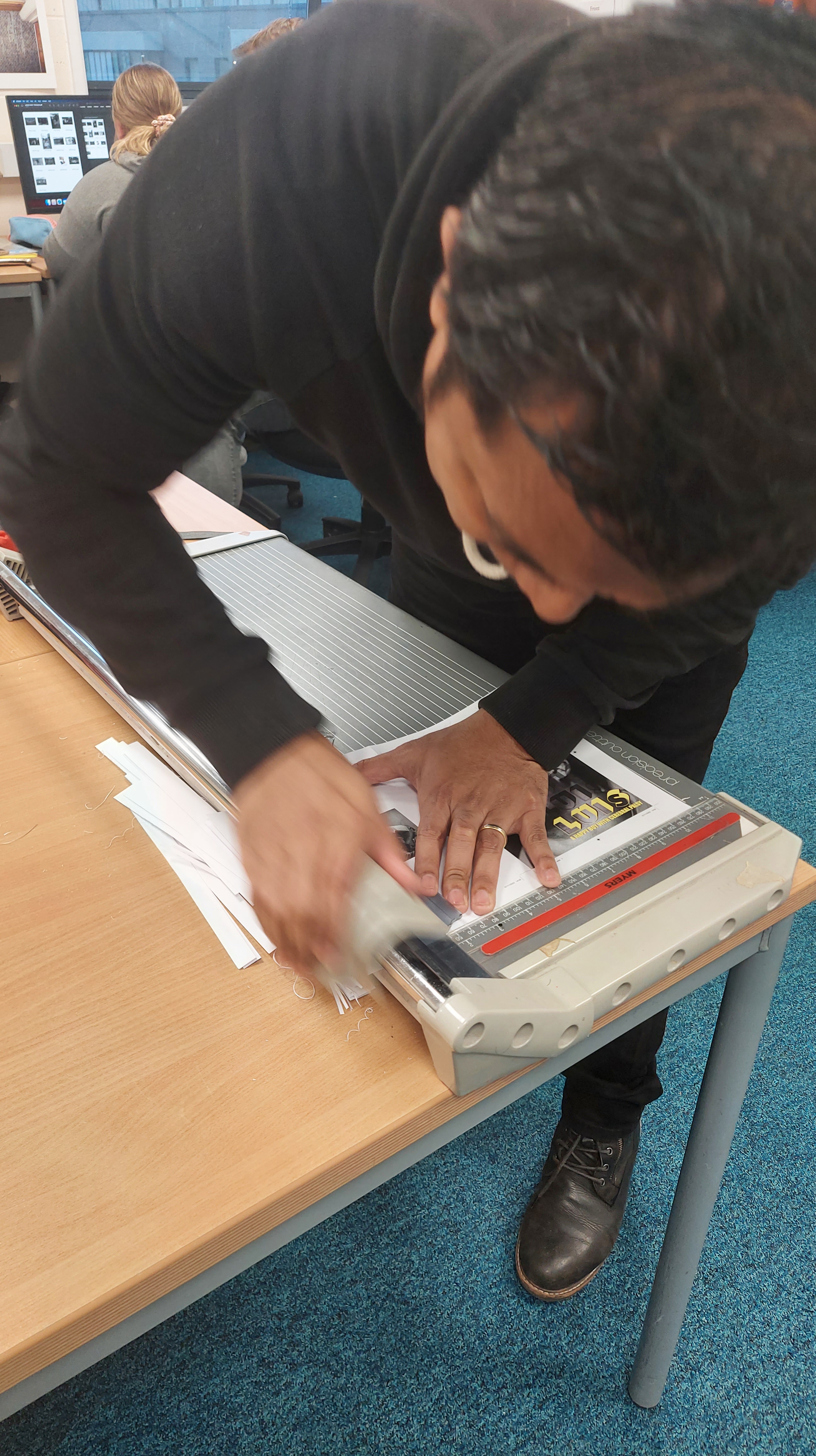
Once I am happy with the design’s layout, this is the part where I have to use the proper paper and cut the bleed’s border out from the cover frame.

- Progress Result
Here is my final production progress. From the beginning of the process till the end that I have to submit.
FINAL RESULT
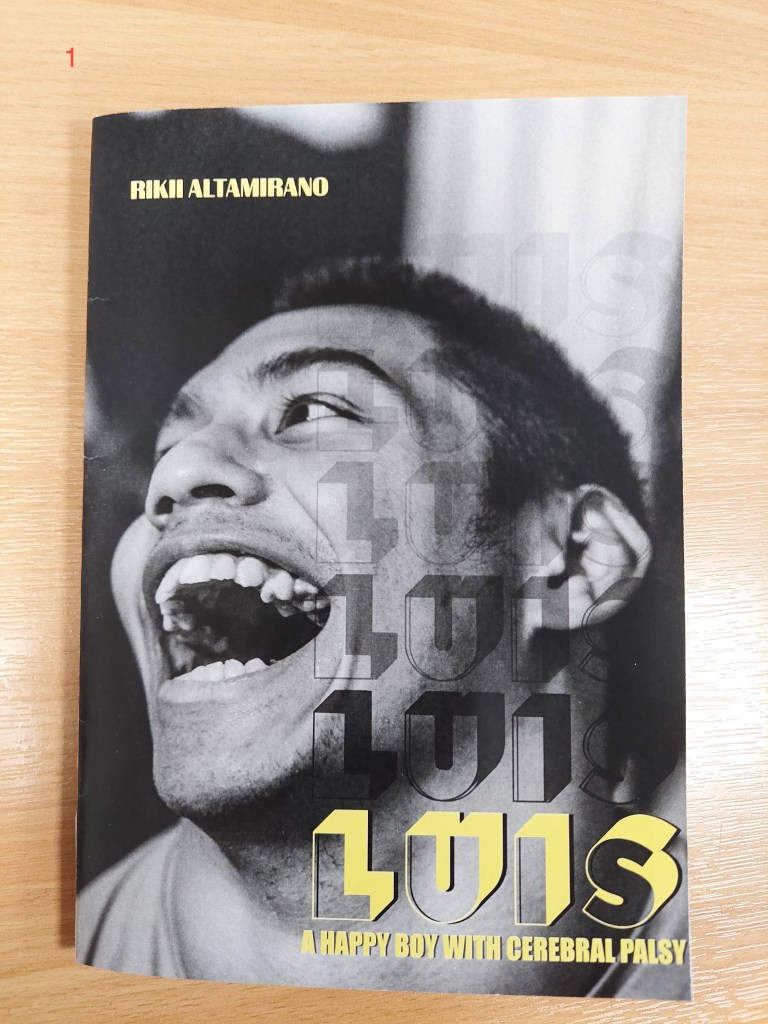
After all the production processes, here it is the ultimate result.
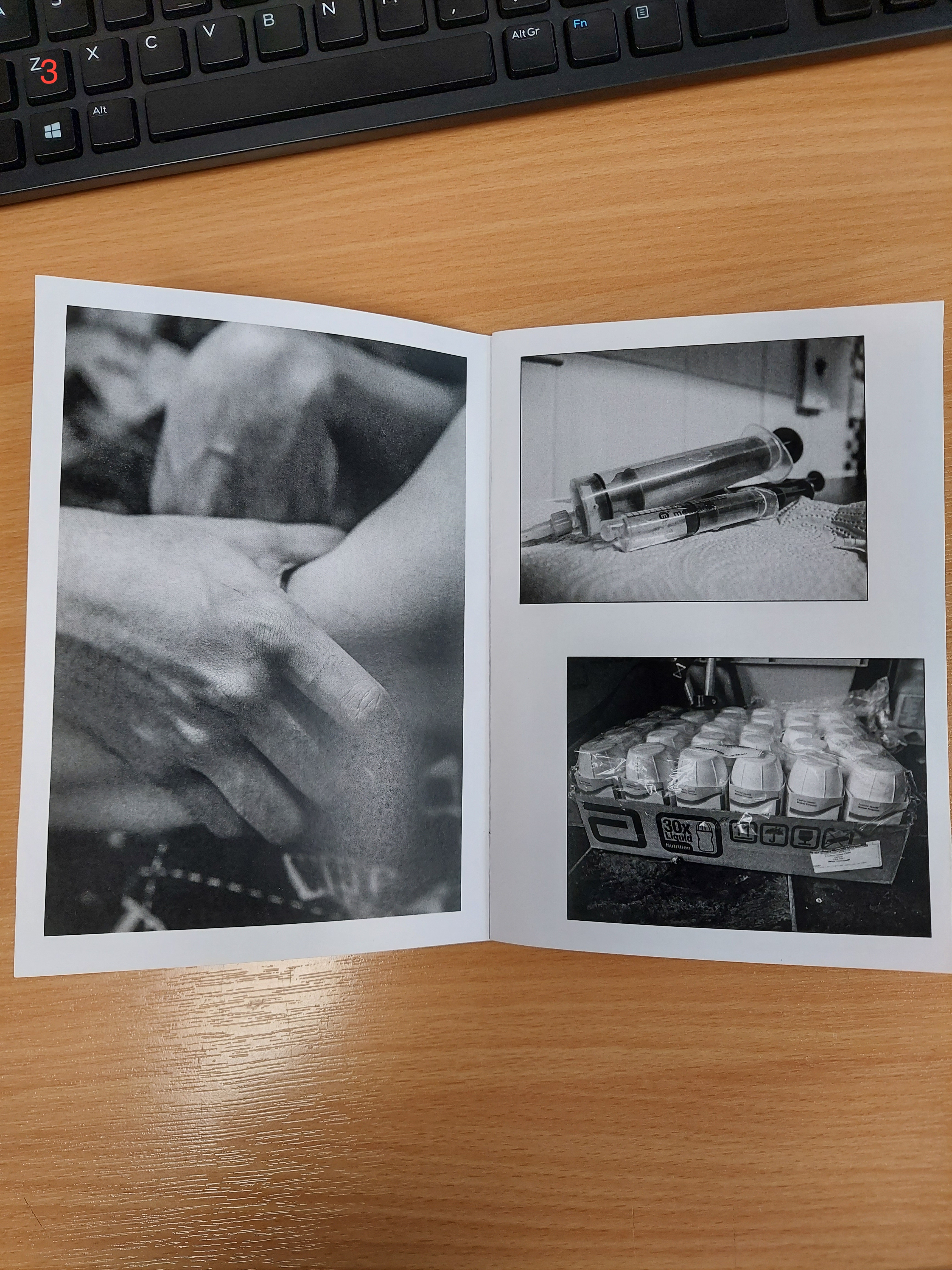
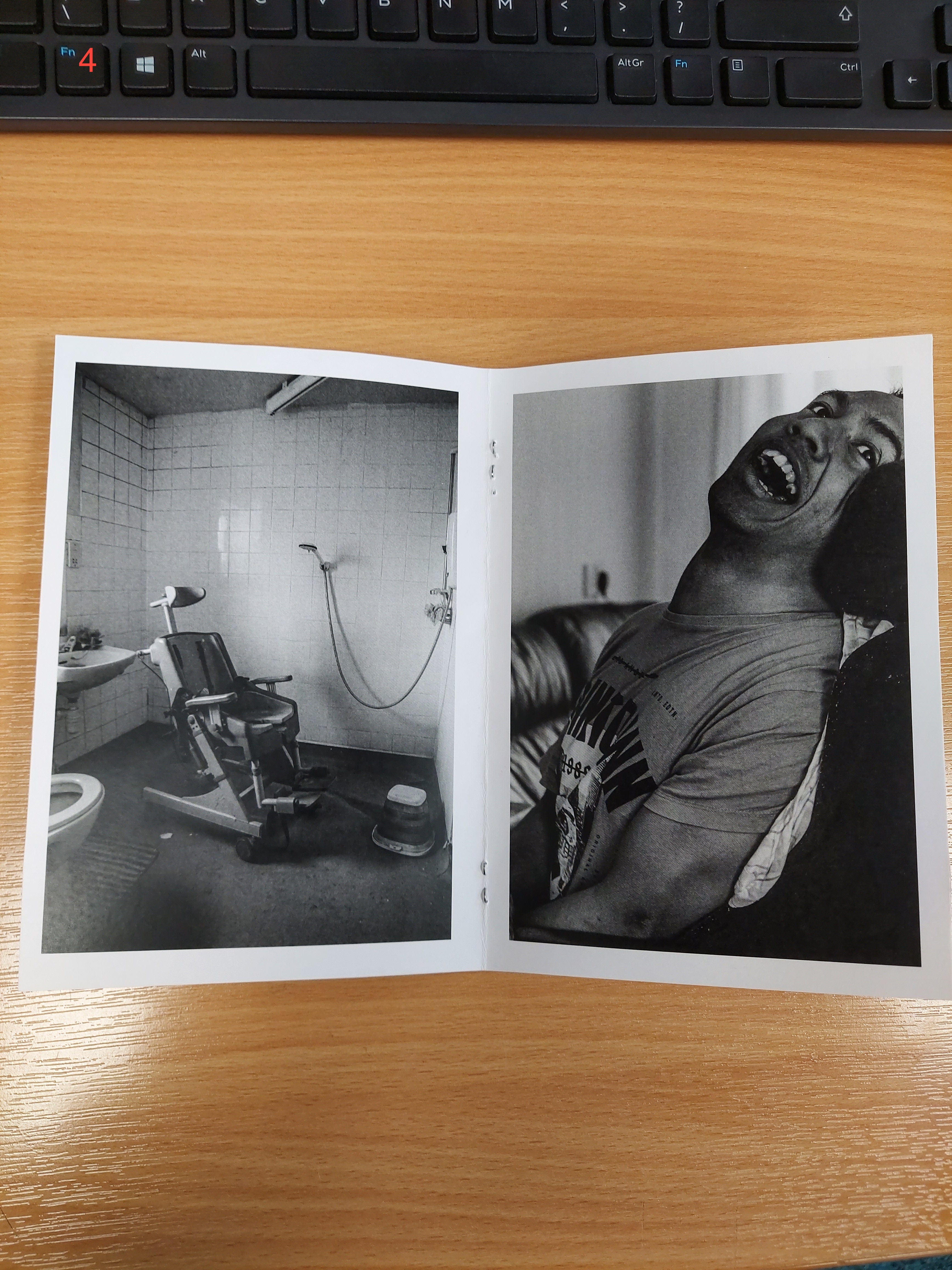
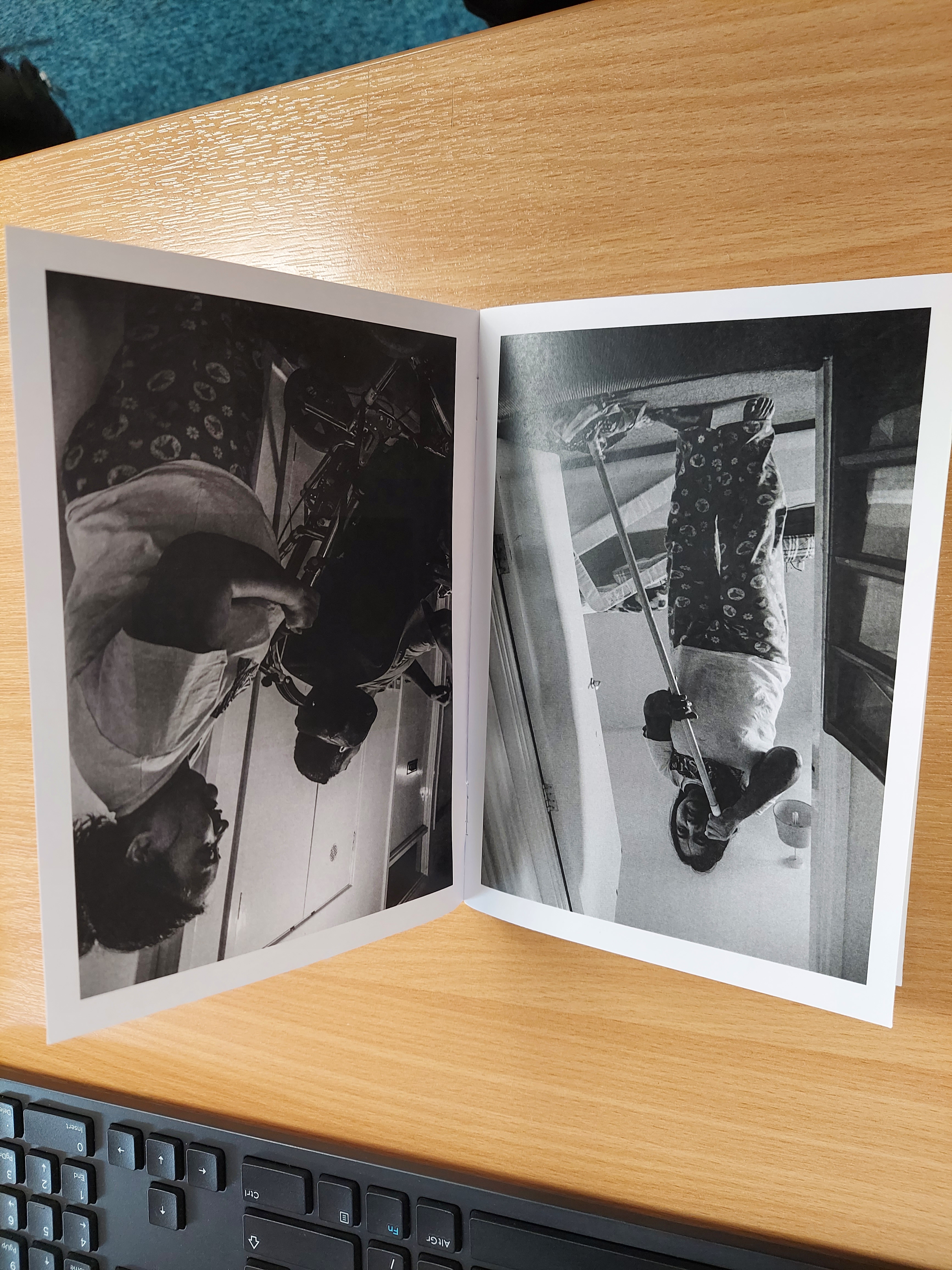
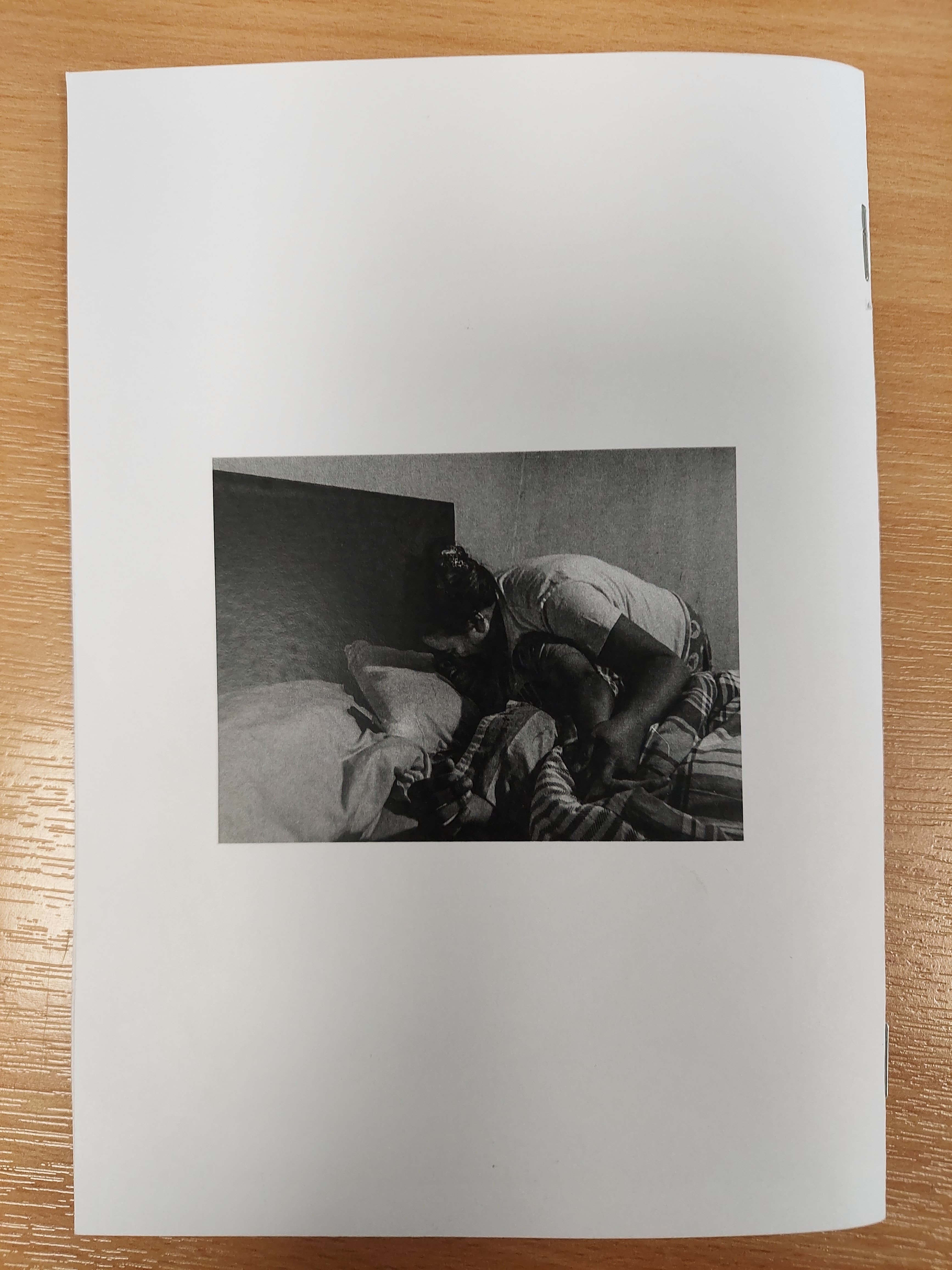
EXTRA
All my images that I took from screen shoot/screen grab and support images to show how I do, stored into folder based on the topic that I would like to talk later. It helps me organize my files when it needed to be input to my blog.
- To screen shoot shortcut key‹Cmd+shift+3 to screen shoot whole screen.
- Screen grab shortcut key cmd+shift+4 get the cross pin tool for grab only the intentioned area.
- All my pictures that I pictured with my phone and sent to the computer, I used we transfer to send it as it is free 2GB and good for maintain the picture quality.
- I am using as well e-email to ransfer the pictures from phone to computer. So, later I can use it to support my blog.
- To edit added red circle, red square was using picture preview-click pencil tool-change colour to red-and paint the area I wanted to mark.
EVALUATION
In concept, photography is a simple skill. Point and shoot. However, the details do not cease there, and once you started collecting numbers of photographs, it’s overwhelming to look back at them all and feel you are not making any progress. This is where I feel like to examine a learning process academically is a must for me. Like the saying goes, “You don’t know what you don’t know.” So, I really want to work on this photo book project to be a better photographer and storyteller in a same time.
I intended to understand as much as possible in doing and telling the story with my pictures about people in difficult places who need to be heard because they did not have a chance before. But above all, I want to leave behind me an honest work that tells stories of intimacy and places unseen before by most of the humanity.
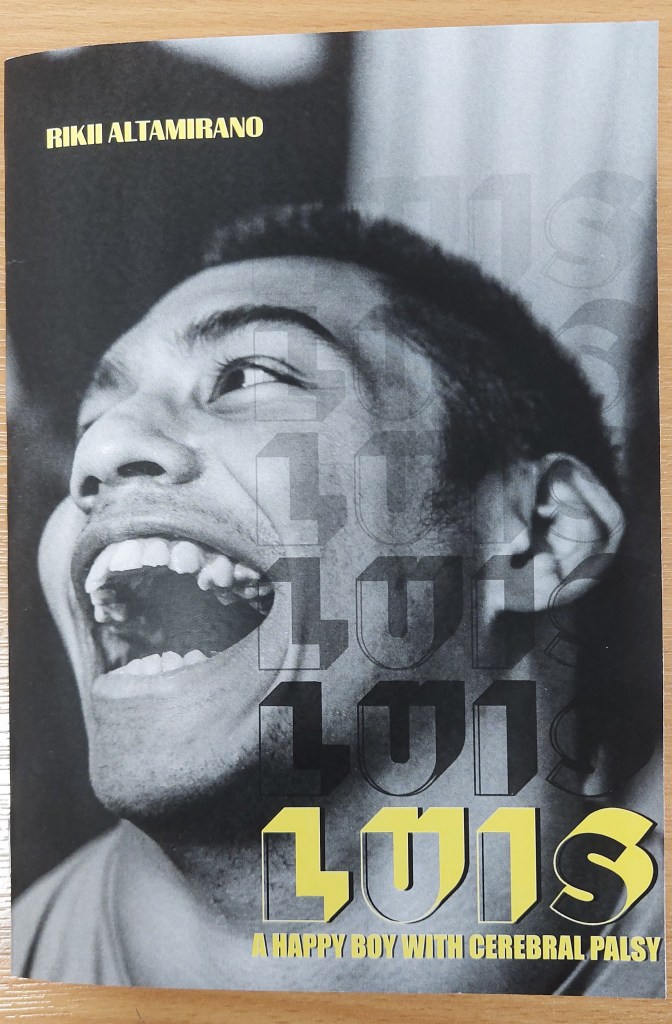
In the future, I think I would like to have more pages in my photo book in order to show more the details of the story and probably add some text to the book as a synopsis for audiences that have difficulty in understanding the photograph. I have learned something; “Develop your concept, message, goals and research your intended audience. If the issue that you want to produce on is to be a photographer that interests you, then it will come out as a better product.”-Rikii Altamirano.
A few points I would like to remind myself in the future.
- Learning more in InDesign to layout the images properly.
I notice I struggled in Layout with InDesign consumed many times, passing by with just a small thing that was supposed to be easy. I must learn and be familiar with InDesign appearance to help me find all the useful tools that I need to support my design processing time.
- Get used with the paper cutting tool (Myers Precision Cutter)
It is a tool that used to cut paper and very sharp, although I spent many times in this tool just to line up my papers before trimming out the intended borders because I must cut and re-cut a few times and almost lost the edge of a few images with it.
- Printing
To print it properly, it all depends on how you set up the printer from the Print File section on the computer. For this book, I have printed 5 times of it just to sort out some error that I did not understand at all.
Above, you can see I captured two versions of printing set up and the outcome books in A5 photo book.
- The ultimate design
I know that the design of the book contains many versions from the beginning until the result. However, in the learning process, I considered it normal, as this is my first time to produce a photo book from the scratch. It is completely normal producing many samples of it until I am satisfied with the result that represent my story.
This stacked up fading title about Luis is a story of Luis’s life. As we notice the cover images showing Luis’s Happy face, but he is having the cerebral palsy with him since born.
He is exuberant. I wrote “Luis” in bright yellow.
Fading to black and white until almost disappear we don’t know it as Luis’s journey as “A “Happy Boy with cerebral Palsy”.
- Group critique session
Finally, the last session was a critique session. During this session, I was happy because as I have got all the attention and drew some inputs during my process of learning.
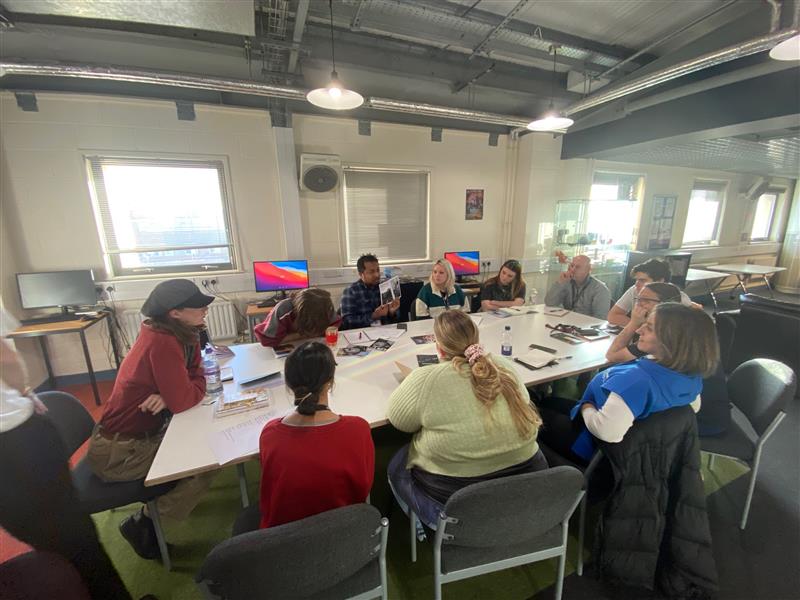
In regardless to my personal review about my book Luis, I have written a few inputs from the group. The inputs are;
- Includes some outdoor activities to show the public environment on how Luis would interact with surrounding.
I Have planned to photograph Luis’s outdoor activities. However, I could not execute, as on that day Luis’s health was not in good condition. Therefore, I had to cancel that shot for not to endanger Luis’s life.
2. The book does not require a tag line under Luis (A Happy Boy with Cerebral Palsy) as too direct with personal.
Well, in this matter I admitted that I have missed the understanding on how to give a proper title to my book. But, in future I can assure that I have underlined this first book as my guide.
3. Add more format of displaying the images to show variative in the book itself.
Totally agreed with this critique. The various layout will give more artistic pleasure to the audience.
4.Do not add border on the pictures.
Some picture is okay with border if border required for the purpose of stand out the artistic. But, in these two pictures I believe it was an accident to let the borders slip on the edge of the pictures.
- Here are the pictures that should be on the book
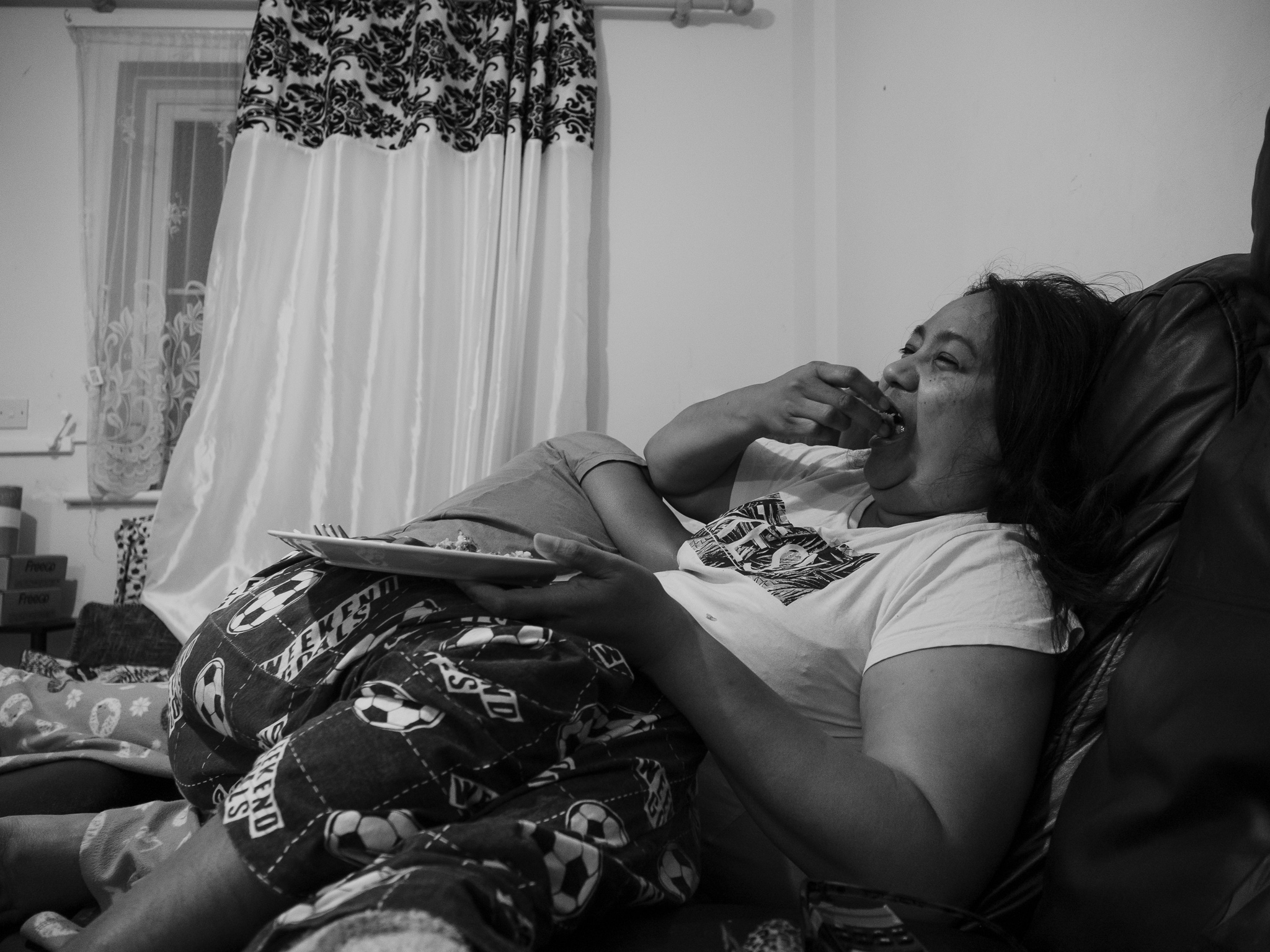
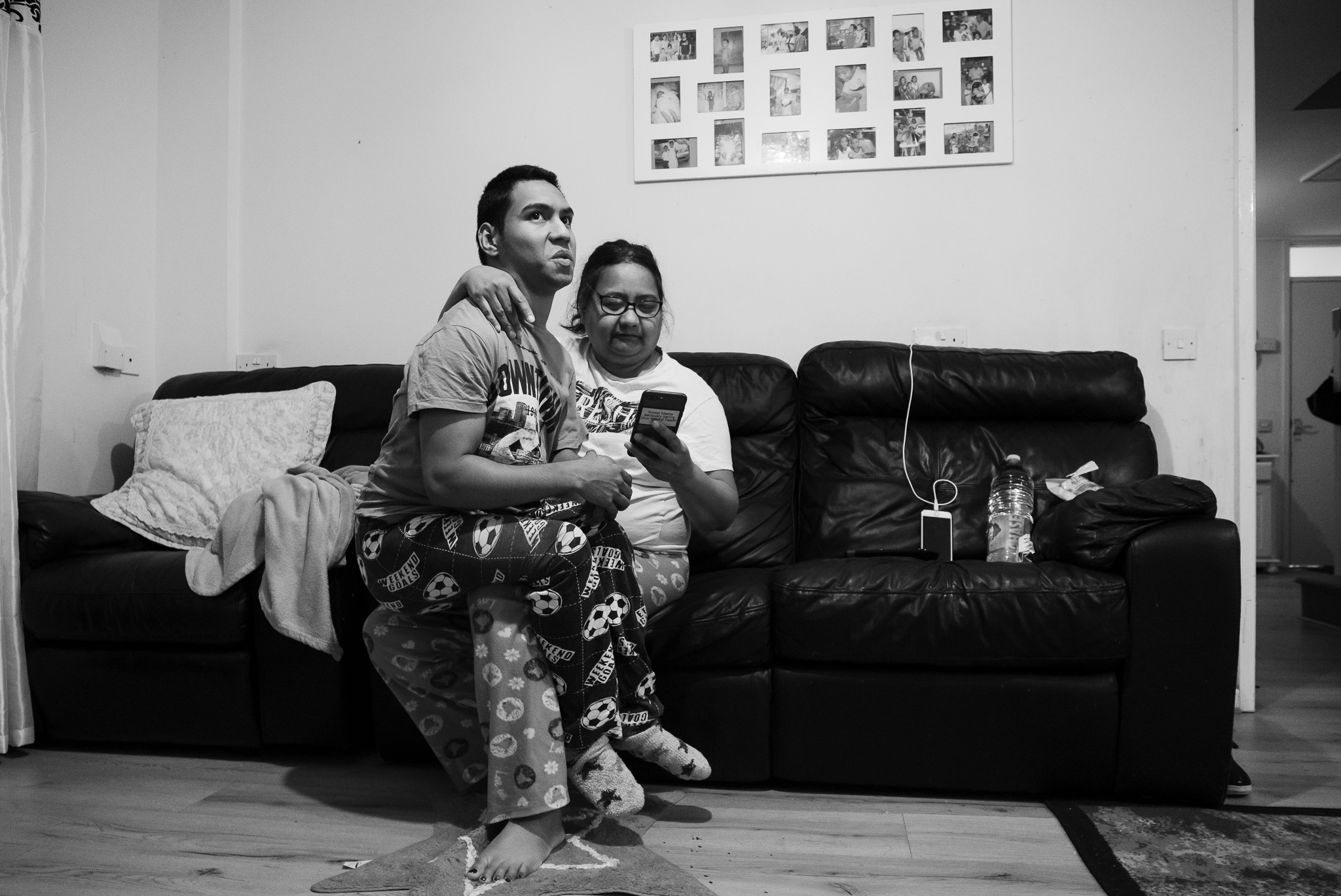
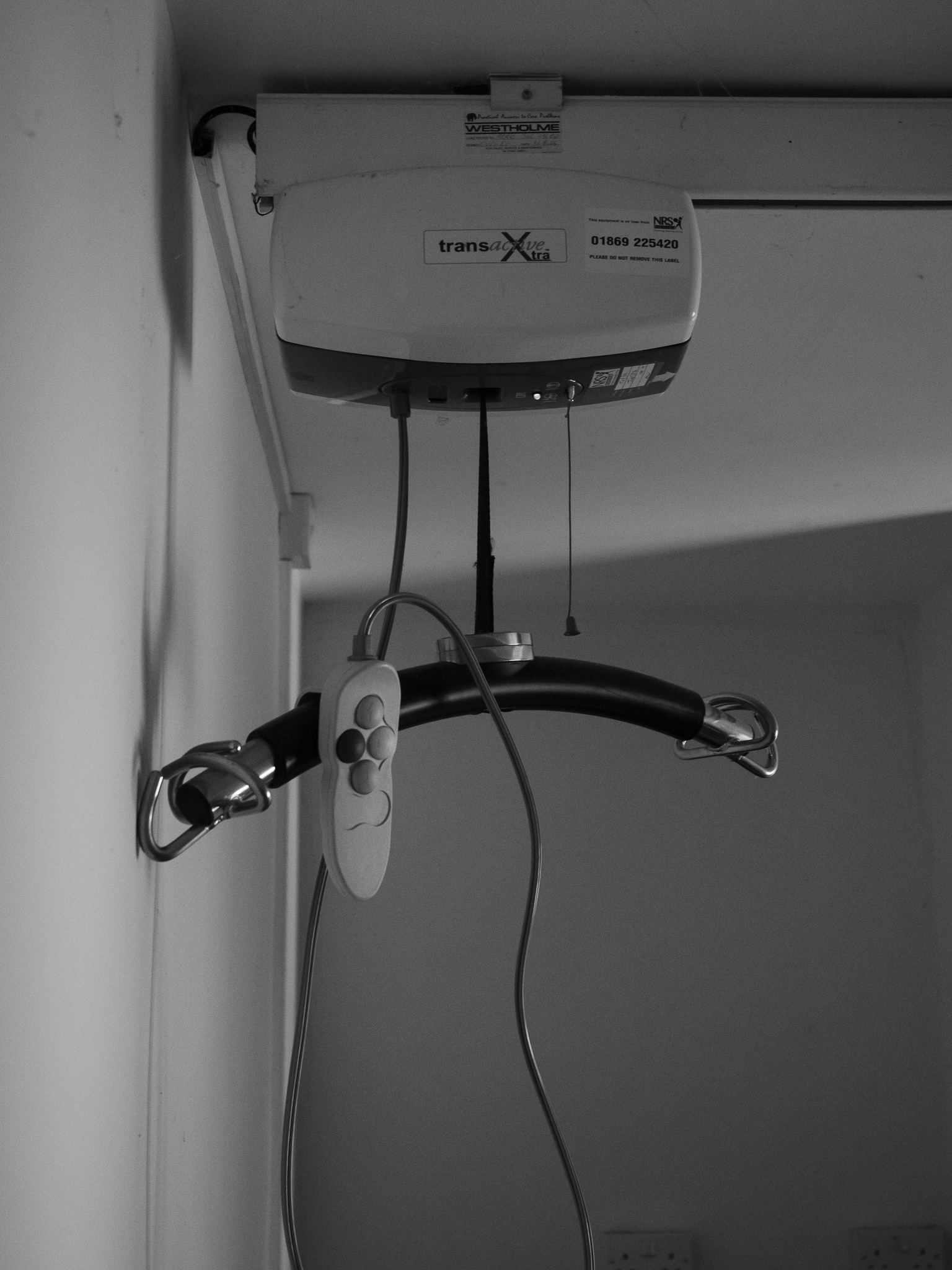
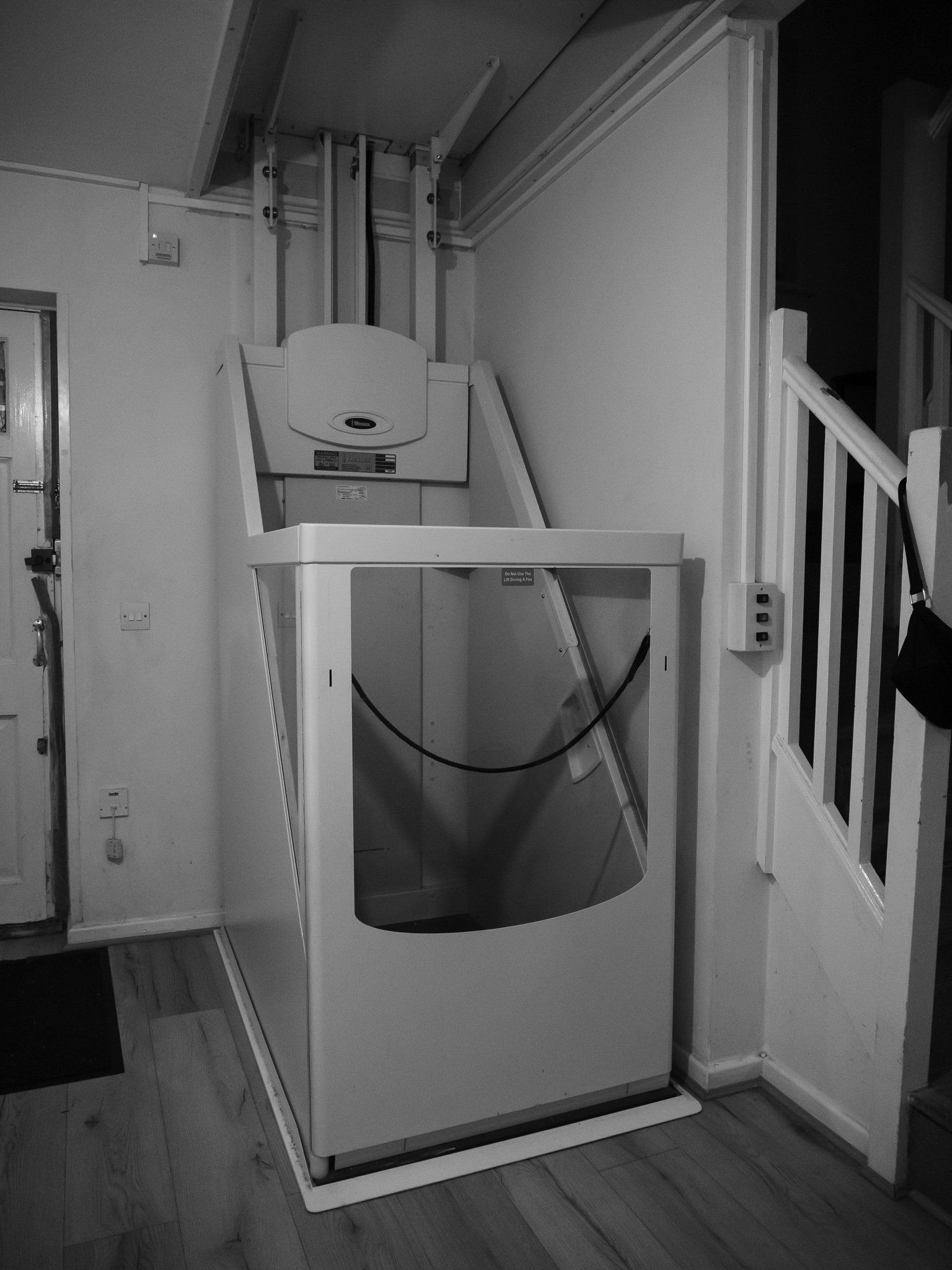
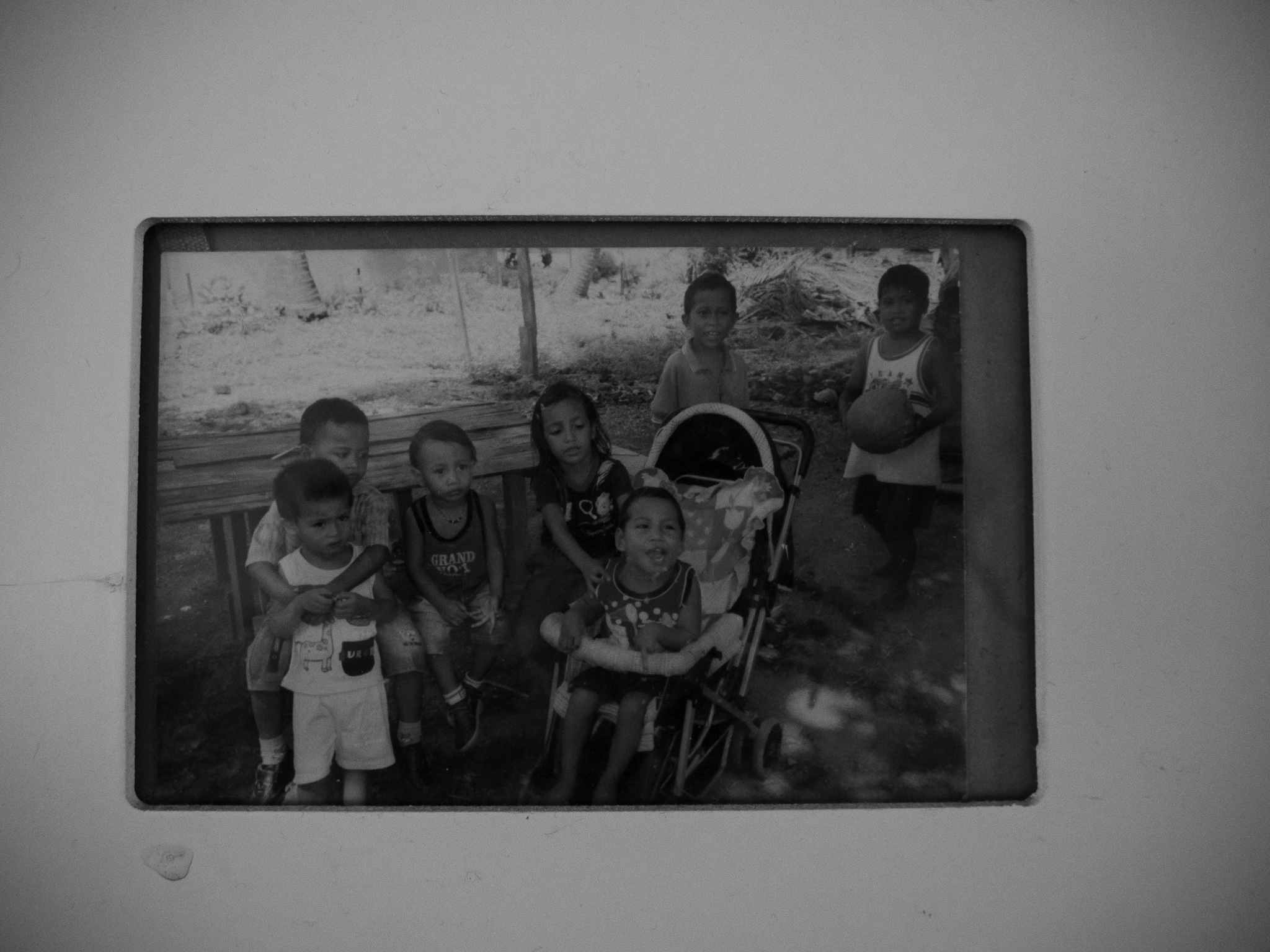
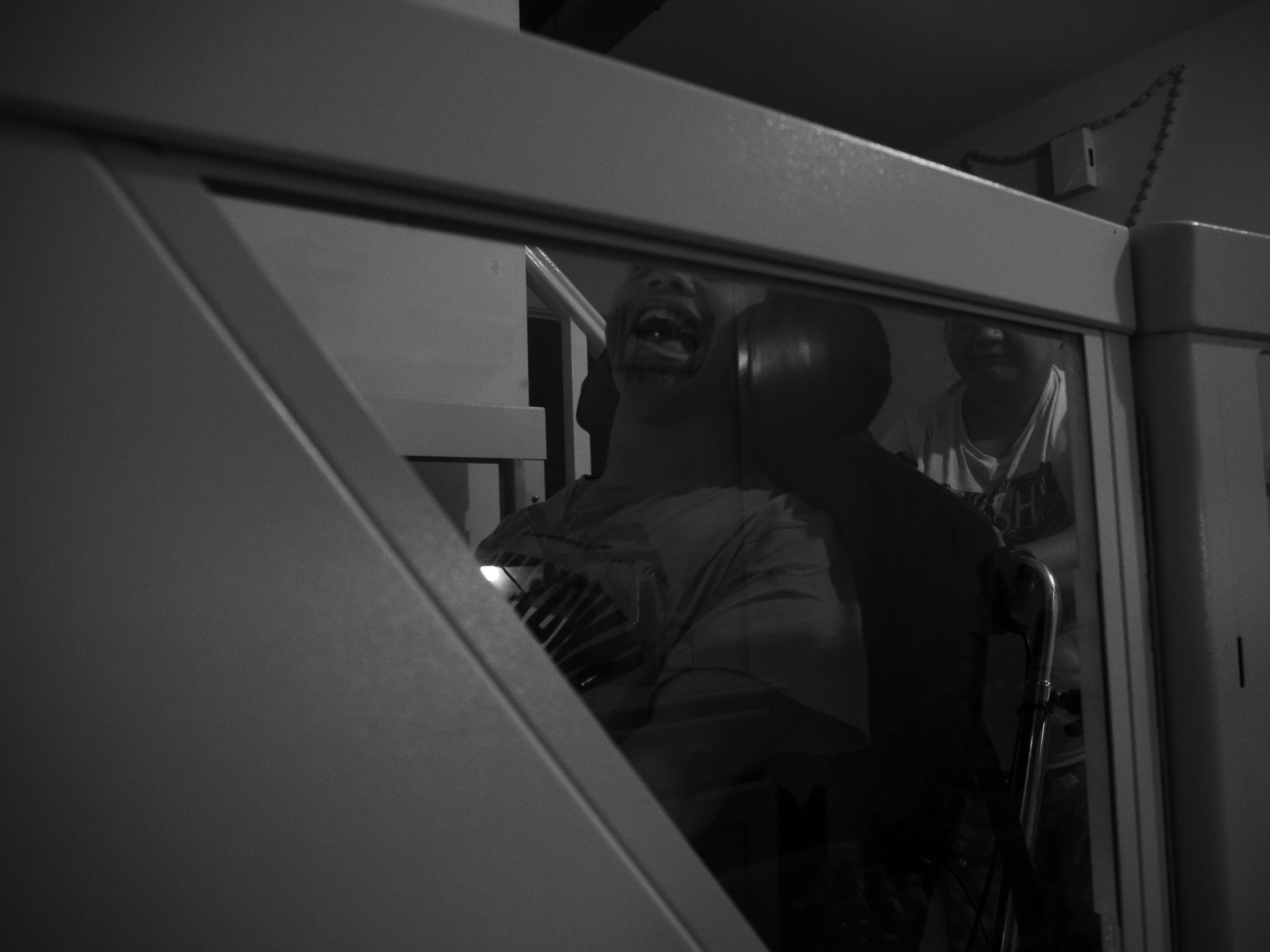
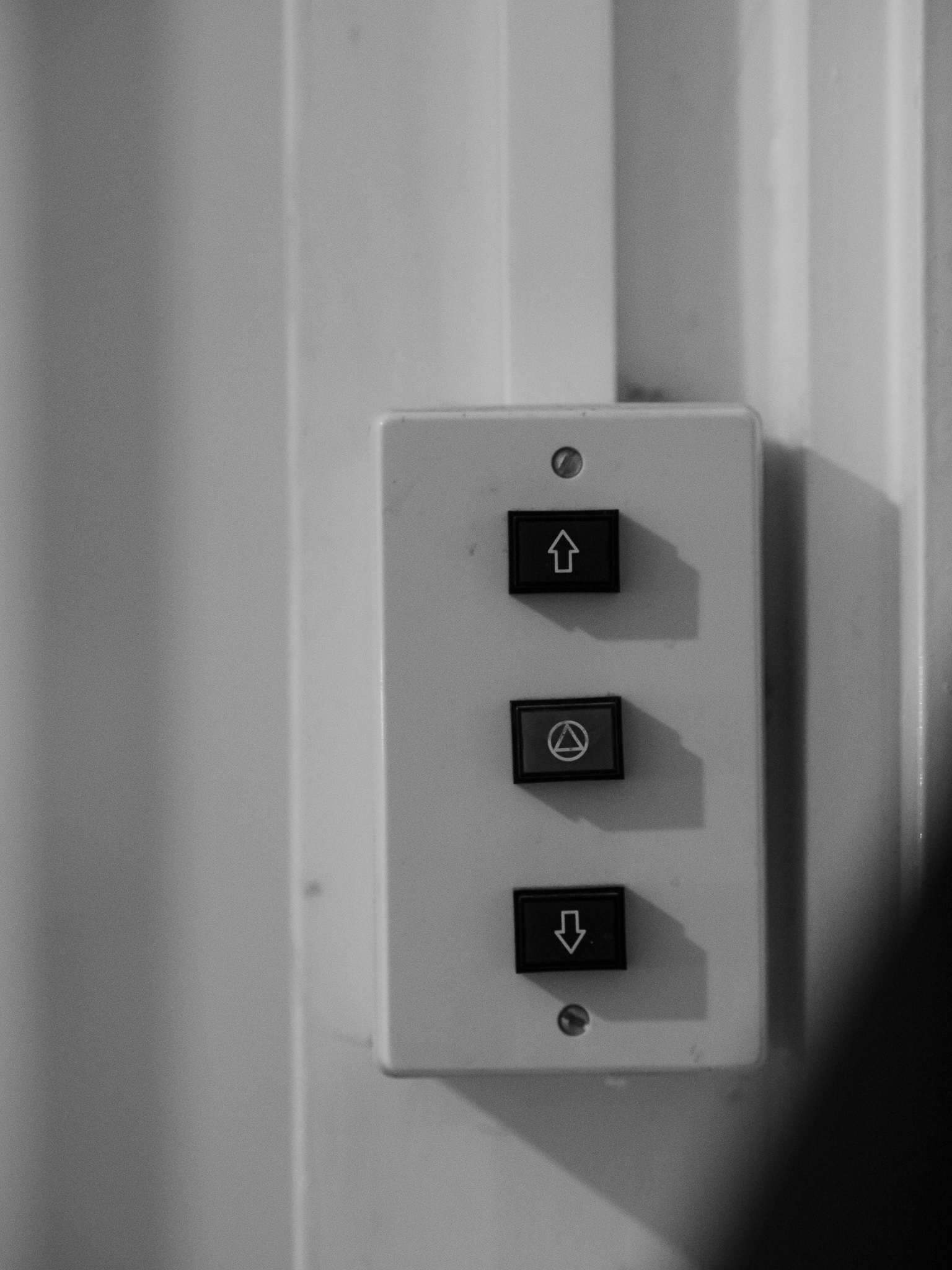
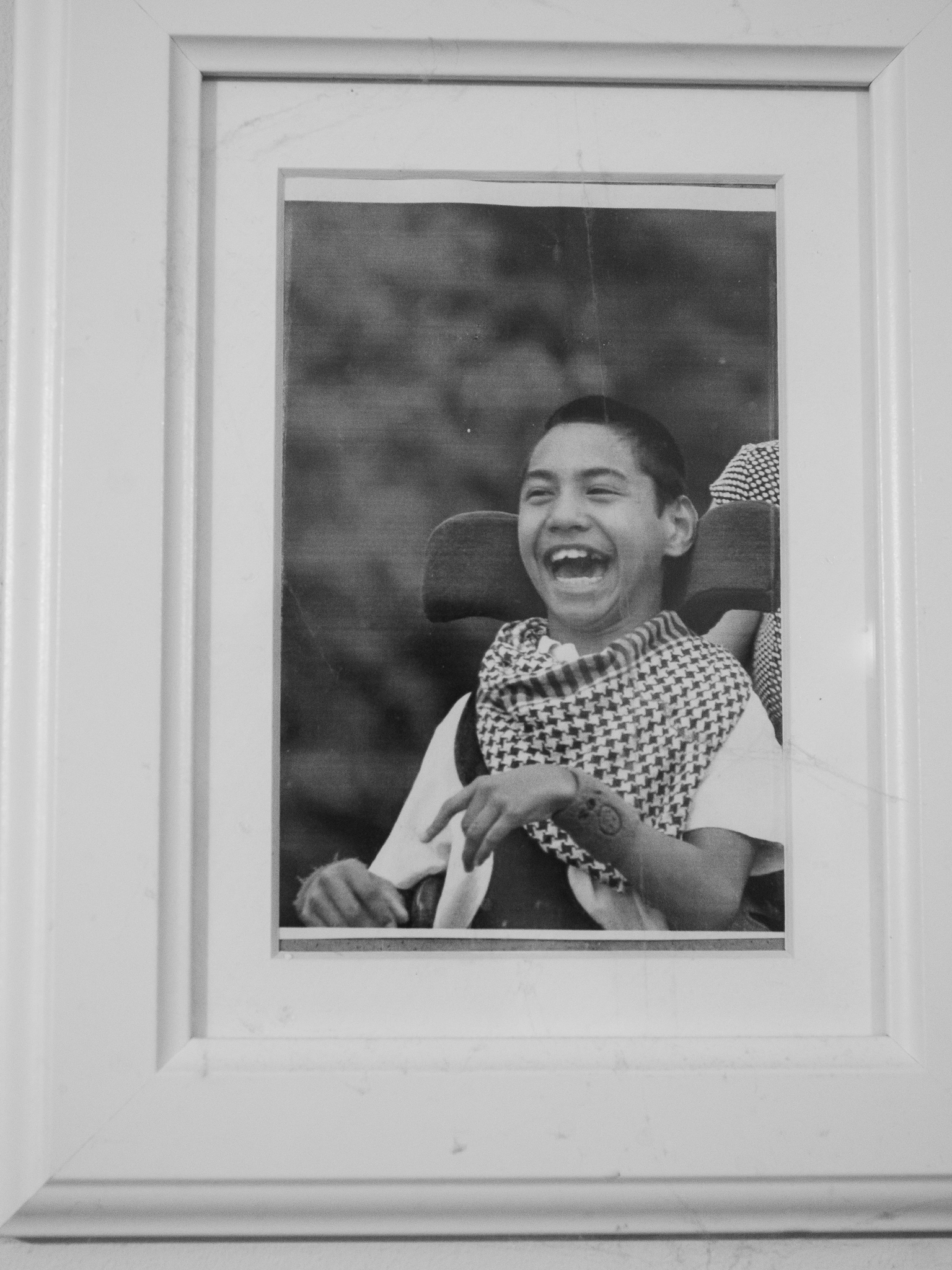
I am planning to redo the Book based on the critique review.
Bibliography
- Available at: https://www.lensculture.com/search/projects?fallback=not-found&q=disability&modal=project-983728-spirit-children. [Accessed 11 October 2022].
- ep.bmj.com. 2022. No page title. [ONLINE] Available at: https://ep.bmj.com/content/103/4/189.abstract. [Accessed 11 October 2022].
- LensCulture. 2022. LensCulture – Contemporary Photography. [ONLINE] Available at: https://www.lensculture.com/search/projects?fallback=not-found&q=Cerebral%2BPalsy&modal=project-38861-living-with-cerebral-palsy. [Accessed 13 October 2022].
- NHS Digital. 2022. Child Protection – Information Sharing service – NHS Digital. [ONLINE] Available at: https://digital.nhs.uk/services/child-protection-information-sharing-service. [Accessed 11 October 2022].
- Alice Dempsey. 2022. Born into Silence – Alice Dempsey. [ONLINE] Available at: https://www.alicedempsey.com/born-into-silence. [Accessed 11 October 2022].
- Home -. 2022. Home -. [ONLINE] Available at: https://adultcerebralpalsyuk.org/. [Accessed 11 October 2022].
- Mary Ellen Mark. 2022. Mary Ellen Mark. [ONLINE] Available at: https://www.maryellenmark.com/. [Accessed 17 October 2022].
- Ellen, M., 1990. The Photo Essay. Smithsonian Institution Press.
- The Photo Essay by Mary Ellen Mark. 2022. The Photo Essay by Mary Ellen Mark. [ONLINE] Available at: https://www.publishersweekly.com/978-1-56098-003-2. [Accessed 17 October 2022]
- YouTube. 2022. Mary Ellen Mark: There is nothing more extraordinary than reality – YouTube. [ONLINE] Available at: https://www.youtube.com/watch?v=4w2aaO9WYh4. [Accessed 17 October 2022].
- Andrew Sweigart. 2022. Under The Influence of Mary Ellen Mark. [ONLINE] Available at: https://www.streethunters.net/blog/2015/09/17/mary-ellen-mark/. [Accessed 18 October 2022].
- YouTube. 2022. Mary Ellen Mark (1940-2015) – YouTube. [ONLINE] Available at: https://www.youtube.com/watch?v=lCdFqDjMAnU. [Accessed 18 October 2022].
- YouTube. 2022. Mary Ellen Mark: Portraits & Portrayals – YouTube. [ONLINE] Available at: https://www.youtube.com/watch?v=sDB3nhEw-qA. [Accessed 18 October 2022].
 Rikii Image